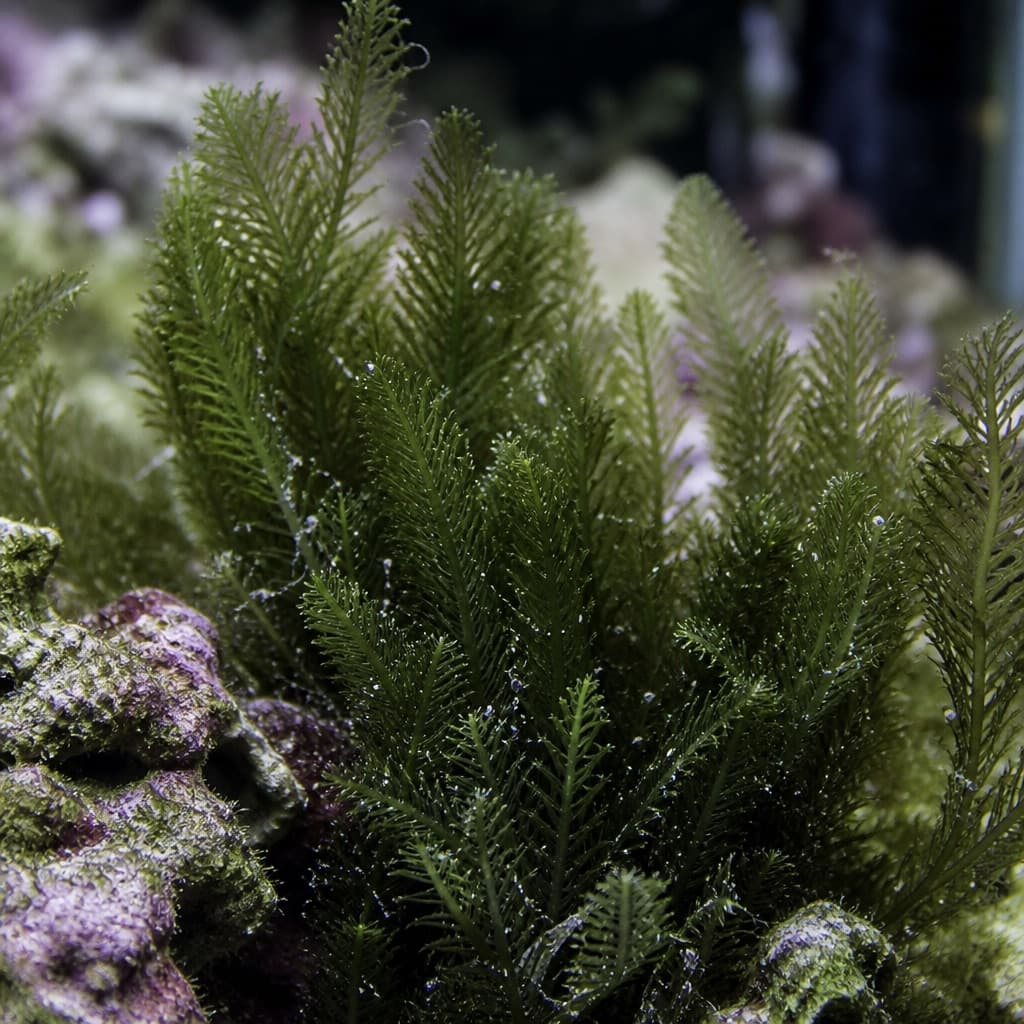
Agua verde: identificación y tratamiento
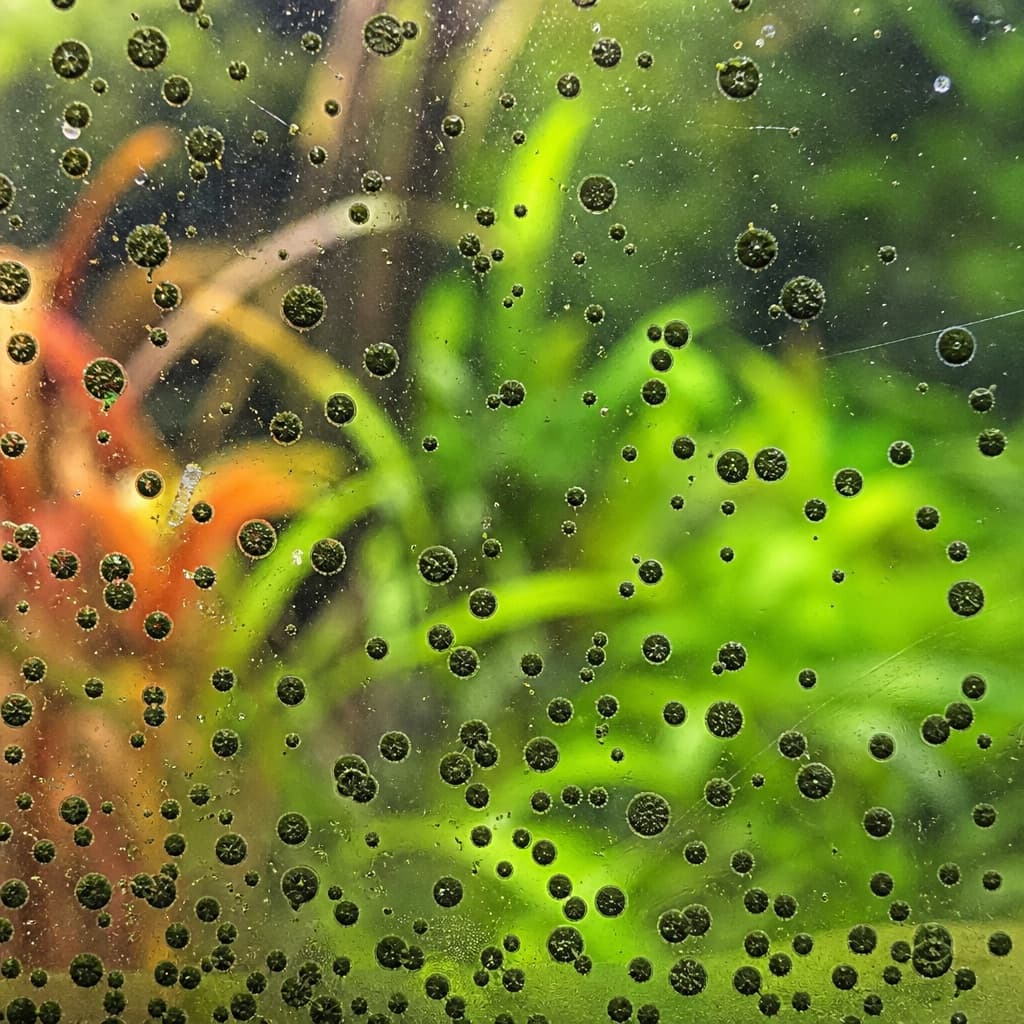
El agua se vuelve turbia y verdosa: algas de vida libre (a menudo Chlorella o similares) en suspensión en la columna de agua.
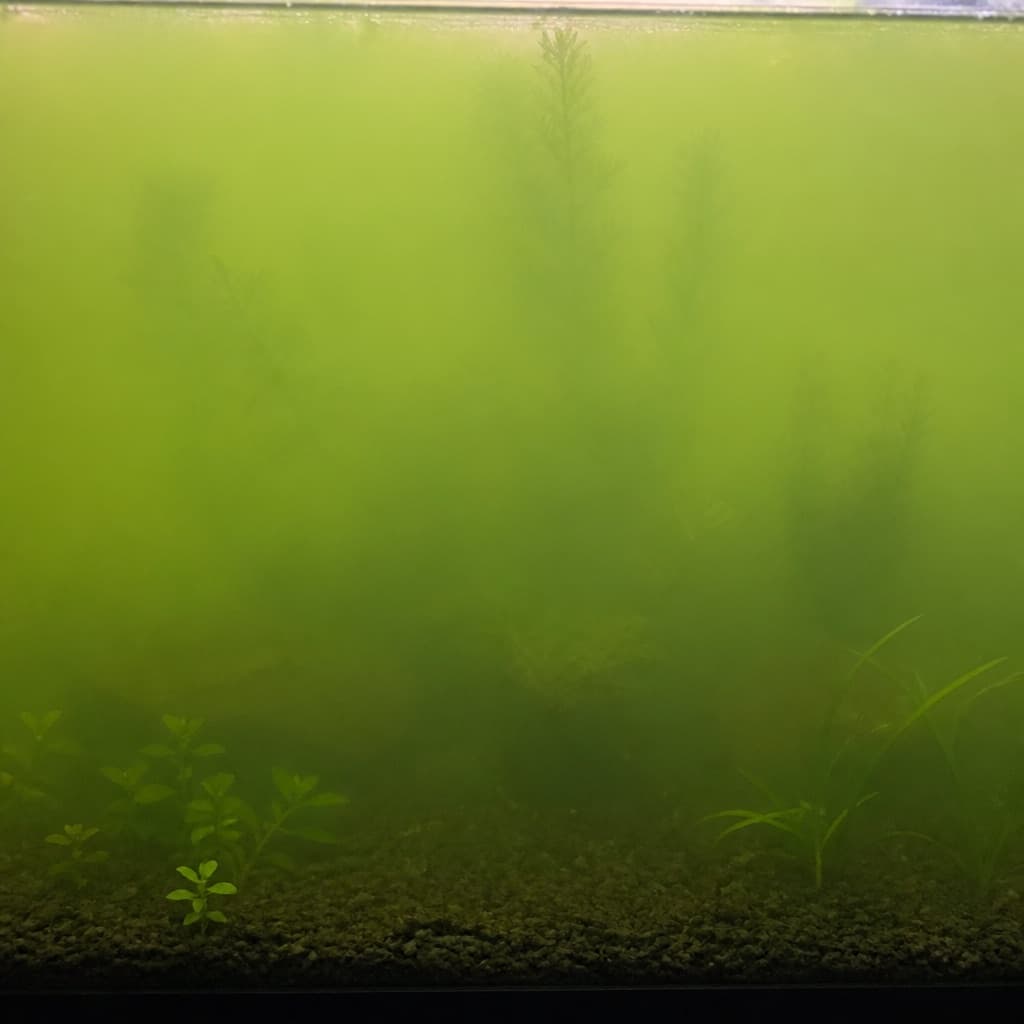
Agua verde
Agua verde: Studio Scaped hace seguimiento de este tipo de alga en acuarios de agua dulce. Esta guía explica cómo distinguirlo de los tipos con los que más se confunde, qué condiciones lo provocan, qué mediciones conviene tomar antes de tratar y cómo evitar que vuelva. En la mayoría de acuarios el factor decisivo es la luz frente a lo que tus plantas pueden aprovechar de verdad.
Cómo identificar agua verde
El agua se vuelve turbia y verdosa: algas de vida libre (a menudo Chlorella o similares) en suspensión en la columna de agua.
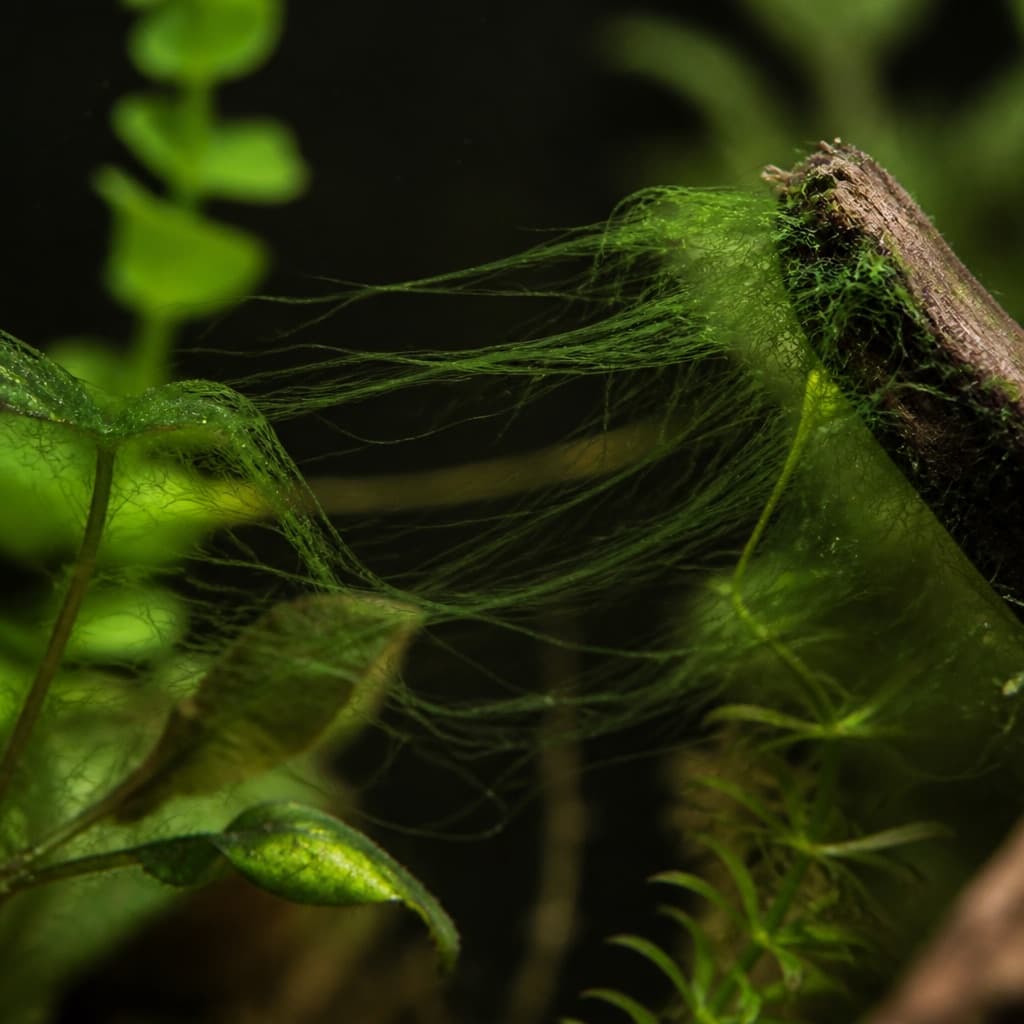
Compara la fotografía de arriba con tu propio acuario antes de tratar: varios tipos de alga se parecen a primera vista pero responden a correcciones completamente distintas, y tratar el equivocado cuesta semanas. Si tienes dudas, la guía de identificación completa pone los tipos comunes uno al lado del otro.
Por qué aparece
El alga es un síntoma, no la enfermedad. En este caso el detonante habitual es exceso de nutrientes (nitrato y fosfato) por la alimentación, los residuos de los peces o una exportación insuficiente. La lista completa de causas que conviene descartar:
- Exceso de nutrientes (nitrato y fosfato) por la alimentación, los residuos de los peces o una exportación insuficiente
- Fotoperiodo demasiado largo o acuario expuesto a luz solar directa
- Sobrepoblación o alimentación abundante en relación con la filtración
- Pocos cambios de agua tras un pico de nutrientes
Qué medir y qué significan las lecturas
| Qué medir | Objetivo habitual | Qué indica una lectura fuera de rango |
|---|---|---|
| Nitrato (NO₃⁻) | 5–20 ppm plantado · menos de 10 ppm en arrecife | Un nitrato al alza indica que entran más residuos de los que exportan los cambios de agua y las plantas. Cerca de cero en un acuario plantado, las plantas pasan hambre y las algas ganan terreno. |
| Fosfato (PO₄³⁻) | 0,5–1,5 ppm plantado · menos de 0,1 ppm en arrecife | Suele culparse del alga, pero dejarlo a cero normalmente sale mal: las plantas se paran antes y el alga ocupa el hueco. |
| Intensidad de luz y fotoperiodo | 6–8 horas en la mayoría de acuarios plantados | La luz que tus plantas no pueden aprovechar queda para las algas. Reduce la duración antes que la intensidad: es la variable más fácil de controlar. |
| Carga biológica | dentro de la capacidad de planificación del acuario | Más peces significan más residuos de los que la filtración y los cambios de agua deben exportar. Usa la calculadora de carga biológica para ver dónde estás. |
| Cantidad y frecuencia de alimentación | consumido en 2–3 minutos, sin restos | La comida no consumida es la fuente oculta de nutrientes más habitual. Se descompone donde no se ve, en el sustrato y el material filtrante. |
| Filtración y circulación | sin puntos muertos; material filtrante limpio según rutina | Las zonas de poca circulación acumulan detritos y es donde empiezan muchos problemas. Un material filtrante saturado reduce el caudal real mucho antes de parecer sucio. |
Toma estas lecturas antes de cambiar nada. Tratar sin una referencia previa te deja sin saber qué corrección funcionó, y los problemas de algas suelen tener más de una causa contribuyendo.
Tratamiento y correcciones
- Haz un blackout de 2–3 días manteniendo la filtración y la aireación
- Reduce la luz diaria en 1–2 horas y evita la luz solar directa
- Aumenta los cambios de agua y revisa la alimentación: retira la comida sobrante en pocos minutos
- Comprueba nitrato y fosfato; resuelve la fuente de nutrientes antes de que vuelva la floración
- Un clarificador UV ayuda con las algas en suspensión, pero no corrige el desequilibrio de fondo
Cómo evitar que vuelva
- Reduce el fotoperiodo antes que la intensidad; la luz que tus plantas no pueden usar queda para las algas
- Haz que la circulación llegue a todo el acuario: los puntos muertos son donde esto se instala primero
- Da solo lo que se coma en dos o tres minutos; la comida sobrante se descompone donde no se ve
- Abona según tu masa vegetal, no hasta cero: matar de hambre al acuario mata antes a las plantas
- Pon en cuarentena plantas y hardscape nuevos, que es como llega la mayoría de las algas
Una vez corregida la causa, espera de dos a cuatro semanas hasta ver el retroceso: el crecimiento existente no desaparece cuando desaparece la causa, así que retira a mano lo que puedas y juzga el éxito por si aparece crecimiento nuevo.
Guías relacionadas
- Diatomeas marrones — se confunde a menudo con este tipo
- Limo azul-verdoso — se confunde a menudo con este tipo
- Todos los tipos de alga, uno al lado del otro — para identificación
- Iluminación y espectro
Preguntas frecuentes
Agua verde: ¿cuánto tarda en desaparecer?
Cuenta con dos a cuatro semanas tras corregir la causa. Haz un blackout de 2–3 días manteniendo la filtración y la aireación El crecimiento existente normalmente hay que retirarlo a mano: corregir las condiciones frena su avance, no disuelve lo que ya está ahí.
¿Los comealgas me lo van a resolver?
Los pastadores ayudan a mantener limpio un acuario ya corregido; rara vez arreglan uno sin corregir. Ningún pastador aclara una floración de agua verde: el alga está suspendida en la columna. Un esterilizador UV o un blackout es la respuesta práctica.
¿Debo recortar nutrientes para matarla de hambre?
Normalmente sale mal. Las plantas se paran antes que las algas, y los nutrientes que dejan de consumir quedan disponibles justo para el alga. Equilibra luz, CO₂ y abonado según tu masa vegetal en lugar de reducir la fertilización a cero.