Agua de ósmosis y remineralización: guía práctica para acuarios
Cuándo usar agua de ósmosis o desionizada, cómo remineralizar para peces y gambas, rangos objetivo de GH/KH/TDS y errores habituales con productos tipo Equilibrium.
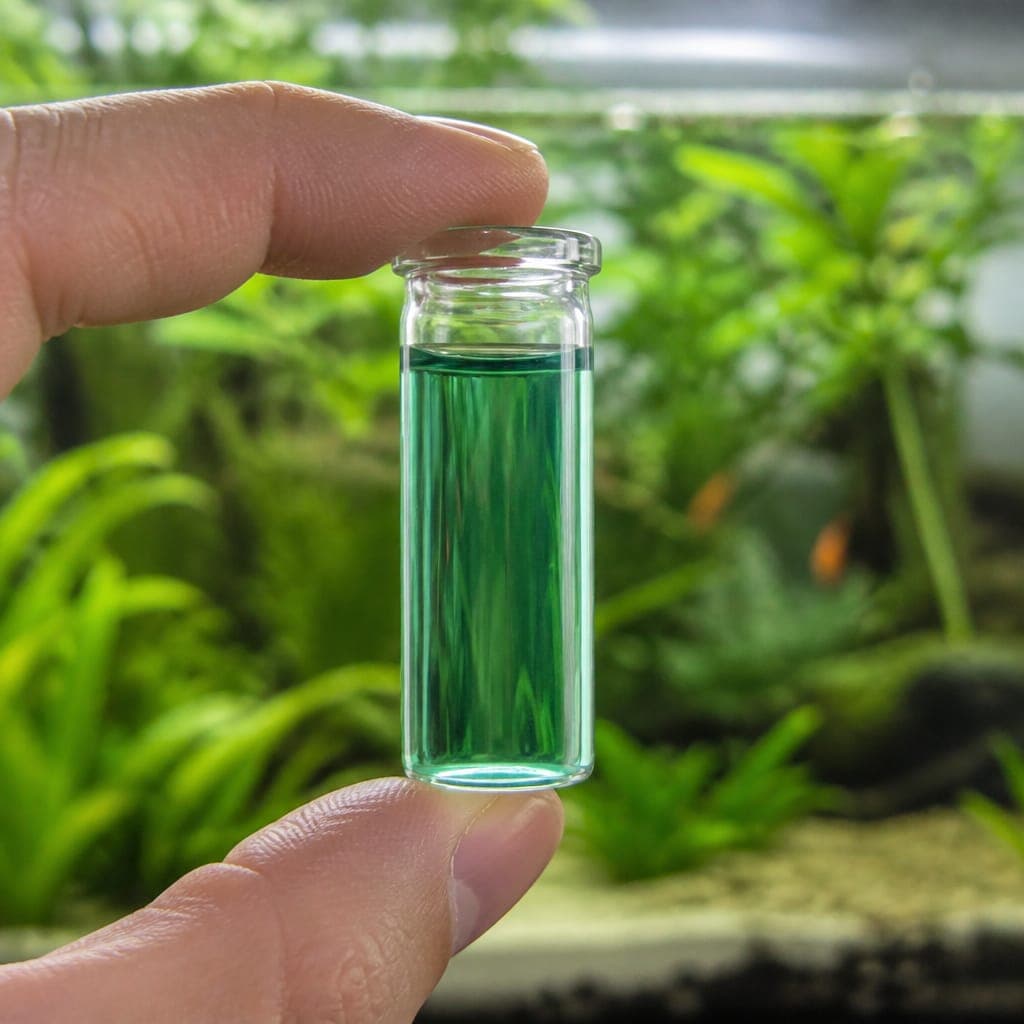
Agua de ósmosis y remineralización
La ósmosis inversa (OI) y la desionización (DI) eliminan casi todo del agua del grifo: cloro, nitrato, fosfato y dureza. Esa pureza es muy útil para peces de agua blanda, gambas Caridina y acuarios plantados de precisión, pero el agua sin minerales no es segura para los peces hasta que se remineraliza correctamente.
Cuándo tiene sentido la ósmosis
- Agua del grifo dura, incompatible con tu especie objetivo (por ejemplo, discos de agua blanda o gambas Caridina)
- Nitrato o fosfato elevados en el grifo que alimentan las algas pese a un buen mantenimiento
- Subida progresiva del TDS en acuarios de gambas, donde necesitas parámetros previsibles
- Mezcla con agua del grifo para diluir la dureza sin adivinar: por ejemplo, 50% ósmosis + 50% grifo
Cuándo basta el agua del grifo
Muchos acuarios comunitarios funcionan perfectamente solo con agua del grifo declorada. Si tu grifo encaja con tus peces y plantas, la ósmosis añade coste y complejidad sin beneficio. Analiza GH, KH y pH antes de invertir en un equipo de ósmosis.
Remineralizar tras la ósmosis
El agua de ósmosis pura tiene GH ≈ 0 y KH ≈ 0. Peces y gambas necesitan minerales para la osmorregulación y la muda; las plantas necesitan magnesio y calcio.
Productos
| Tipo de producto | Qué sube | Uso habitual |
|---|---|---|
| Elevador de GH (tipo Equilibrium) | Calcio + magnesio | Peces de agua blanda, acuarios plantados |
| Elevador de KH / alcalinidad | Carbonatos | Estabilidad del pH |
| Mineral para gambas (tipo Salty Shrimp) | GH + KH + oligoelementos | Caridina y Neocaridina a medida |
| Mezcla propia | Variable | Acuaristas avanzados con recetas objetivo |
Proceso
- Llena un recipiente con agua de ósmosis a la temperatura a la que la añadirás al acuario
- Dosifica el remineralizador poco a poco: nunca eches el polvo directamente al acuario
- Remueve bien y espera unos minutos a que se disuelva del todo
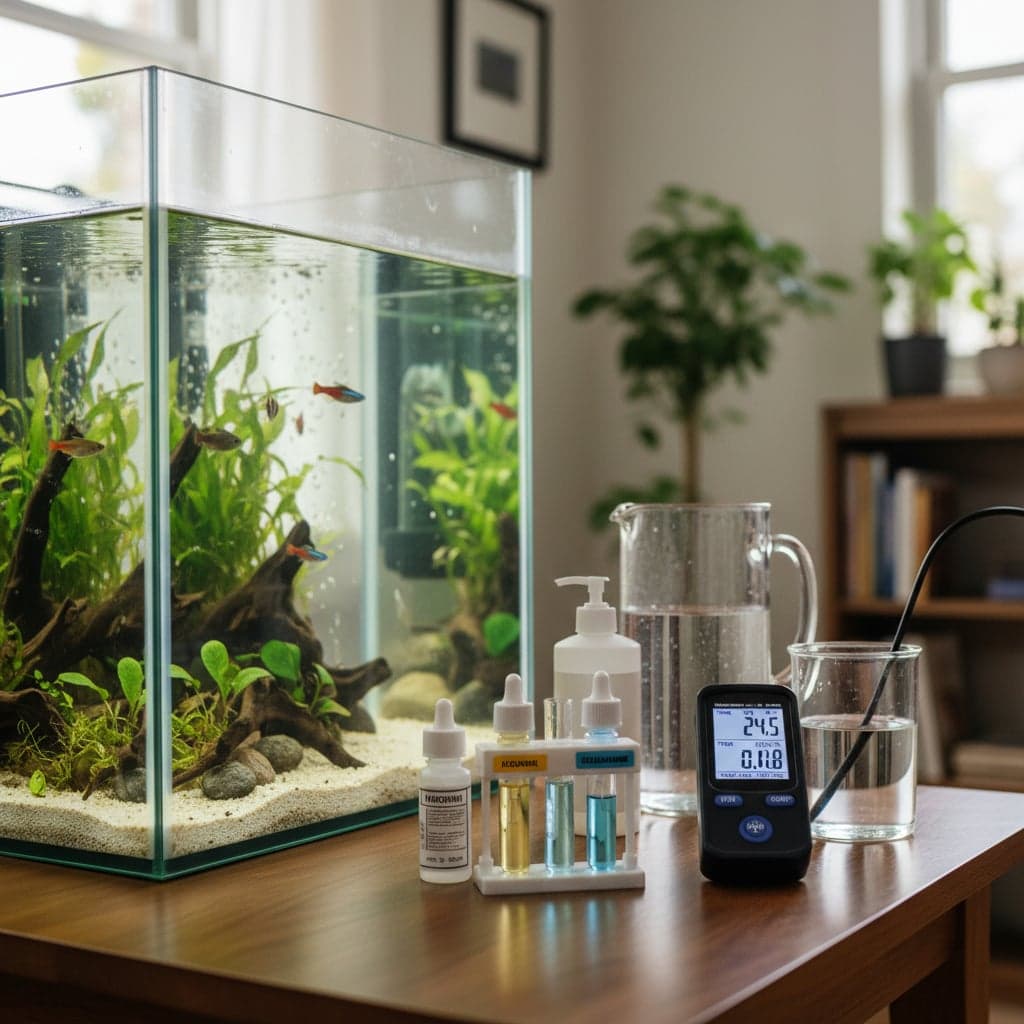
- Analiza GH, KH y TDS antes de usarla — consulta la guía de TDS
- Ajusta en pasos pequeños; es más fácil añadir que quitar
Rangos objetivo (ejemplos)
| Fauna | GH típico | Notas |
|---|---|---|
| Gamba cereza (Neocaridina) | 6–10 dGH | El TDS suele estar en 200–300 ppm |
| Gamba bee (Caridina) | 4–6 dGH | KH bajo; depende de la especie |
| Discos / tetras de agua blanda | 3–6 dGH | KH bajo y estable |
| Vivíparos / cíclidos de los grandes lagos | 10–20+ dGH | Pueden usar grifo o remineralización fuerte |
Confírmalo siempre con la ficha de la especie: los rangos varían.
Nociones de un equipo de ósmosis
- La membrana de ósmosis elimina ~95–99% de los sólidos disueltos
- La resina DI pule los iones restantes: se usa para agua ultrapura o como etapa final
- Agua de rechazo: la ósmosis genera 3–4 litros de rechazo por litro producido; prevé el desagüe
- Almacenamiento: usa recipientes aptos para alimentos; el agua estancada puede captar CO₂ y bajar el pH
- Medidor de TDS: imprescindible para vigilar el rendimiento de la membrana; consulta medidor de TDS
Errores habituales
- Añadir ósmosis directa al acuario sin remineralizar: choque osmótico y desplome del pH
- Subir solo el GH ignorando el KH: vaivenes inestables de pH
- Perseguir solo el TDS sin analizar GH/KH: el TDS es una suma, no una receta
- Mezclas inconsistentes: cubos distintos en cada cambio de agua estresan a las gambas
- Membranas viejas: si el TDS del agua producida sube, toca cambiar la membrana
Preguntas frecuentes
¿Necesito de verdad agua de ósmosis?
Solo si tu agua del grifo choca con lo que mantienes. Un grifo duro va perfecto para vivíparos y cíclidos de los grandes lagos. La ósmosis se gana su sitio con especies de agua blanda, gambas y acuarios de arrecife, o cuando tu suministro trae nitrato, fosfato o silicato que no puedes eliminar de otro modo.
¿Qué pasa si uso ósmosis pura sin remineralizar?
La ósmosis casi no tiene minerales ni capacidad tampón, así que el pH se vuelve inestable y oscila con fuerza. Los peces no pueden osmorregular en ella y los invertebrados no pueden formar concha. La ósmosis pura es un punto de partida, nunca un agua terminada.
¿Qué GH y KH debo buscar?
A grandes rasgos: 4–8 de GH y 3–5 de KH encajan en la mayoría de acuarios comunitarios; las gambas Caridina quieren menos, en torno a 4–6 de GH y 0–1 de KH; las Neocaridina prefieren 6–8 de GH con algo de KH. Ajústate a la especie más que a un objetivo genérico, y cámbialo poco a poco.