Dietas de peixes de água doce: carnívoros, herbívoros e onívoros
Ajuste o alimento à espécie — dietas de carnívoros, herbívoros e onívoros para aquários comunitários, ciclídeos, bagres e peixes de água doce especializados.

Dietas de peixes de água doce
Nem todo peixe come a mesma coisa. Carnívoros precisam de alimentos ricos em proteína. Herbívoros precisam de matéria vegetal e algas. Onívoros — a maioria dos peixes comunitários — prosperam com uma mistura equilibrada. Oferecer a dieta errada causa inchaço, cor fraca e problemas de saúde a longo prazo.
Tipos de dieta
| Tipo | Exemplos | Alimentos principais |
|---|---|---|
| Carnívoro | Bettas, baiacus, a maioria dos ciclídeos | Verme-de-sangue, artêmia, pellets, congelados de origem animal |
| Herbívoro | Otocinclos, plecos, dólares-de-prata | Pastilhas de alga, vegetais branqueados, pellets de espirulina |
| Onívoro | Tetras, rasboras, guppys | Flocos/farelo de qualidade + petiscos congelados/vivos |
| Micropredador | Killifish, tetras pequenos | Náuplios de artêmia vivos ou congelados, dáfnia, pellets pequenos |
Formatos de alimento
Veja tipos de alimento para uma comparação completa de flocos, pellets, congelados, vivos e gel.
- Flocos e chips — peixes de superfície e meia-água; perdem nutrientes rápido depois de abertos
- Micropellets e granulados — afundam devagar; bons para tetras e barbos
- Pastilhas e tabletes afundantes — habitantes de fundo e espécies noturnas
- Congelados — verme-de-sangue, artêmia, dáfnia; descongele na água do aquário antes de oferecer
- Alimentos vivos — enriquecimento e condicionamento; ponha em quarentena para não introduzir parasitas
Observações por espécie
Tetras e rasboras comunitários
Bocas pequenas exigem farelo fino ou micropellets. Complemente com dáfnia congelada ou náuplios de artêmia 2–3 vezes por semana para cor e condicionamento.
Ciclídeos
Ciclídeos africanos dos grandes lagos costumam precisar de mais matéria vegetal que as espécies sul-americanas. Ajuste o nível de proteína à espécie — os mbunas são mais herbívoros que os ciclídeos-pavão.
Bagres e plecos
Nem todo "comedor de algas" vive só de alga. Otocinclos precisam de biofilme constante; plecos comuns ficam grandes e precisam de bastante vegetal e proteína. Ofereça pastilhas afundantes depois de apagar as luzes.
Kinguios e variedades ornamentais
Use gel afundante ou pellets previamente hidratados para evitar problemas de bexiga natatória por ar engolido. Alto teor vegetal ajuda a digestão.
Rotina de alimentação
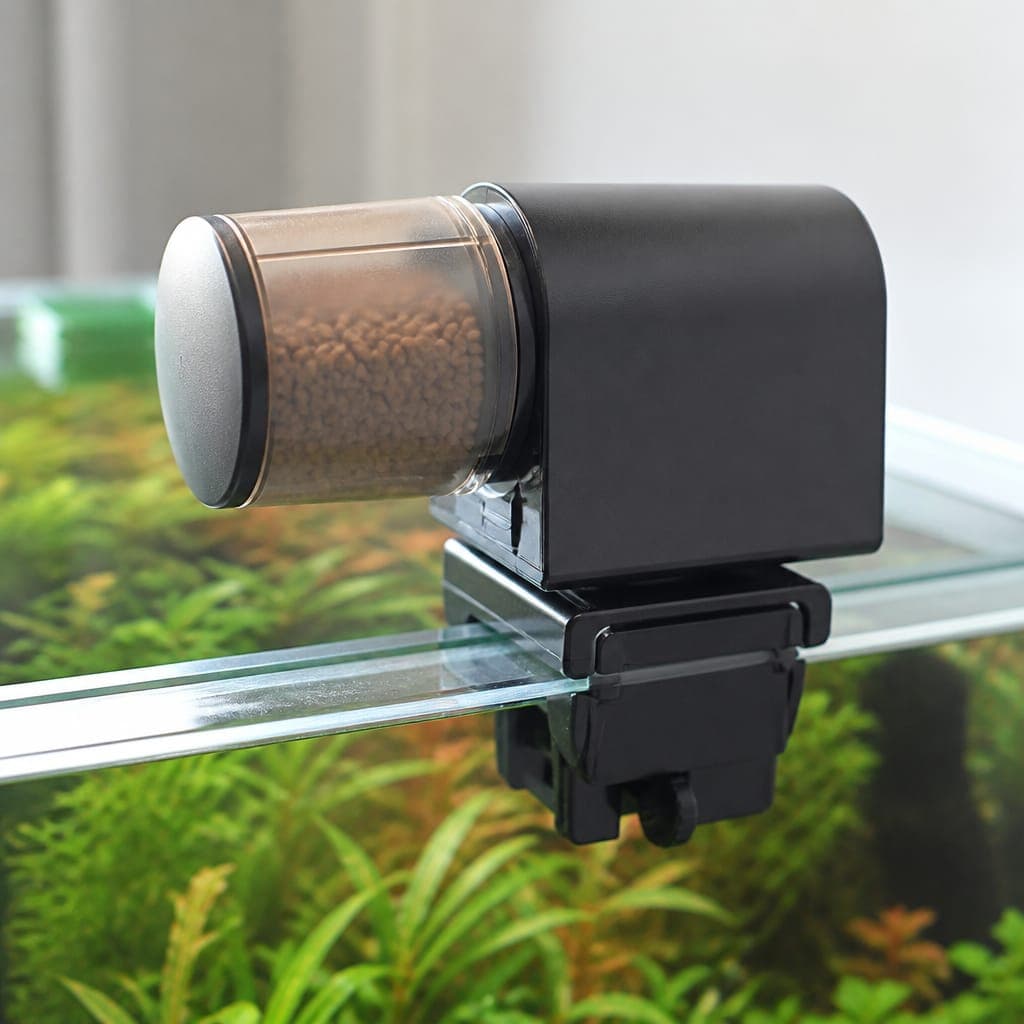
Siga a regra dos 2 minutos — ofereça só o que for consumido em dois minutos. A maioria dos peixes comunitários adultos vai bem com 1–2 refeições pequenas por dia e um dia de jejum por semana.
Erros comuns
- Um floco para todo peixe — plecos e otocinclos passam fome só com floco
- Excesso de proteína para herbívoros — causa inchaço em mbunas e plecos
- Pellets secos sem hidratar para kinguios ornamentais e bettas — risco de bexiga natatória
- Ignorar os comedores noturnos — ofereça alimento afundante depois de apagar as luzes
Perguntas frequentes
Como descubro o que meu peixe come se a loja não disse?
A posição da boca é a pista mais rápida: bocas voltadas para cima se alimentam na superfície, bocas voltadas para baixo pastam o substrato e bocas frontais normalmente caçam. O comprimento do intestino é a outra pista — herbívoros têm intestinos longos, adequados a matéria vegetal, e carnívoros, curtos. Na dúvida, a página da espécie na base de conhecimento de peixes informa a dieta.
Um único alimento serve para um aquário comunitário inteiro?
Uma base de qualidade cobre a maioria dos onívoros, mas um aquário misto raramente prospera com um só alimento. Os habitantes de fundo não conseguem disputar flocos na superfície, e herbívoros específicos perdem condição com uma dieta rica em proteína. Faça rodízio entre a base, um alimento afundante e algo verde.
Com que frequência devo alimentar?
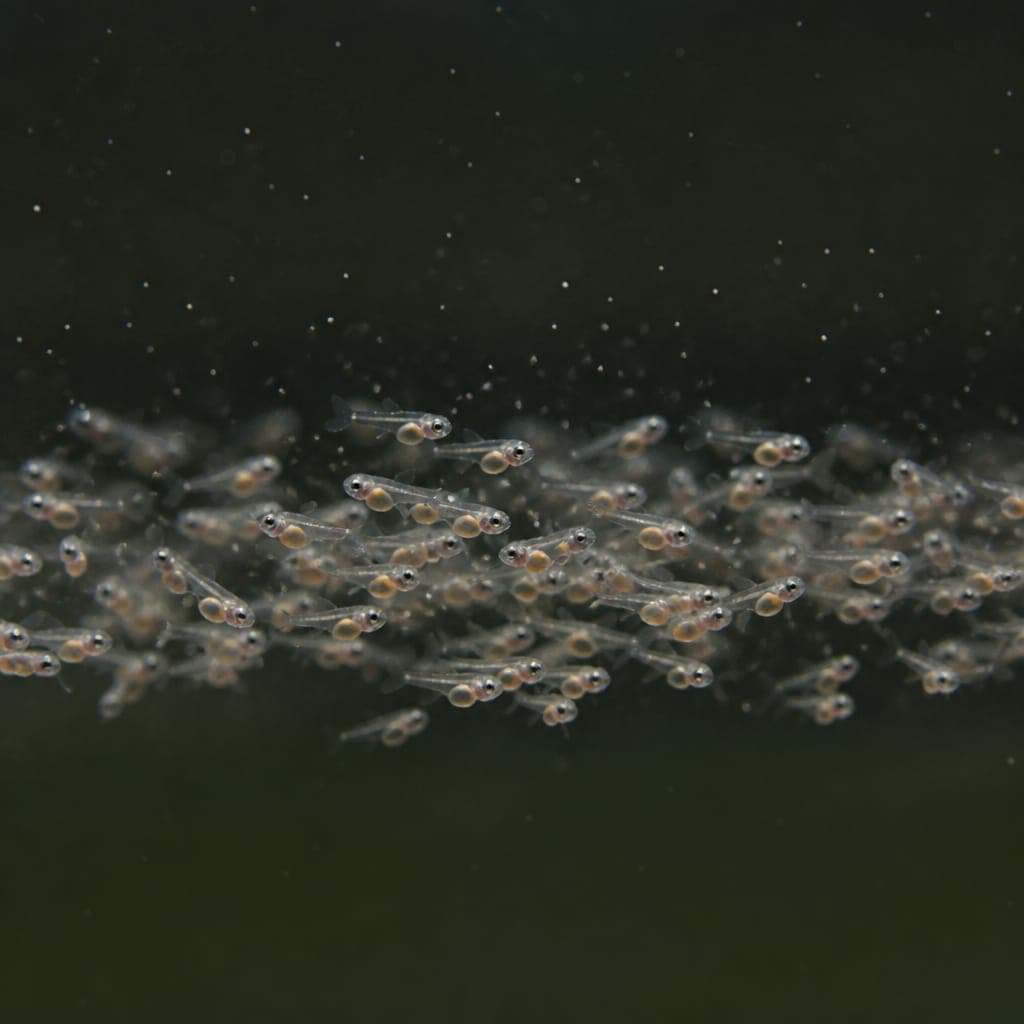
Uma ou duas vezes por dia para a maioria dos peixes comunitários adultos, em quantidades consumidas em dois a três minutos. Alevinos e espécies pequenas de metabolismo rápido precisam de refeições menores e mais frequentes. Alimento não consumido é a fonte oculta de nutrientes mais comum por trás dos problemas com algas.