Osmosewasser & Aufhärtung: ein Praxisratgeber fürs Aquarium
Wann Osmose- oder VE-Wasser sinnvoll ist, wie man für Fische und Garnelen aufhärtet, Zielbereiche für GH/KH/TDS und typische Fehler mit Equilibrium-artigen Produkten.
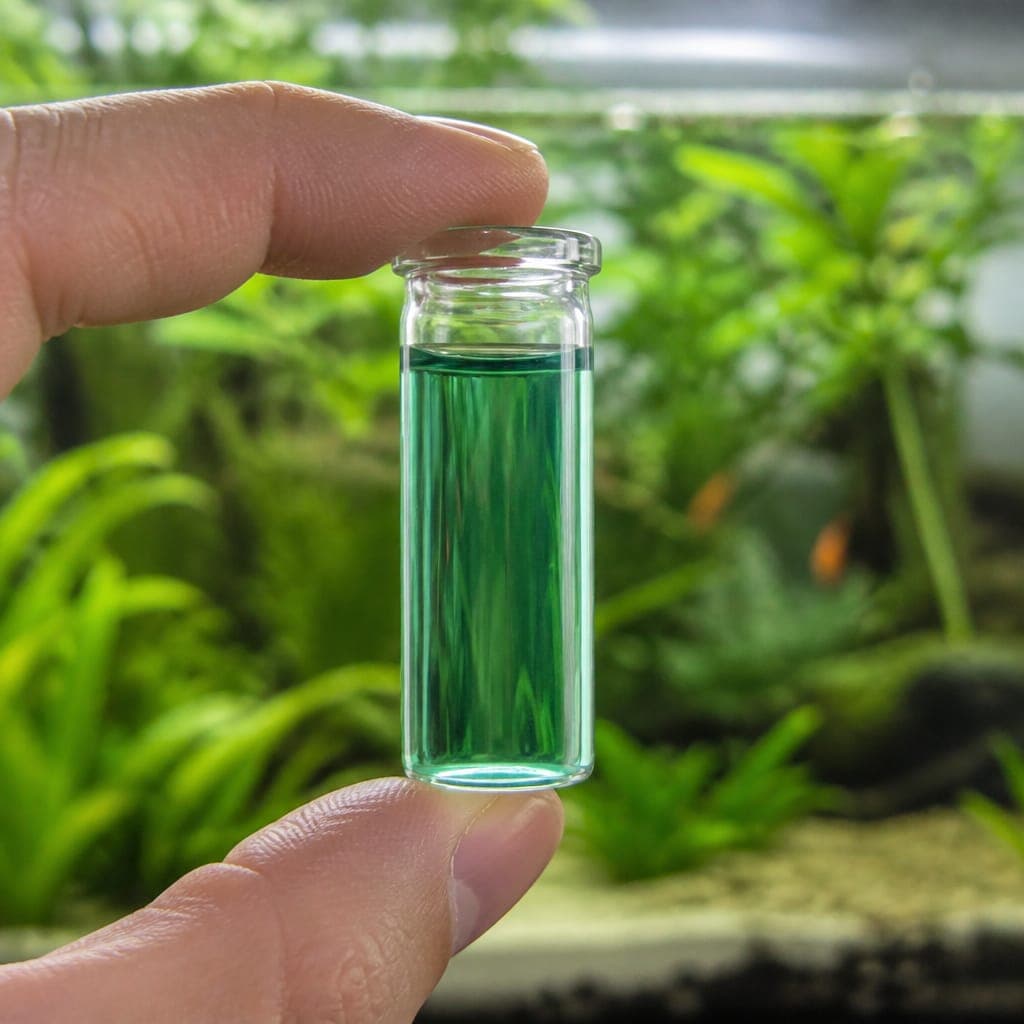
Osmosewasser & Aufhärtung
Umkehrosmose (UO) und Vollentsalzung (VE) entfernen fast alles aus dem Leitungswasser — Chlor, Nitrat, Phosphat und Härte. Diese Reinheit ist ein starkes Werkzeug für Weichwasserfische, Caridina-Garnelen und präzise geführte Pflanzenbecken, aber mineralfreies Wasser ist für Fische erst sicher, wenn du es richtig aufhärtest.
Wann sich Osmose lohnt
- Hartes Leitungswasser, das nicht zur Zielart passt (etwa Weichwasser-Diskus oder Caridina-Garnelen)
- Erhöhtes Nitrat oder Phosphat im Leitungswasser, das trotz guter Pflege Algen nährt
- Schleichender TDS-Anstieg in Garnelenbecken, wo du planbare Werte brauchst
- Verschneiden mit Leitungswasser, um die Härte gezielt zu senken — etwa 50 % Osmose + 50 % Leitung
Wann Leitungswasser reicht
Viele Gesellschaftsbecken laufen bestens mit reinem entchlortem Leitungswasser. Passt dein Leitungswasser zu Fischen und Pflanzen, bringt Osmose nur Kosten und Aufwand ohne Nutzen. Miss GH, KH und pH, bevor du in eine Osmoseanlage investierst.
Nach der Osmose aufhärten
Reines Osmosewasser hat GH ≈ 0 und KH ≈ 0. Fische und Garnelen brauchen Mineralien für Osmoregulation und Häutung; Pflanzen brauchen Magnesium und Kalzium.
Produkte
| Produkttyp | Was es anhebt | Typischer Einsatz |
|---|---|---|
| GH-Aufhärter (Equilibrium-Typ) | Kalzium + Magnesium | Weichwasserfische, Pflanzenbecken |
| KH-Aufhärter / Alkalinität | Karbonate | pH-Stabilität |
| Garnelenmineral (Salty-Shrimp-Typ) | GH + KH + Spurenelemente | Caridina und Neocaridina passgenau |
| Eigene Mischung | Variabel | Fortgeschrittene mit eigenen Rezepturen |
Vorgehen
- Behälter füllen mit Osmosewasser in der Temperatur, mit der es ins Becken geht
- Aufhärter schrittweise dosieren — niemals Pulver direkt ins Schaubecken geben
- Gut umrühren und einige Minuten warten, bis alles gelöst ist
- GH, KH und TDS messen, bevor du es verwendest — siehe TDS-Ratgeber
- In kleinen Schritten nachregeln; zugeben ist leichter als entfernen
Zielbereiche (Beispiele)
| Besatz | Typischer GH | Hinweise |
|---|---|---|
| Red Fire Garnele (Neocaridina) | 6–10 °dGH | TDS meist 200–300 ppm |
| Bienengarnele (Caridina) | 4–6 °dGH | Niedriger KH; artabhängig |
| Diskus / weichwasserliebende Salmler | 3–6 °dGH | Stabil niedriger KH |
| Lebendgebärende / Grabenseebuntbarsche | 10–20+ °dGH | Leitungswasser oder kräftige Aufhärtung möglich |
Gleiche das immer mit dem Artprofil ab — die Bereiche unterscheiden sich.
Grundlagen einer Osmoseanlage
- Die Osmosemembran entfernt ~95–99 % der gelösten Stoffe
- VE-Harz poliert die verbliebenen Ionen — für ultrareines Wasser oder als letzte Stufe
- Abwasser — Osmose erzeugt 3–4 Liter Abwasser je Liter Reinwasser; plane den Ablauf ein
- Lagerung — lebensmittelechte Behälter verwenden; stehendes Osmosewasser nimmt CO₂ auf und der pH fällt
- TDS-Messgerät — unverzichtbar, um die Membranleistung zu überwachen; siehe TDS-Messgerät
Häufige Fehler
- Osmosewasser direkt ins Becken ohne Aufhärtung — osmotischer Schock und pH-Einbruch
- Nur den GH anheben und den KH ignorieren — instabile pH-Sprünge
- Nur dem TDS hinterherjagen, ohne GH/KH zu messen — TDS ist eine Summe, kein Rezept
- Uneinheitliches Ansetzen — bei jedem Wasserwechsel ein anderer Eimer stresst Garnelen
- Alte Membranen — steigender TDS im Reinwasser heißt, die Membran muss getauscht werden
Häufige Fragen
Brauche ich wirklich Osmosewasser?
Nur wenn dein Leitungswasser gegen das arbeitet, was du pflegst. Hartes Leitungswasser passt bestens zu Lebendgebärenden und Grabenseebuntbarschen. Osmose verdient ihren Platz bei Weichwasserarten, Garnelen und Riffbecken oder wenn deine Versorgung Nitrat, Phosphat oder Silikat mitbringt, das du anders nicht loswirst.
Was passiert, wenn ich reines Osmosewasser ohne Aufhärtung nutze?
Osmosewasser hat kaum Mineralien und keine Pufferkapazität, der pH wird also instabil und schwankt stark. Fische können darin nicht richtig osmoregulieren und Wirbellose keine Gehäuse bilden. Reines Osmosewasser ist ein Ausgangspunkt, nie ein fertiges Wasser.
Welche GH- und KH-Werte sollte ich anpeilen?
Grob: 4–8 °dGH und 3–5 °dKH passen zu den meisten Gesellschaftsbecken; Caridina-Garnelen wollen weniger, etwa 4–6 °dGH und 0–1 °dKH; Neocaridina bevorzugen 6–8 °dGH mit etwas KH. Richte dich nach der Art statt nach einem allgemeinen Zielwert und ändere die Werte langsam.