Algen
14 von 14 Ratgebern
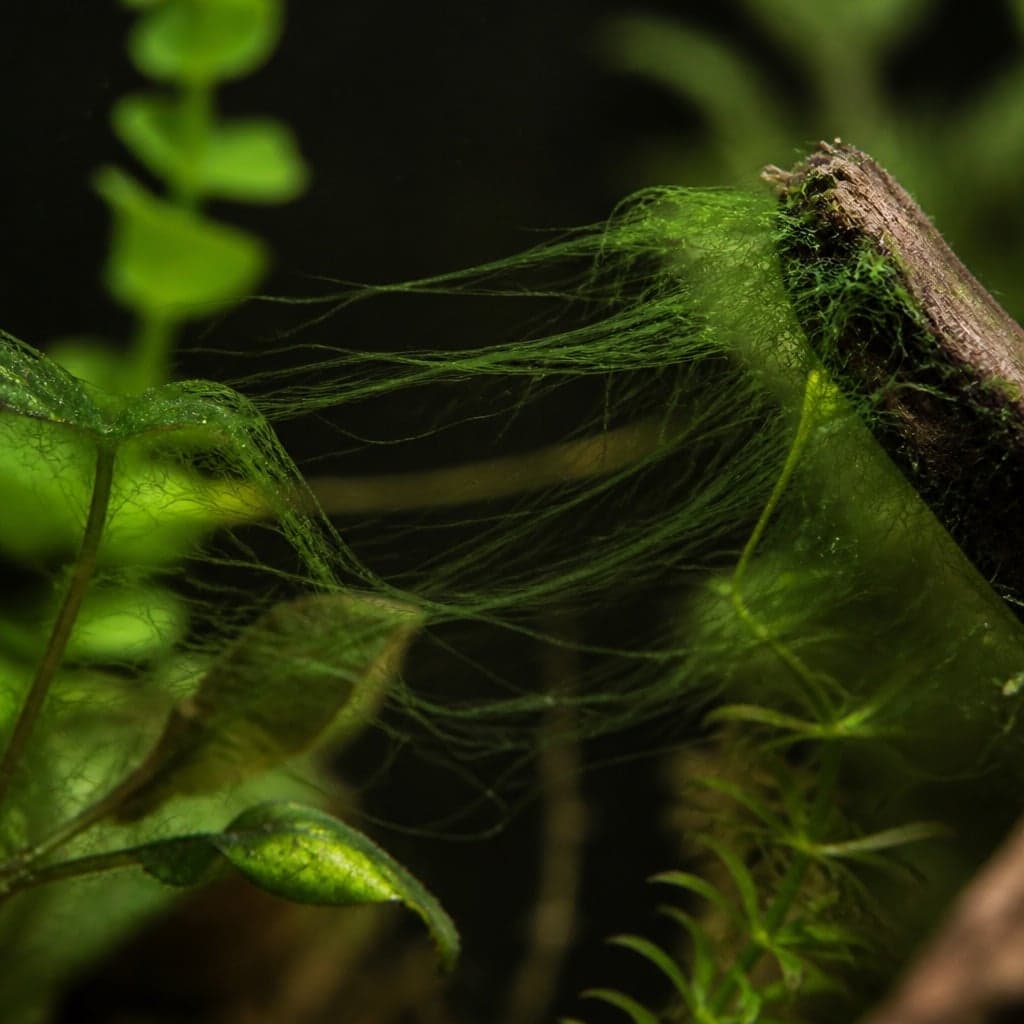
Aquarium-Algentypen: Vollständiger Bestimmungsguide
GuideBestimme jeden gängigen Süß- und Meerwasser-Algentyp — Grünalgenwasser, BBA, Kieselalgen, Cyanobakterien, Dinoflagellaten und mehr — mit Ursachen und gezielten Gegenmaßnahmen.
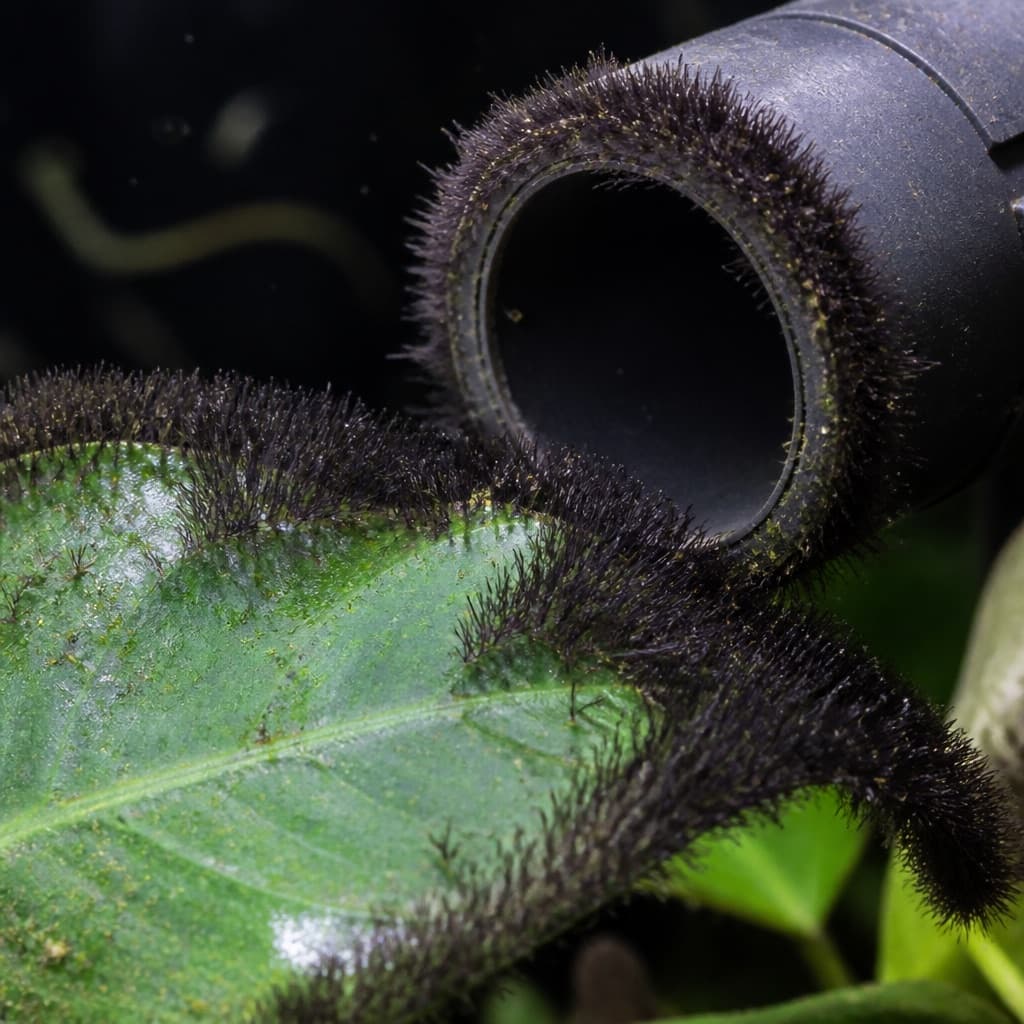
Bartalgen: Bestimmung & Behandlung
Freshwater & BrackishSteife dunkelviolette bis schwarze Büschel an Blatträndern, Hardscape und Technik — Bartalgen (BBA), eine Rotalge, die fest haftet und den meisten Weidegängern widersteht.

Blaugrüner Schleim (Cyanobakterien): Bestimmung & Behandlung
FreshwaterMattenartiger blaugrüner oder rötlicher Schleim mit deutlich erdigem Geruch — Cyanobakterien, keine echten Algen.

Braune Schleimfäden mit Bläschen: Bestimmung & Behandlung
MarineBraungoldene Schleimfäden, die kleine Sauerstoffbläschen einschließen und über Sand und Gestein hängen — Dinoflagellaten, keine echten Algen und potenziell giftig für die Tiere.

Brauner Staub / Kieselalgen: Bestimmung & Behandlung
FreshwaterWeicher brauner Belag auf Scheiben, Bodengrund und Blättern — typisch für neuere Becken.
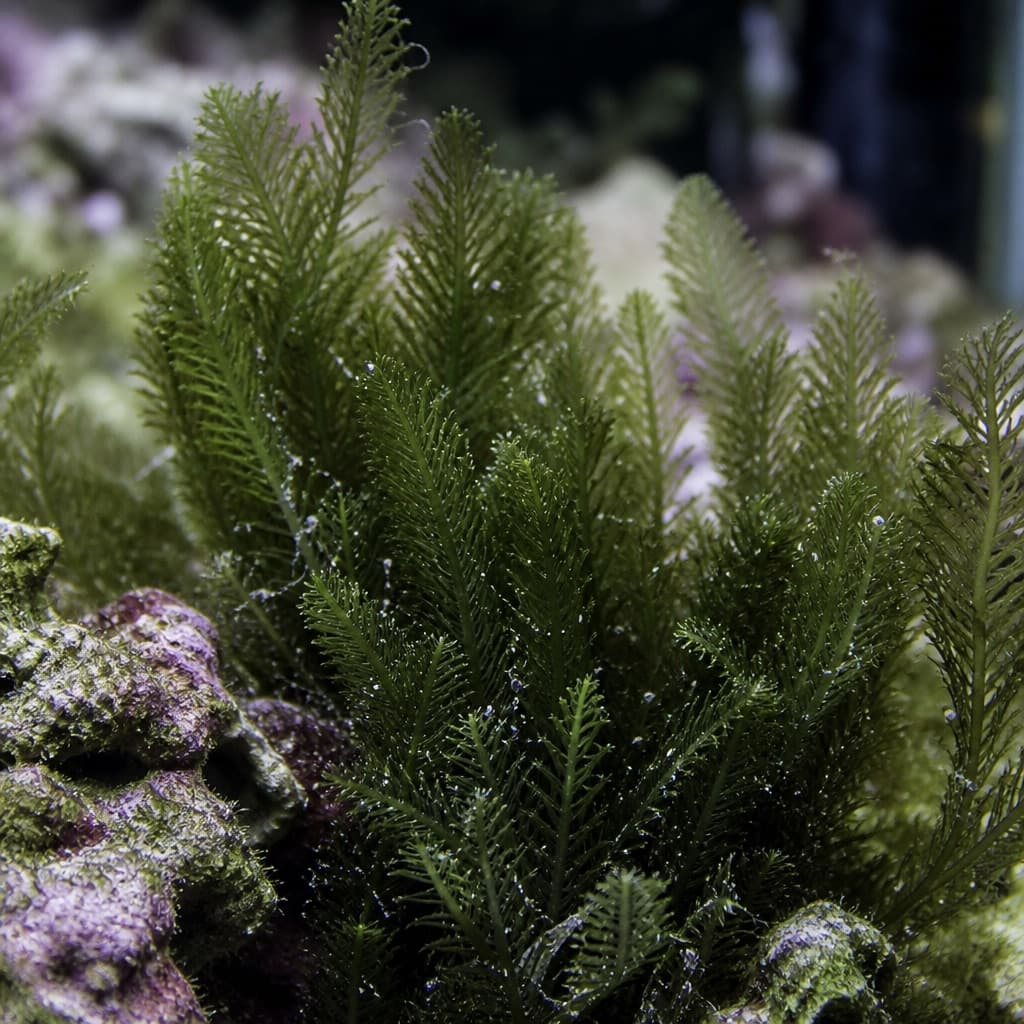
Bryopsis (federartige Wedel): Bestimmung & Behandlung
MarineDunkelgrüne, auffällig flache, farnartige Wedel, die aus lebendem Gestein wachsen — Bryopsis, berüchtigt hartnäckig und von Weidegängern weitgehend gemieden.
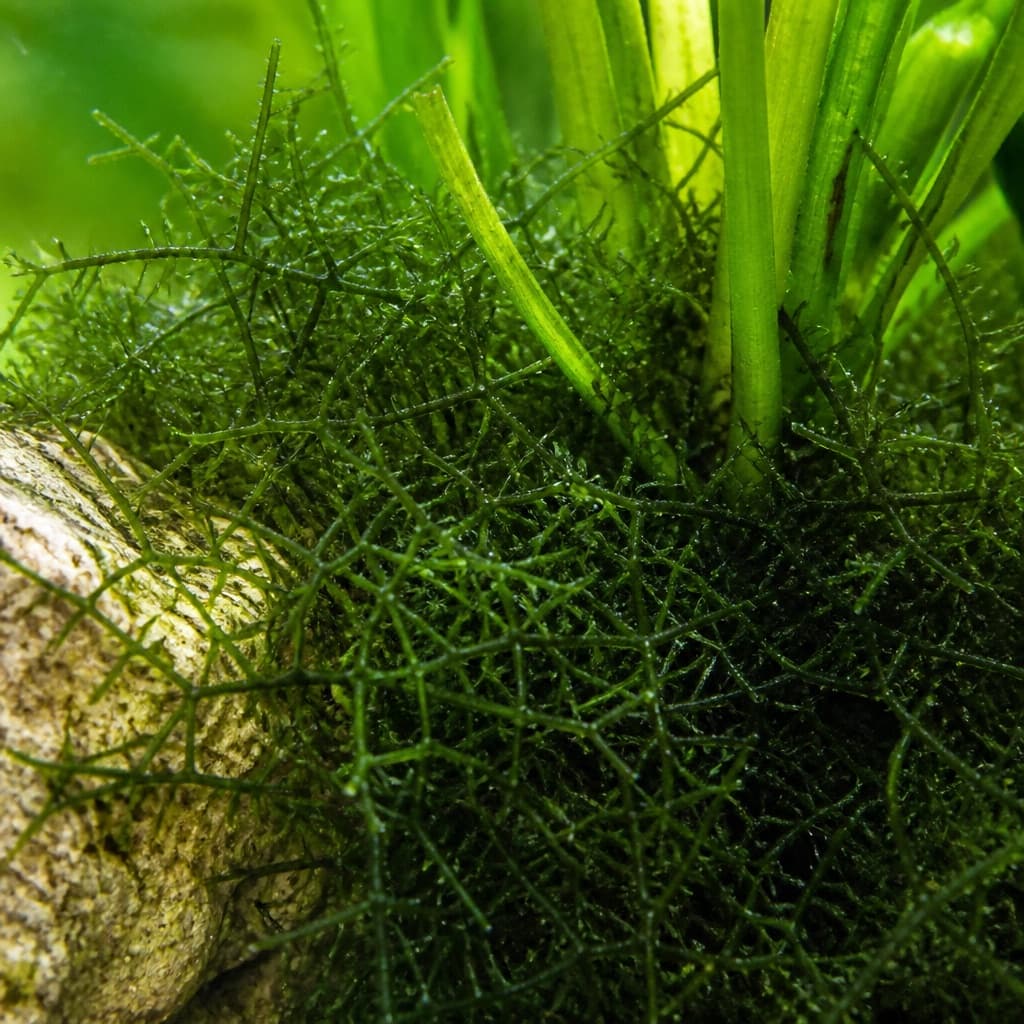
Cladophora (drahtiges grünes Geflecht): Bestimmung & Behandlung
Freshwater & BrackishEin zähes, dunkelgrünes Geflecht aus groben, verzweigten Fäden mit muffigem Geruch — steifer und drahtiger als weiche Fadenalgen.
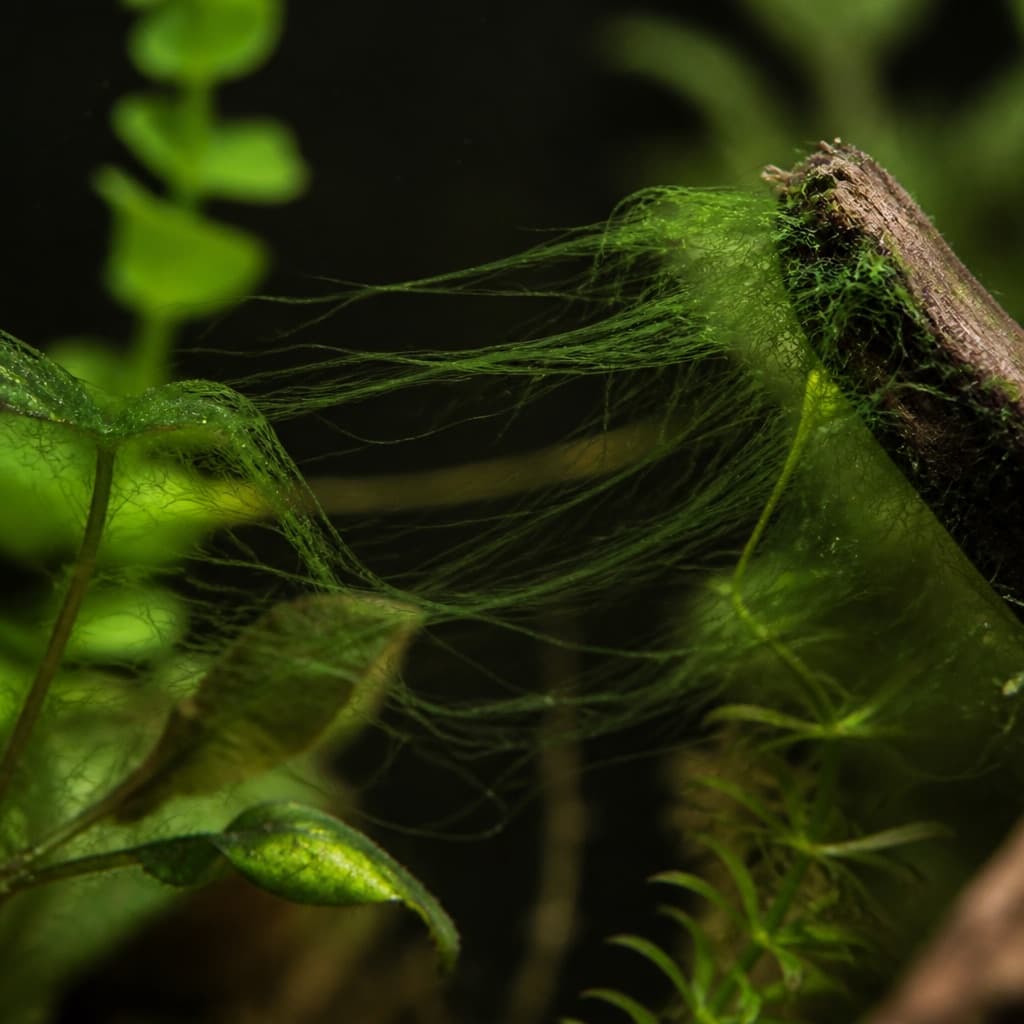
Fadenalgen: Bestimmung & Behandlung
FreshwaterLange grüne, schwarze oder rote Algenfäden an Pflanzen, Hardscape und Technik.

Grüner Flaum auf Pflanzen: Bestimmung & Behandlung
Freshwater & BrackishKurzer, flaumiger grüner Bewuchs an den Blatträndern — meist mit einem Ungleichgewicht bei Nährstoffen oder CO₂ verbunden.
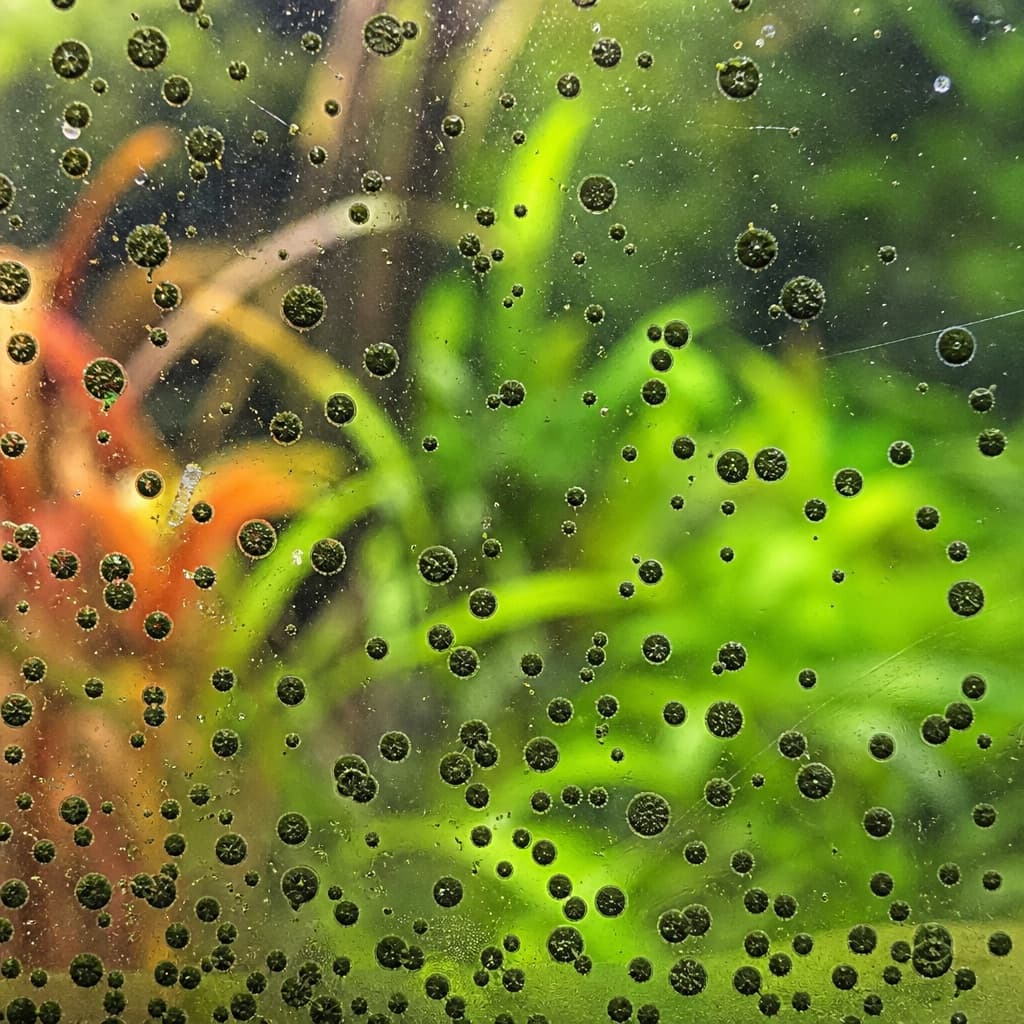
Grünpunktalgen: Bestimmung & Behandlung
FreshwaterHarte grüne Punkte auf Scheiben, langsam wachsenden Pflanzen und Dekoration — die sogenannte GSA (Green Spot Algae).

Grünstaub auf der Scheibe: Bestimmung & Behandlung
FreshwaterEin feiner, gleichmäßiger grüner Pulverfilm auf der Scheibe, der sich leicht abwischen lässt, aber binnen Tagen wiederkommt — Grünstaubalgen (GDA).
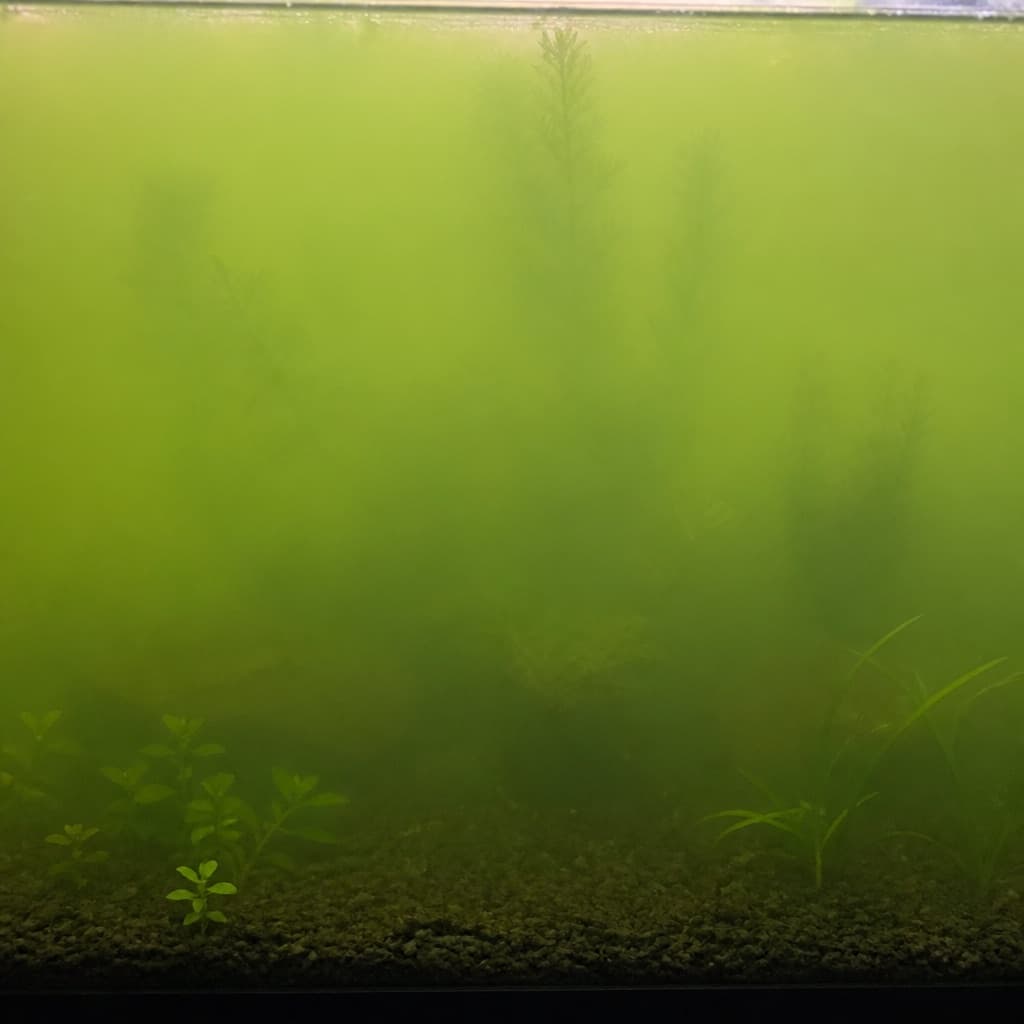
Grünwasser: Bestimmung & Behandlung
FreshwaterDas Wasser trübt sich grün ein — frei schwebende Algen (oft Chlorella oder Ähnliches) in der Wassersäule.
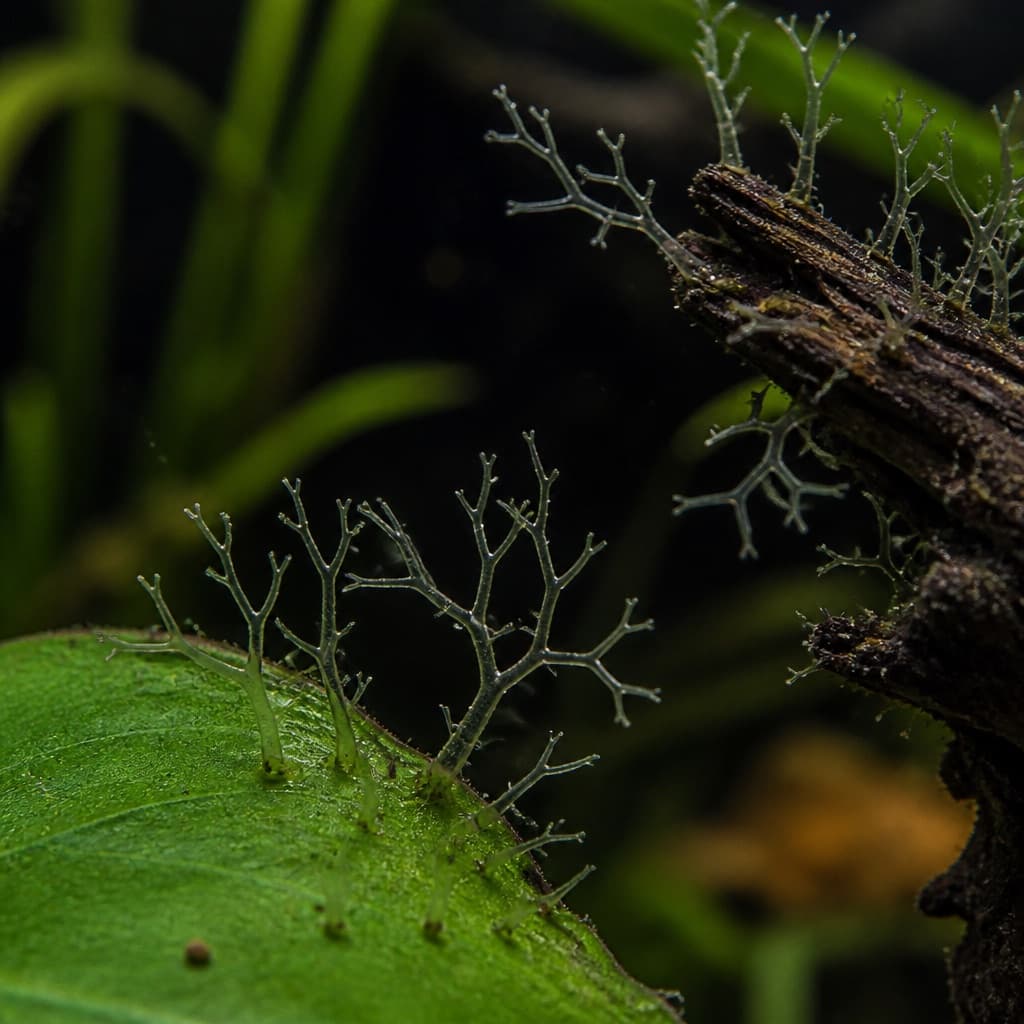
Pinselalgen (Staghorn): Bestimmung & Behandlung
Freshwater & BrackishVereinzelte graugrüne Fäden, die sich wie winzige Geweihe verzweigen, meist an Blatträndern und Hardscape — nah mit den Bartalgen verwandt.
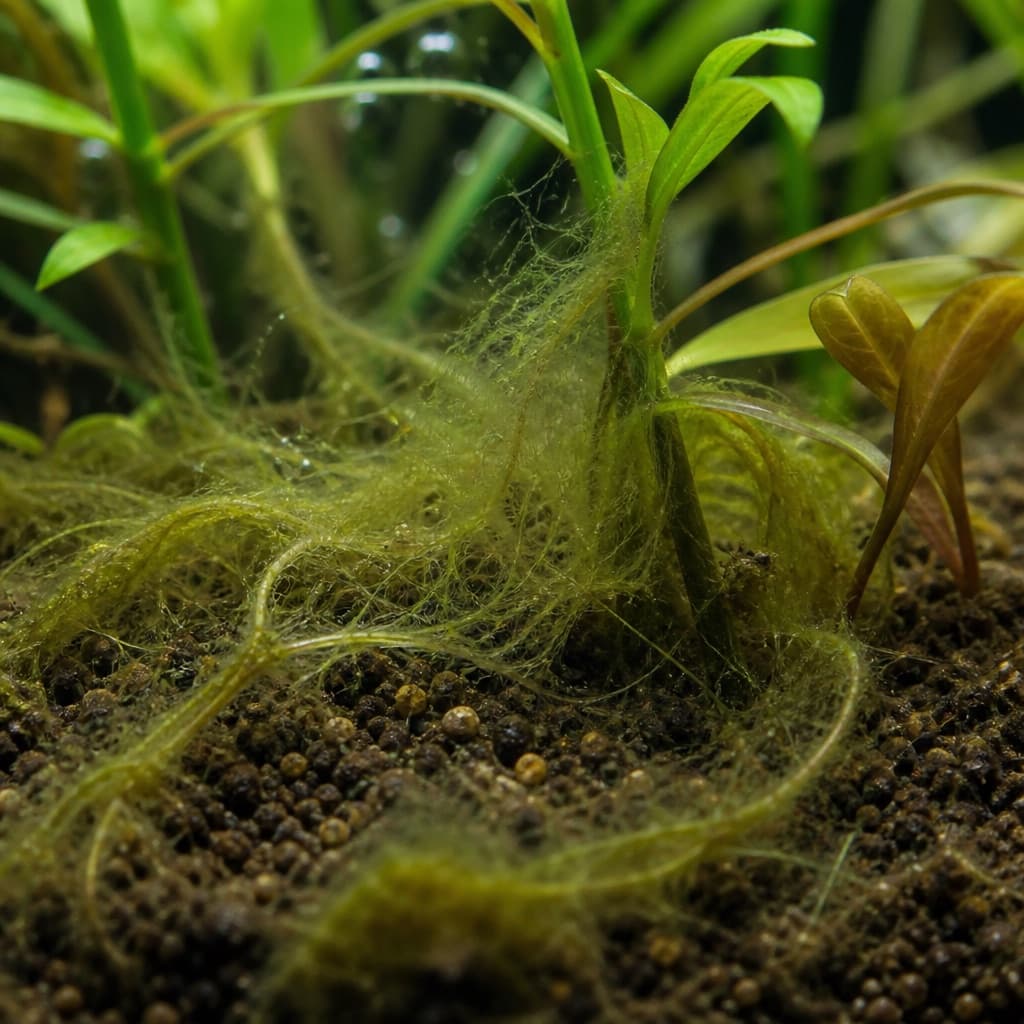
Schleimige, schlaffe Fäden: Bestimmung & Behandlung
Freshwater & BrackishSchlaffe, schleimige, blass grünbraune Fäden, die sich über Bodengrund und Pflanzenbasen legen — Rhizoclonium, typisch für junge oder unruhige Becken.










