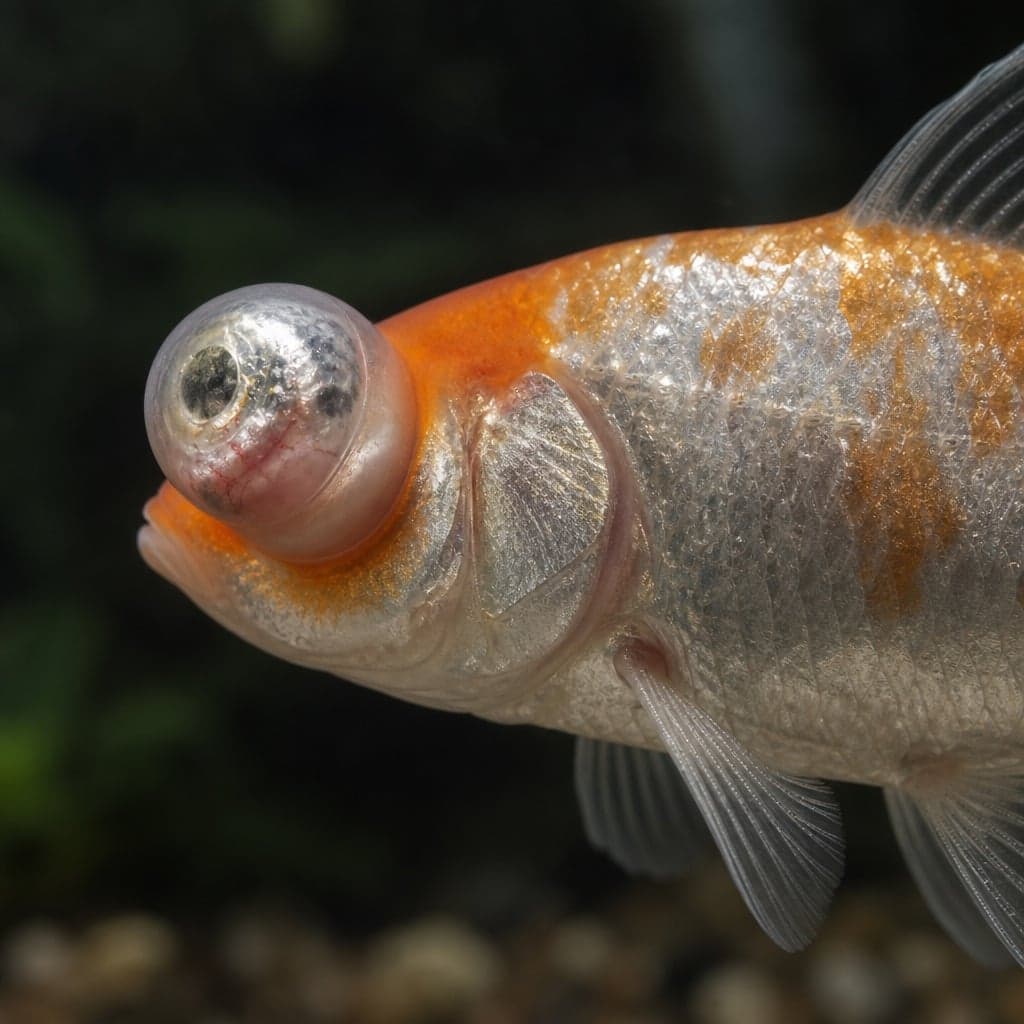
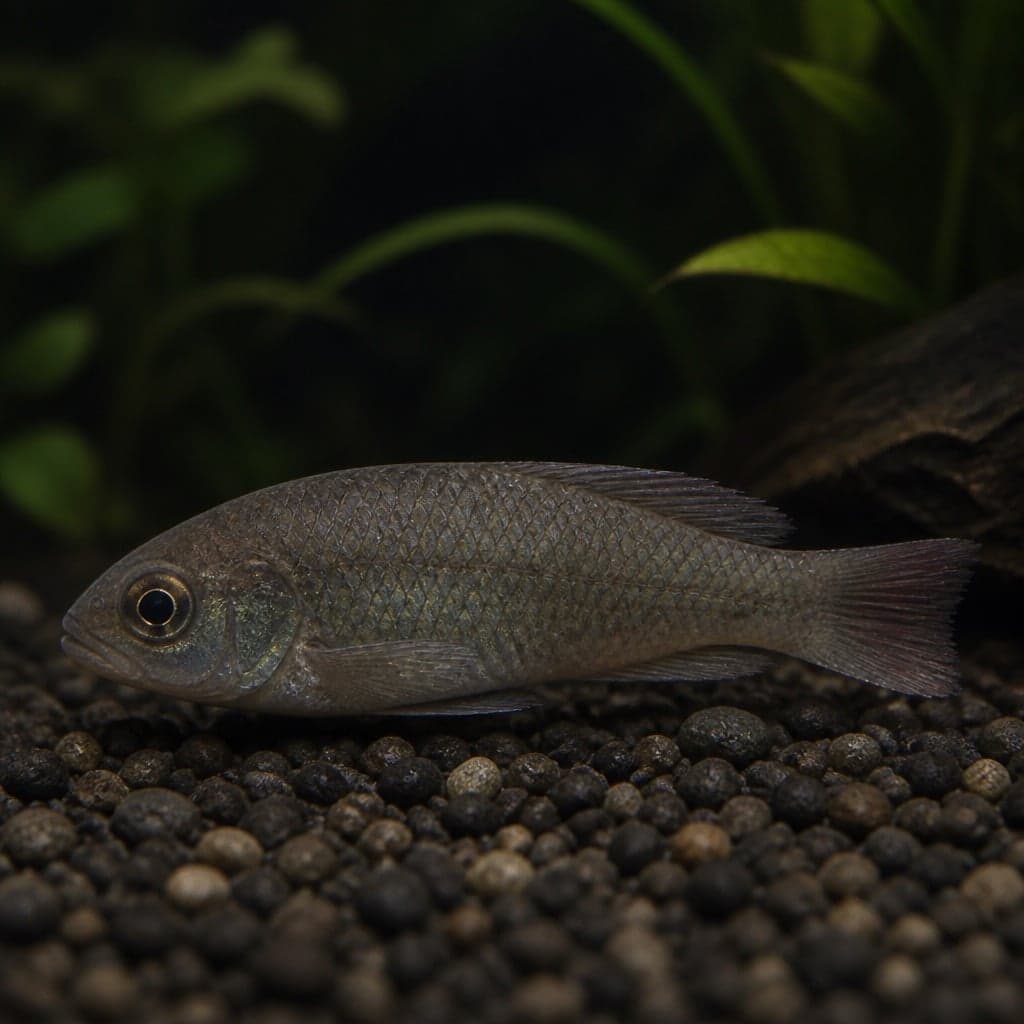
Olhos opacos: identificação e tratamento
Um ou os dois olhos ficam turvos ou esbranquiçados — pode indicar infecção, má qualidade da água ou lesão.
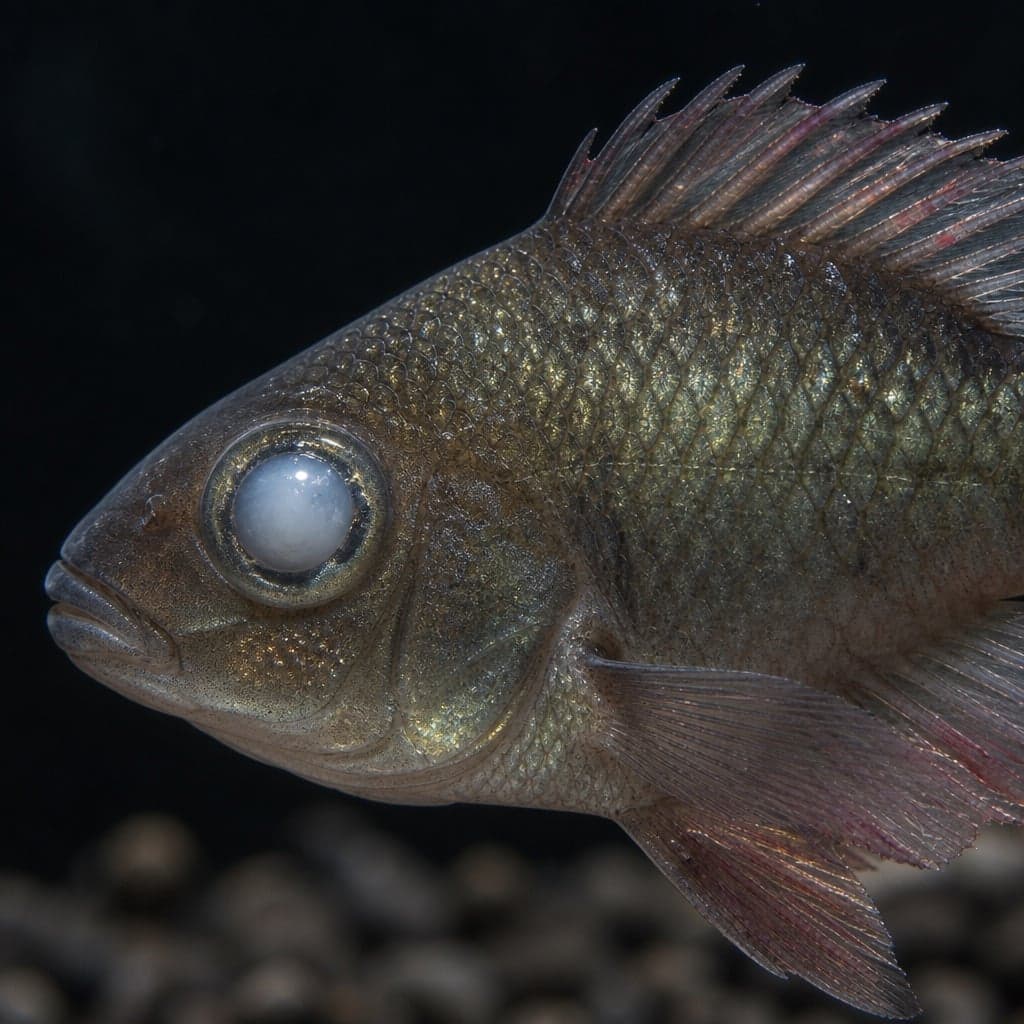
Olhos opacos
Um ou os dois olhos ficam turvos ou esbranquiçados — pode indicar infecção, má qualidade da água ou lesão. Compare seu peixe com a foto de referência acima e confira os parâmetros registrados no Rastreador de Aquário antes de medicar.
O que causa olhos opacos?
- Infecção bacteriana secundária a problemas de qualidade da água
- Lesão física ou manuseio brusco
- Deficiência de vitaminas em dieta pobre de longa data (menos comum)
- Infecção parasitária em alguns casos
O que verificar antes de medicar
| O que medir | Alvo típico | O que um valor fora do alvo indica |
|---|---|---|
| Amônia (NH₃/NH₄⁺) | 0 ppm | Qualquer valor acima de zero significa que o filtro biológico não está dando conta. É tóxica para os peixes muito antes de chegar a um nível que alimente algas. |
| Nitrito (NO₂⁻) | 0 ppm | Um valor acima de zero aponta para um filtro imaturo ou desestabilizado — comum após troca de mídia, medicação ou uma limpeza pesada. |
| Nitrato (NO₃⁻) | 5–20 ppm plantado · abaixo de 10 ppm em recife | Nitrato subindo indica mais resíduo entrando do que as trocas de água e as plantas exportam. Perto de zero em um aquário plantado, as plantas passam fome e as algas levam vantagem. |
| Temperatura | dentro da faixa da espécie, estável | Água mais quente retém menos oxigênio e acelera tanto o metabolismo quanto o crescimento de patógenos. Oscilações bruscas estressam mais que um valor estável em qualquer extremo. |
| pH | estável, dentro da faixa da sua espécie | A estabilidade importa mais que o número. Um pH que oscila costuma significar KH esgotado ou variação de CO₂, e não um problema de pH em si. |
| Lotação e companheiros | espécies compatíveis, grupos adequados | Cardumes pequenos demais, machos demais ou vizinhos agressivos produzem estresse crônico, que precede boa parte das doenças. |
Faça essas medições primeiro. Boa parte do que parece doença é um problema de qualidade da água, e medicar um aquário com amônia subindo trata o sintoma enquanto a causa continua agindo.
Passos do tratamento
- Teste e corrija amônia, nitrito e nitrato imediatamente
- Aumente a frequência das trocas de água e mantenha a temperatura estável
- Reveja a variedade da dieta e garanta que o alimento seja consumido em poucos minutos
- Isole se apenas um peixe estiver afetado e o quadro piorar
- Busque orientação especializada se a opacidade se espalhar ou o peixe parar de comer
Prevenção
- Mantenha amônia e nitrito zerados — a maioria dos problemas bacterianos e fúngicos vem de uma falha na qualidade da água, e não de fora
- Retire decoração pontiaguda e resolva casos de agressão; essas condições se instalam em tecido danificado
- Evite superlotação; aglomeração aumenta resíduo e estresse ao mesmo tempo
- Ofereça só o que for consumido em poucos minutos e retire o resto
Perguntas frequentes
Olhos opacos: isso é contagioso para os outros peixes?
Não diretamente, mas a qualidade da água ou o risco de lesão por trás disso costuma valer para o aquário inteiro.
Com que rapidez preciso agir?
Aja em um ou dois dias. A maioria das condições é bem mais fácil de reverter cedo, e um peixe que parou de comer normalmente já está doente há mais tempo do que aparenta.
Devo tratar no aquário principal ou em um aquário-hospital?
Um aquário-hospital separado é preferível quando o peixe está bem o bastante para ser movido: as doses são mais fáceis de controlar e muitos medicamentos prejudicam invertebrados, plantas ou o filtro biológico. Trate no aquário principal só quando todo o aquário estiver afetado ou quando mover o peixe causar mais estresse do que o tratamento alivia.
Guias relacionados
- Olho saltado (exoftalmia) — facilmente confundido com isto
- Podridão das barbatanas — facilmente confundido com isto
- Todos os sintomas, lado a lado — se você não tem certeza do que está vendo
- Protocolo de quarentena — a origem da maioria dos surtos
- Como escolher um kit de teste — para as medições acima