Optimal CO2 Drop Checker Guide: Tips & Solutions
Discover how to optimize CO2 levels in your aquarium with a drop checker. Learn about the 4 dKH solution, placement, and troubleshooting tips.
CO2 Drop Checker Guide: 4 dKH Solution, Placement, and Troubleshooting
Aquascaping merges the beauty of nature with creativity, crafting serene underwater landscapes. A key challenge in this hobby is maintaining adequate carbon dioxide (CO2) levels in your planted aquarium. Since plants depend on CO2 for photosynthesis, keeping the right CO2 balance is crucial for their health. This is where a CO2 drop checker proves invaluable. It's a simple yet effective tool that helps you monitor CO2 levels to promote vibrant plant growth. In this guide, we'll explore the ins and outs of using a CO2 drop checker, focusing on the importance of the 4 dKH solution, placement strategies, solving common problems, and more.
What is a CO2 Drop Checker?
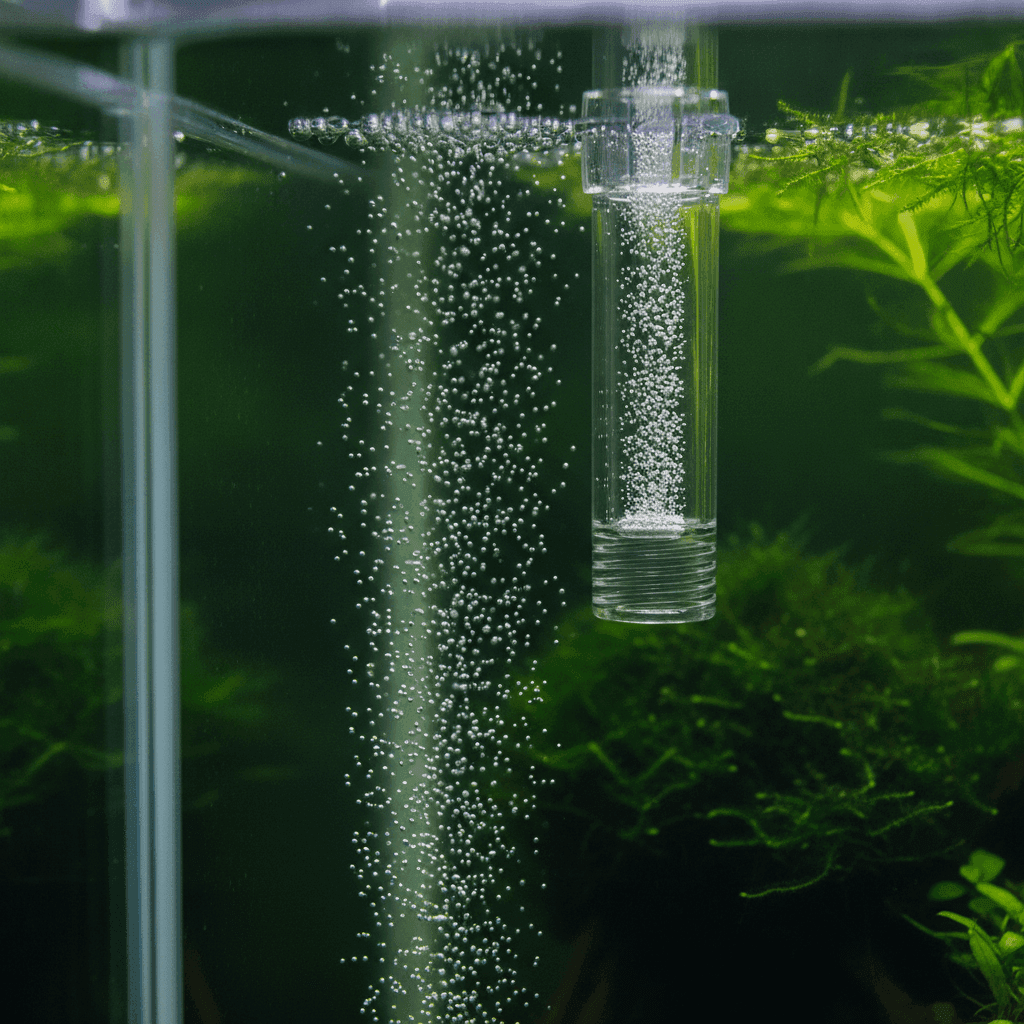
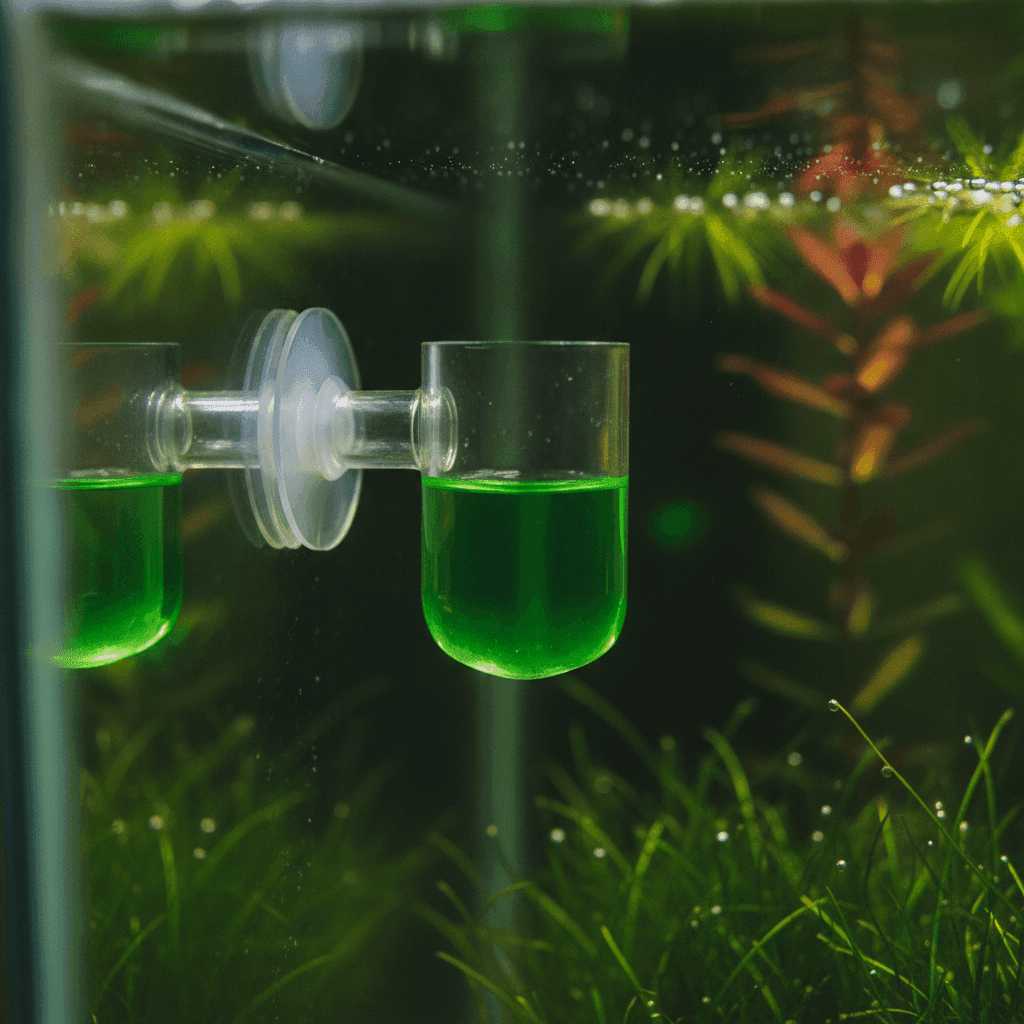
A CO2 drop checker is a straightforward device used to measure CO2 levels in aquarium water. It's typically made from glass or acrylic, resembling a small bulb or dome. Inside, a 4 dKH solution mixed with a pH indicator changes color to show CO2 concentration.
Maintaining the right CO2 balance is crucial in aquascaping, and the drop checker is an essential tool for this. It uses color changes to indicate whether your CO2 levels are too low, optimal, or too high, helping you adjust your CO2 inputs for healthier plant growth and a thriving aquarium environment.
The Importance of 4 dKH Solution
The 4 dKH solution is crucial for effective drop checker usage. Specifically formulated for accurate CO2 measurement, this solution reacts with diffused CO2 to change the pH indicator's color. This color change signifies whether the CO2 levels are optimal.
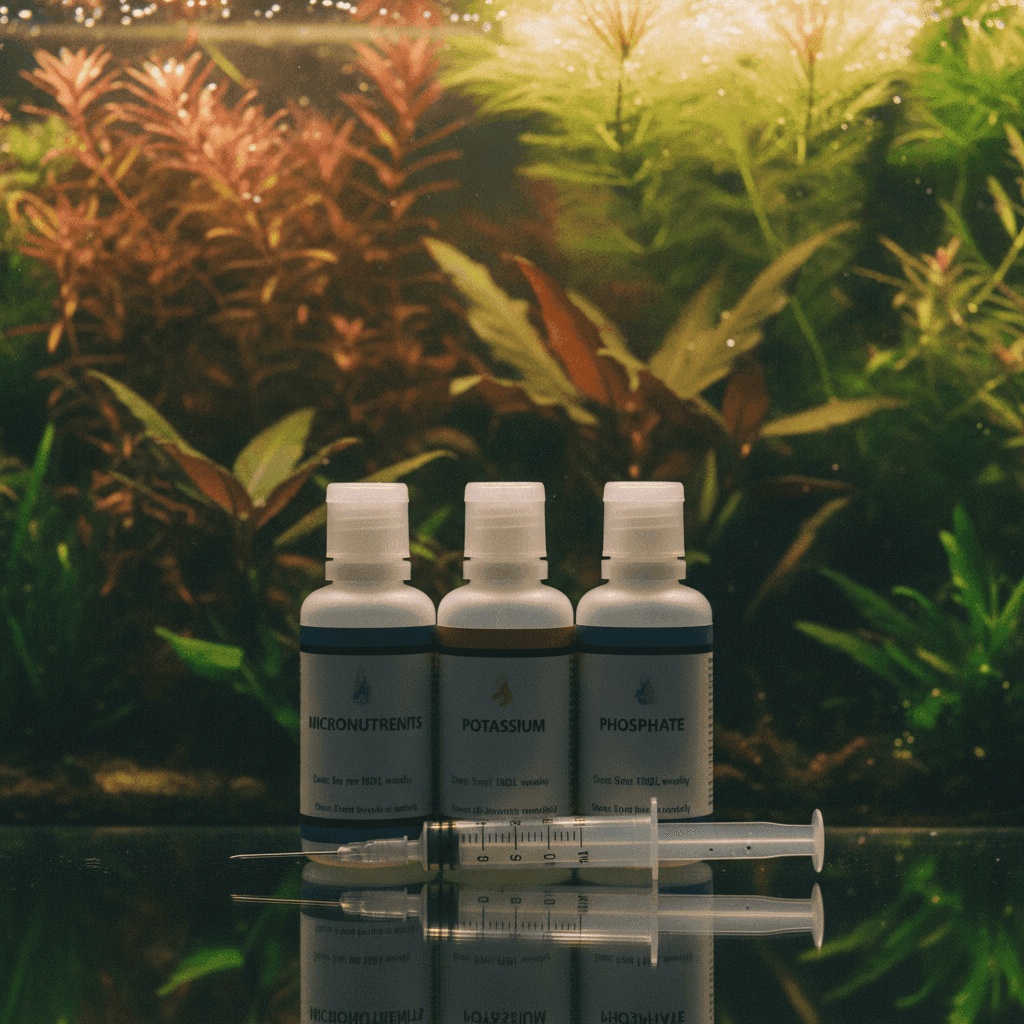
A 4 dKH solution ensures unbiased readings, unaffected by other water parameters like hardness. You can buy pre-made solutions or mix your own by combining distilled water with baking soda until you achieve the correct hardness.
Direct Answers to Common Questions
What should the color be?
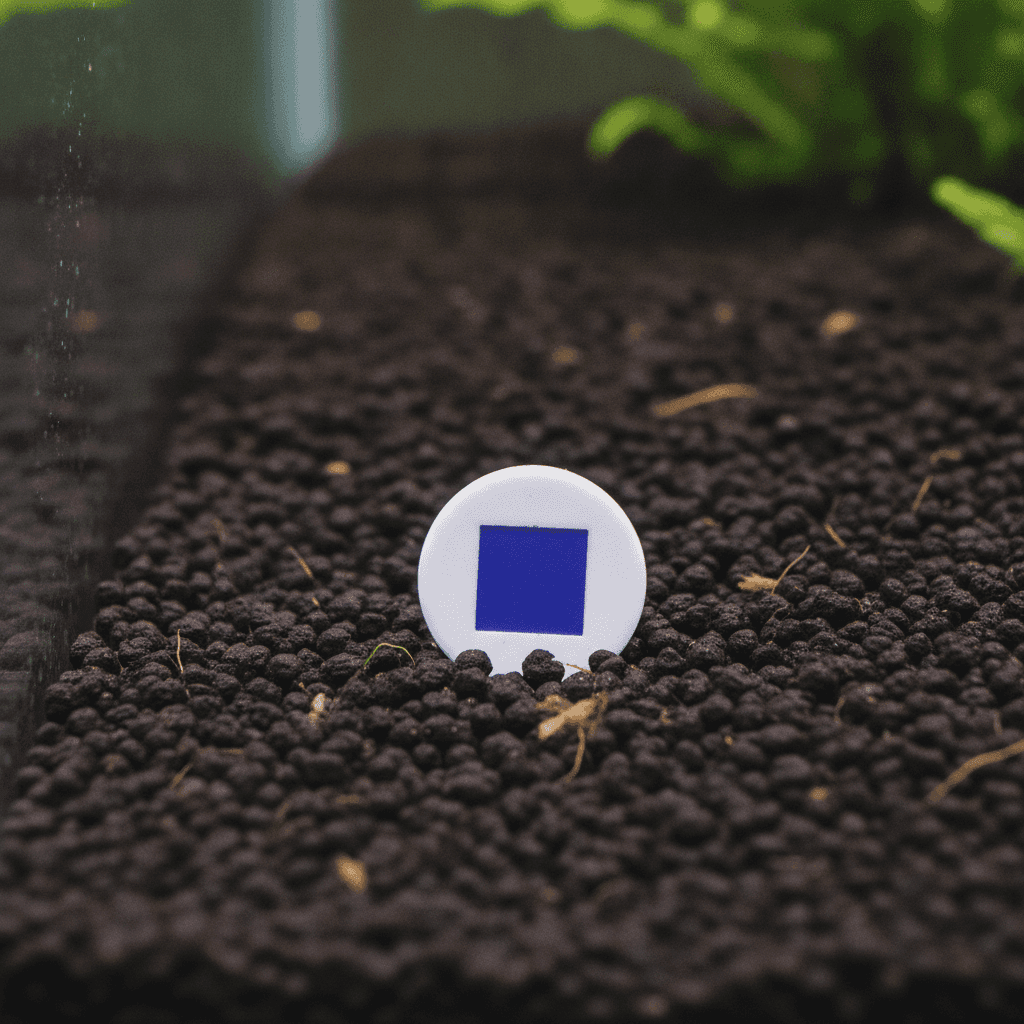
Your drop checker should ideally show a light green color, indicating an optimal CO2 concentration of around 30 ppm (parts per million). A blue color hints at low CO2 levels, while yellow indicates too much CO2, which could harm plants and fish.
Why is my drop checker always green?
If your drop checker remains green, your CO2 levels are likely consistent. However, if you question its accuracy, check that the solution is fresh and the placement is correct to rule out any factors affecting the reading.
How frequently should the solution be changed?
It's best to change the solution in your drop checker every two to four weeks. Over time, the solution can degrade or get contaminated, leading to inaccurate readings.
Setting Up Your CO2 Drop Checker: Step-by-Step Guide
Materials Needed
- CO2 drop checker (glass or acrylic)
- 4 dKH solution
- pH indicator solution
- Dropper
- Suction cup for mounting
Procedure
-
Prepare the Solution: In a separate container, mix a bit of 4 dKH solution with a few drops of a pH indicator until you get the desired color.
-
Fill the Drop Checker: Use a dropper to fill about one-third of the drop checker with the prepared solution. Avoid filling it too much.
-
Install the Drop Checker: Secure the drop checker to a suction cup and place it in the aquarium where it can interact well with the water.
-
Observe: Position the drop checker in the tank and allow several hours for the initial readings to stabilize.
Optimal Placement of a Drop Checker
Proper placement of your drop checker is key to accurate CO2 readings. Ideally, it should be:
- Away from direct CO2 injection points to prevent skewed results.
- In an area with good water flow for a true sample of the tank's CO2 levels.
- Positioned in the middle or lower section of the tank, that aligns with average CO2 distribution among plants.
Avoid placing the drop checker in stagnant areas or too high in the tank where readings might not represent the tank’s environment accurately.
Troubleshooting Common Drop Checker Issues
Drop Checker Always Green: What Does It Mean?
A consistently green checker typically signals stable CO2 levels. However, if your plants aren't thriving, consider examining other factors like nutrient levels and light intensity.
How to Resolve Issues with Color Change
If there are no color changes, ensure:
- The solution is fresh and correctly mixed.
- Proper placement for good water circulation.
- Consider the amount and distribution of injected CO2.
Tank lighting and temperature can also impact readings and should be consistent with your aquarium’s needs to avoid misleading results.
Common Mistakes to Avoid
-
Not Changing the Solution Regularly: Outdated solutions can lead to inaccurate readings.
-
Incorrect Placement: Improper placement can misrepresent true CO2 distribution, causing inappropriate adjustments.
-
Ignoring pH Levels: Since readings are based on pH changes, consistently monitoring pH levels is essential.
Optimizing CO2 Levels for Healthy Plant Growth
Achieving balanced CO2 levels is crucial for vibrant plant growth in your aquarium. It's not only essential for photosynthesis but also helps prevent algae by providing plants with their needed nutrients. Always monitor CO2 levels carefully to avoid harming aquatic life, and use a well-maintained drop checker to keep your ecosystem flourishing.
Maintaining Your CO2 Drop Checker for Optimal Aquarium Health
To ensure your aquarium thrives, regular CO2 monitoring with a drop checker is vital. Understanding the 4 dKH solution, strategic placement, and addressing common issues will help your aquatic setting flourish. Keep your solution fresh, position your drop checker wisely, and stay aware of your aquarium's conditions to achieve the best results.
FAQ
How often should I change the drop checker solution?
Change your drop checker solution every two to four weeks to ensure accurate readings and prevent issues from solution degradation.
Why is my CO2 drop checker not changing color?
Check that your 4 dKH and pH indicator solutions are correctly mixed, fresh, and that your drop checker is positioned correctly. Poor circulation or expired solutions can impede color changes.
Can I use other KH solutions besides 4 dKH?
While other KH solutions can be used, 4 dKH is standard for ensuring accurate readings. Different KH levels may affect pH sensitivity and lead to incorrect CO2 measurements.
Does the size of the drop checker matter?
While size might affect response time, it generally doesn’t impact accuracy. Choose a size that fits well in your tank and suits your aesthetic preferences.
How can I test the accuracy of my drop checker?
To verify accuracy, compare your drop checker’s reading with a reliable CO2 testing kit or manually check the tank’s pH and KH. Adjust your setup based on these evaluations.