Hardscaping
Showing 36 of 36 items

Bogwood
Bogwood is a natural hardscape material used in biotope and aquascaping setups.

Calcareous substrate
Calcareous substrate is a natural hardscape material used in biotope and aquascaping setups.
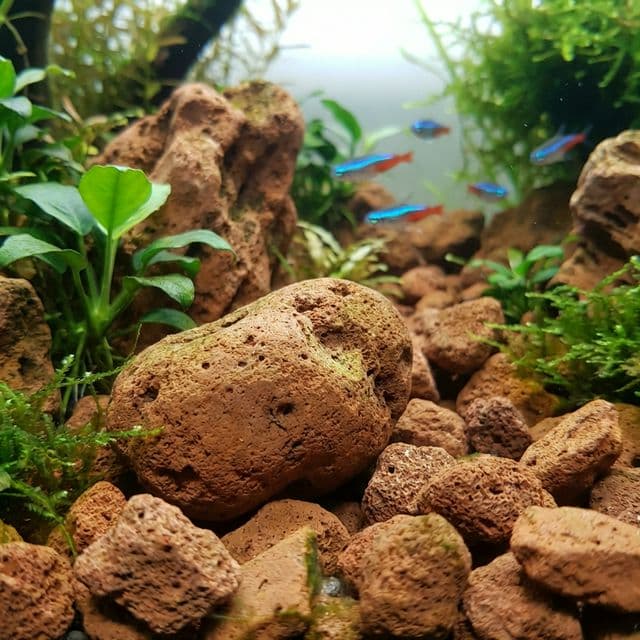
Clay
Clay is a natural hardscape material used in biotope and aquascaping setups.

Dark silt substrate
Dark silt substrate is a natural hardscape material used in biotope and aquascaping setups.

Driftwood
Driftwood is a natural hardscape material used in biotope and aquascaping setups.
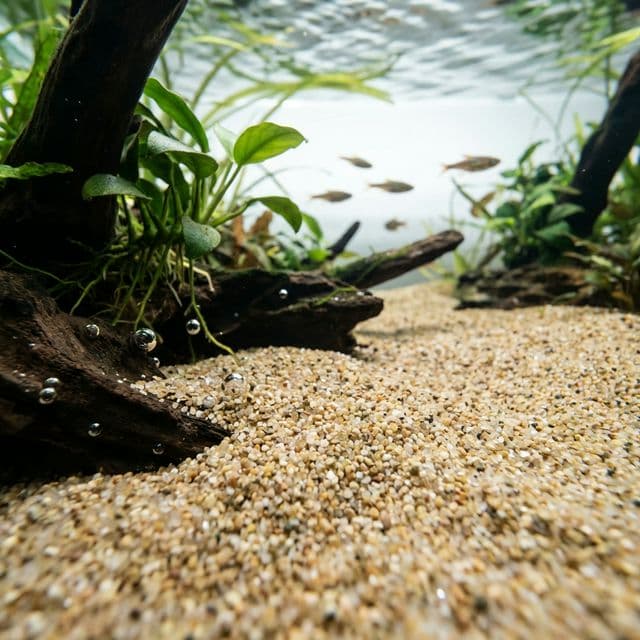
Fine sand
Fine sand is a natural hardscape material used in biotope and aquascaping setups.
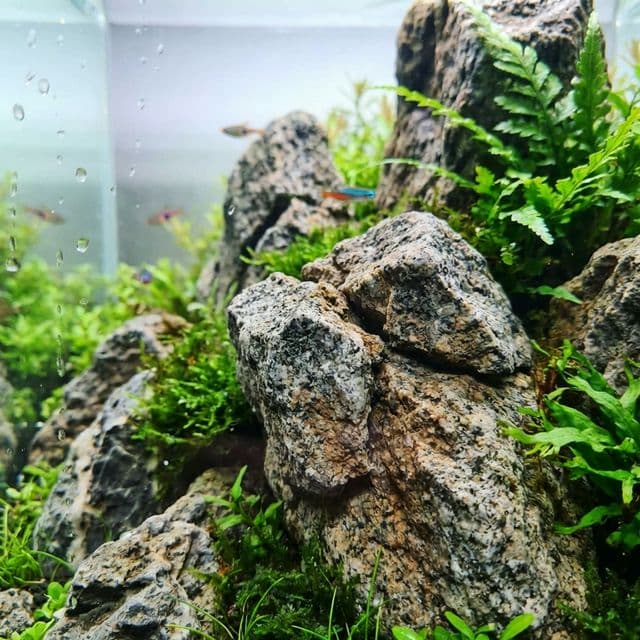
Granite rocks
Granite rocks is a natural hardscape material used in biotope and aquascaping setups.
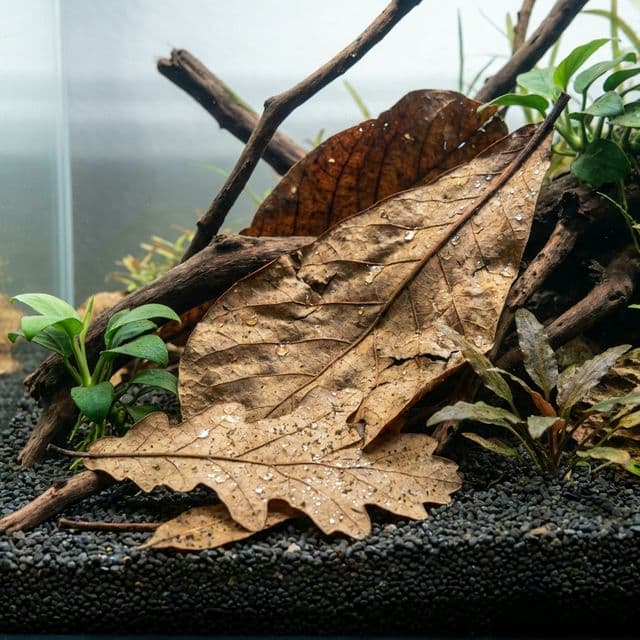
Leaf litter
Leaf litter is a natural hardscape material used in biotope and aquascaping setups.

Limestone rocks
Limestone rocks is a natural hardscape material used in biotope and aquascaping setups.

Peat moss substrate
Peat moss substrate is a natural hardscape material used in biotope and aquascaping setups.
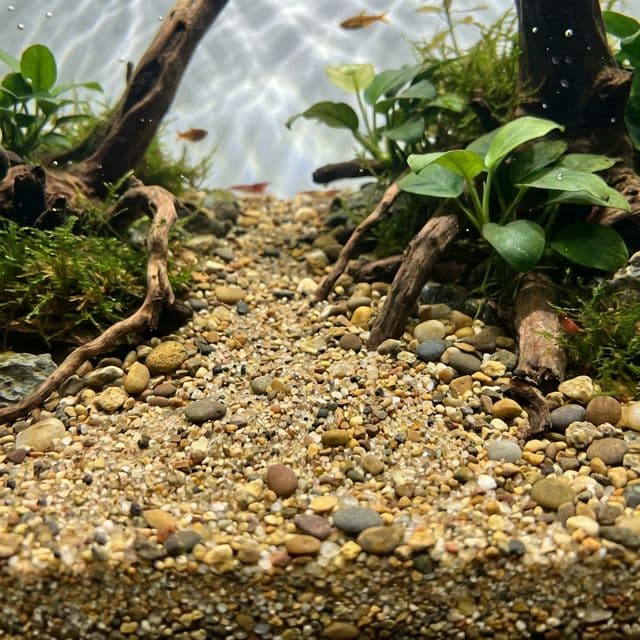
Sand and gravel mix
Sand and gravel mix is a natural hardscape material used in biotope and aquascaping setups.

Sand
Sand is a natural hardscape material used in biotope and aquascaping setups.

Organic Potting Soil: The Walstad Method
Using regular potting soil capped with sand. The cheapest and often most effective way to grow plants (The "Dirted Tank").
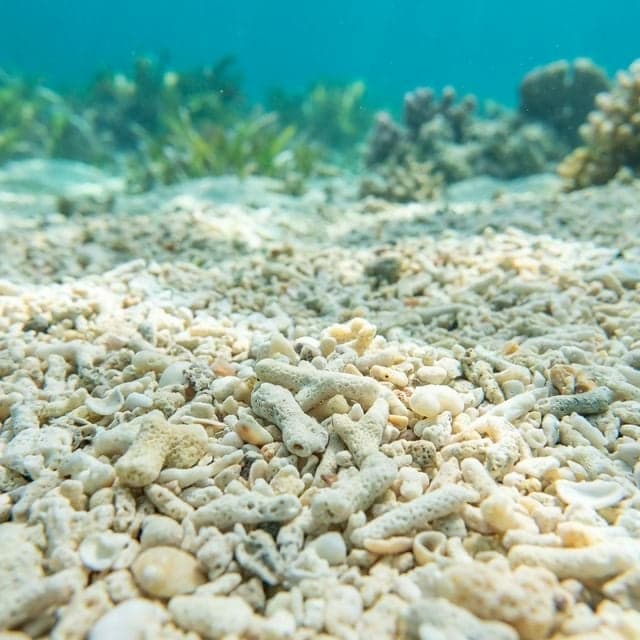
Crushed Coral: The pH Buffer
A functional substrate made of calcium carbonate. Used to raise pH and KH for African Cichlids and Livebearers.
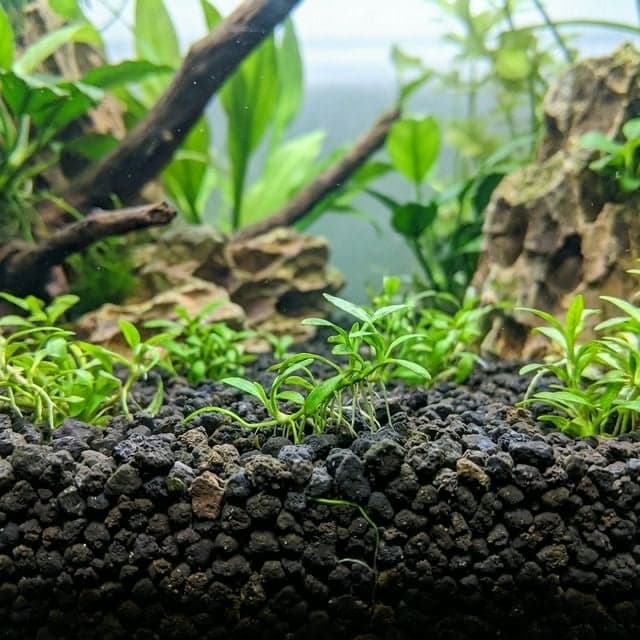
Flourite: The Clay Classic
Seachem Flourite is a porous clay gravel. It is not an active soil (doesn't lower pH) but holds nutrients well.
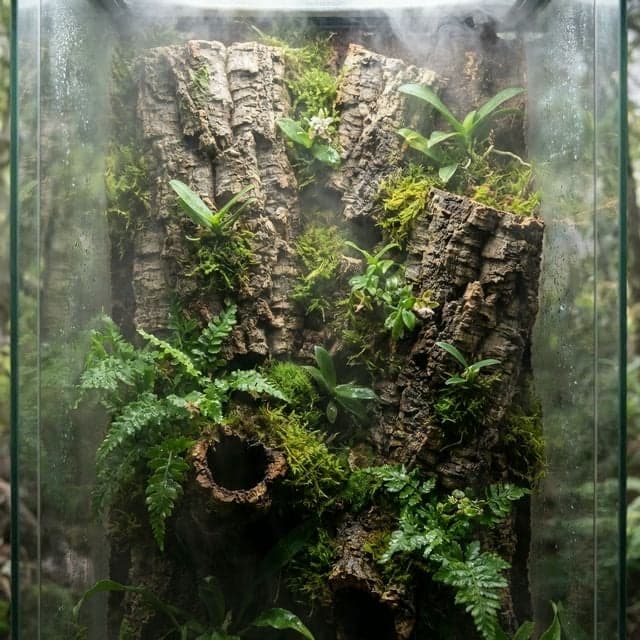
Cork Bark: The Floating Background
The buoyant bark of the Cork Oak. Used primarily for terrarium backgrounds or floating islands.
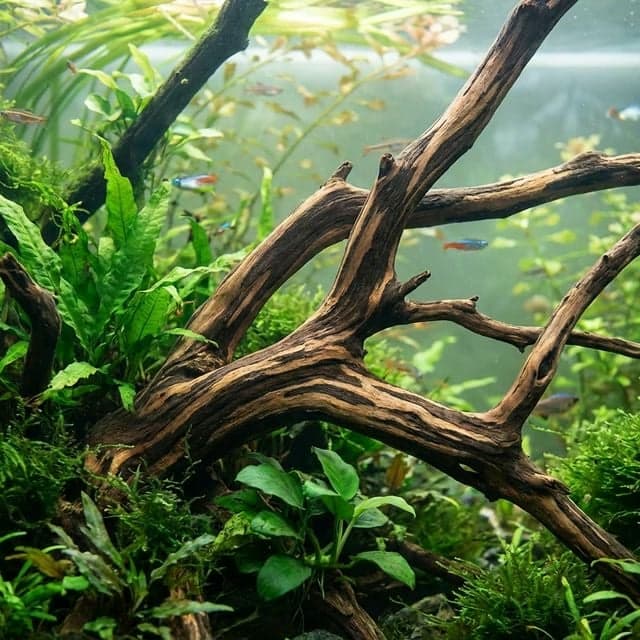
Tiger Wood: Branching Detail
A heavily branched wood often used as an alternative to Spider Wood. Pale color with darker knots.

Cholla Wood: The Shrimp Hotel
The dried skeleton of the Cholla cactus. Hollow, holey, and soft. The #1 wood choice for shrimp tanks.
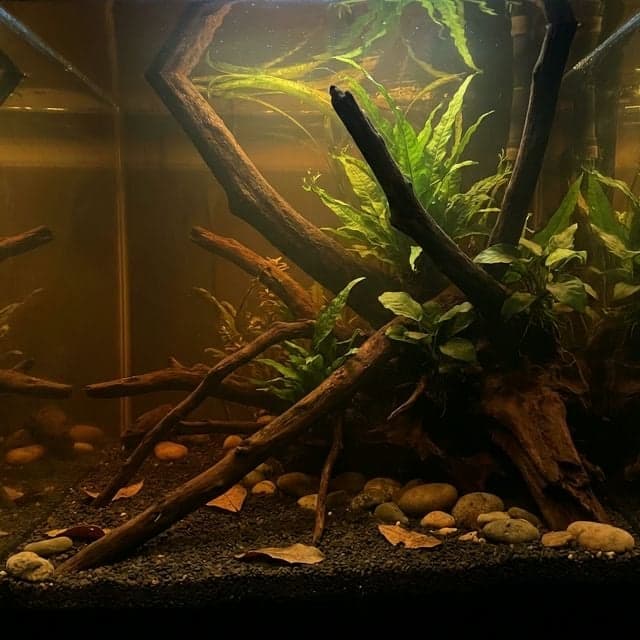
Malaysian Driftwood: The Sinker
A dense, dark, heavy wood that sinks immediately. Releases beneficial tannins and is virtually rot-proof.

River Stone: The Smooth Rounded Pebble
Naturally tumbled, smooth stones found in riverbeds. Essential for biotope aquariums (Hillstream, Rio Xingu).
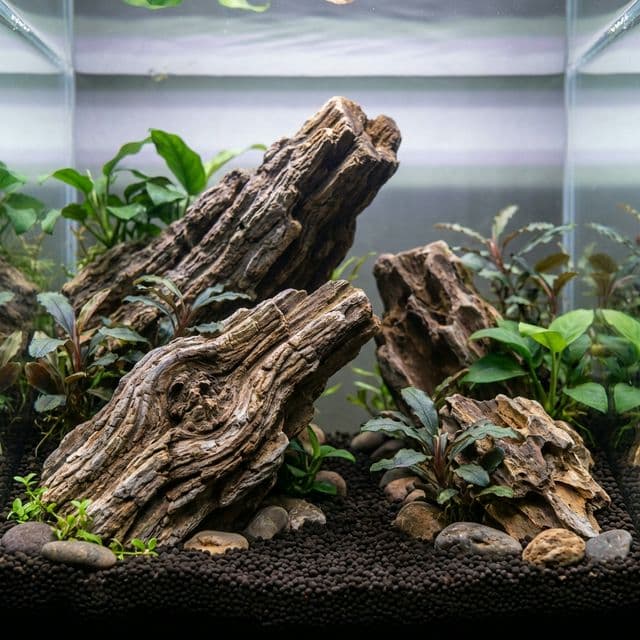
Petrified Wood: Ancient Fossils
Actual wood turned into stone over millions of years. Offers the texture of bark with the weight and permanence of rock.

Slate: The Flat Classic
A metamorphic rock known for being flat, dark, and mostly inert. Ideal for creating caves, steps, and retaining walls.
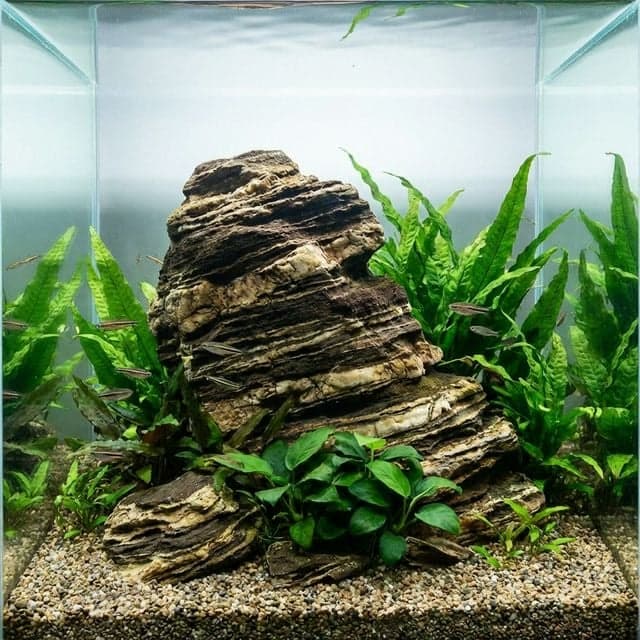
Pagoda Stone: The Layered Canyon
A sedimentary rock with distinct alternating layers of brown and orange clay. Resembles miniature canyons or pagodas.

Dragon Stone (Ohko Stone)
Detailed specification and application guide for Ohko Stone in freshwater aquariums.

Lava Rock: The Biological Powerhouse
Lava Rock is more than just a budget filler. Discover its biological filtration benefits, usage as a base layer, and how it contrasts in high-tech aquascapes.
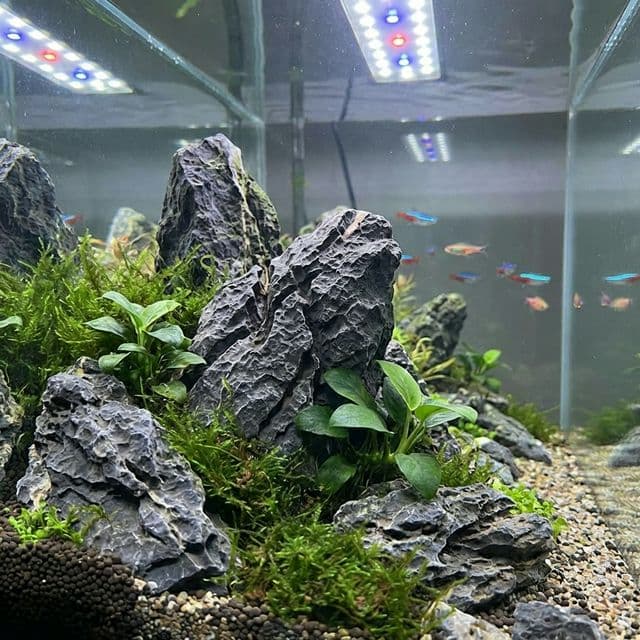
Elephant Skin Stone: The Textural Wonder
A guide to Elephant Skin Stone (Seegebirge). Learn why its weathered texture is perfect for creating aged, natural aquascapes.
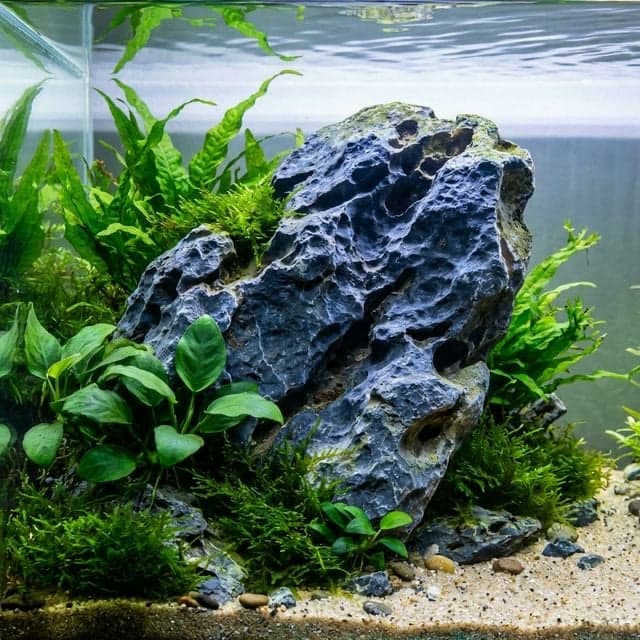
Hakkai Stone: The Rare Gem
Discover the premium Hakkai Stone (Pa-Hai). A rare, river-worn stone from Japan valued for its unique pockmarked texture and inert chemistry.
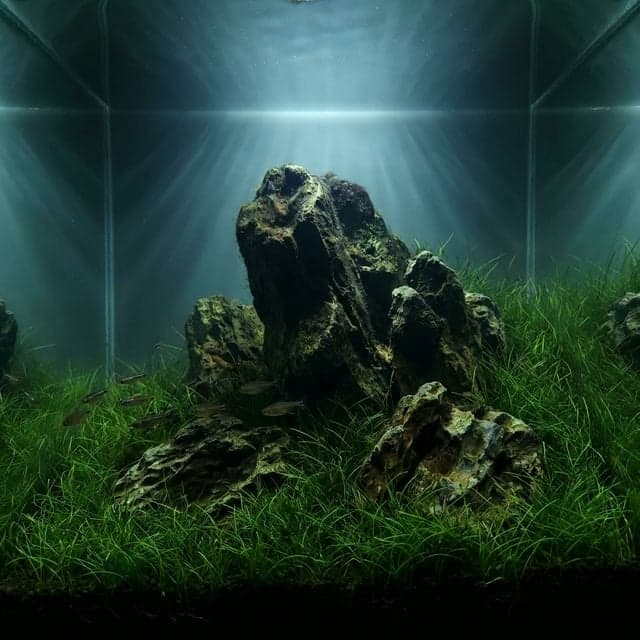
Frodo Stone: The Ancient Landscape
Explore Frodo Stone (Ancient Stone), a highly textured hardscape material perfect for diorama-style aquascapes and forest layouts.
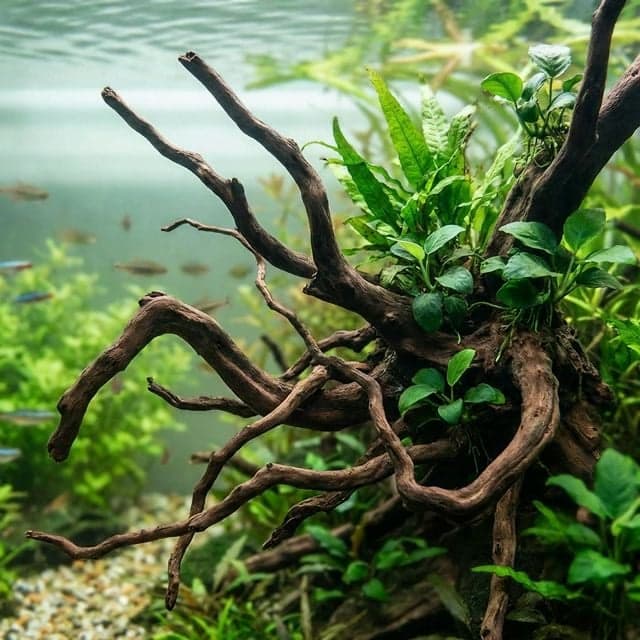
Spider Wood: The Branchy Favorite
A complete guide to Spider Wood (Azalea Root). Perfect for detailed nature aquariums, moss trees, and creating intricate depth.
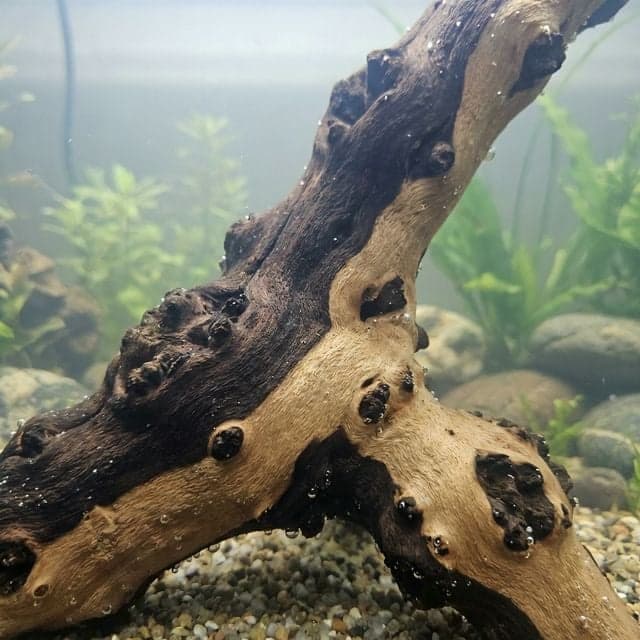
Mopani Wood: The Heavyweight
Mopani Wood is a dense, two-toned African hardwood. Learn about its heavy tannin release and use in blackwater or low-tech setups.
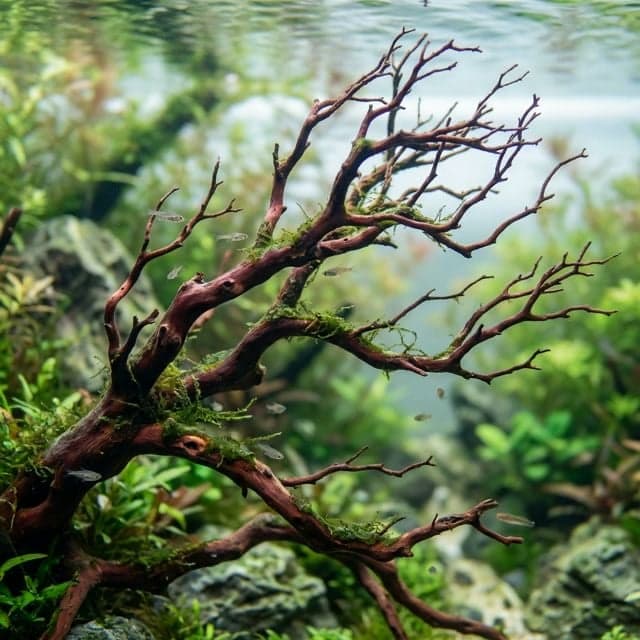
Manzanita Wood: The Elegant Hardwood
Discover Manzanita Wood, a premium hardwood from the USA known for its durability, elegant branching, and rot resistance.
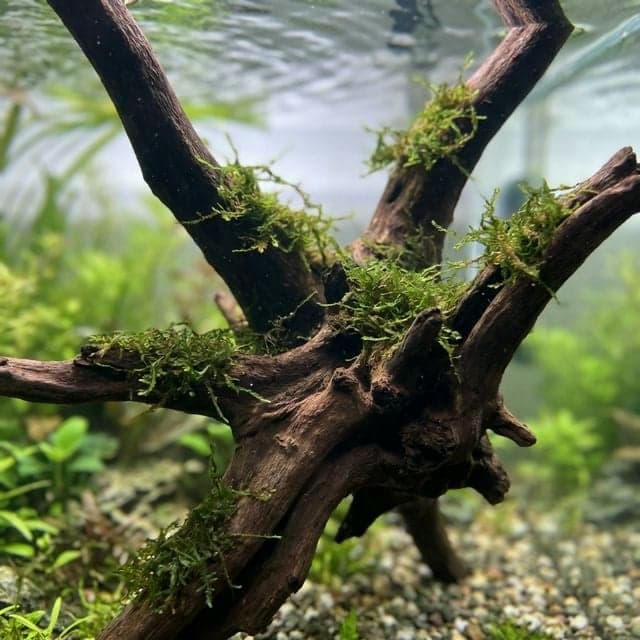
Horn Wood: The Dark Iron
Horn Wood (Iron Wood) is a dense, heavy driftwood that sinks instantly. Perfect for creating dramatic, dark skeletons in planted tanks.
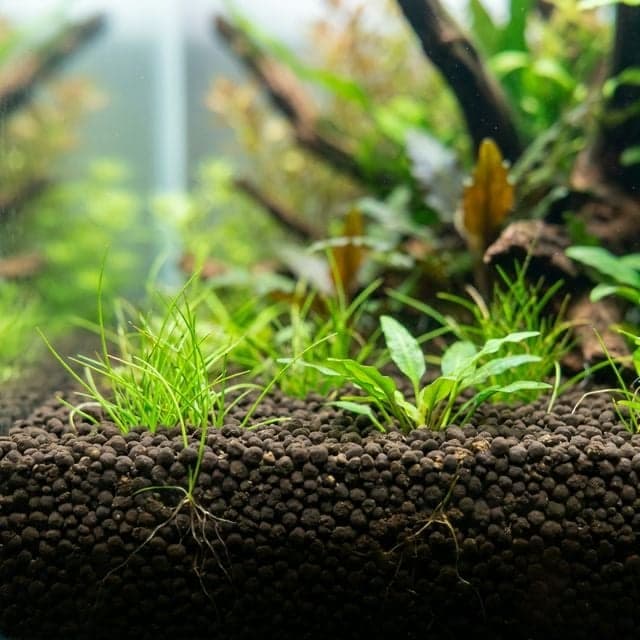
Aquasoil: The Plant Whisperer
Understand active aquasoil: the gold standard substrate for planted tanks. Learn about handling ammonia spikes and its pH buffering capabilities.
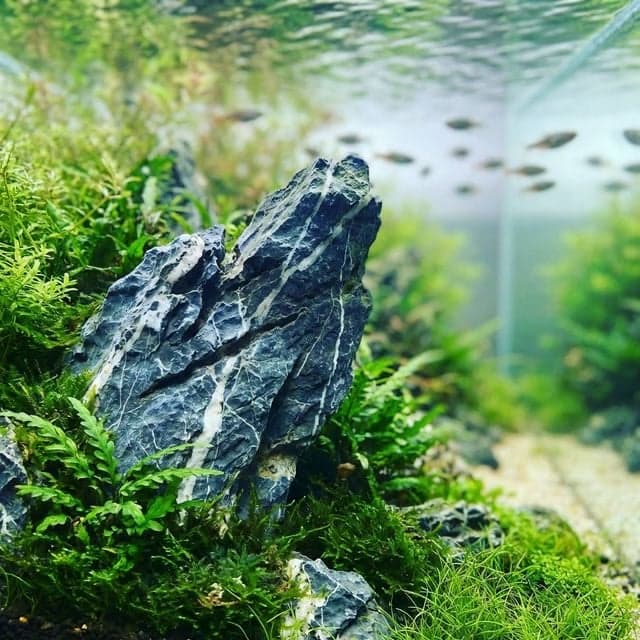
Seiryu Stone: The King of Aquascaping Rocks
The definitive guide to Seiryu Stone. Understand why this limestone rock is the top choice for Iwagumi layouts and how to manage its effect on water chemistry.
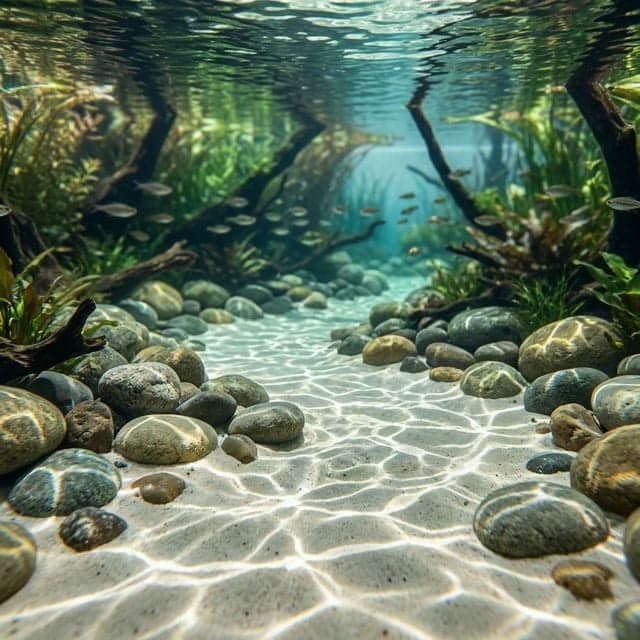
Cosmetic Sand: The Bright Contrast
Cosmetic sand adds negative space and contrast to aquascapes. Learn how to maintain it and use it effectively in your layouts.
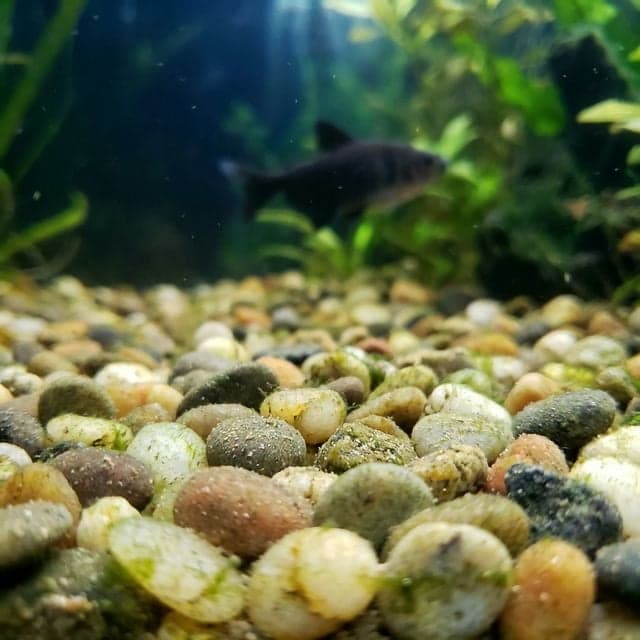
Gravel: The Reliable Classic
Before high-tech soils, there was gravel. Learn why this inert, reliable substrate is still a great choice for beginner and fish-focused tanks.










