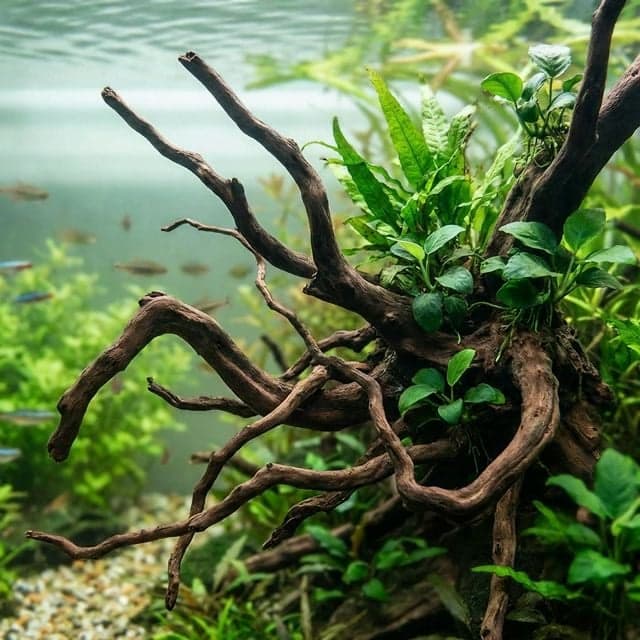
Cork Bark: The Floating Background
The buoyant bark of the Cork Oak. Used primarily for terrarium backgrounds or floating islands.
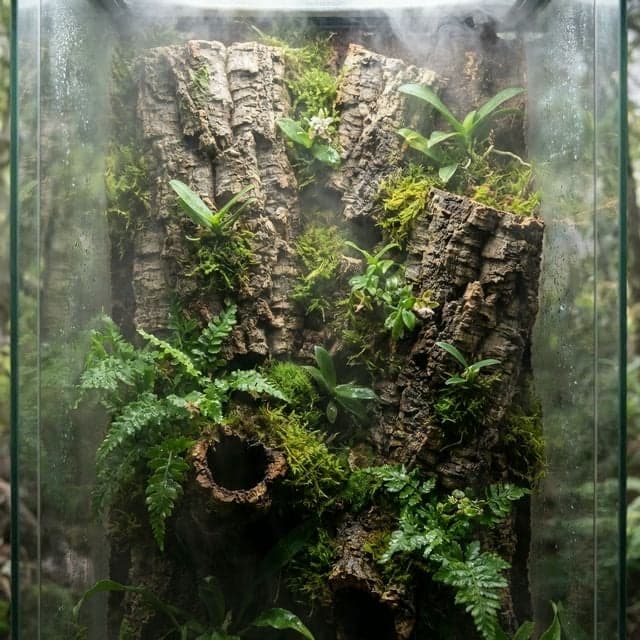
Cork Bark
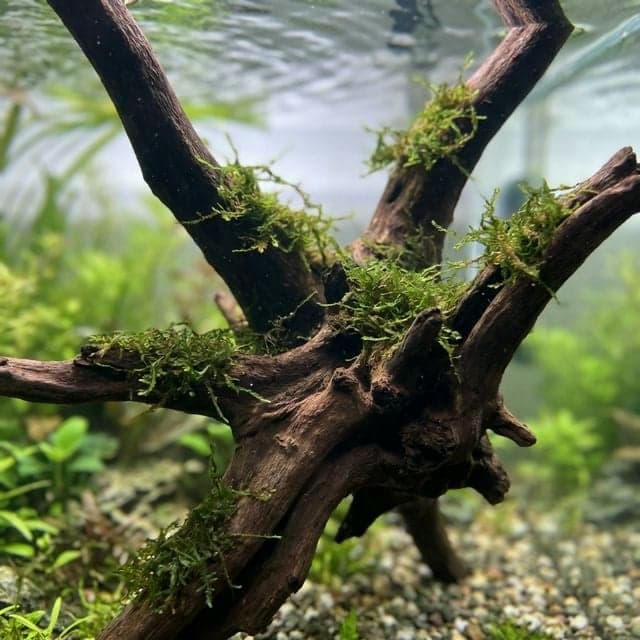
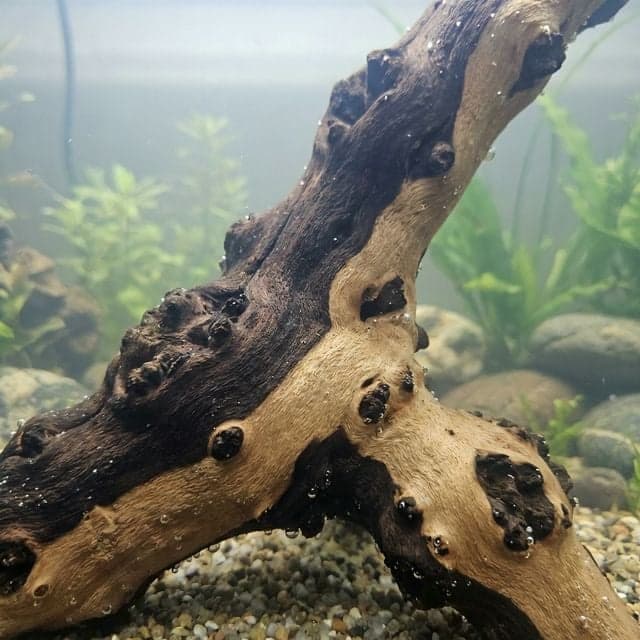
Cork bark, a natural material harvested from the outer bark of cork oak trees, is gaining popularity in the aquascaping world for its unique aesthetic qualities and versatility. The natural coloration ranges from light beige to deep brown, offering a range of tones that can complement various aquatic plants and fish. Its texture, featuring a mix of smooth and rough surfaces, creates visual interest and provides hiding spots for fish and invertebrates, making it especially useful for creating a natural habitat within the aquarium. The organic, rustic feel of cork bark mirrors the natural environments found in rivers and lakes, resonating with aquarists who aspire to recreate these ecosystems in their tanks.
As an eco-friendly option, cork bark is not only attractive but also lightweight and easy to work with, making it a favored choice for both novice and experienced aquascapers. Its buoyancy allows for floating installations or low-lying layouts, thus opening creative avenues for aquascaping designs. Moreover, cork bark is increasingly celebrated for its ability to mix well with various other hardscape materials, including stones and driftwood, thereby enriching the visual complexity of the tank layout.
Usage Guide
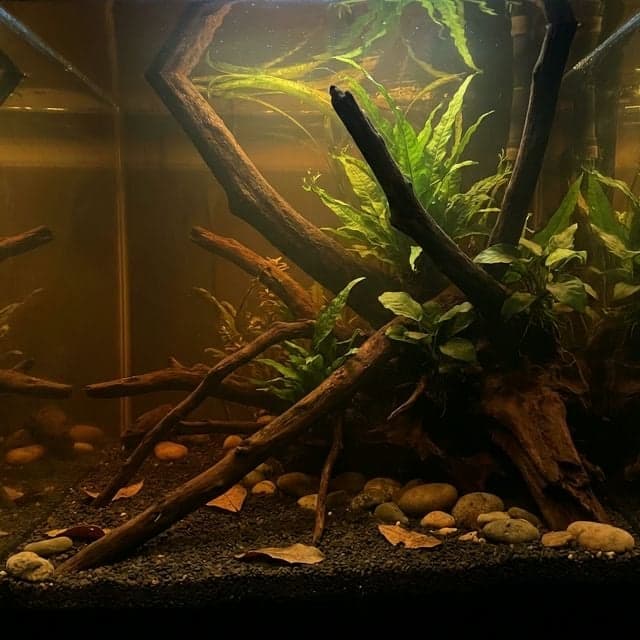
When utilizing cork bark in an aquarium layout, it's essential to consider both its placement and overall balance within the scene. Cork bark can be employed as a focal point or as a background element, depending on the desired effect. Start by positioning larger pieces vertically at the back of the aquarium to create a sense of height. This can add depth to the composition, especially when combined with shorter plants in the foreground. If you wish to create a floating background effect, secure pieces of cork bark to the surface using aquarium-safe glue or by attaching them to a weighted base hidden beneath substrate.
For effective stacking, ensure that heavier pieces are placed at the bottom to maintain stability; lighter pieces can be layered above to avoid toppling. Pair cork bark with other hardscape materials, such as rocks or wood, to add variety and texture to your layout. Incorporating different sizes and shapes will create visual interest while supporting various aquatic plants that may anchor to the surfaces of the cork bark.
Cleaning & Preparation
Proper preparation of cork bark is crucial for maintaining a healthy aquarium environment. Follow these steps to clean and prepare cork bark before introducing it to your tank:
-
Inspect the Cork Bark: Check for any damaged or moldy sections. Remove any undesirable areas to improve the aesthetic appeal and longevity of the piece.
-
Boiling: Boil the cork bark in water for about 20-30 minutes. This step helps to sterilize the material and can also eliminate any potential pests or bacteria.
-
Scrubbing: After boiling, let the cork bark cool, and then scrub it with a stiff brush under running water to remove any residual dirt or debris. This ensures all surfaces are clean and safe for aquatic inhabitants.
-
Acid Washing (if applicable): Although not always necessary, an acid wash can be performed if there's suspicion of unwelcome chemicals. Use a diluted vinegar solution (1:4 ratio of vinegar to water) for a quick soak. Rinse thoroughly afterward to ensure no residue remains.
-
Soaking: Finally, soak the clean cork bark in fresh water for 1-2 days. This step can help reduce tannin leaching and allows the material to become waterlogged, ensuring it sinks properly in your aquarium.
Impact on Water Chemistry
Cork bark is generally considered an inert material, but it can leach tannins when first introduced to the aquarium. Tannins can create a brownish hue in the water, enhancing the aesthetic of a blackwater biotope while also providing some beneficial properties, such as natural antibacterial and antifungal effects. However, if left unchecked, they may affect water clarity over time.
In terms of water chemistry, cork bark is known to have little to no impact on pH, GH, and KH levels, making it a safe choice for diverse aquatic environments. While the tannins may contribute to slightly lower pH levels, they are typically mild and within acceptable ranges for most freshwater fish and plants. Monitor water parameters regularly to ensure a balanced habitat for your aquatic life.
Aquascaping Styles
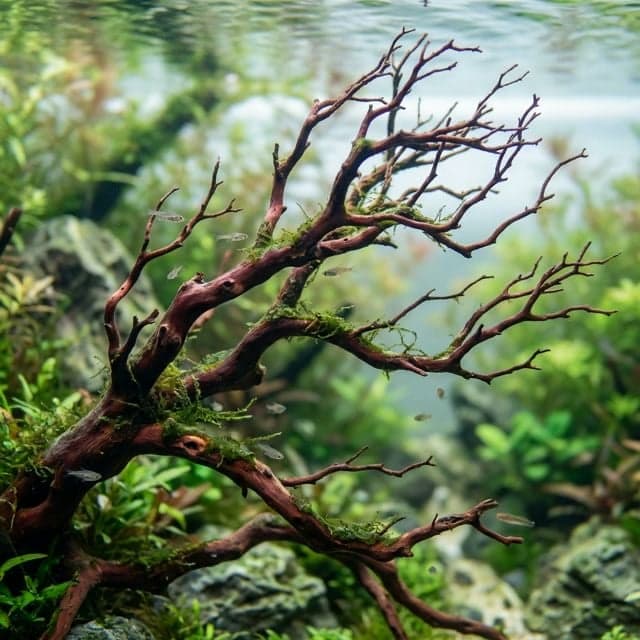
Cork bark complements several aquascaping styles, each benefiting from its natural appearance and functional properties. It is particularly well-suited for the Nature Aquarium style, where the organic shapes of cork bark seamlessly blend with live plants and aquatic fauna, creating a harmonious representation of nature.
Additionally, cork bark can enhance Iwagumi layouts, offering unique textures and contrasting colors against the minimalistic stone arrangements. For biotope aquariums depicting specific ecosystems, it provides an authentic touch, mimicking natural habitats found in places like Southeast Asian forests or South American river systems. In contrast, it can also be a striking element in more artistic approaches, such as the Scape style, where the freeform placement of cork bark can create dynamic focal points and visually engaging lines within the overall tank design.