Water Science

Reef Chemistry: Alkalinity, Calcium, Magnesium & Salinity
Marine aquarium chemistry explained — alkalinity (KH), calcium, magnesium, and salinity targets, testing frequency, and how they interact on a reef tank.
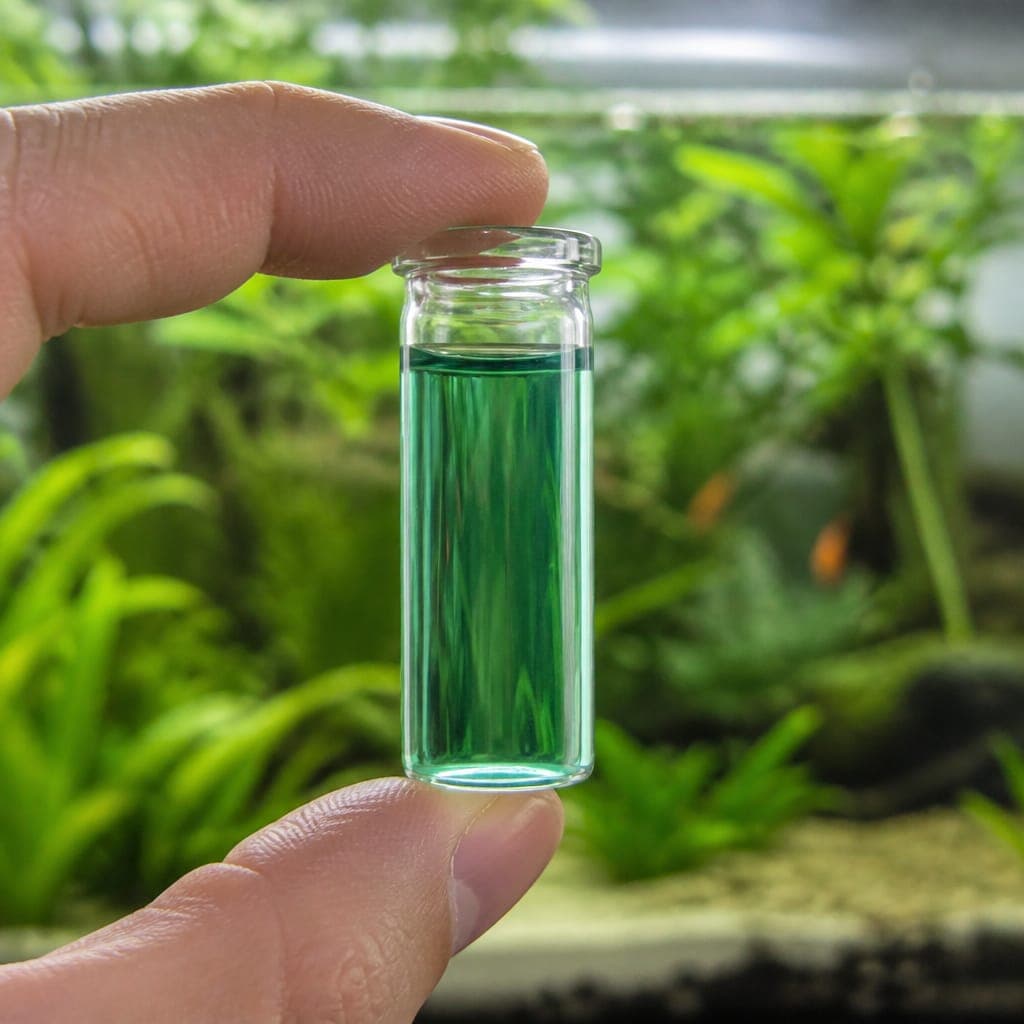
RO Water & Remineralisation: A Practical Guide for Aquariums
When to use RO or DI water, how to remineralise for fish and shrimp, target GH/KH/TDS ranges, and common mistakes with Equilibrium-style products.

Beneficial Bacteria, Biofilm, and Aquarium Biofilters
How nitrifying bacteria power the nitrogen cycle, what biofilm is, how anaerobic zones remove nitrate, and common mistakes that crash aquarium biofilters.
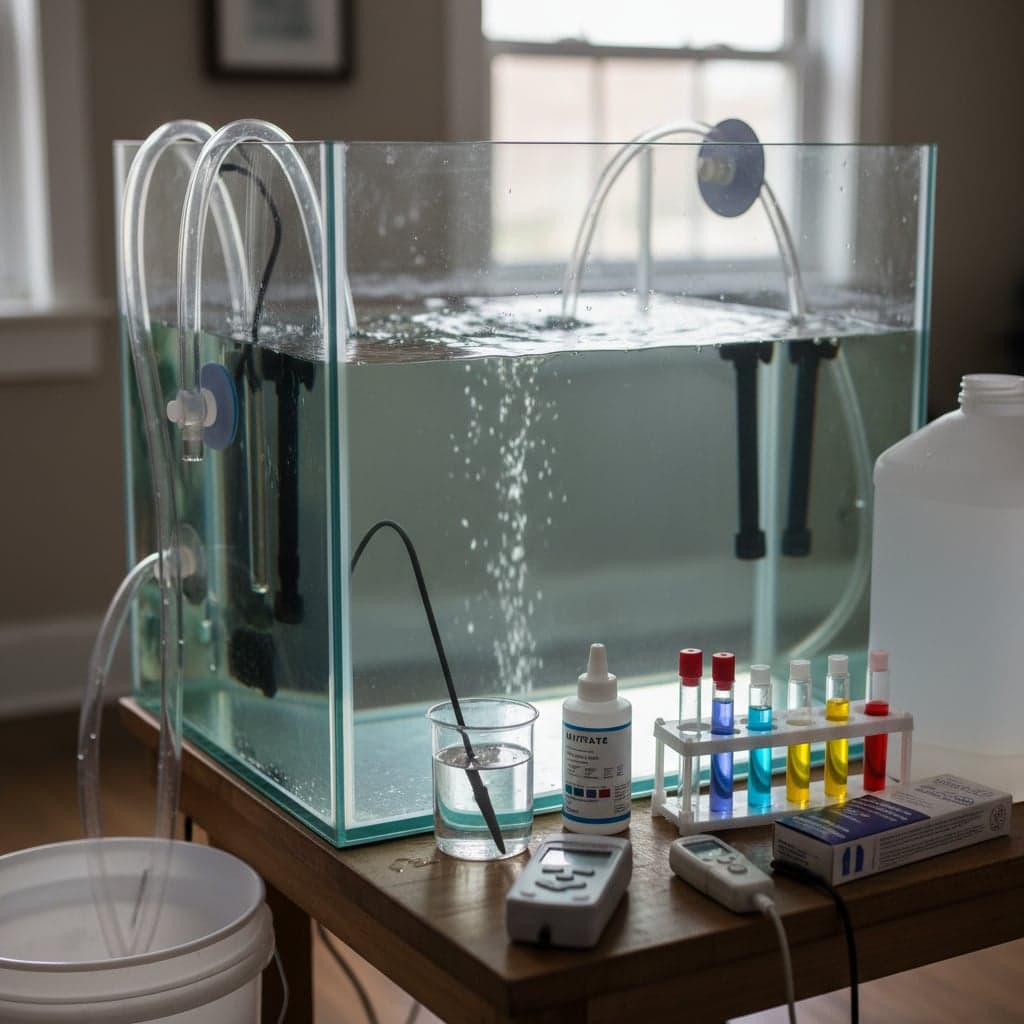
Aquarium Water Changes: How Much, How Often, and Why
Why dilution beats polishing for nitrate and organics, schedules by bioload, temperature-matched changes, and mistakes that crash cycles or trigger shock.
Aquarium Medications and Water Chemistry: Risks to Biofilters and Inverts
How copper, antibiotics, and salt affect nitrifying bacteria, plants, and shrimp; when to use a hospital tank; and post-treatment water changes and carbon.
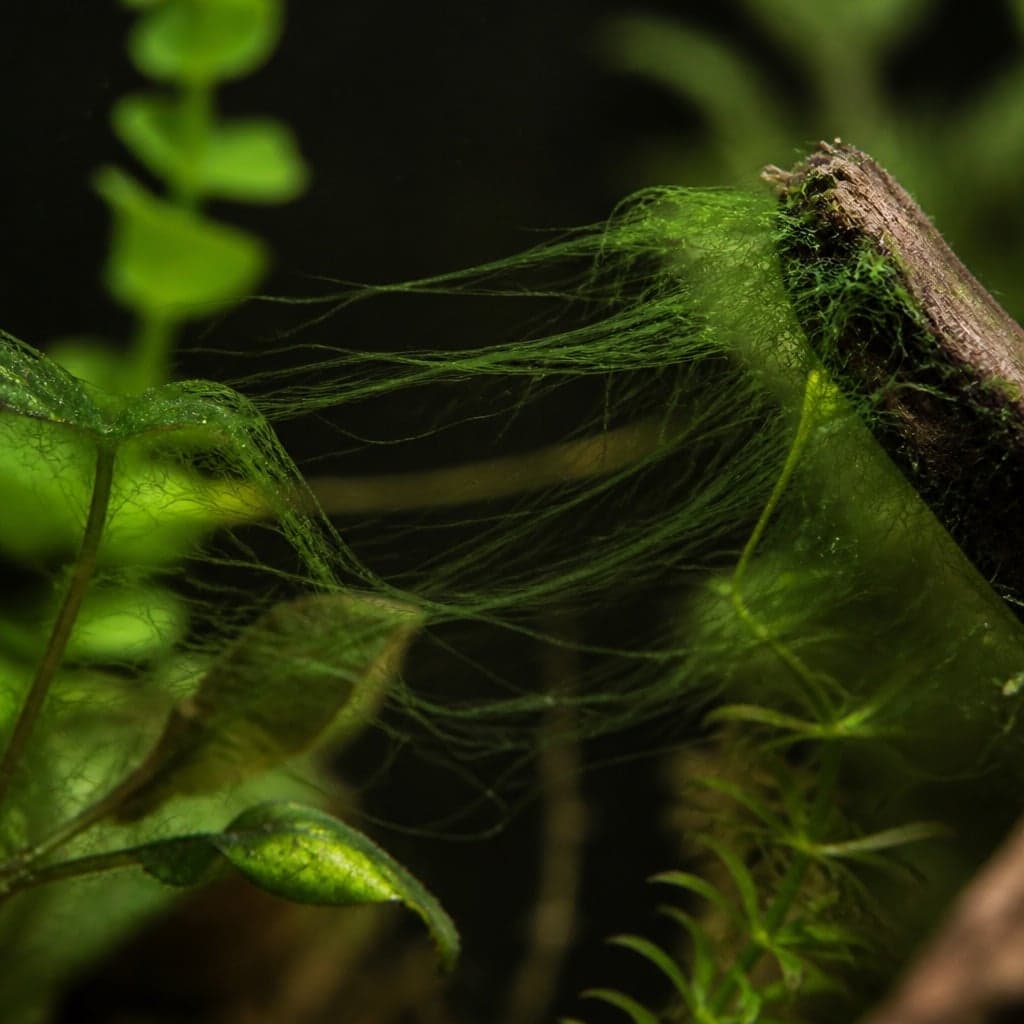
Aquarium Algae Types, Causes, and Control (Freshwater)
Identify common freshwater algae by appearance, match causes to lighting, CO2, and nutrients, and use targeted fixes instead of chasing symptoms alone.

TDS in Aquariums: What It Measures and How to Use It Safely
Total dissolved solids (TDS) explained for aquarists: conductivity vs ions, shrimp ranges, why TDS is a trend tool not a full diagnosis, and how to lower TDS with RO and changes.

Heavy Metals in Aquarium Water: Copper, Zinc, Lead, and Testing
How copper, zinc, and lead enter freshwater tanks, why shrimp are especially sensitive, and practical prevention with conditioners, RO, and safe equipment choices.

Tannins and Blackwater Chemistry in Freshwater Aquariums
What aquarium tannins are, how they affect pH and color, benefits for fish from blackwater habitats, and how to remove tannins with carbon or pre-soaking wood.
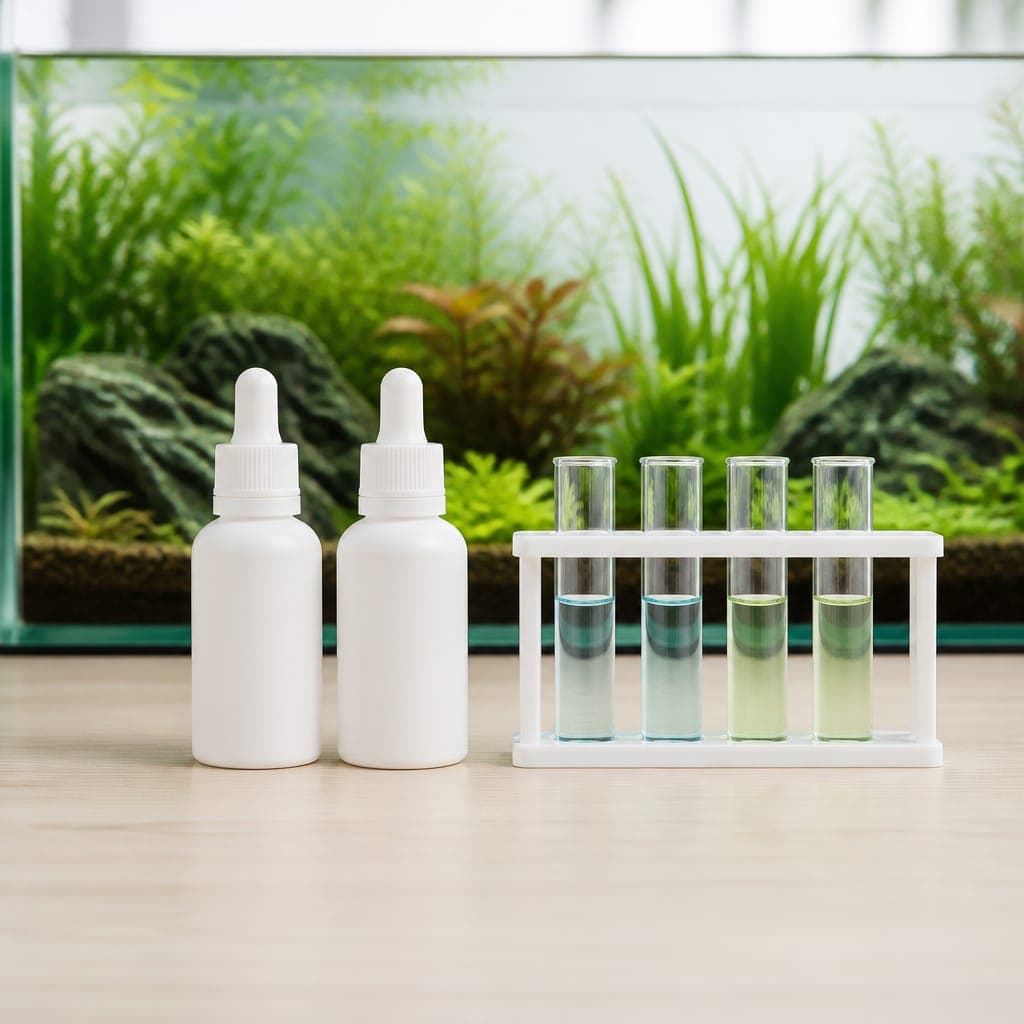
Phosphates and Silicates in the Aquarium
How phosphate affects plants and algae, why silicates fuel diatom blooms in new tanks, and practical ways to test, balance, and export these nutrients.
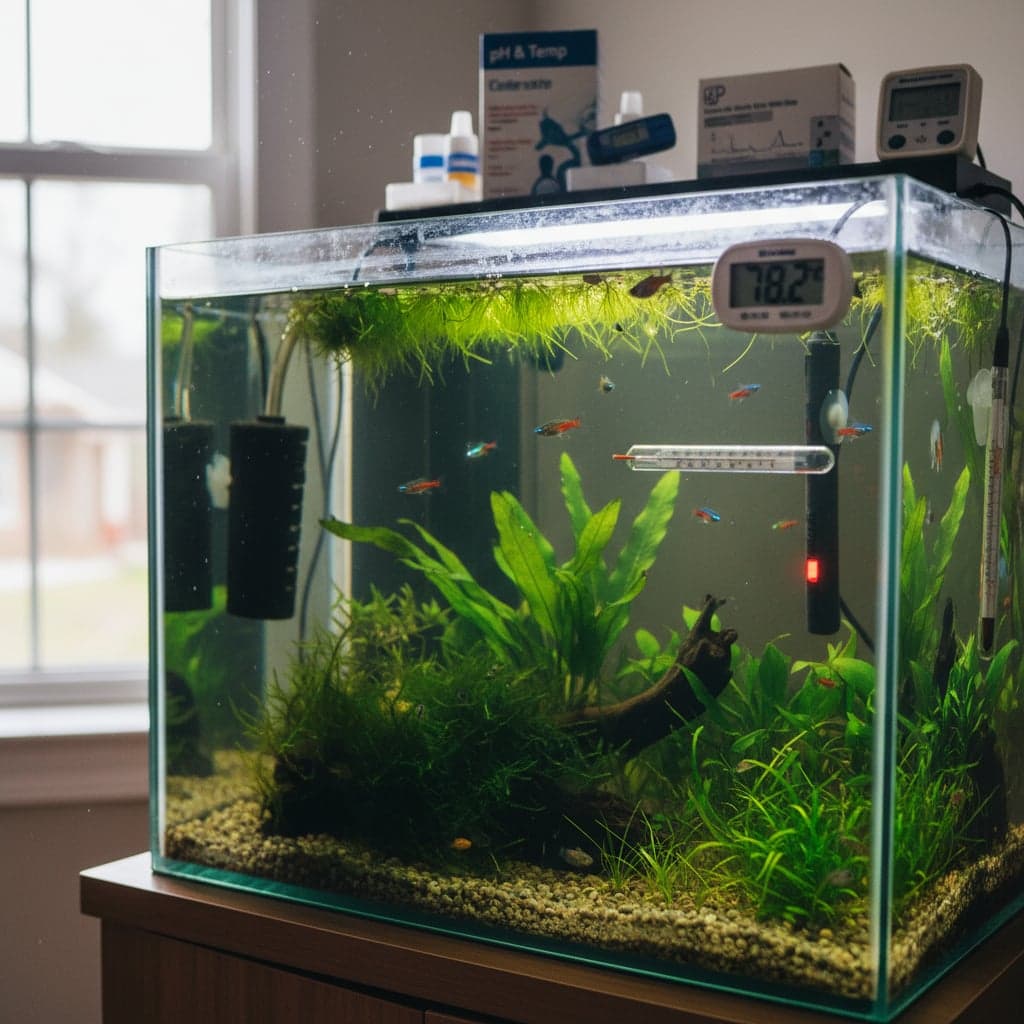
Aquarium Temperature: Ranges, Stability, and Heater Safety
How water temperature drives fish metabolism, tropical vs coldwater ranges, avoiding thermal shock, and reducing risk from heater failure with redundancy and controllers.
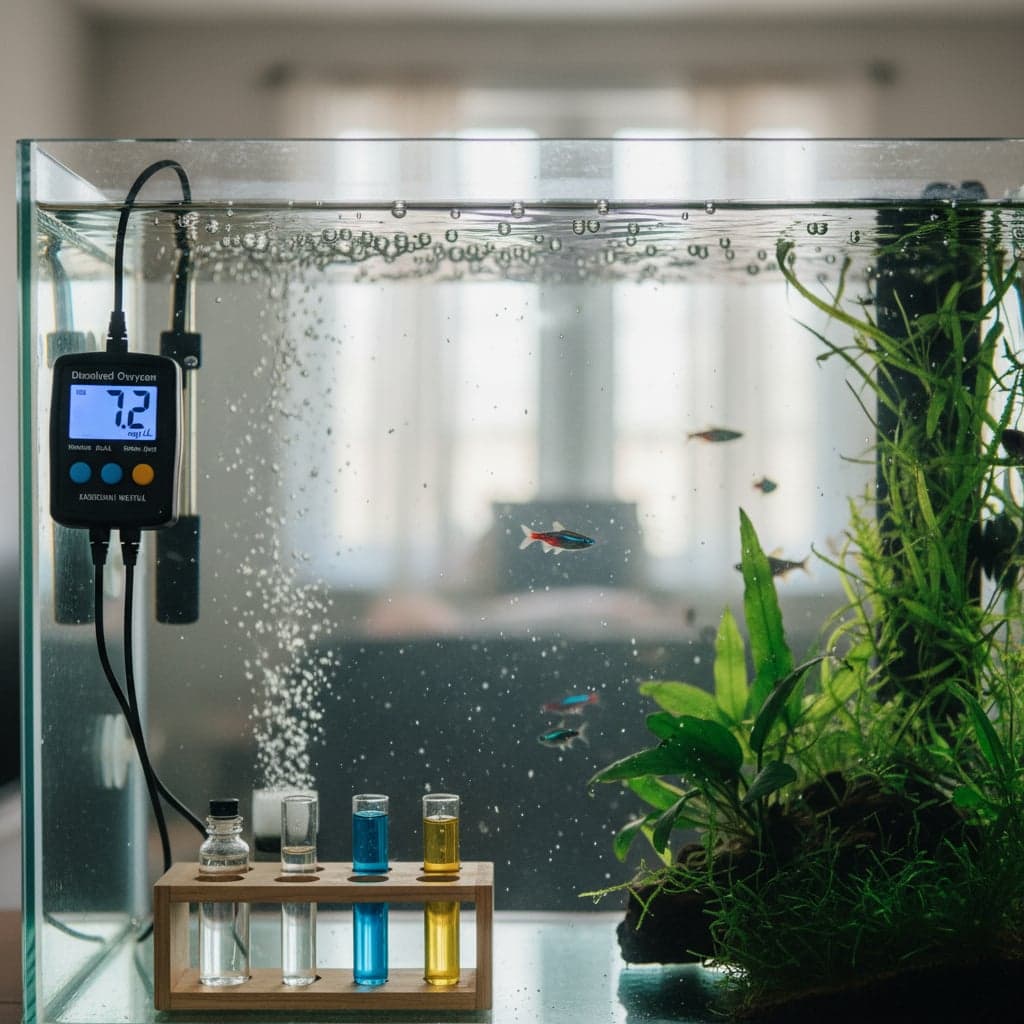
Dissolved Oxygen in Aquariums: Surface Agitation, Plants, and CO2
How dissolved oxygen enters aquarium water, why temperature and salinity matter, signs of low oxygen, and how plant respiration and CO2 affect gas exchange.

Aquarium Substrate for Planted Tanks: CEC, Depth, and Anaerobic Pockets
How substrate CEC affects plant nutrition, pros and cons of aqua soil vs inert sand, Walstad basics, and preventing hydrogen sulfide in deep fine substrates.

Aquarium Lighting: PAR, Kelvin, Spectrum, and Photoperiod
Modern planted-tank lighting explained: Kelvin color temperature, PAR vs PUR, photoperiod rules to limit algae, and why watts-per-gallon no longer applies.
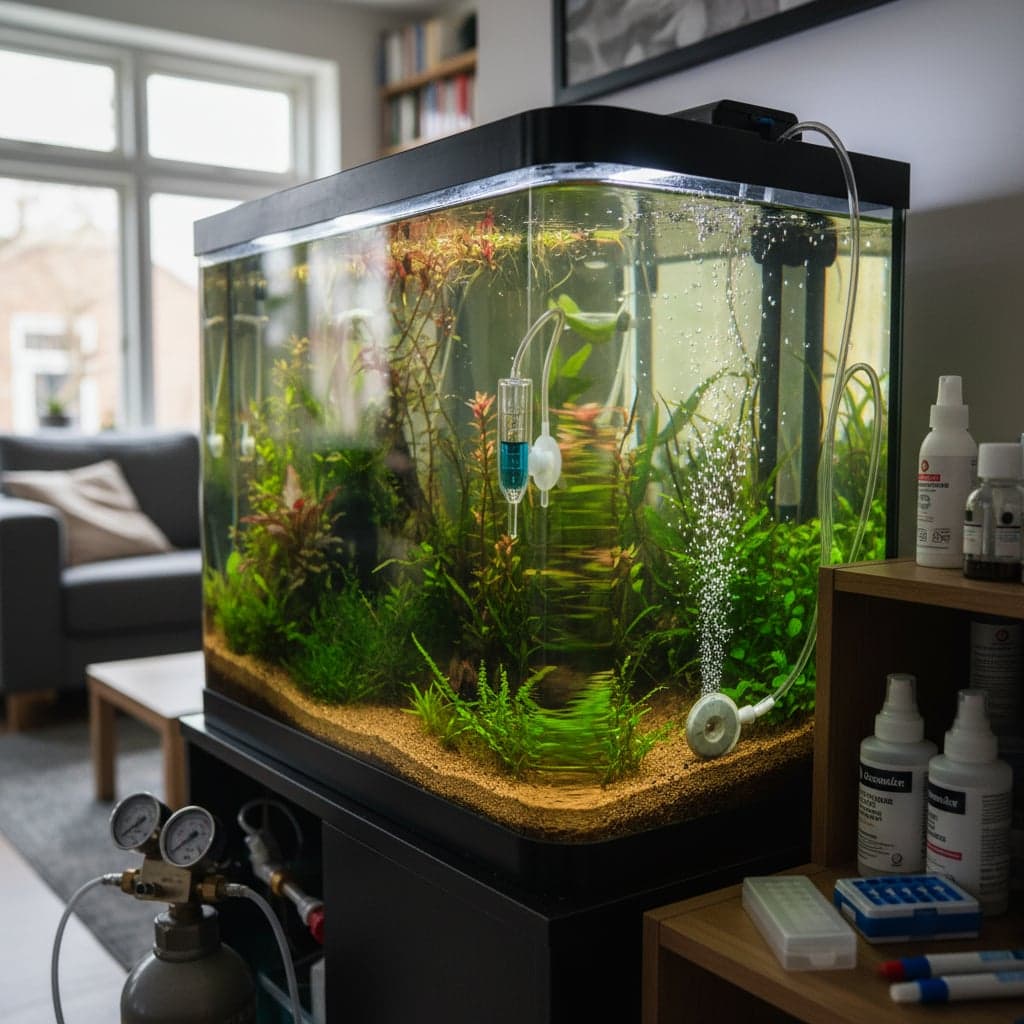
CO2 Injection for Planted Aquariums: Drop Checkers, pH, and Safety
Why injected CO2 boosts plant growth, how drop checkers relate to pH and KH, photoperiod timing with solenoids, and fish-safe limits versus algae control.
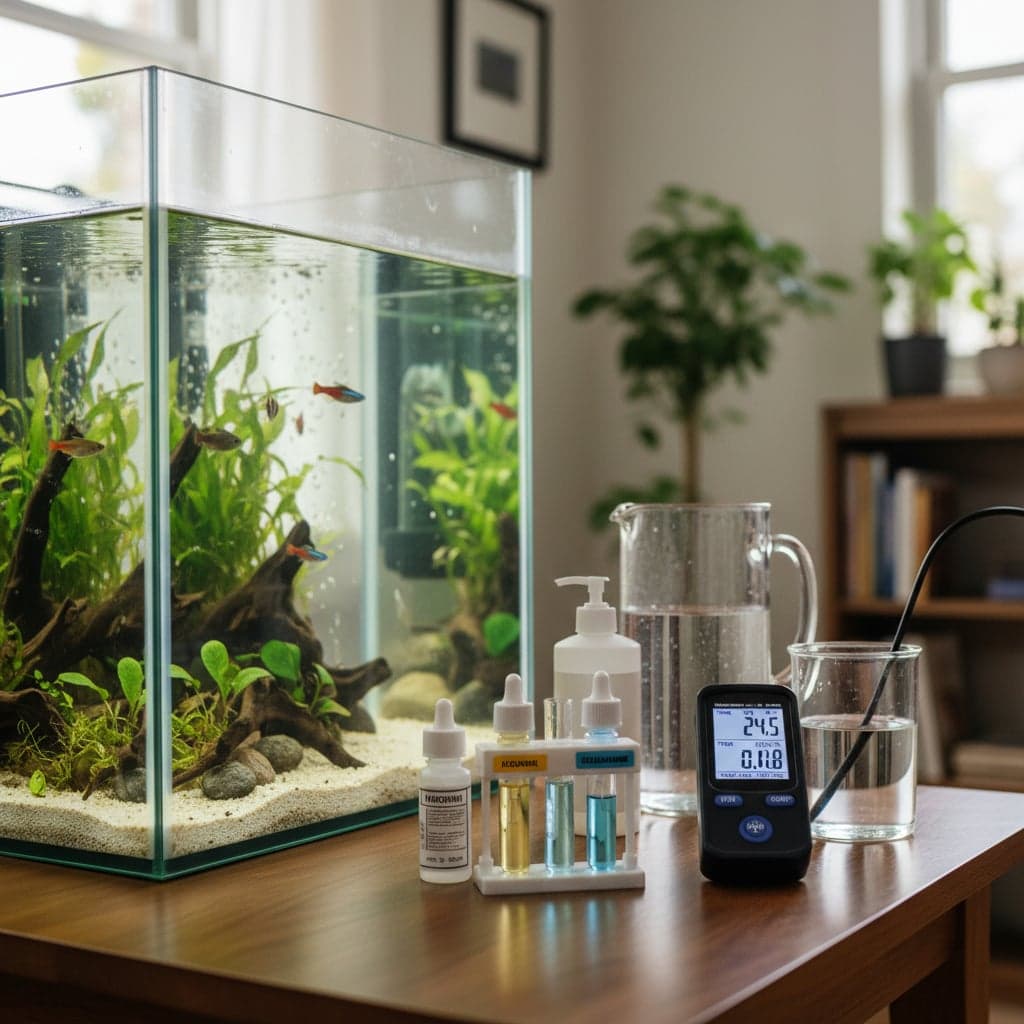
Chlorine and Chloramines in Tap Water: Dechlorination for Aquariums
Why municipal chlorine and chloramines harm fish and biofilter bacteria, why aging water only removes chlorine, and safe water change practices with conditioners and RO.
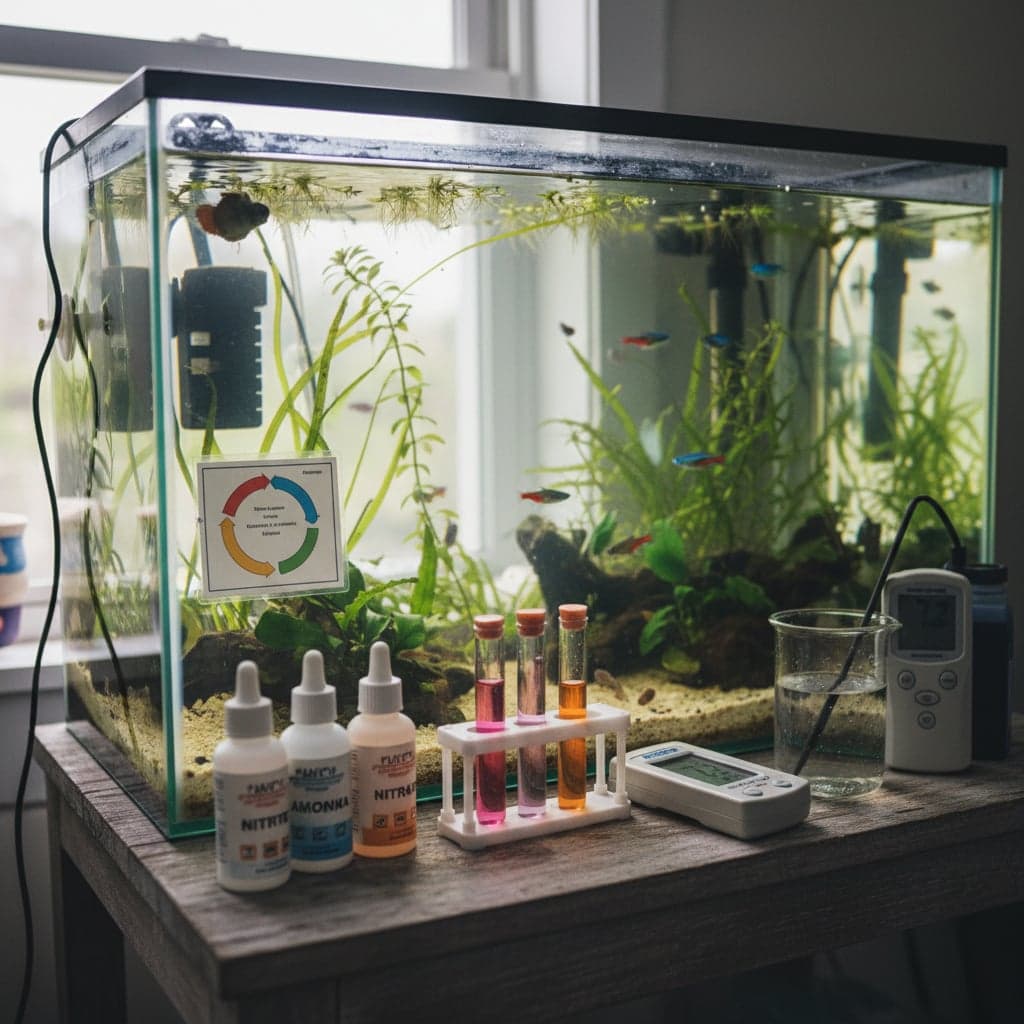
Nitrite and Nitrate in the Aquarium: Targets, Testing, and Export
Understand nitrite toxicity and brown blood risk, safe nitrate ranges for fish and plants, and practical ways to lower nitrate without crashing the tank.
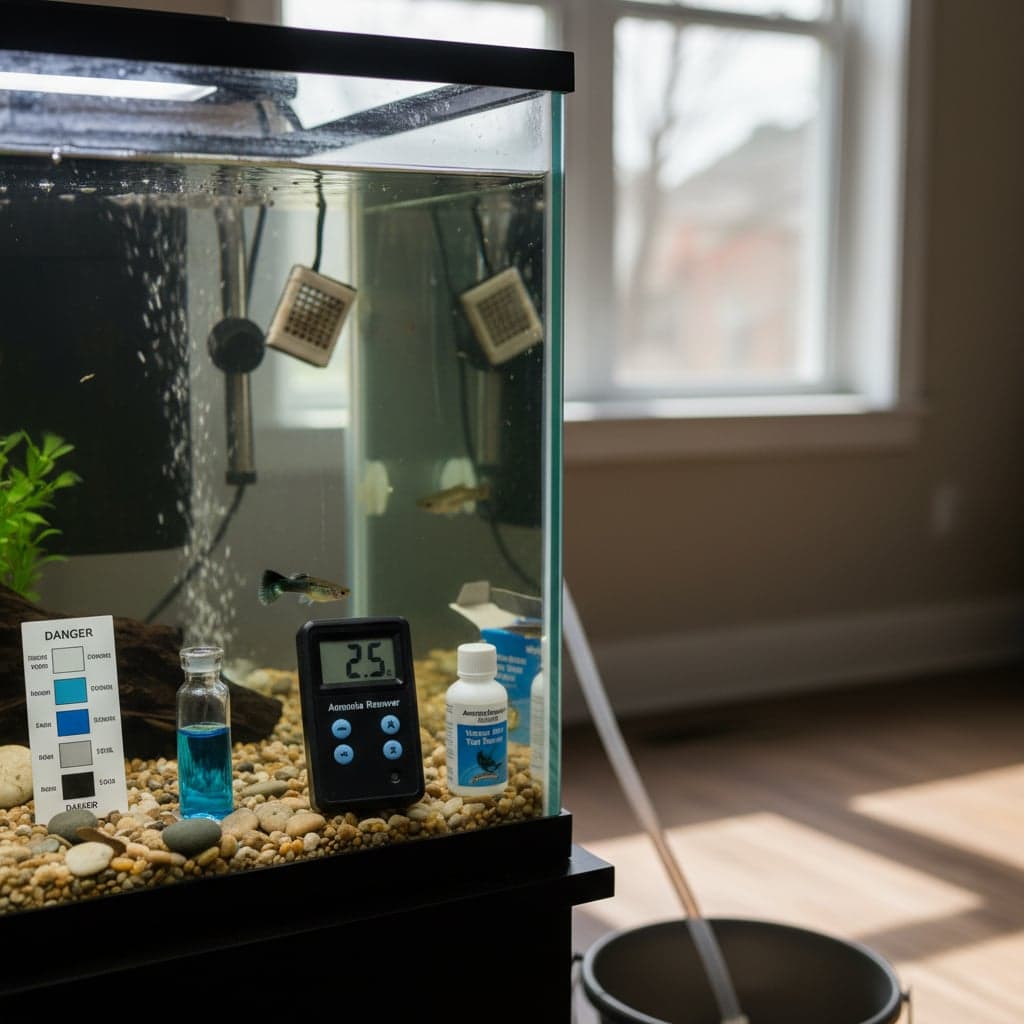
Ammonia in Aquariums: Testing, Toxicity, and Emergency Fixes
What aquarium ammonia is, why NH3 vs NH4+ matters with pH and temperature, how to test accurately, and step-by-step emergency response when levels spike.

GH and KH Explained: General Hardness vs Carbonate Hardness
What aquarium GH and KH measure, how they affect fish, plants, and pH stability, typical ranges by biotope, and how to test and maintain hardness safely.
Aquarium pH: Stability, KH, and Safe Adjustment
How pH works on a logarithmic scale, why stability beats chasing 7.0, relationships with KH and CO2, and safe ways to raise or lower pH in freshwater.

Aquarium Nitrogen Cycle Explained: Fishless Cycling and New Tank Syndrome
How the aquarium nitrogen cycle works, why ammonia and nitrite spike during cycling, how to fishless cycle safely, and how to avoid new tank syndrome.










