Fish Care Guides
Species
Topic
Showing 46 of 46 guides
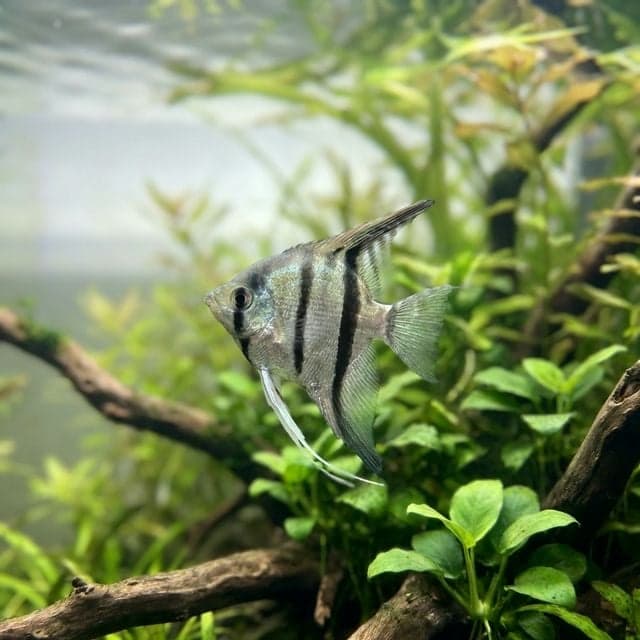
Angelfish Aggression: Why They Turn on Each Other
Six juveniles become one pair and four casualties. Why angelfish turn aggressive at maturity, how pairing works, and what to do when the tank changes overnight.
How Long Do Angelfish Live?
Eight to twelve years, which is longer than most people expect and longer than most angelfish get. Why tank height and nitrate decide the outcome.
Angelfish Tank Size: Why Height Matters Most
Angelfish are measured wrong. They reach 15cm long and 25cm tall, and tank height is the specification that decides whether their fins develop properly.
Angelfish Water Parameters and Temperature
Warm, soft and clean. Angelfish want a hotter tank than most community fish, and the temperature they need rules out several species they are routinely sold with.
Breeding Angelfish: Pairs, Eggs and Fry
Angelfish pair up and spawn readily, then eat the first several clutches. Why that happens, when to leave them to it, and how to raise the fry when you decide to intervene.
Angelfish Varieties: Koi, Marble, Veil and More
Silver, zebra, marble, koi, platinum, blushing and veiltail — what the names mean, which combine, and the two forms that carry real care implications.
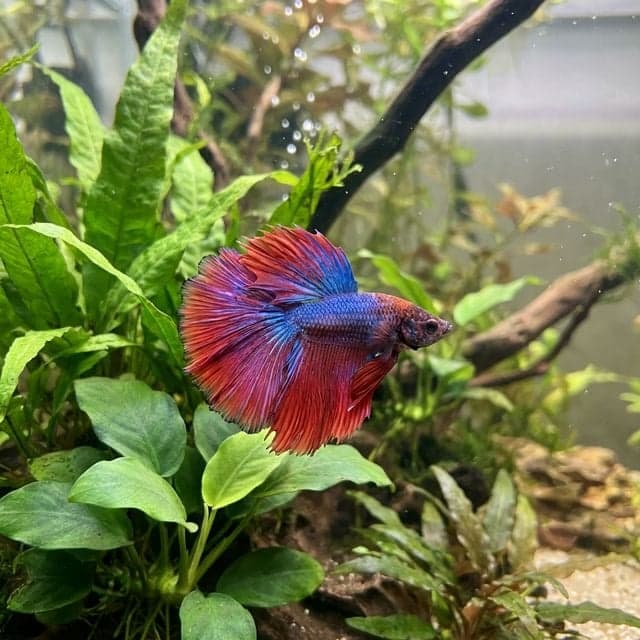
How Long Do Bettas Live? Lifespan and How to Extend It
Bettas live three to five years, but most are already a year old when sold and many die within months of coming home. Why that happens and what actually changes it.
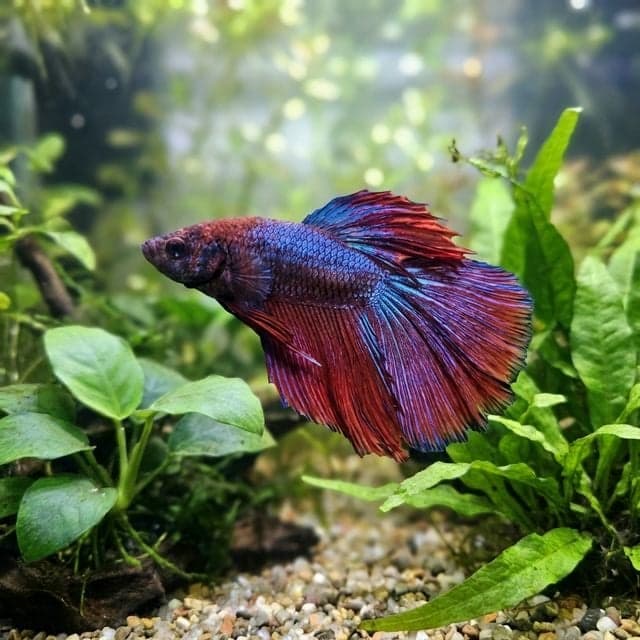
Betta Tank Size and Setup: What They Actually Need
The five-gallon minimum, why bowls and desktop cubes fail, and the four things a betta tank needs that a community tank does not: a lid, a heater, gentle flow and resting places.
Betta Water Parameters: Temperature, pH and Hardness
Bettas want warm, soft to moderately hard, near-neutral water with almost no flow. Temperature is the parameter that actually decides how a betta does — and the one most often left to the room.
Betta Fin Rot and Common Health Problems
Fin rot, velvet, dropsy, constipation and swim bladder trouble — how to tell them apart, what to treat and what to fix instead. Most betta illness is a water quality problem with a name attached.
Betta Tail Types and Varieties Explained
Veiltail, halfmoon, crowntail, plakat, double tail and the rest — what the names mean, which are hardier, and why the most spectacular tails are the ones that cause the most problems.
Female Bettas and Sororities: What Actually Works
Female bettas are not peaceful, and sororities fail more often than they succeed. What a sorority actually requires, why most collapse, and the honest alternatives.

Bristlenose Pleco Diet: Why Driftwood Is Not Optional
Bristlenose plecos need wood to digest properly, and they will starve in a clean tank. What to feed, why algae is not enough, and which wood works.
How Long Do Bristlenose Plecos Live?
Five to twelve years, and the commonest cause of a short one is slow starvation in a clean tank. What actually shortens it and what an old bristlenose looks like.
Bristlenose Pleco Tank Size and Setup
100 litres, a cave, driftwood and more filtration than the fish's size suggests. What a bristlenose actually needs, and the bioload nobody warns you about.
Breeding Bristlenose Plecos: Caves, Eggs and Fry
Bristlenoses are the easiest catfish to breed and often do it without being asked. Sexing by bristles, cave requirements, and why the male does all the work.
Bristlenose Pleco Varieties: Albino, Longfin and Super Red
Standard brown, albino, super red, calico and longfin — what each is, which are genuinely different, and why longfins need a bit more care.
Bristlenose Pleco vs Common Pleco: Buy the Right One
A bristlenose reaches 12cm. A common pleco reaches 45cm and outgrows almost every home aquarium. They are sold side by side at the same size and price, and the mistake is expensive.

What to Feed Guppies: Diet, Amounts and Schedule
Guppies are omnivores that need more vegetable matter than most flake food gives them. What to feed, how much, how often, and why overfeeding is the most common cause of a sick guppy.
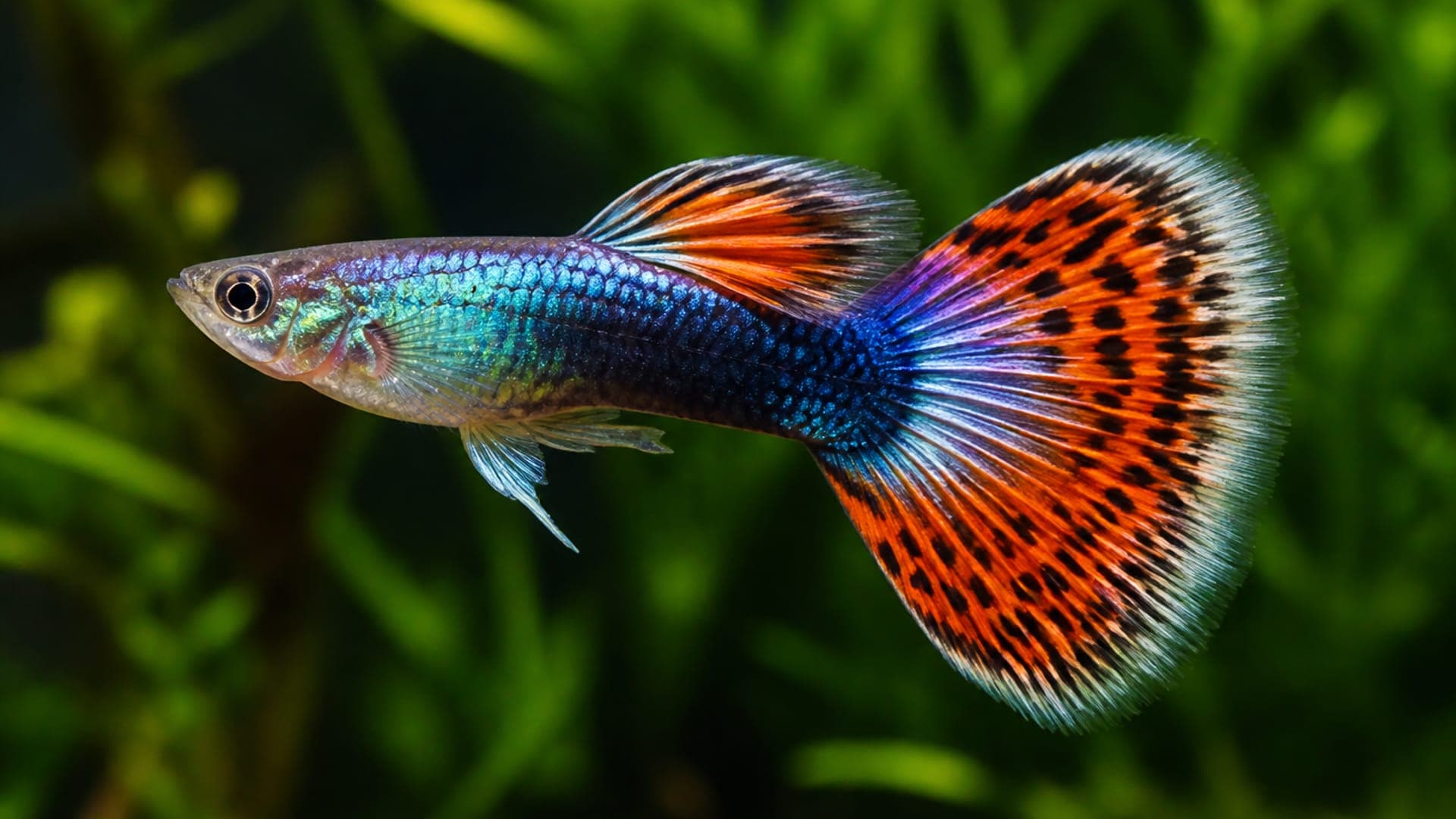
How Long Do Guppies Live? Lifespan and What Shortens It
Guppies live one to three years, and shop guppies routinely die far sooner. What the real range is, why modern fancy strains are so fragile, and the levers that actually extend it.

Guppy Tank Size & Stocking Ratio
How many guppies fit in a 40L, 60L or 100L tank, why the 2:1 female-to-male ratio matters more than the number, and how fry turn stocking into a moving target.
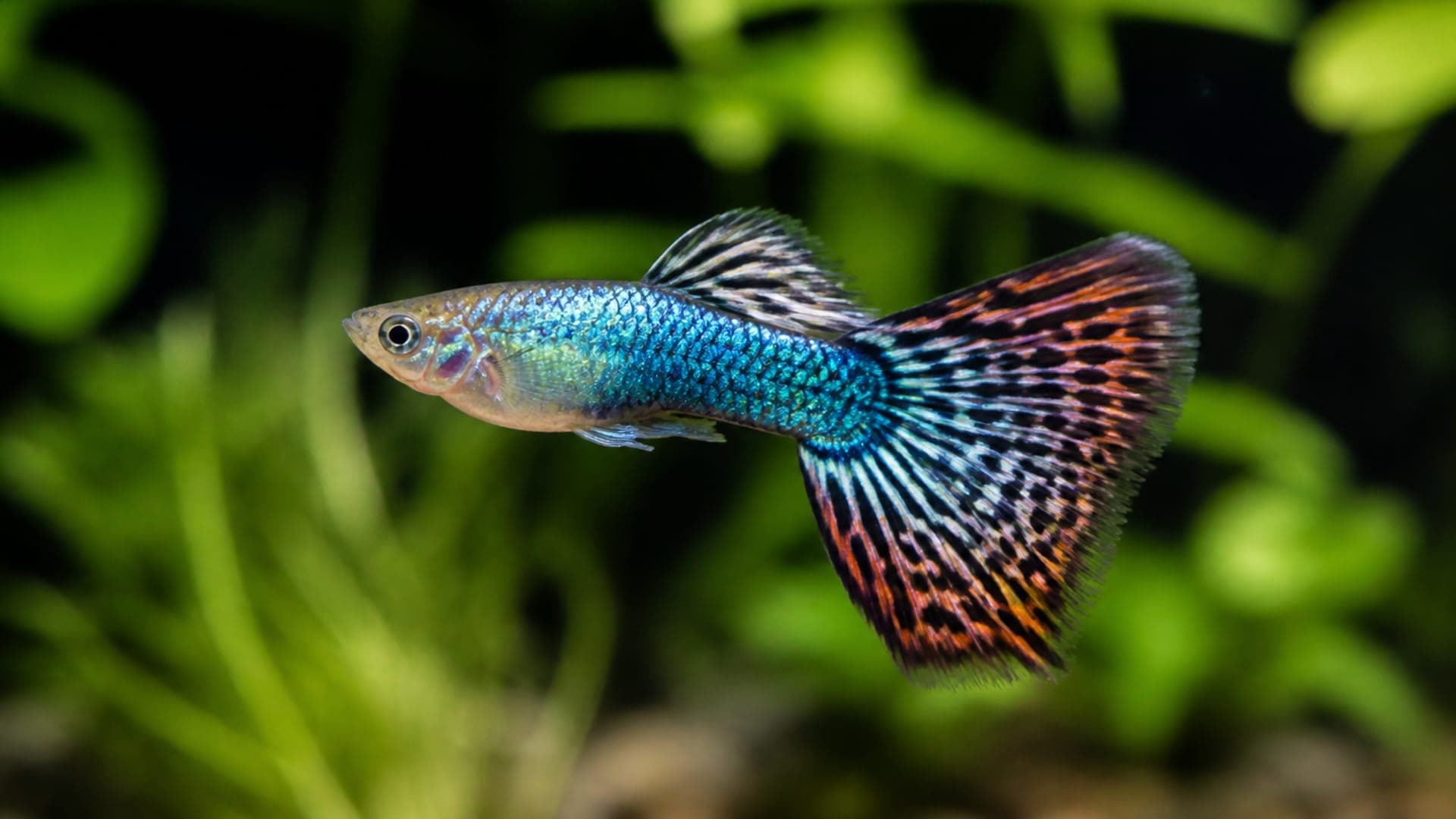
Guppy Temperature: Range, Heaters and Lifespan
Guppies are tropical fish and need a heater in almost every home. What the real range is, why running warm shortens their lives, and how to size a heater properly.
Guppy Water Hardness: GH, KH and pH
Guppies need hard, mineral-rich water. Soft water is the most common cause of clamped fins, faded colour and unexplained losses — here is what to test and how to fix it.

Guppy Breeding & Raising Fry
Gestation, brood size, stored sperm, and what fry actually need in their first six weeks — including why your shop-bought female is already pregnant.
Guppy Diseases & Health Problems
Guppy disease (Tetrahymena), Camallanus worms, columnaris and fin rot — how to tell them apart, and why modern fancy guppies die in their first month.
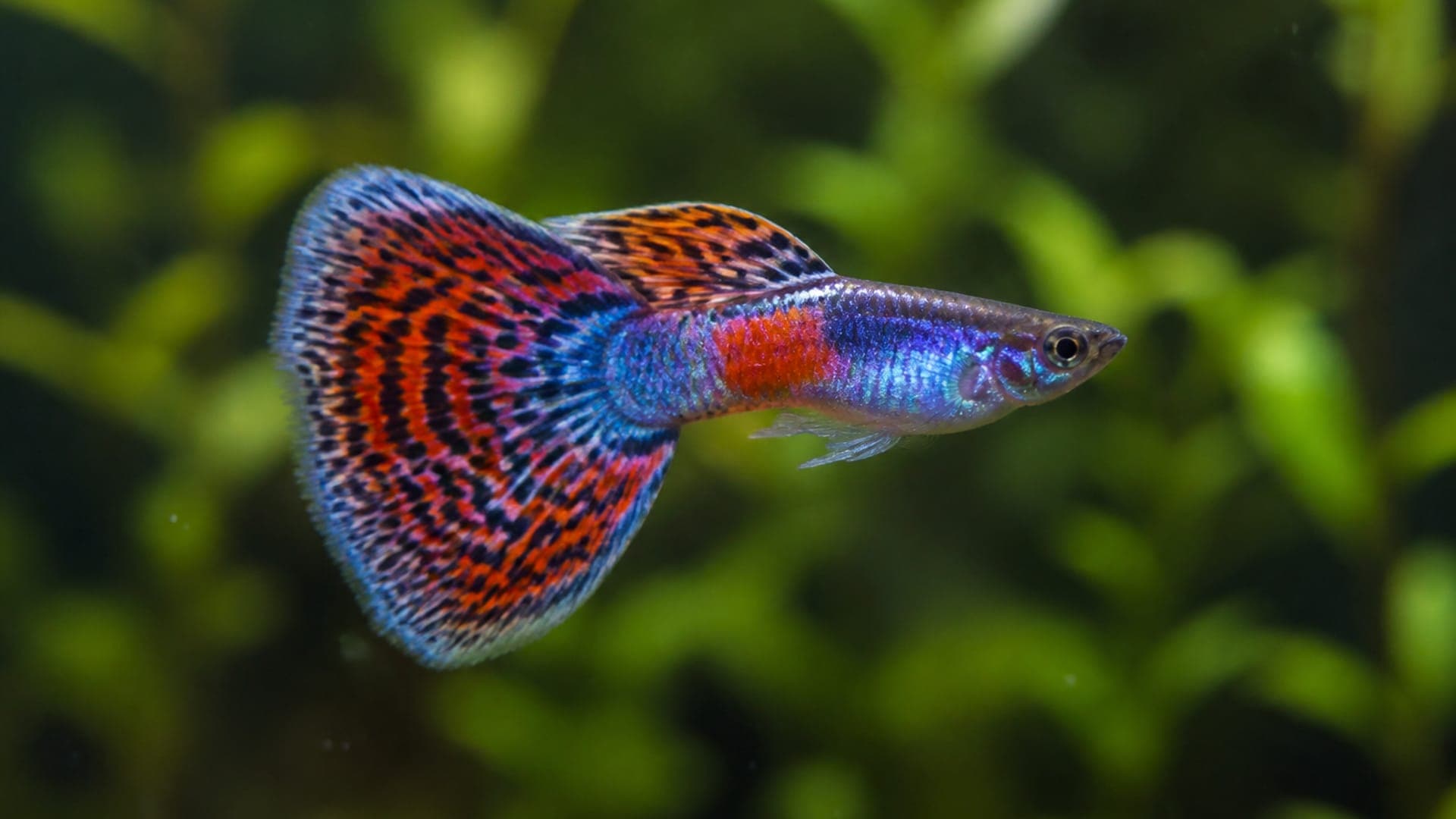
Guppy Tail Types & Colour Strains
Delta, veiltail, lyretail, double sword and the rest — plus cobra, tuxedo, mosaic and moscow colour strains, and which are actually easier to keep.
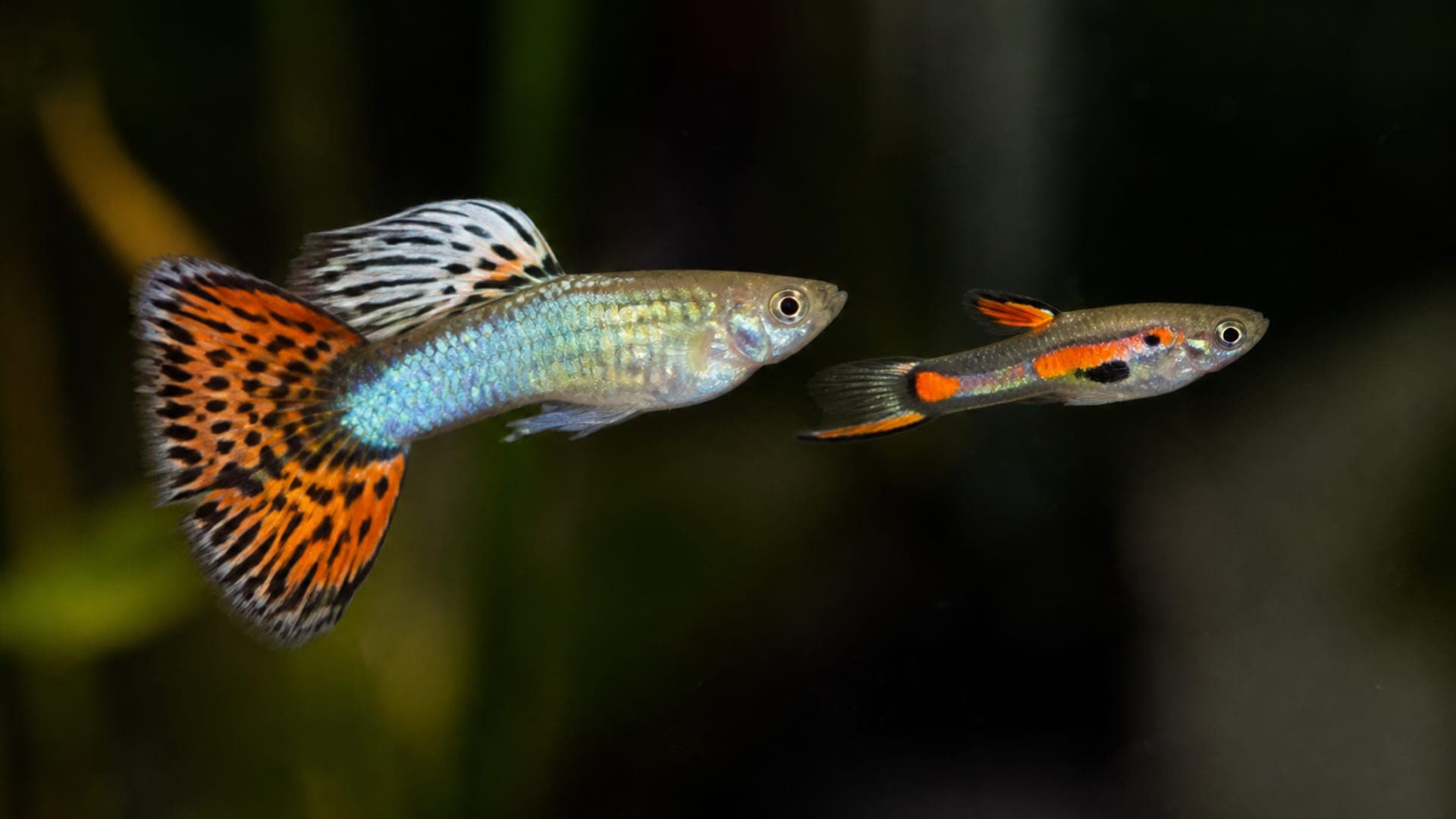
Male vs Female Guppies: How to Tell Them Apart
Sexing guppies is easy once they are grown and genuinely difficult before four weeks. The gonopodium, the gravid spot, and how to sex a juvenile before it breeds in your grow-out tank.
Guppy vs Endler: How to Tell Them Apart
Poecilia reticulata and Poecilia wingei differ in size, fin shape and colour — but they interbreed freely, which is why most shop "Endlers" are hybrids.
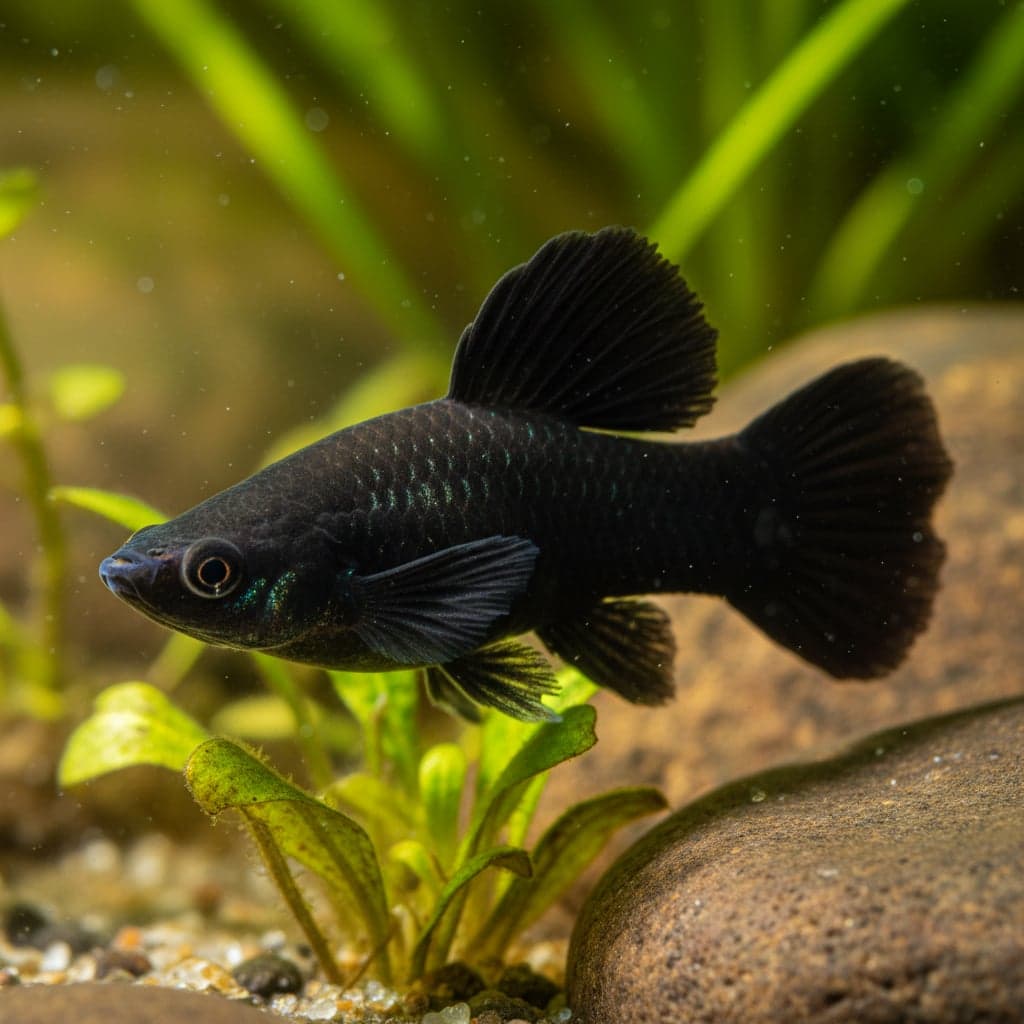
Molly Tank Size and Stocking
Mollies are much bigger and messier than the tank they get sold for. Real sizes for common and sailfin mollies, the female-heavy ratio, and planning for constant fry.
Do Mollies Need Salt? Brackish Water Explained
The most argued-about question in livebearer keeping. Mollies do not require salt, but they do require hard mineral-rich water — and the two get confused constantly.
Molly Breeding and Fry: What to Expect
Mollies breed whether you plan to or not, and their fry are large enough to survive. Gestation, sperm storage, and why a molly tank fills up faster than a guppy tank.
Molly Shimmies: Why Mollies Rock in Place and How to Fix It
The shimmy is not a disease. It is a symptom with a short list of causes, almost always water chemistry — and it is reversible if you read it right.
Molly Varieties: Sailfin, Balloon, Dalmatian and More
Short-fin, sailfin, lyretail and balloon — which are size differences, which are colour, and which one is a deformity you should think twice about buying.
Molly vs Guppy: Which Livebearer Should You Keep?
Both are hard-water livebearers that breed constantly, and they are not interchangeable. Size, bioload, tank requirement and fry behaviour all differ more than the shelf suggests.
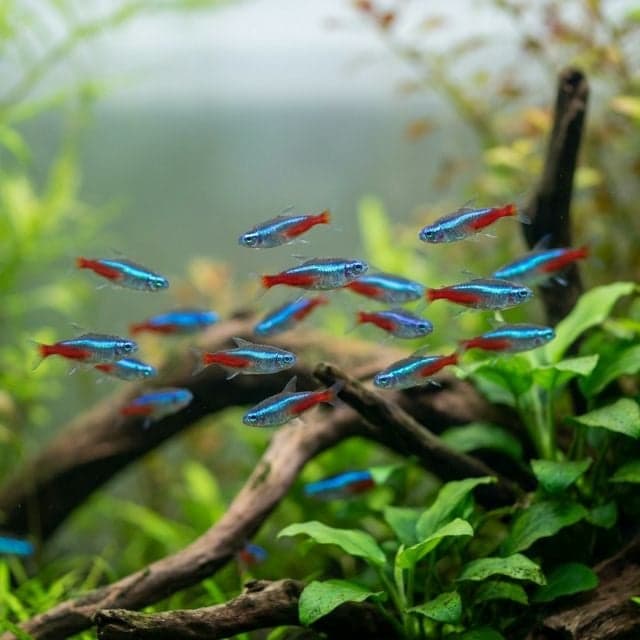
How Long Do Neon Tetras Live?
Neon tetras can live five years and most die within one. The gap is almost entirely tank maturity, temperature and school size — not the fish.
How Many Neon Tetras? School Size and Tank Size
Six is the number people repeat and it is too few. Why neon tetras need ten or more to behave like neon tetras, and what tank actually holds them.
Neon Tetra Water Parameters and Temperature
Soft, acidic and cooler than most tropical tanks. Why neon tetras are the one common community fish that suffers in hard water, and the temperature most people get wrong.
Breeding Neon Tetras: Why It Is Hard and How It Works
Neon tetras will not breed in a normal community tank, and the reason is specific: they need near-mineral-free water and darkness. The full method, honestly described.
Neon Tetra Disease: Symptoms, Truth and What to Do
Neon tetra disease is real, incurable and over-diagnosed. How to tell it from false neon tetra disease and from ordinary stress, and what to do when you see it.
Neon Tetra vs Cardinal Tetra: How to Tell Them Apart
The red stripe is the whole answer: half the body on a neon, the full length on a cardinal. Plus the differences in size, price, hardiness and water that actually decide which you should buy.

Are Zebra Danios Fin Nippers? Behaviour Explained
Zebra danios nip, but not in the way people assume. What the chasing actually is, which tank mates it ruins, and the counterintuitive fix.
How Long Do Zebra Danios Live?
Three to five years, and temperature is the biggest lever you have. Why a cooler tank buys real time, and what an old danio looks like.
Zebra Danio Tank Size and School Size
Zebra danios need length, not volume, and a group of at least eight. In a short tank or a small group they become the fin-nipper everyone complains about.
Do Zebra Danios Need a Heater? Temperature Explained
Zebra danios are the one common community fish that genuinely does well unheated — in the right room. The real range, when to skip the heater, and why warm tanks shorten their lives.
Breeding Zebra Danios: The Easiest Egg Layer
Zebra danios are the easiest egg-scattering fish to breed and the standard first project. Conditioning, the marble trick, and raising fry that are too small for brine shrimp.
Zebra Danio Varieties: Longfin, Leopard and GloFish
Longfin, leopard, golden and the fluorescent GloFish — what each one is, which are genuinely different fish, and the care implications nobody mentions on the label.










