Bristlenose Pleco Varieties: Albino, Longfin and Super Red
Standard brown, albino, super red, calico and longfin — what each is, which are genuinely different, and why longfins need a bit more care.
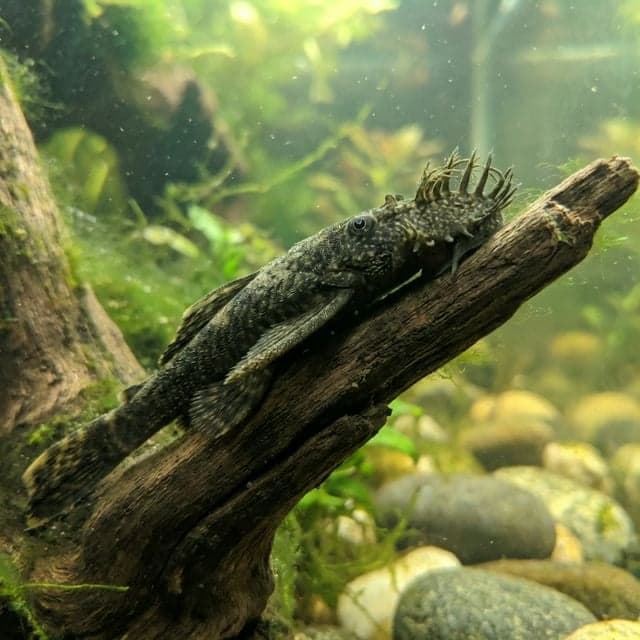
Bristlenose plecos come in a genuinely good range of colour and fin forms, all of them the same fish underneath with the same tank, cave and driftwood requirements.
Only one variety changes the care, and only slightly.
Colour forms
Common / brown. The wild type: mottled brown and grey with pale speckling, excellent camouflage against wood and substrate. Cheapest, hardiest, most widely available, and arguably the best-looking once settled on a piece of driftwood.
Albino. Pale cream to pinkish-yellow with red or pink eyes. Extremely common and usually the same price as brown. As with albino forms generally, the eyes are light-sensitive — provide shade and subdued lighting, which suits the species anyway.
Super red. Solid orange-red across the whole body, developed relatively recently and now widely bred. The strongest colour in the group and priced accordingly, though far cheaper than a few years ago. Colour intensity depends partly on diet: carotenoid-containing foods and a good vegetable ration bring out the red, exactly as with guppy colour.
Calico / marbled. Irregular patches of orange, brown and cream. Every fish is different and patterning shifts somewhat with growth.
Chocolate. Uniform dark brown, sometimes with a slight reddish cast.
Green dragon. A more olive-toned form with fine pale speckling, marketed under several names.
Lemon / yellow. Pale yellow, sometimes sold as "lemon drop".
Fin forms
Standard fin. Normal proportions. Nothing to note.
Longfin. Extended, flowing dorsal, caudal and pectoral fins. Available in combination with any of the colours above — longfin albino and longfin super red are both common — and typically the most expensive option.
This is the one variety with a real care implication. The extended fins are:
- More vulnerable to nipping. Fast, boisterous tank mates such as zebra danios and barbs will take pieces out of them. Choose calmer company.
- More prone to fin rot, since damaged fin tissue in marginal water quality is where it starts.
- A drag on an already slow fish, making them slightly less agile.
Nothing here makes them difficult — just keep them with peaceful species and stay on top of water changes.
What does not change
Every variety on this page is Ancistrus and needs exactly the same things:
- 100L minimum and one male per tank.
- Driftwood, as a dietary requirement rather than decoration.
- A cave for daytime shelter.
- Deliberate feeding after lights out — vegetables, algae wafers, occasional protein. See diet and driftwood.
- 23–27°C, pH 6.0–7.5, and undemanding hardness.
Colour has no bearing on hardiness. An albino is not more delicate than a brown, which is a common assumption and not borne out.
Breeding and genetics
All varieties interbreed freely, and this is where it gets interesting for anyone who wants a small project.
Albino is recessive. Two albinos produce albinos. An albino crossed with a brown produces brown-looking fry that carry the gene, and crossing those together gives roughly a quarter albinos.
Longfin is also recessive, and inherited independently of colour — which is why longfin super reds exist and command a premium.
Mixed varieties revert. A tank of assorted bristlenoses left to breed produces increasingly ordinary brown fish over a few generations, the same pattern as guppy strains. Keep one variety per tank to maintain it.
Since bristlenoses breed readily and a spawn can be a hundred-plus fry, the colour varieties are one of the more realistic ways to make aquarium keeping pay for itself. Details in breeding.
Which to buy
First bristlenose: common brown or albino. Cheapest, most available, no compromises.
For display: super red, particularly against dark wood and substrate.
For a breeding project: a super red or longfin group — they hold their value and shops will take the offspring.
Avoid only if the tank contains fin-nippers, in which case skip the longfins.
Before you buy
- The care is identical across colours — do not pay extra expecting a hardier fish.
- Longfins need peaceful tank mates.
- Albinos want shade, which the species prefers regardless.
- One male per tank, whatever the variety.
- If you plan to breed, keep one variety per tank.