The Bristlenose Pleco: Ancistrus sp
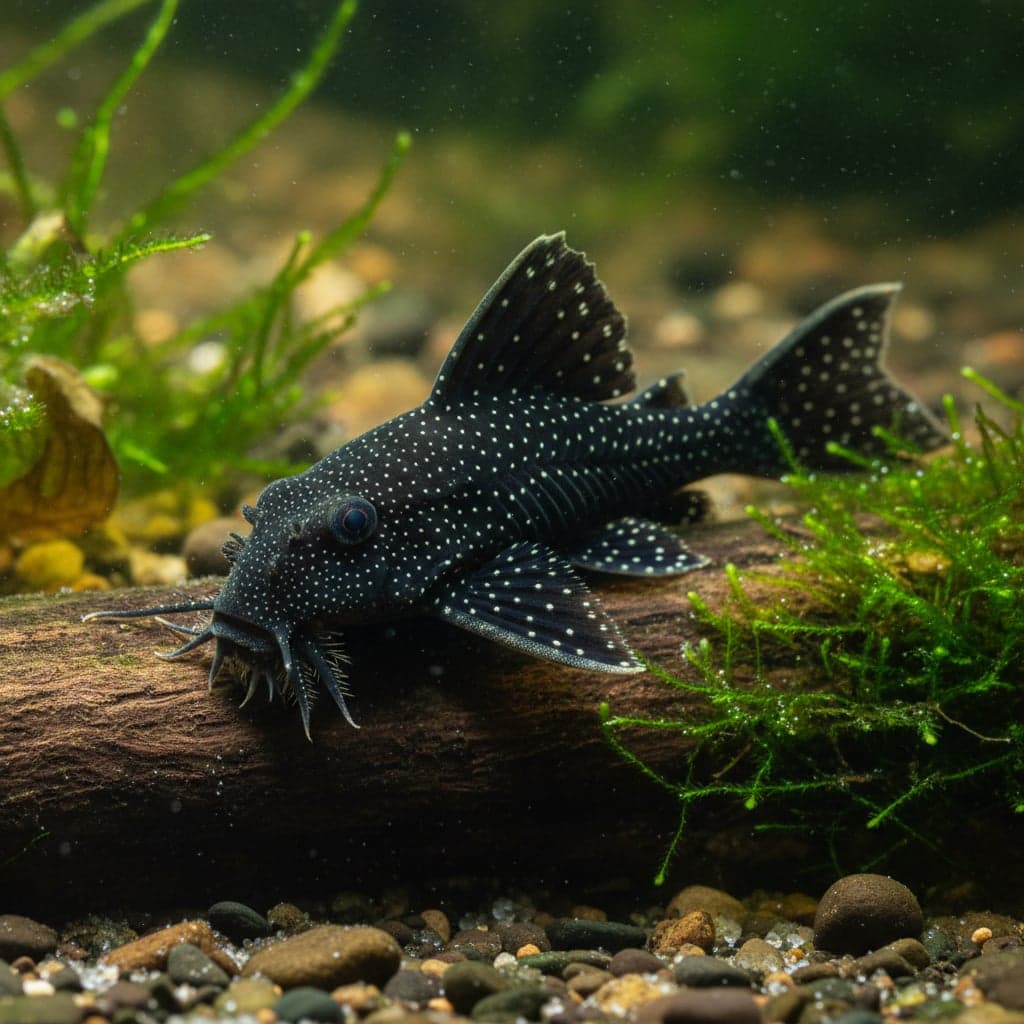
The ideal algae-eating pleco that stays small. Males develop impressive bristle-like tentacles on their snout that make them unmistakable.
Also known as: bristlenose catfish · bushynose pleco · Ancistrus cirrhosus · Ancistrus dolichopterus

Bristlenose Pleco
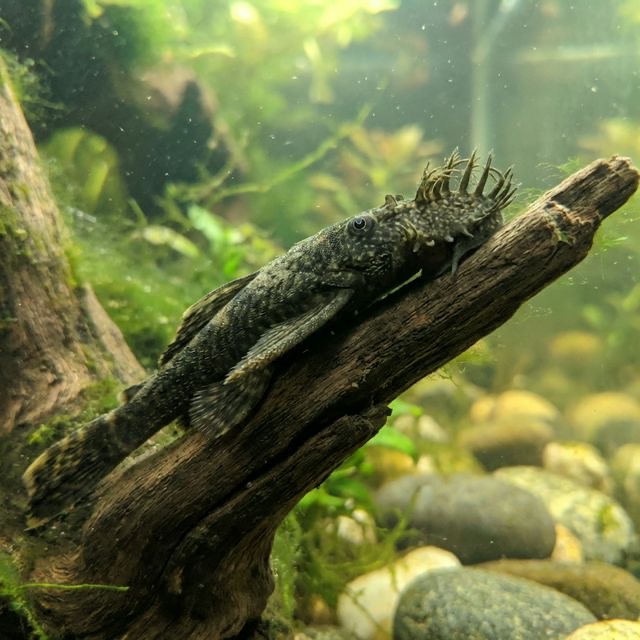
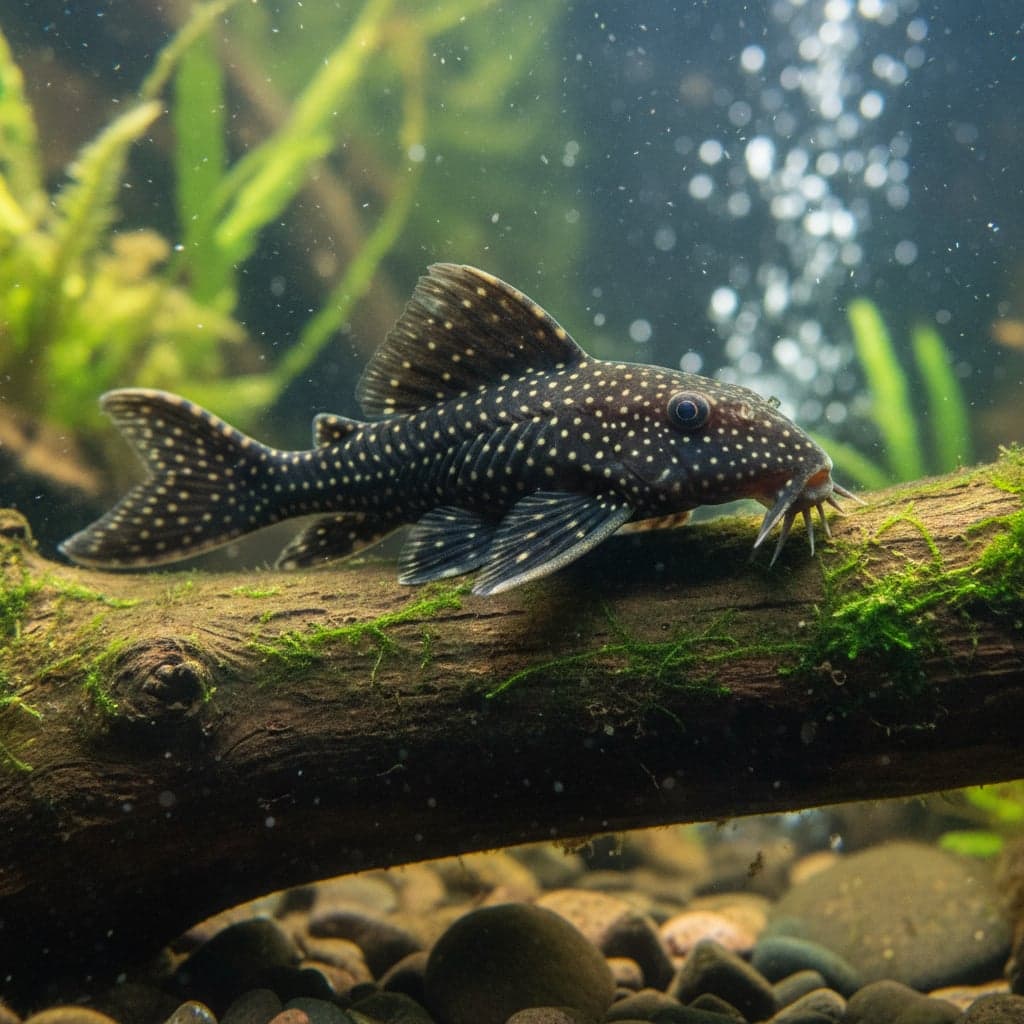
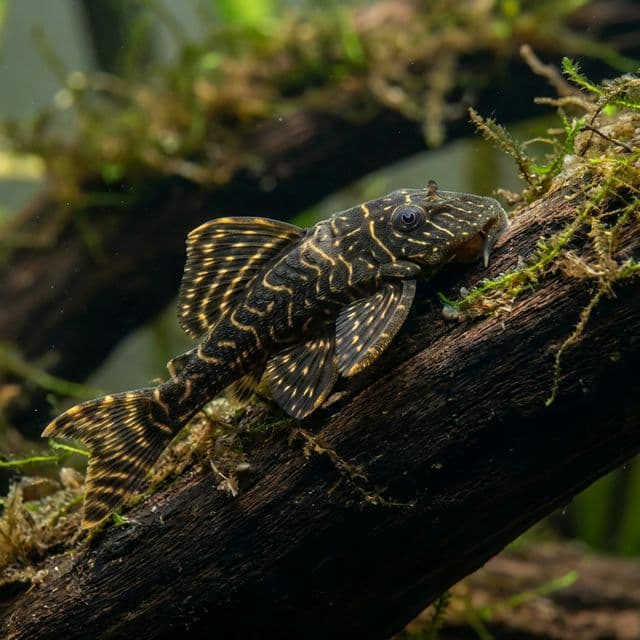
The Bristlenose Pleco, scientifically known as Ancistrus sp., is a small yet captivating freshwater fish that is widely cherished in the aquarium hobby. Its distinctive appearance is characterized by its broad, flattened body and the unique bristle-like structures that grow on the snouts of mature males, which give them their name. Typically, they exhibit a brown or greenish coloration adorned with lighter spots or patterns, allowing them to blend seamlessly into the substrate of their natural habitats. This visual appeal, combined with their serene and gentle demeanor, makes the Bristlenose Pleco a popular choice among both novice and experienced aquarists.
Beyond their aesthetics, Bristlenose Plecos play a significant role in maintaining the health of an aquarium. As herbivores, they possess a remarkable ability to consume algae, thus assisting in keeping tank environments clean and free from unwanted microbial growth. This natural behavior not only enhances the visual appeal of an aquarium by reducing algae blooms but also promotes a healthier ecosystem for other aquatic life. Their peaceful temperament and adaptability further underscore their value in community tanks, making them an essential species for any aquarist's collection.
Natural Habitat & Origin
The Bristlenose Pleco hails from the freshwater rivers and streams of South America, spanning the Amazon Basin and the Paraná–Paraguay system through Brazil, Paraguay and Argentina. They thrive in slow-moving waters, where the environment is rich in organic material and plant life. These fish are predominantly found in clear, softwater regions but can also adapt to slightly murkier waters occasionally encountered in their natural habitat. The ecological environment is typically lush with submerged vegetation, driftwood, and rocky substrates, which provide both shelter and breeding grounds essential for their survival.
In ecological terms, Bristlenose Plecos are often situated in heavily planted areas among roots and rocks, making them adept at finding food in these complex habitats. This natural setting emphasizes their preference for environments rich in hiding spots, which is imperative for their well-being in captivity as well. Understanding their natural backdrop helps aquarists recreate a suitable environment, allowing these resilient fish to flourish.
Care Requirements
To successfully care for Bristlenose Plecos, specific water parameters must be maintained. The ideal pH level ranges from 6.5 to 7.5, with a temperature spectrum between 72°F and 82°F (22°C to 28°C) and moderate hardness levels of 4-10 dGH. Maintaining these conditions ensures the health and longevity of these fish. In terms of tank setup, a minimum tank size of 20 gallons is recommended, especially if housing multiple individuals or tank mates.
For the substrate, a smooth sand or soft gravel is preferred, allowing them to forage naturally without injury. Bristlenose Plecos also appreciate dim lighting, which mimics their natural habitat; thus, providing floating plants or other cover can enhance their surroundings and reduce stress. Furthermore, integrating driftwood into the aquascape is crucial, as it not only serves as a source of food but also as a vital structural component where they feel secure.
Diet & Feeding
The Bristlenose Pleco is primarily an omnivore, thriving on a diverse diet that includes algae, plant matter, and detritus. In captivity, it is essential to provide a balanced diet to ensure optimum health. High-quality sinking pellets formulated for herbivorous fish are recommended, as they not only cater to their nutritional needs but also encourage natural foraging behavior. In addition to pellets, regular servings of fresh vegetables, such as zucchini, cucumber, and spinach, can supplement their diet effectively.
Aquarists can also introduce occasional sources of protein, such as bloodworms or brine shrimp, to provide necessary nutrients. While flakes can be offered, they are not as suitable for the Bristlenose Pleco due to their feeding habits. Providing a varied diet ensures that these fish receive a well-rounded nutrition profile, reducing the risk of health issues related to dietary deficiencies.
Behavior & Temperament
Bristlenose Plecos exhibit calm and peaceful behavior, making them suitable for community tanks. Typically, they are not schooling fish but can often be seen foraging alone or in pairs. They are largely nocturnal, so most feeding and activity happens at twilight and after the lights go out — which is also when they should be fed. They tend to occupy the lower sections of the aquarium, utilizing caves, crevices, and driftwood for shelter. While they are generally non-aggressive, males can display territorial behavior, particularly during breeding season or when defending food sources.
Understanding their behavior in the vertical layout of the tank is crucial, as they predominantly dwell near the substrate. This positioning allows for harmonious cohabitation with shy or surface-dwelling species, as Bristlenose Plecos tend to navigate their own territory without engaging other tank inhabitants aggressively.
Tank Mates
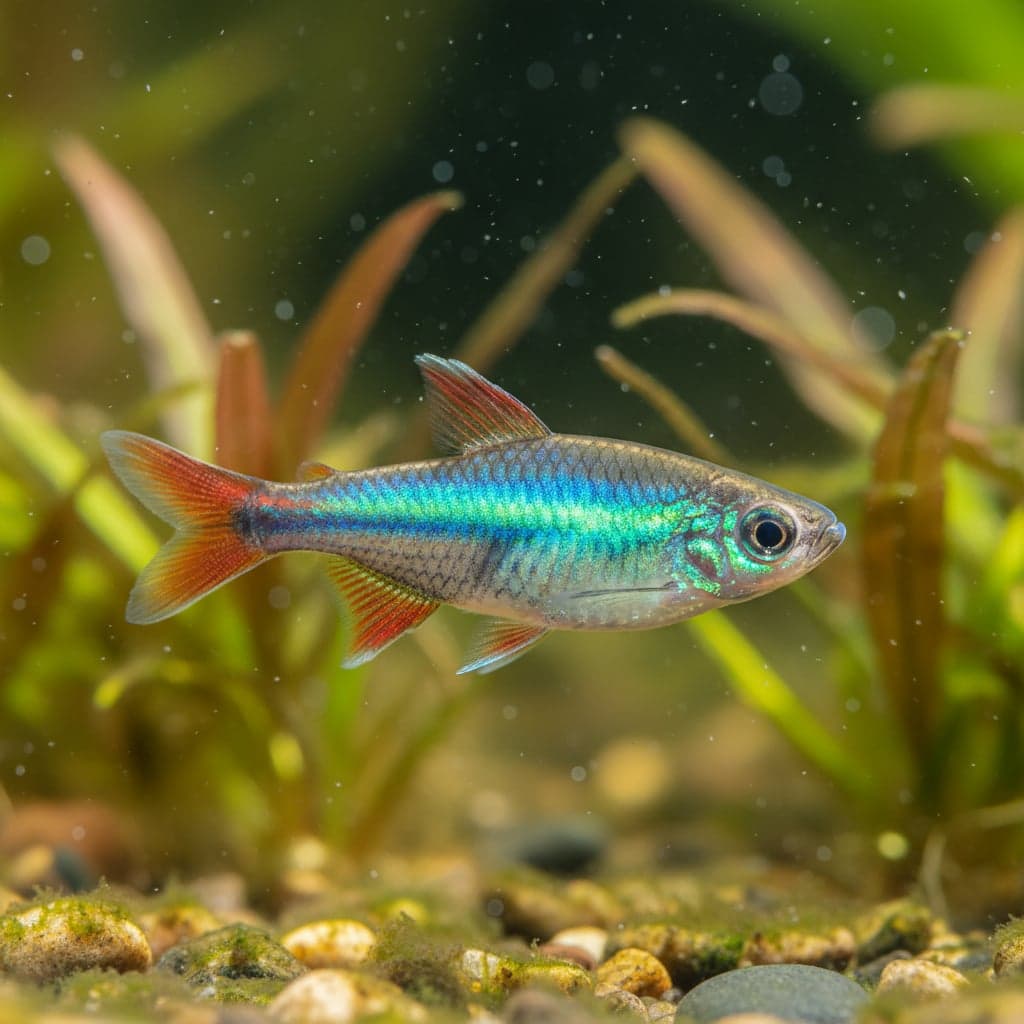
When selecting tank mates for Bristlenose Plecos, it is crucial to choose species that share similar water parameters and temperamental traits. Compatible species include tetras such as neon and cardinal tetras, small barbs such as cherry barbs, rasboras, danios, and peaceful livebearers like guppies and platies. Additionally, bottom-dwelling species like Corydoras catfish can coexist nicely with Bristlenose Plecos, as they occupy different niches in the aquarium.
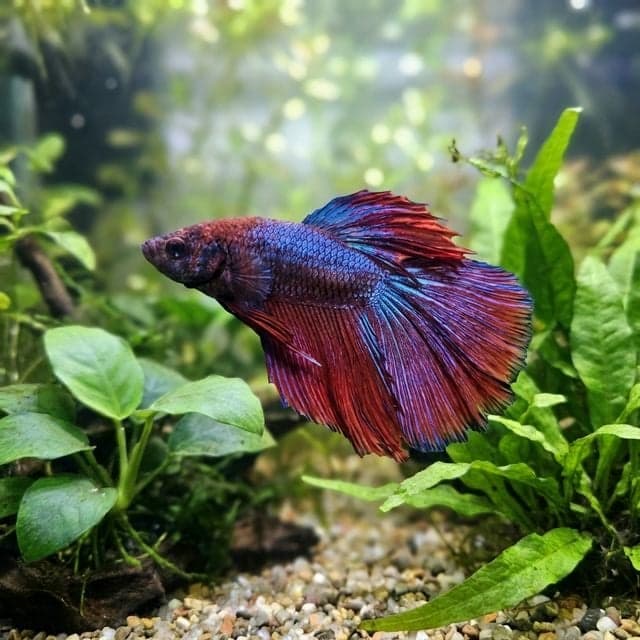
On the other hand, it is advisable to avoid keeping Bristlenose Plecos with aggressive or territorial fish, such as larger cichlids or fast-swimming species like bettas, which may become aggressive towards them. Ensuring a well-balanced community will help maximize the health and happiness of all inhabitants in the aquarium.
Breeding
Breeding Bristlenose Plecos in captivity can be an exciting endeavor for aquarists. These fish are known to be cave spawners, requiring specific conditions to stimulate spawning behavior. Males typically establish territories and will entice females to lay eggs within caves or crevices. Optimal breeding conditions include a water temperature of around 78°F (26°C) and a slightly acidic pH. Additionally, offering ample hiding spots and adequate algae growth can encourage breeding.
Once the female lays the eggs, typically numbering anywhere from 20 to 100, the male will guard and aerate the eggs until they hatch, which usually takes around 3 to 7 days. After hatching, the fry will consume their yolk sacs for nourishment before beginning to forage. From that point they take blanched courgette, crushed algae wafers and powdered spirulina straight away — no live-food cultures are needed. Providing proper care and conditions during this critical phase is vital for the successful rearing of Bristlenose Fry.
Common Health Issues
Bristlenose Plecos are generally robust and resilient fish; however, they can be susceptible to certain health issues. Common ailments include ich (Ichthyophthirius multifiliis), fin rot, and bloating. Ich is characterized by white spots on the fish’s body, leading to stress and lethargy, and is commonly treated with medications available in aquarium stores.
Providing a stress-free environment with stable water parameters is crucial for prevention. Regular water changes and a clean tank also help reduce the presence of harmful microorganisms. Monitoring their diet and ensuring that excess food does not accumulate can help avoid bloating, a condition arising from overfeeding or poor water quality. By maintaining proper husbandry practices, aquarists can significantly enhance the overall health and well-being of their Bristlenose Plecos.