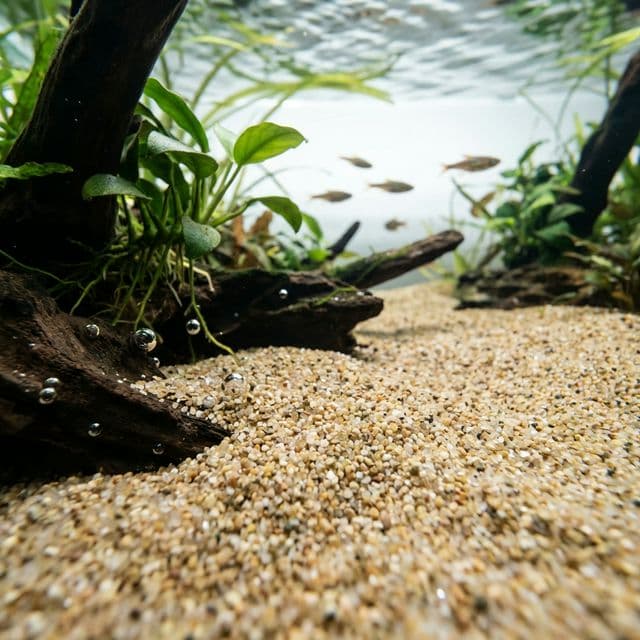
Sand
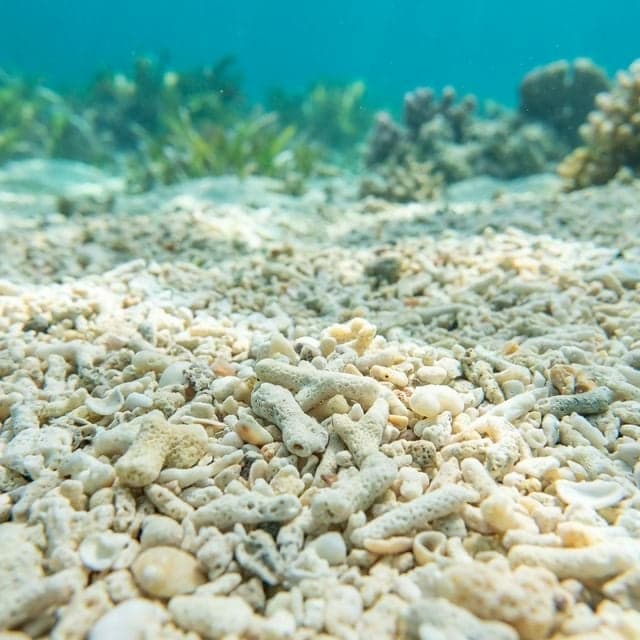
Sand is a natural hardscape material used in biotope and aquascaping setups.

Sand
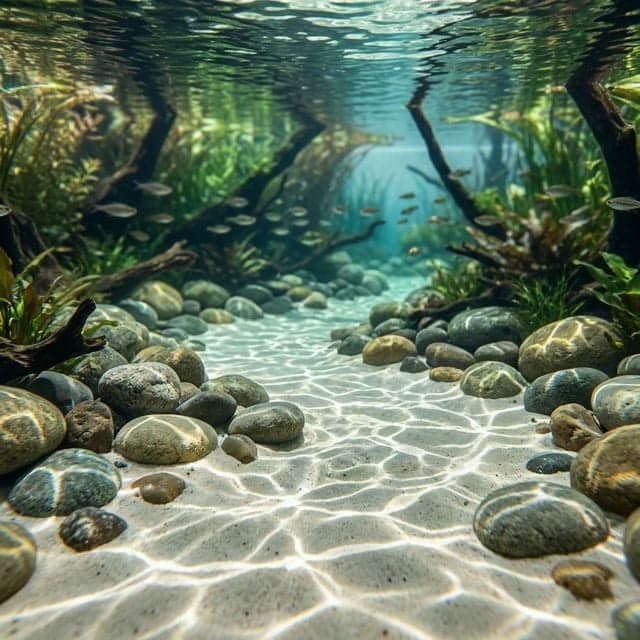
Sand is a popular substrate in aquascaping, known for its fine texture and versatility. Composed primarily of tiny particles of minerals and rocks, sand provides a natural aesthetic that emulates many aquatic environments, from rivers to beaches and shallow waters. Its neutral appearance can showcase the colors of plants and fish beautifully, making it an excellent choice for aquarists who want to create a serene underwater landscape. The aesthetic appeal of sand lies not only in its natural look but also in its ability to reflect light subtly, creating a stunning interplay of shadows and highlights that enhance the overall ambiance of the aquarium.
In the aquarium hobby, sand has gained immense popularity due to its ease of use and low maintenance requirements. It is not just a visual element; it also plays a functional role in providing habitat for beneficial bacteria and supporting aquatic plant life. Sand can be a perfect medium for root-feeding plants due to its fine particles, which allow for easy penetration and growth of roots. The minimalist look often associated with sand substrates aligns well with modern aquascaping trends, making it a go-to choice for both beginners and seasoned aquarists alike.
Usage Guide
When using sand in your aquascape, proper placement and layering can greatly enhance the visual appeal and functionality of the aquarium. For optimal results, a thickness of 1-2 inches is recommended, allowing for adequate root anchoring while maintaining an open substrate that prevents compaction. It’s beneficial to create slopes or gradients within the sand to add depth and dimension to your layout; this can be achieved by stacking sand higher on one side or around focal points such as rocks or driftwood.
Pairing sand with other hardscape materials can create a fascinating dynamic, such as combining it with larger stones in an Iwagumi-style setup. Position the stones strategically to create focal points and incorporate plants that thrive in sandy substrates, such as Cryptocoryne or various grasses. Always ensure to leave sufficient space for equipment like heaters or filter intakes to avoid trapping debris in the substrate, maintaining a clean and healthy environment for your aquatic life.
Cleaning & Preparation
Preparing sand for your aquarium is crucial to ensure a safe and clean environment for your fish and plants. Follow these steps for thorough preparation:
-
Boil (if necessary): If you're using natural sand (e.g., from a river or beach), begin by boiling it in water for about 10-15 minutes to eliminate any harmful bacteria or parasites.
-
Rinse Thoroughly: Place the sand in a clean bucket or container and rinse it under running water. This process will wash away fine dust and debris that can cloud your aquarium water. Ensure the water runs clear before the next step.
-
Scrubbing: If your sand has any clumps or impurities, use an aquarium-safe brush to scrub it gently while rinsing. Be careful not to damage any grains.
-
Acid Washing (if applicable): For sand that may contain calcium carbonate (common in some pool sands), perform acid washing by soaking it in a diluted muriatic acid solution (1:10 ratio) for a few minutes. Rinse thoroughly afterward to remove all traces of acid.
-
Soaking: Finally, soak the sand in clean water for a few hours to ensure any remaining particles settle before you introduce it to your aquarium.
By following these steps, you can ensure a clean and safe substrate ready for your aquatic environment.
Impact on Water Chemistry
One of sand's most advantageous characteristics is that it is generally inert, meaning it does not leach harmful substances into the aquarium water. Most aquarium sands will not affect pH or hardness significantly, making them suitable for a diverse range of aquatic species. However, it is essential to note that some types of sand, especially those containing calcium carbonate, can gradually increase the water's hardness (GH) and alkalinity (KH), which can elevate the pH level over time.
Aquarists should monitor parameters regularly, especially if they keep sensitive species. For example, a sand substrate from a coastal origin may lead to an increase in both pH and GH, which should be factored in when planning your tank. In general, the water parameters should ideally range from pH 6.5 to 7.5, and GH and KH levels should be suitable for the specific fish and plant species in your aquarium.
Aquascaping Styles
Sand substrates are highly versatile and can be effectively used in various aquascaping styles. One of the most suitable styles for sand is the Iwagumi layout, where strategically placed stones are complemented by plants growing in sandy substrate, creating a natural harmony. The simplicity of sand enhances the visual impact of the stones, allowing the aquarist to create a minimalist yet striking design.
Additionally, Nature Aquariums benefit from using sand as it mimics natural riverbeds, providing a realistic habitat for aquatic species. Similarly, Biotope setups that replicate specific natural environments can utilize sand to reflect the ecosystem of native fish. While sand might not be the first choice for a Scape style that favors high-impact textures (like lush moss or heavy rockwork), it can still be incorporated to provide balance and contrast effectively. Overall, sand is a fantastic choice for any aquascaper looking to achieve a natural, aesthetically pleasing, and functional aquarium setup.