Driftwood
Driftwood is a natural hardscape material used in biotope and aquascaping setups.

Driftwood
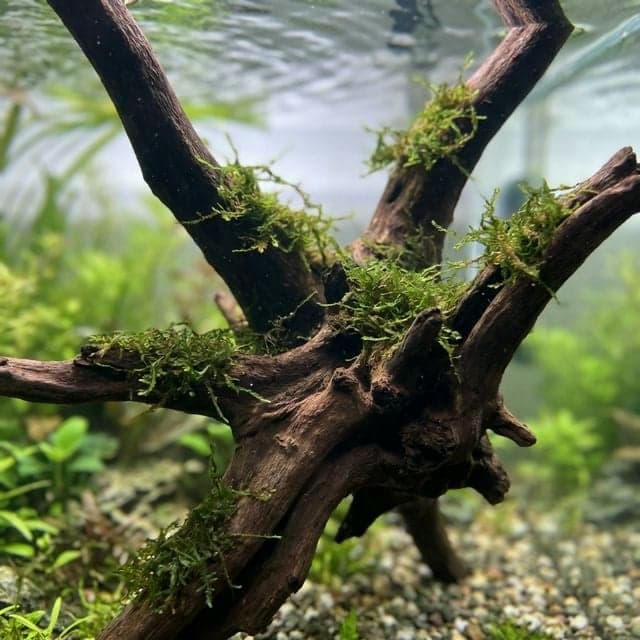
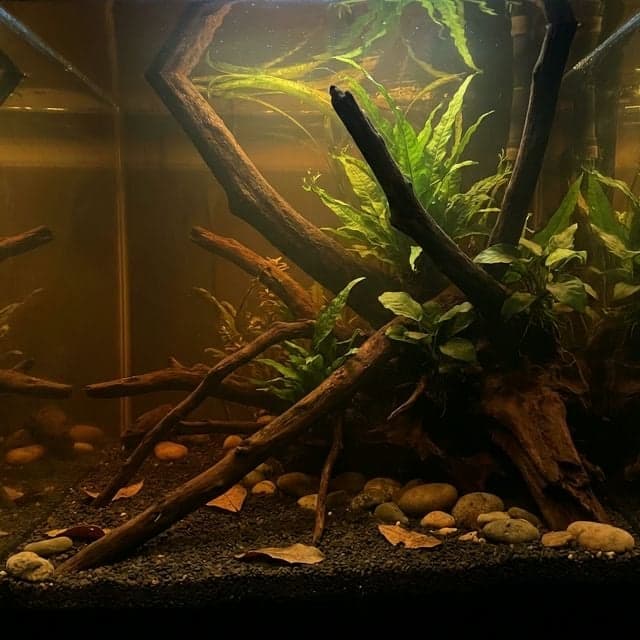
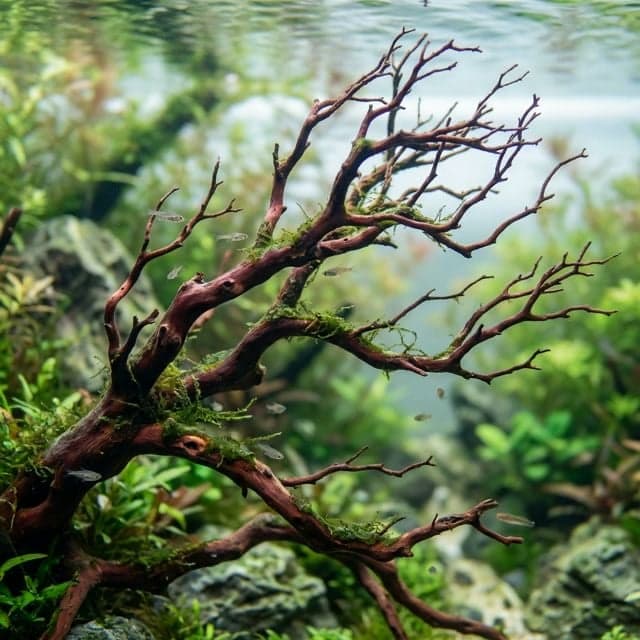
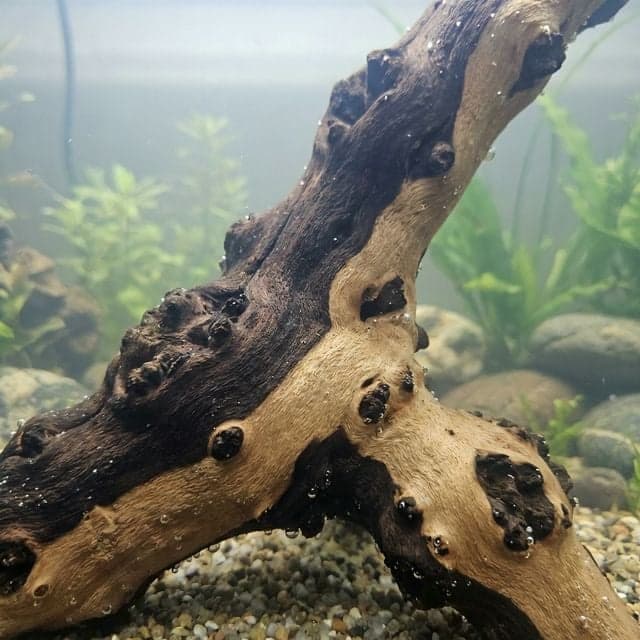
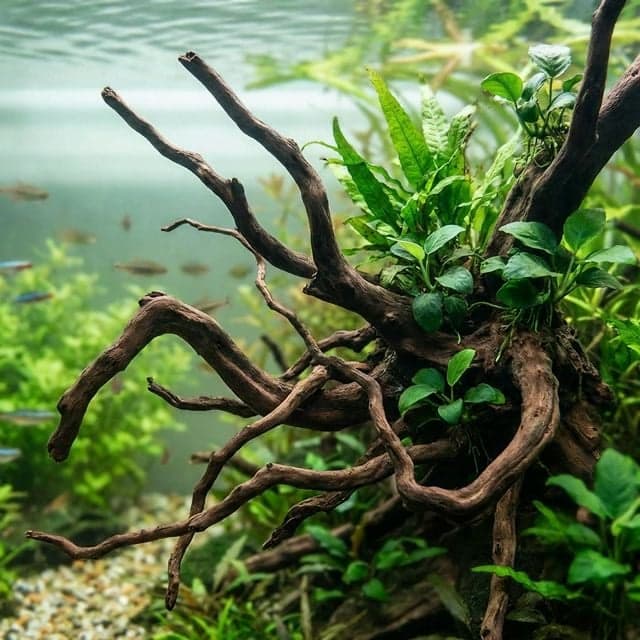
Driftwood is a highly sought-after aquascaping material known for its unique shapes, textures, and organic forms. It typically consists of submerged wood that has eroded over time in water bodies, creating intricate pieces that can range in color from light to dark brown. The natural appearance of driftwood adds a sense of realism and tranquility to aquaria, mimicking the natural habitats of many aquatic species. Its aesthetic qualities are further enhanced by the ability to pair it with aquatic plants, stones, and substrate, creating a harmonious landscape that appeals to both novice and experienced aquascapers alike.
The popularity of driftwood in the aquarium hobby stems not only from its visual appeal but also from its functional benefits. Driftwood can provide hiding spots and territorial boundaries for fish, making them feel more secure in their aquatic environment. Additionally, it promotes the growth of beneficial biofilm, which serves as a food source for some aquatic organisms. As hobbyists seek to recreate natural ecosystems within their tanks, driftwood has become an indispensable material, enriching both the aesthetic and functional qualities of aquascaping layouts.
Usage Guide
Incorporating driftwood into an aquascape requires thoughtful planning and creative placement. Begin by selecting a focal piece that will dominate the layout, considering the size of your tank and the dimensions of the driftwood. Position the driftwood at an angle to create dynamic lines and prevent a symmetrical look, which can often appear unnatural. Using multiple pieces can also enhance the overall composition—stack smaller branches around larger ones to create a more layered effect.
Pairing driftwood with other aquascaping materials like rocks or substrate can elevate your design. For example, create a contrast by stacking smooth stones around the driftwood or interspersing plants to soften the hard edges of the wood. It’s important to ensure that the placement allows for water circulation and light penetration to the surrounding plants. Always consider the compatibility of driftwood with your chosen aquatic plants and fish, as some species thrive better when both natural and man-made materials are used harmoniously within their habitat.
Cleaning & Preparation
Preparing driftwood before it enters your aquarium is a crucial step to ensure a healthy environment for your aquatic life. Here’s how to properly clean and prepare driftwood:
-
Scrubbing: Start by rinsing the driftwood under running water to remove any surface debris and dirt. Use a stiff brush to scrub off any unwanted particles, making sure to clean all crevices where dirt may hide.
-
Boiling (Optional): If your driftwood is large enough for boiling, this is a great way to sterilize it. Submerge the wood in a pot of boiling water for 1-2 hours. This process helps eliminate harmful pathogens and removes some tannins, which can stain your water.
-
Acid Washing (If Necessary): For particularly dirty driftwood or to ensure thorough cleaning, an acid wash can be employed. Prepare a solution of one part white vinegar to three parts water, and soak the driftwood for about an hour. Rinse thoroughly afterward to avoid introducing any acidity into the aquarium.
-
Soaking: Regardless of whether you boiled or acid-washed your driftwood, soak it in a bucket or tub of water for several days, changing the water daily. This step helps to leach out any remaining tannins, and also promotes buoyancy reduction, as many driftwoods tend to float initially.
Following these preparation steps will ensure that your driftwood is safe and ready for your aquarium setup.
Impact on Water Chemistry
Driftwood has a notable impact on water chemistry, primarily through the leaching of tannins. Tannins are organic compounds that can soften water and lower pH levels, making them relevant for simulating biotope environments for specific fish species such as discus or tetras. In general, driftwood tends to lower the general hardness (GH) and carbonate hardness (KH) of water, creating a more acidic environment, typically ranging from pH 5.5 to 7.5 depending on the species of wood and its condition.
While many aquarists appreciate the aesthetic of tinted water produced by leached tannins, it is crucial to monitor water parameters regularly, especially if you have sensitive species. The impact on calcium and magnesium levels can also be observed, as most driftwood is considered inert in this regard, meaning it should not substantially contribute minerals to your water column, unlike some rock materials.
Aquascaping Styles
Driftwood is incredibly versatile and effectively lends itself to various aquascaping styles. It is particularly well-suited for the Nature Aquarium style, which emphasizes natural aesthetics through the balance of hardscape materials, including driftwood, and aquatic plants. The organic forms of driftwood can mimic the natural chaos found in nature, contributing to a balanced and harmonious design.
In Iwagumi setups, driftwood can serve as a secondary focal point, adding depth and interest to rock arrangements. For biotope aquariums, driftwood is essential for recreating specific river or lake habitats, governing the environment in which specific species thrive. Lastly, when looking to design scape tanks, driftwood can play a beautiful role in creating layered dimensions, allowing for striking visuals that enhance the overall aquatic landscape. Its adaptable nature ensures that driftwood can elevate many styles in the aquascaping world.