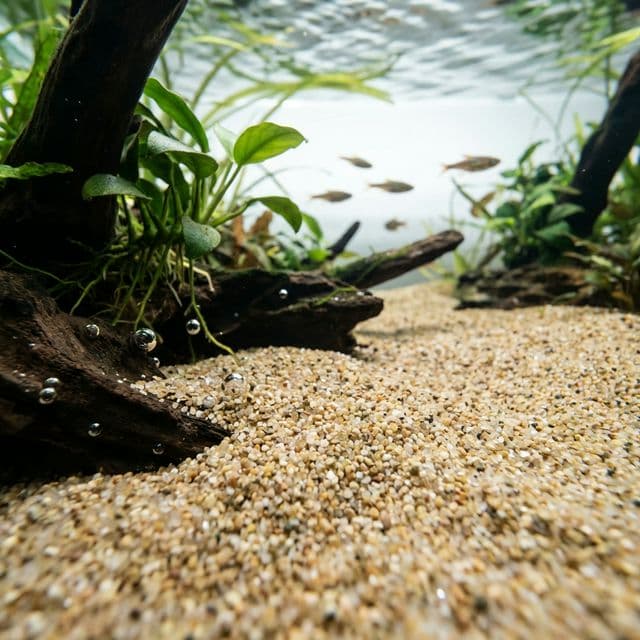
Flourite: The Clay Classic
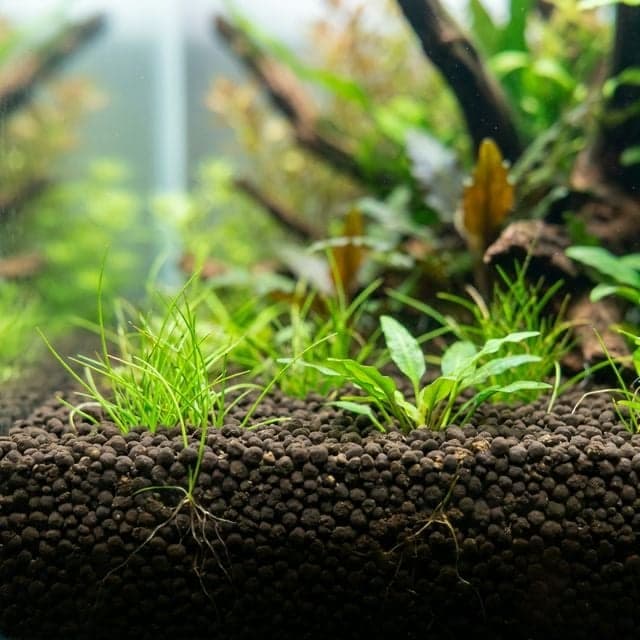
Seachem Flourite is a porous clay gravel. It is not an active soil (doesn't lower pH) but holds nutrients well.
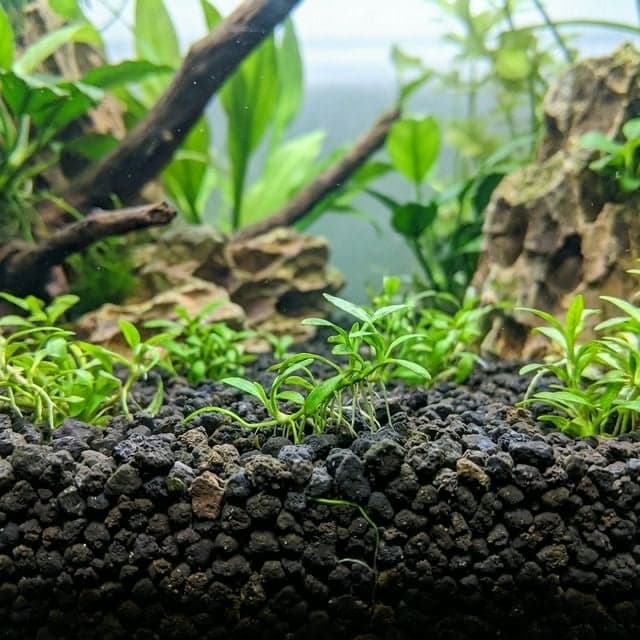
Flourite
Flourite, often referred to as "The Clay Classic", is a highly sought-after substrate in the aquascaping community due to its rich composition and aesthetic appeal. It is a specially formulated clay substrate that is designed to provide excellent conditions for root growth in planted aquariums. Flourite is available in various colors, with a natural earthy palette that includes shades of brown, red, and black. This color variation allows aquascapers to blend the substrate seamlessly into a variety of layouts, enhancing the overall visual depth and creating a more organic look. Its porous structure not only supports beneficial bacteria growth but also provides an attractive base that pairs well with both terrestrial and aquatic plants.
The popularity of Flourite in the hobby can be attributed to its performance and versatility. Unlike many other substrates, it offers a perfect balance of drainage and moisture retention, making it ideal for a wide range of aquatic plants, from low-tech to high-tech setups. Moreover, its lightweight and easily manageable granules allow for effortless shifting and reshaping within the aquarium. With its ability to maintain soil structure over time, Flourite often becomes a staple choice for both novice and experienced aquascapers looking to create lush, flourishing underwater landscapes.
Usage Guide
When utilizing Flourite in your hardscape layout, it is essential to plan the arrangement carefully for optimal aesthetic appeal and plant growth. Begin by laying down a foundation layer of Flourite that is 2-3 inches deep, ensuring adequate depth to accommodate root systems. For a natural appearance, consider varying the depth in different sections of the aquarium to create natural slopes or plateaus. When stacking Flourite, utilize the natural granule structure to form stable mounds that support taller plants. This stability is crucial, especially for larger aquatic species that may otherwise topple over.
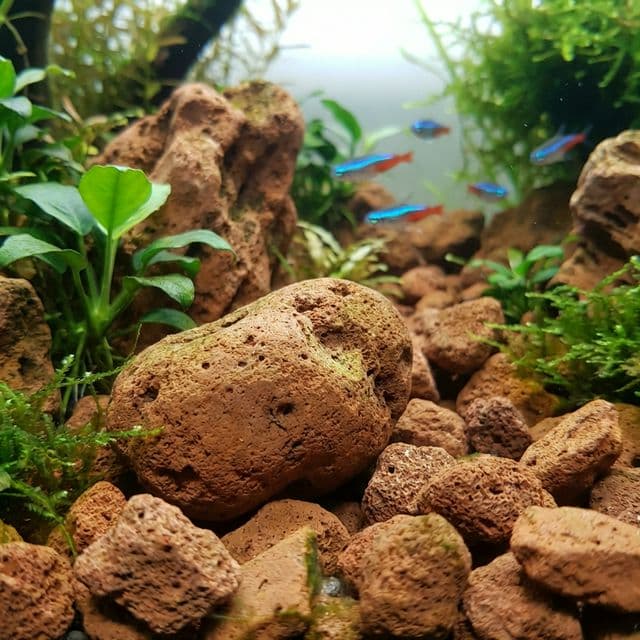
Pairing Flourite with other hardscape materials, such as rocks and driftwood, can enhance your layout. For instance, placing smaller stones partially embedded in Flourite allows for a more integrated look, mimicking real natural environments. Additionally, using Flourite around the base of driftwood can help create a cohesive design that facilitates plant growth while also ensuring easy access for maintenance. Remember to focus on the principles of balance and harmony when combining various elements, as Flourite serves as a versatile base that complements many materials.
Cleaning & Preparation
Preparing Flourite for use in your aquarium requires a few simple yet important steps to ensure it is clean and ready for planting. First, it is advisable to thoroughly rinse the substrate in a large container or under running water. This initial rinse helps remove any dust or small debris that could cloud your aquarium water. Use a fine mesh sieve or colander to catch the smaller granules as you rinse.
Once rinsed, some aquascapers choose to boil Flourite to sterilize it, especially if there are concerns about pathogens. To do this, place the substrate in a large pot of boiling water for approximately 10-15 minutes. This step helps eliminate any harmful bacteria or pests. After boiling, allow the Flourite to cool before handling it again. While acid washing is generally not necessary for Flourite, if you are concerned about the presence of contaminants or residues, a mild vinegar solution can be used cautiously to clean specific batches. Be sure to thoroughly rinse the substrate again afterward and soak it in dechlorinated water for several hours to prepare it for its new aquatic home.
Impact on Water Chemistry
Flourite substrate is known for being a semi-inert material, meaning it does not actively leach harmful chemicals into the water. However, it does have a unique composition that can slightly influence water chemistry. While Flourite does not leach tannins, it can impact mineral content in the aquarium. It has been reported to have the potential to leach small amounts of calcium and magnesium, which may contribute to the overall hardness of the water. This can result in a slight increase in General Hardness (GH) and, to a lesser degree, Carbonate Hardness (KH).
In terms of pH, Flourite typically maintains a neutral to slightly acidic range, making it suitable for most freshwater setups with a pH ranging from 6.0 to 7.5. This range often supports a wide variety of aquatic plants and fish while preventing excessive fluctuations in water chemistry. Regular monitoring is advised, especially right after initially setting up the aquarium, as Flourite may have a more pronounced impact on newly established ecosystems compared to well-established ones.
Aquascaping Styles
Flourite is adaptable and can enhance a multitude of aquascaping styles, but it particularly shines in specific designs such as Iwagumi and Nature Aquarium styles. In Iwagumi layouts, its earthy tones complement the rocks and create cohesive mounds that highlight the simplicity and balance fundamental to this style. For Nature Aquariums, Flourite serves as a lush backdrop that supports a diverse range of aquatic plants while mimicking natural habitats. This makes it an excellent choice for achieving a vibrant and thriving ecosystem.
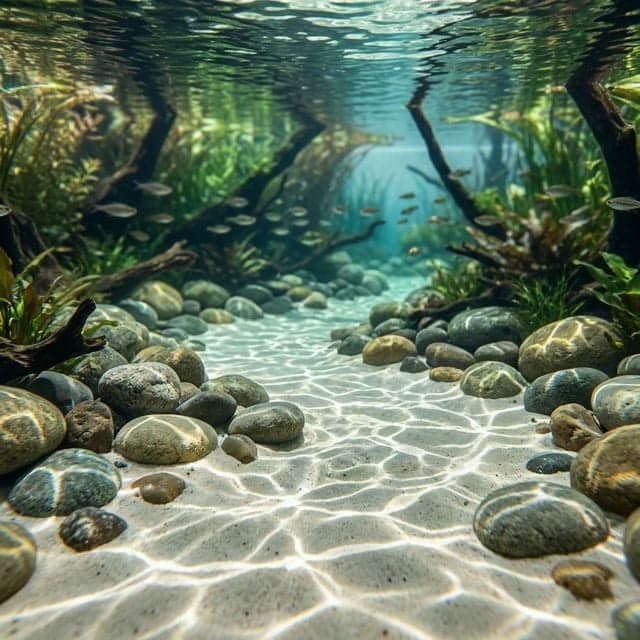
Additionally, Flourite is suitable for biotope aquariums, as its natural appearance closely resembles various freshwater habitats around the world. It pairs effectively with soft-scape elements to replicate environments found in streams, rivers, or lakes. Whether you're aiming for a minimalistic Iwagumi layout or a rich, complex biotope setup, Flourite provides the foundation necessary for creating a visually stunning and ecologically balanced aquarium.