Crushed Coral: The pH Buffer
A functional substrate made of calcium carbonate. Used to raise pH and KH for African Cichlids and Livebearers.
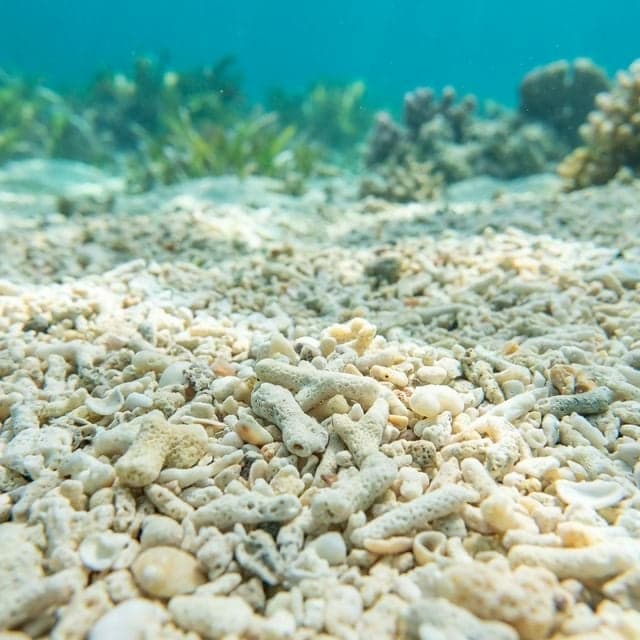
Crushed Coral
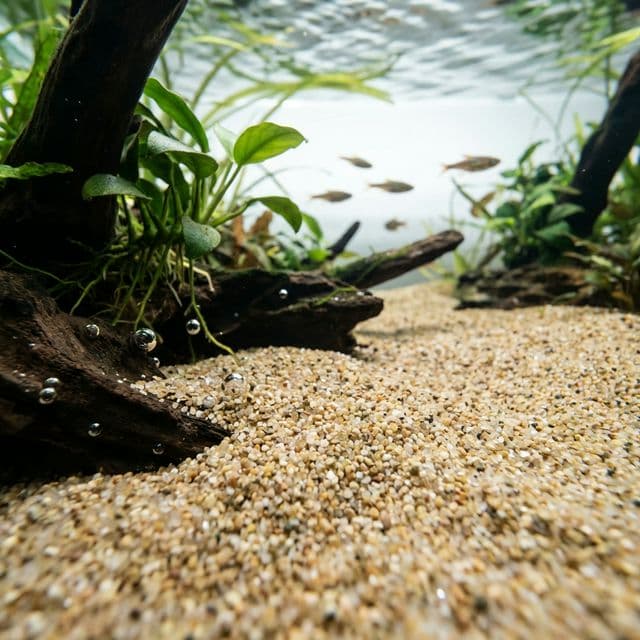
Crushed coral is a popular aquarium hardscape material primarily derived from the calcium carbonate skeletons of marine organisms, primarily corals. This material is characterized by its coarse texture and light coloration, which can vary from pale white to beige, and sometimes includes hints of pink or cream. Aesthetically, crushed coral adds a unique visual element to aquascapes, providing a natural, seaside appearance. Its rough edges and varying particle sizes contribute to a dynamic and textured substrate that can enhance the overall beauty of aquatic landscapes. The light color of crushed coral reflects light well, contributing to the brightness of the aquarium and making it an appealing choice for hobbyists looking to create a vibrant underwater environment.
In the aquarium hobby, crushed coral is particularly popular among aquarists focused on maintaining specific water parameters necessary for certain species, especially in saltwater and brackish water setups. Its pH-buffering capabilities make it a sought-after substrate for aquarists who want to stabilize their water chemistry. This is especially beneficial in setups for particular cichlids that thrive in harder, alkaline waters, as well as for reef aquariums where maintaining stable pH levels is crucial for coral health. Thus, its unique properties not only enhance the aesthetic appeal of the tank but also serve functional purposes that resonate deeply with the aquatic community.
Usage Guide
When integrating crushed coral into your aquascaping layout, it's essential to strategically place and stack the material to achieve both functionality and visual appeal. Start by laying a substrate layer of crushed coral at the bottom of the aquarium—typically around 1 to 2 inches thick—ensuring that you have a solid base for plant roots and other materials. For a natural look, consider creating varied elevations by stacking crushed coral in piles or hills, which can add depth to the aquascape. The inclusion of other hardscape elements, such as driftwood or rocks, can enhance the aesthetic by breaking up the uniformity of the crushed coral while offering contrast.
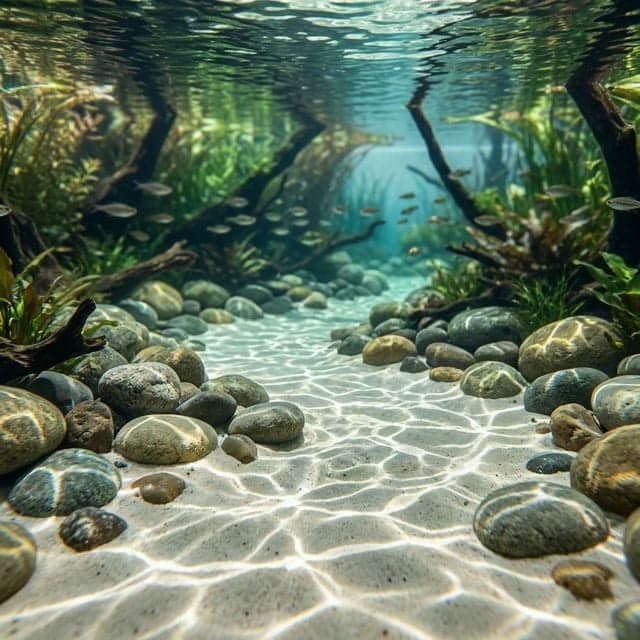
When pairing crushed coral with other materials, consider using it alongside smooth stones or rounded pebbles, which can soften the hard edges of the coral. Placing aquatic plants with a similar natural habitat near and within the crushed coral can also create a seamless, integrated design that appeals visually. Be mindful to avoid overcrowding, as maintaining negative space is key to achieving a balanced look. Additionally, consider the compatibility of your aquatic species with the pH levels that crushed coral tends to maintain—this can influence the choice of plants and fish you include in your setup.
Cleaning & Preparation
Properly preparing crushed coral before adding it to your aquarium is vital to ensure a healthy aquatic environment. Follow these steps for effective cleaning and preparation:
-
Rinsing: Begin by placing the crushed coral in a large bucket or a fine mesh bag. Rinse it thoroughly with tap water to remove any dust or debris accumulated during packaging. Use a hose suitable for aquarium use to power rinse the coral, ensuring that you are not using any harmful chemicals.
-
Scrubbing: If the crushed coral is particularly dirty, a gentle scrubbing with a soft-bristled brush can help remove stubborn impurities. Be cautious not to damage the coral structure in the process.
-
Boiling (optional): For those who prefer a more thorough cleaning, boiling the crushed coral for around 10-15 minutes can help sterilize the material. This step is crucial if you are setting up a new tank or if the coral has been previously used in another aquarium.
-
Acid Washing (if needed): If there’s concern about calcium carbonate build-up or old contaminants, you may opt for acid washing. Mix equal parts of white vinegar and water, and soak the crushed coral for about 15 minutes. Rinse thoroughly afterward to ensure no residual acid is left.
-
Soaking: Once rinsed and scrubbed, it is advisable to soak the crushed coral in dechlorinated water for at least 24 hours before adding it to your aquarium. This allows it to absorb some water and helps ease its integration into your aquarium's ecosystem.
Impact on Water Chemistry
Understanding the impact of crushed coral on your aquarium's water chemistry is vital for ensuring a thriving aquatic environment. Crushed coral is not considered inert as it does indeed leach calcium carbonate into the aquarium water. This characteristic makes it an effective pH buffer, raising the pH and stabilizing it, typically between 7.5 and 8.5, depending on the quantity used and the existing conditions of your aquarium setup.
The calcium and magnesium leached from crushed coral can increase general hardness (GH) and carbonate hardness (KH), making it suitable for species that thrive in harder waters, such as African cichlids. While the exact parameters depend on the specific tank setup and other substrate materials used, crushed coral can significantly influence water hardness, and therefore, it's crucial to regularly monitor the water parameters to ensure they align with the needs of your aquatic life. Be cautious when using crushed coral in community tanks, as it may not be suitable for soft water species.
Aquascaping Styles
Crushed coral lends itself well to various aquascaping styles, enhancing the overall theme and functionality of the aquarium. It is particularly suited for biotope aquascapes, especially those mimicking the natural habitats of African rift lakes where alkaline, mineral-rich substrates prevail. In such settings, crushed coral not only supports the aesthetic but also aligns with the natural preferences of the fish species and plants present.
Additionally, crushed coral can be effectively incorporated into Iwagumi designs, where it acts as a substrate that contrasts with smooth stones while providing a natural and harmonious base. Nature Aquarium styles may also benefit from its use, provided it is complemented with suitable aquatic plants that thrive in harder water conditions. However, it may not be ideal for low-tech setups focused on soft water species or delicate plants, as the pH may be too high for their preferences. Hence, when planning your aquascape, consider the species and plants that will inhabit your aquarium to ensure a successful and aesthetically pleasing arrangement.