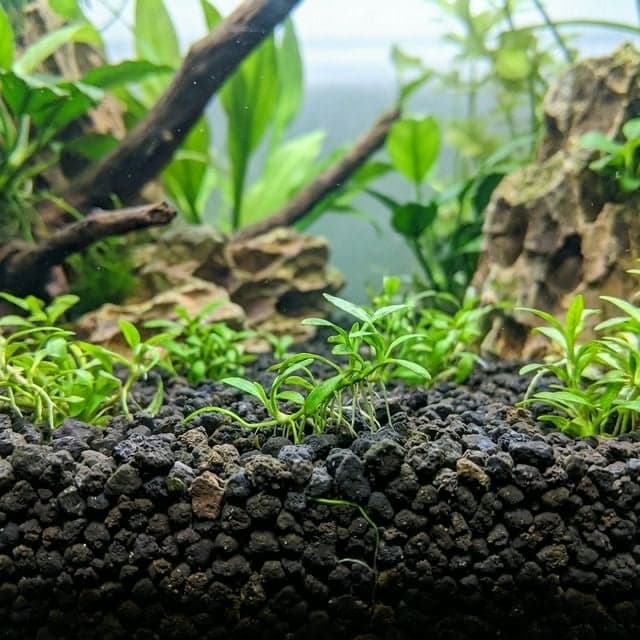
Clay
Clay is a natural hardscape material used in biotope and aquascaping setups.
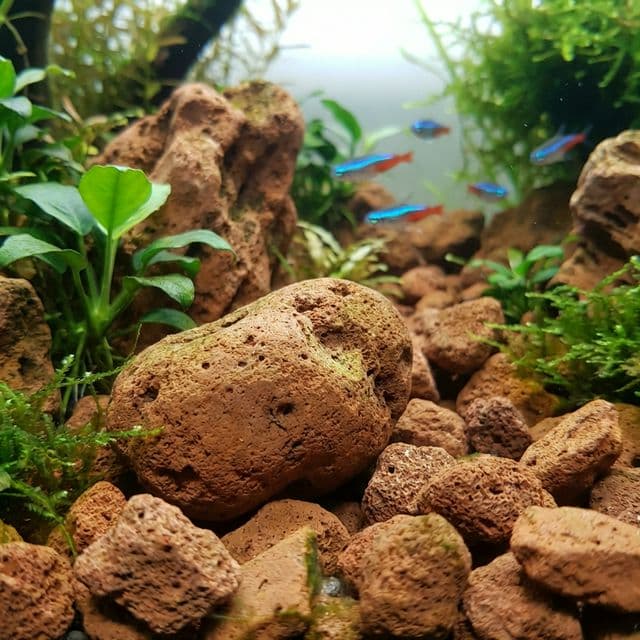
Clay
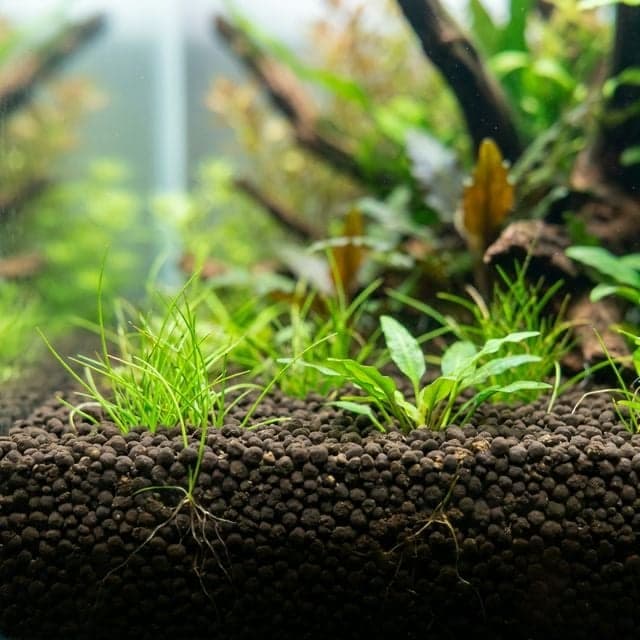
Clay is a natural material composed of fine particles of minerals that exhibit plasticity when wet and hardness when fired. In the context of aquascaping, clay is beloved for its aesthetic versatility and organic appearance. Its earth-toned colors range from deep browns to reddish hues, making it an excellent choice for creating wholesome, rustic environments mimicking natural habitats. The structural qualities of clay allow aquascapers to craft intricate shapes and textures that harmonize well with aquatic life. This material is not only visually appealing but also lightweight compared to other hardscape options, making it easier to manipulate during the design process. Its porosity offers additional benefits by providing a surface for beneficial bacteria to colonize, contributing to the overall health of the aquarium ecosystem.
Clay has gained popularity in the aquascaping community due to its unique properties and adaptability in varying styles. Its ability to retain moisture makes it an excellent substrate for aquatic plants, as it provides essential nutrients and support without overwhelming the aquascape. Additionally, clay can be successfully incorporated into various setups, ranging from minimalistic Iwagumi to more dynamic Nature Aquariums. As the hobby advances, clay’s multifunctionality continues to attract new aquascapers, with many exploring creative uses such as sculptural elements or even as part of breeding setups. Consequently, clay is more than just a hardscape material; it serves as an essential element that enhances both the aesthetic and ecological aspects of the aquarium.
Usage Guide
When designing a layout with clay, consider its placement strategically to create depth and focal points within the aquarium. Start by shaping the clay into desired forms, such as rocks, driftwood replicas, or even terrain features like hills or plateaus. Stack and layer the clay pieces to achieve a natural look while ensuring stability; avoid relying on loose structure to keep the creations from collapsing. Clay’s malleability allows for creative expression, enabling you to blend it seamlessly with other natural elements like stones, wood, or sand.
Pairing clay with other materials can drastically enhance the aquascape’s visual appeal. When combining it with stones, opt for those that mimic clay's color palette for a cohesive look. You can create a contrasting texture by adding driftwood or live plants, which will break up the solidity of the clay and introduce organic shapes. Additionally, be mindful of the height and arrangement; generally, taller clay structures should be placed towards the center or back of the aquarium, tapering down towards the front to maintain a sense of perspective. This layering will create a dynamic three-dimensional landscape that invites further exploration by both fish and viewers alike.
Cleaning & Preparation
Preparing clay for aquascaping requires thorough cleaning to eliminate any contaminants and ensure it fits your tank's environment. Follow these step-by-step instructions:
-
Initial Rinse: Begin by rinsing the clay under fresh, running water to remove surface dust and debris. Use a fine mesh container or sifting area to prevent the clay pieces from being washed away.
-
Scrubbing: For stubborn residues, use a soft brush or cloth to scrub the clay gently. Avoid harsh chemicals, as these can be harmful to aquatic life.
-
Boiling: Boil the clay pieces in water for about 15-20 minutes. This step not only disinfects the clay but also helps remove any remaining organic materials.
-
Cooling and Rinsing: Allow the boiled clay to cool. Once cool, give it a thorough rinse to wash away any contaminants that may have leached out during the boiling process.
-
Acid Washing (if necessary): While not always needed for clay, if you're repurposing older pieces or are unsure of their history, a mild acid wash using distilled white vinegar (1 part vinegar to 3 parts water) can be beneficial. Soak the clay in this solution for about 30 minutes, then rinse thoroughly to eliminate any residue.
-
Soaking: After cleaning, soak the clay in dechlorinated water for several hours to restore moisture before placing it in the aquarium. This ensures it won't leach any unwanted substances into the water during the initial setup.
Impact on Water Chemistry
It's critical to understand clay's role in water chemistry before incorporating it into an aquarium. Generally, most clay types are considered inert, meaning they do not leach significant amounts of harmful substances like heavy metals or chemicals into the water. However, certain clays may release trace amounts of minerals such as calcium and magnesium, potentially influencing the general hardness (GH) of the water.
The impact of clay on pH levels can vary; while the majority of aquarists find little to no effect on acidity, certain clays can cause a slight increase in pH, particularly those rich in limestone content. These changes can influence the aquatic plant growth and fish health, particularly if you are maintaining a more sensitive biotope setup. It's essential to regularly test water parameters—GH, KH, and pH—after introducing clay to ensure a stable and healthy environment for aquatic life.
Aquascaping Styles
Clay's versatile properties make it suitable for various aquascaping styles. One of the most notable is Iwagumi, where sleek, minimalistic stone arrangements can be enhanced by clay's earthy tones and textures, adding a natural touch to the aquatic environment. The malleability of clay also complements the Nature Aquarium style, allowing for the construction of scenic features that blend seamlessly with both plants and fish.
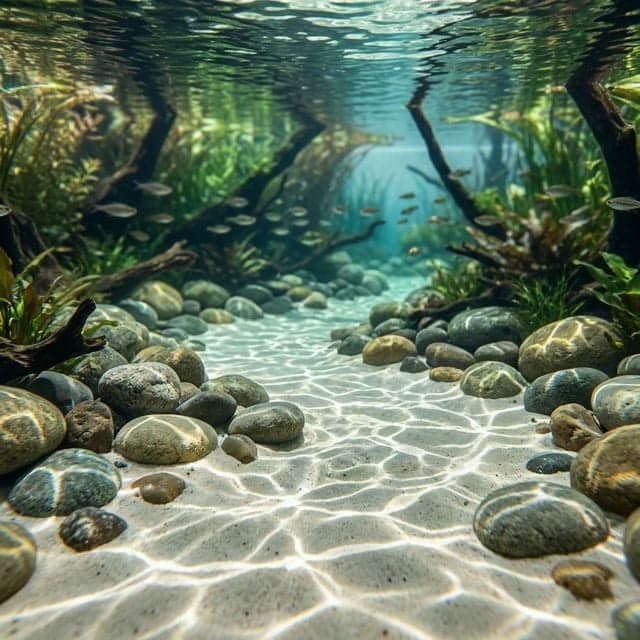
Additionally, clay works well in Biotope aquascapes, where recreating natural habitats is essential, including riverbanks and wetland environments. Its tactile nature lends itself to forming soft landscapes that mimic the organic forms found in nature. The Scape style, which emphasizes diversity and layout balance, can also benefit from clay, offering an opportunity for dynamic forms and integrative planting. Thus, clay stands as a favored material within the aquascaping community, capable of transcending various styles while enhancing both aesthetic and functional qualities.