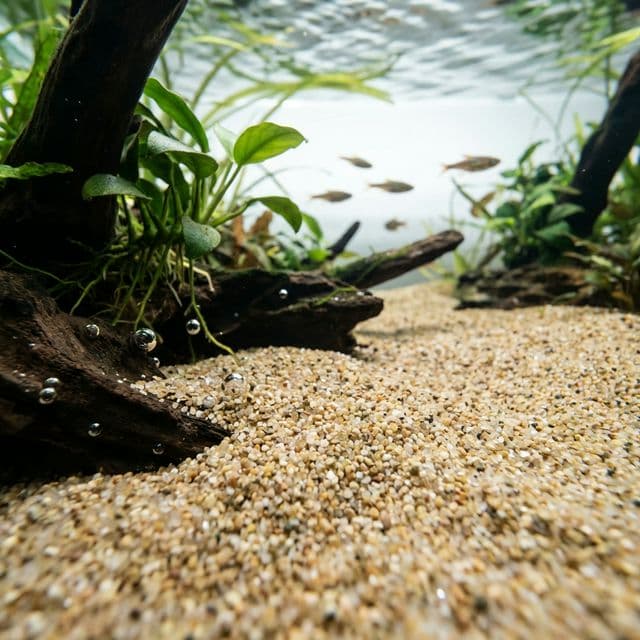
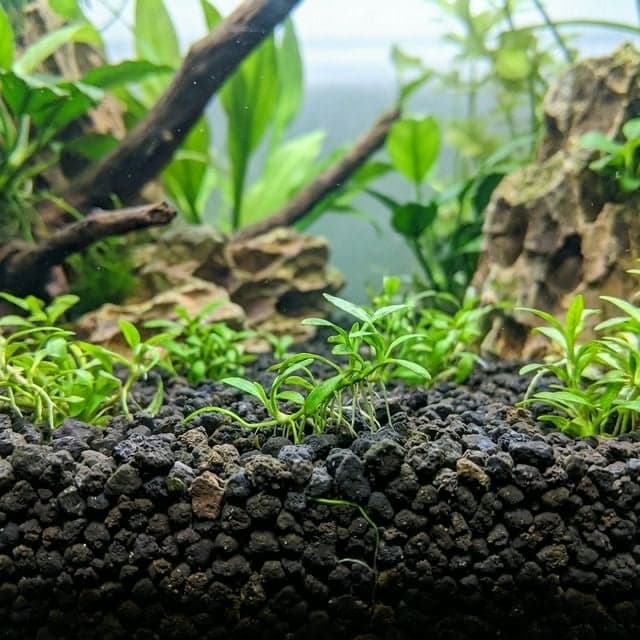
Dark silt substrate
Dark silt substrate is a natural hardscape material used in biotope and aquascaping setups.

Dark silt substrate
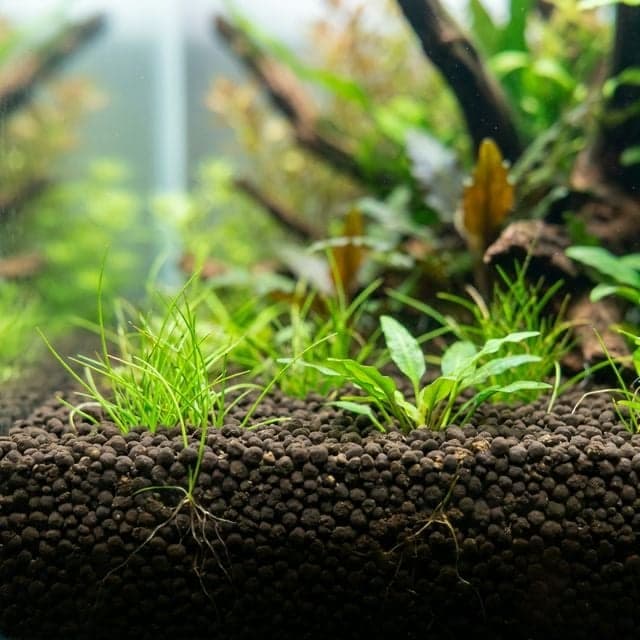
Dark silt substrate is a popular choice among aquarists and aquascapers due to its rich, earthy tones that enhance the visual depth of aquatic environments. Typically composed of finely textured organic material and nutrients, dark silt mimics natural riverbed sediment, providing both aesthetic appeal and functional benefits. Its dark color contrasts beautifully with vibrant aquatic plants and colorful fish, allowing them to stand out and creating a striking visual impact. This substrate can bring a sense of natural ambiance to a tank, evoking the feeling of a lush, thriving ecosystem.
The popularity of dark silt substrate within the aquarium hobby stems from its versatility and effectiveness in promoting plant growth. Its fine texture allows for easy planting and rooting of aquatic vegetation, offering essential nutrients necessary for healthy growth. Furthermore, dark silt substrate can contribute to the biological filtration within the aquarium, providing a habitat for beneficial bacteria, which assist in breaking down waste and maintaining water quality. Owing to these properties, many aquascapers prefer dark silt for various layouts and styles, as it seamlessly integrates both beauty and functionality in the aquatic environment.
Usage Guide
When using dark silt substrate in an aquascape layout, consider the overall design and plant selection to take full advantage of its aesthetic qualities. Ideally, start by placing a solid base layer of dark silt approximately 2 to 3 inches thick over the bottom of the aquarium. Gradually create slopes and varied elevations by stacking the substrate, as this not only enhances the visual interest but also helps to accommodate different plant species that may have varying root depth requirements. Employ a slight gradient towards the back of the aquarium to create depth, making it easier for larger plants to thrive in the background while allowing smaller species to be featured in the foreground.
To further enhance your hardscape, dark silt can be paired effectively with other materials, such as rocks, driftwood, or natural stones, to create a diverse and dynamic habitat. When integrating hardscape elements, ensure that the substrate is packed securely around these features to prevent shifting over time. Keeping a balance between hardscape and softscape is essential; make sure that the sizes and placements of your plants and decorations complement each other to achieve a cohesive design. When choosing plants, consider species that thrive in nutrient-rich substrates and can easily root into the fine texture of the dark silt.
Cleaning & Preparation
Properly preparing dark silt substrate is crucial to ensure a healthy aquarium environment. Start by rinsing the substrate in clean water to remove any loose particles or dust. This prevents cloudiness in the water once it is placed in the aquarium. Fill a large bucket with dark silt, then add water, stirring the substrate to help dislodge any impurities. Allow the substrate to settle for a few minutes, then carefully pour off the cloudy water, repeating this process until the water runs clear.
If desired, you can further enhance cleanliness by boiling the substrate. This step can help eliminate any potential pests or pathogens. Boil the dark silt in small batches for about 10-15 minutes, then drain and rinse again with clean water. Acid washing is not typically necessary for dark silt since it is organic and generally doesn’t harbor harmful substances, but if you suspect contamination, you may choose to soak it in a diluted vinegar solution (1 part vinegar to 4 parts water) for a few minutes before rinsing thoroughly. Finally, soaking the substrate for a few hours in fresh water before adding it to the tank can help settle any remaining dust and prepare it for immediate use.
Impact on Water Chemistry
Dark silt substrate is often considered inert, meaning it does not significantly alter water chemistry. However, depending on its source and composition, it can leach trace elements or organic materials, which might slightly influence the water parameters. In general, dark silt tends to be slightly acidic and may leach tannins into the water, giving it a subtle tea-like hue. This can benefit specific biotopes, as tannins can help create a more natural environment for certain species.
For most aquarists, it is important to monitor the impact of dark silt on pH, GH (general hardness), and KH (carbonate hardness). While pure dark silt does not raise hardness levels significantly, its organic nature might lead to gradual changes. Regular testing of water parameters is essential, particularly in sensitive setups or when breeding specific fish species. Ideally, the recommended pH for a well-maintained aquarium with dark silt should range from 6.0 to 7.5, with GH values kept moderate to suit a diverse range of aquatic flora and fauna.
Aquascaping Styles
Dark silt substrate is best suited to a variety of aquascaping styles, notably those that emphasize natural habitats and lush plant growth. The Iwagumi style, characterized by its simplistic and harmonious arrangement of rocks, benefits from the rich coloration of dark silt, which helps emphasize the stones while providing an ideal base for mosses and low-growing plants. Similarly, Nature Aquarium layouts thrive on dark substrates as they create a sense of depth and realism, allowing the vibrant hues of aquatic plants and fauna to truly shine.
Moreover, dark silt is an excellent choice for biotope aquariums that aim to replicate specific natural settings, such as Amazonian rivers or Southeast Asian floodplains. The organic properties of this substrate harmonize nicely with the requirements of fish and plants from these regions. It’s versatile enough to take on a variety of styles and themes, making it a fantastic option for both novice and advanced aquascapers wanting to create visually stunning, biologically healthy aquatic environments.