Calcareous substrate
Calcareous substrate is a natural hardscape material used in biotope and aquascaping setups.

Calcareous substrate
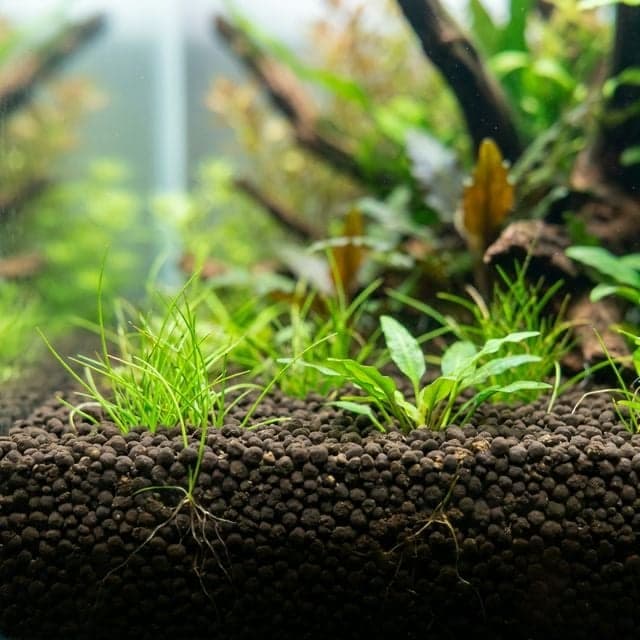
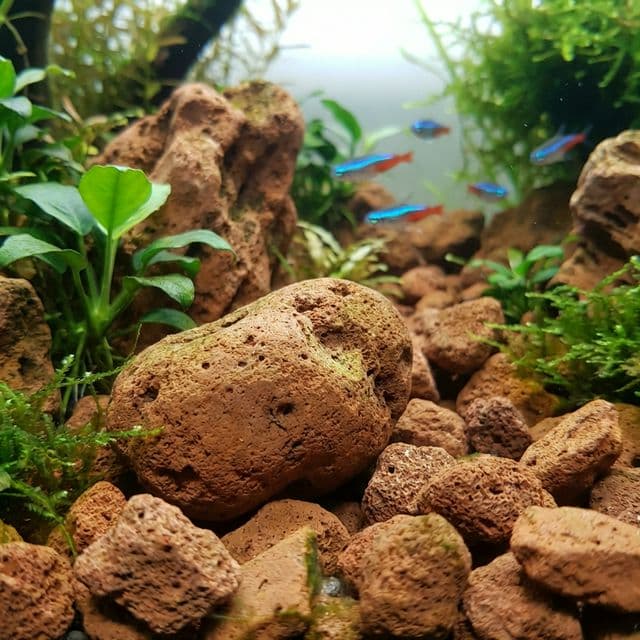
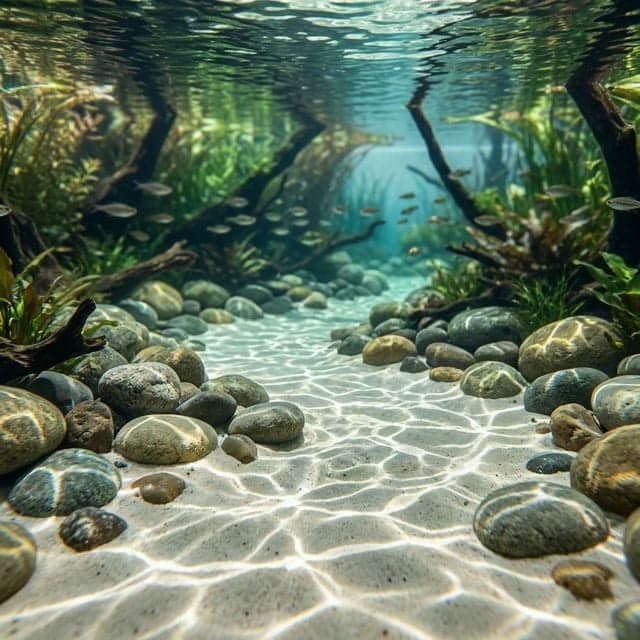
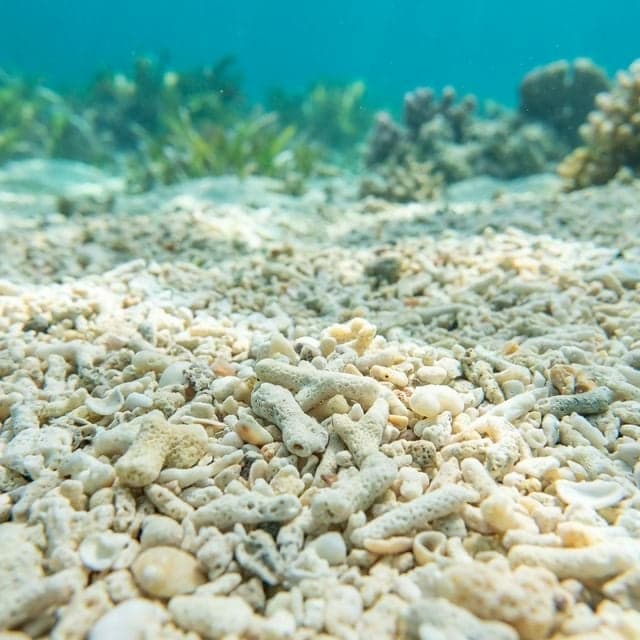
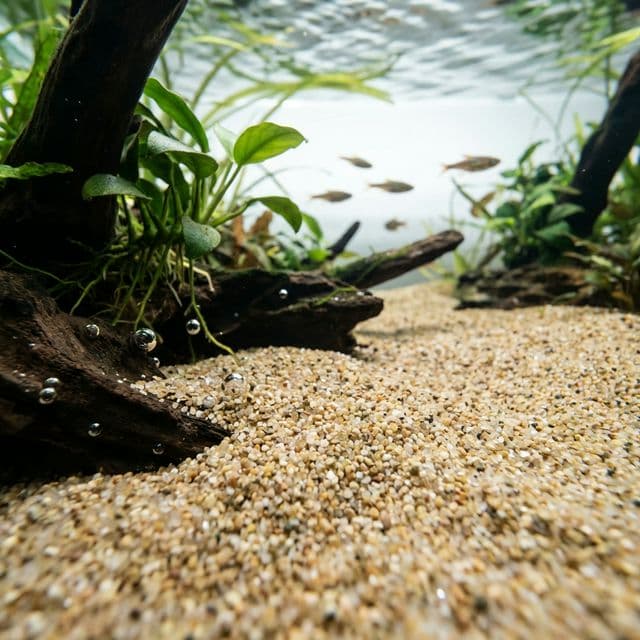
Calcareous substrate is a natural material primarily composed of calcium carbonates derived from sedimentary rock formations, shells, and coral remains. Its unique composition gives it a distinctively textured surface and earthy coloration, ranging from pale whites to warm browns and soft greens, making it highly appealing for aquascaping projects. The aesthetic qualities of calcareous substrate enhance the visual depth of aquariums, providing a rustic backdrop that complements aquatic plants and fish. This material is particularly popular among hobbyists looking to create vibrant, thriving aquatic environments that resemble natural habitats.
The versatility of calcareous substrates has contributed to their popularity in both freshwater and marine aquariums. In addition to their visual appeal, calcareous substrates can support a variety of aquatic life by contributing to the overall health of the ecosystem within the tank. Their ability to buffer pH and stabilize water chemistry makes them particularly attractive for aquarists interested in biotope-style setups that mimic the natural habitats of certain species. Their wide acceptance across different aquascaping styles further solidifies their status as a favored choice among enthusiasts.
Usage Guide
When incorporating calcareous substrate into an aquascape, careful consideration of placement and layering is essential. To create a visually appealing layout, begin by pouring a base layer of the substrate that is at least one to two inches deep across the bottom of the aquarium. This substrate can be used to create mounds and slopes, which not only adds dimension but also helps promote plant root growth. For stacking, utilize larger pieces of hardscape materials, such as stones or driftwood, to add height, while covering the base with calcareous substrate to create a harmonious transition.
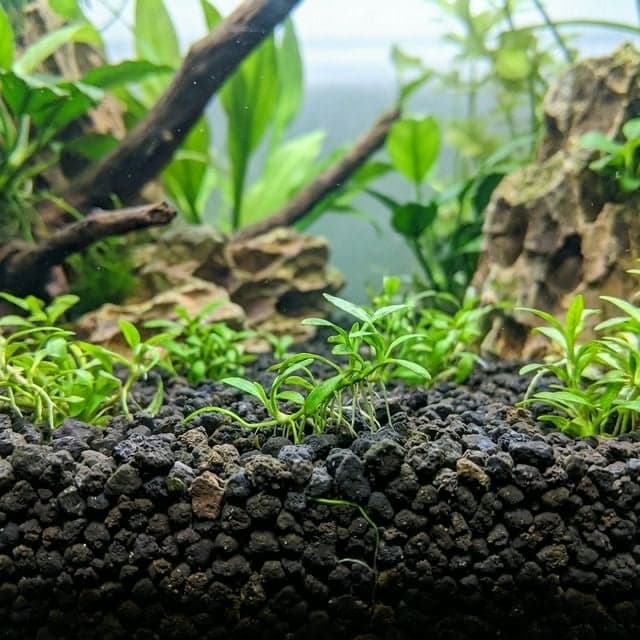
When pairing calcareous substrate with other materials, consider contrasting textures and colors to achieve a balanced composition. For instance, combining calcareous substrate with darker volcanic rock can create an appealing visual contrast. Additionally, when showcasing aquatic plants, it is beneficial to position them within the substrate at varying heights, allowing for a more organic and dynamic appearance. Ensuring that there are sufficient nooks and crannies within the hardscape can provide hiding spots for fish and invertebrates, creating a thriving ecosystem.
Cleaning & Preparation
Preparing calcareous substrate is integral to maintaining a healthy aquarium environment. Follow these steps for effective cleaning:
-
Rinse Thoroughly: Begin by rinsing the substrate under running water to remove dust and debris. Use a fine mesh strainer to make this process easier.
-
Scrubbing: If necessary, lightly scrub larger pieces to eliminate stubborn dirt. Be gentle to avoid breaking the material.
-
Boiling (Optional): For extra sterilization, boiling the substrate can help eliminate any potential pathogens. Place the substrate in a pot and boil for approximately 10-15 minutes before allowing it to cool.
-
Acid Washing (If Applicable): If the calcareous substrate shows signs of excessive algae or bacterial growth, an acid wash may be necessary. Mix a solution of diluted muriatic acid (follow safety guidelines carefully) and soak the substrate briefly, ensuring thorough rinsing afterward to neutralize any residual acid.
-
Soaking: Finally, soak the substrate in freshwater for 24-48 hours to help remove any lingering contaminants, ensuring it's ready for use in your aquarium setup.
Impact on Water Chemistry
Calcareous substrates are not inert; they tend to leach calcium and magnesium into the water, positively impacting water hardness and buffering capacity. When introduced into an aquarium, these substrates can lead to elevated levels of alkalinity, causing a rise in both general hardness (GH) and carbonate hardness (KH). This is particularly essential for keeping fish species that thrive in harder water, such as African cichlids or certain livebearers.
While calcareous substrates can help stabilize pH levels, they may also drive up pH, making the water more alkaline. Typically, the pH can range from 7.5 to 8.5 depending on the concentration of the substrate. Monitoring water parameters regularly is crucial to ensure they stay within the acceptable range for the specific species housed in the aquarium.
Aquascaping Styles
Calcareous substrates blend beautifully with various aquascaping styles but are particularly well-suited for certain aesthetics. One of the most notable styles is the Iwagumi, where the substrate can enhance rock formations while maintaining a natural look. The mineral content fosters a balanced ecosystem for plant growth, essential for this style's minimalist approach.
Additionally, calcareous substrates complement Nature Aquarium settings, offering a rich base for lush carpeting plants to thrive while adding texture to the landscaping. Biotope setups, designed to mimic specific ecosystems, also benefit from its hardness and pH-stabilizing qualities, especially in environments that naturally feature calcium-rich substrates. Overall, calcareous substrates are a diverse choice for aquascapers aiming to create beautiful, enduring underwater landscapes.