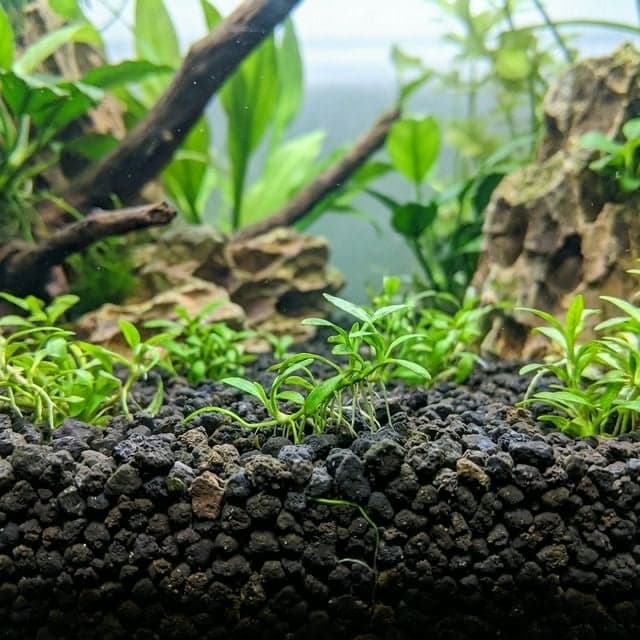
Fine sand
Fine sand is a natural hardscape material used in biotope and aquascaping setups.
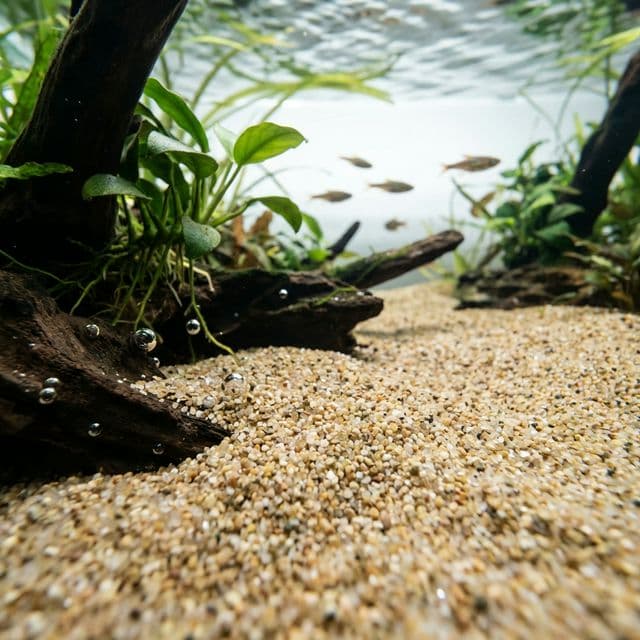
Fine sand
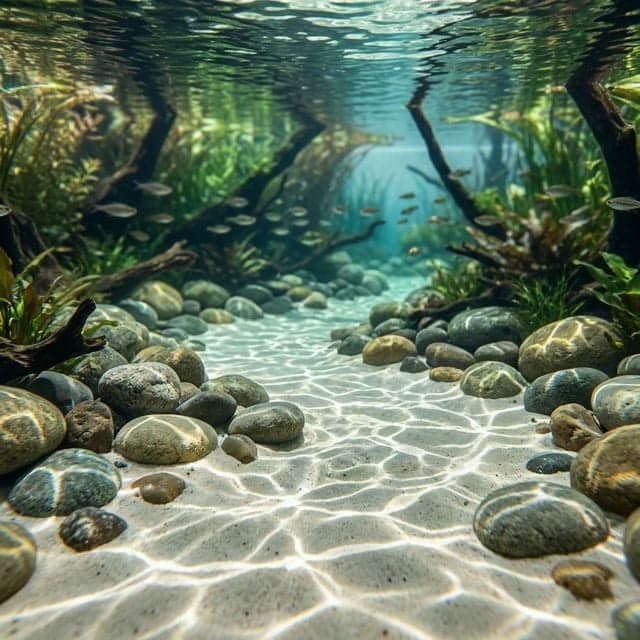
Fine sand is a popular hardscape material used in aquascaping, characterized by its small, granular texture and smooth feel. Typically composed of finely crushed silicates or minerals, fine sand offers a soft, natural appearance that enhances the aesthetic appeal of aquatic environments. The subtle colors and the ability to blend seamlessly with various decor elements make it a favored choice among aquascapers looking to create a serene and harmonious underwater landscape. Additionally, its light-reflecting properties can add depth to the aquarium, contributing to an illusion of space while highlighting plant life and ornamental features.
In the hobby, fine sand has gained substantial popularity thanks to its versatility and compatibility with a wide range of aquatic plants and fish. Its fine texture allows for nurturing delicate root systems of aquatic flora, making it an excellent substrate for densely planted aquariums. Additionally, fine sand can adapt to various biotopes, whether it's mimicking the sandy bottoms of a riverbed or simulating coastal areas. This capability allows aquascapers to explore diverse design themes, making fine sand a staple in the aquascaping community.
Usage Guide
When using fine sand in an aquascaping layout, consider its placement carefully to achieve the desired visual effect. A common practice is to lay down a base layer of fine sand that gently slopes from the back of the aquarium towards the front, creating a three-dimensional effect. This can be accomplished by stacking fine sand to create elevation in the background areas while tapering it off towards the foreground. To enhance depth perception, consider layering the sand with other substrates or hardscape materials, such as rocks or driftwood, to create focal points and guide the viewer's eye throughout the aquarium.
When pairing fine sand with other materials, ensure that the sand does not easily wash away or collapse under heavier decorations. Use larger rocks or driftwood to anchor positions and define boundaries within the hardscape. Additionally, maintain a balance between fine sand and coarse substrate materials, and consider the needs of your aquatic inhabitants. For example, bottom-dwelling fish may appreciate areas of fine sand where they can sift and search for food, while others may benefit from rock structures or woody placements that provide shelter and grazing areas.
Cleaning & Preparation
Preparing fine sand for your aquarium is crucial to ensure a clean and healthy environment for aquatic life. Follow these steps to clean it thoroughly:
- Rinse: Start by placing the fine sand in a large bucket or container. Rinse the sand under running water for several minutes, stirring it periodically to release any dust, dirt, or debris.
- Scrubbing: For more stubborn particles, you may use a soft brush to help dislodge any adherent materials. Be gentle to avoid breaking down the sand particles.
- Boiling (Optional): If you wish to remove any potential contaminants or pathogens, boil the sand in water for about 10-15 minutes. This step is most beneficial for outdoor-collected sand.
- Acid Washing (If Applicable): If your fine sand contains limestone or mineral elements that could affect water chemistry, consider an acid wash. Dilute hydrochloric acid in water and mix with the sand. Observe for bubbling, indicating the presence of carbonates. Rinse thoroughly afterward.
- Soaking: After rinsing, soak the sand in water for several hours to allow any remaining particles to settle at the bottom. This also helps in washing away any residual chemicals.
- Final Rinse: Perform a final rinse of the sand before adding it to your aquarium.
Once cleaned, your fine sand will be ready to use as a substrate or as part of your hardscape design.
Impact on Water Chemistry
Fine sand typically acts as an inert substrate, meaning it does not leach any significant substances that would alter water chemistry. It generally does not contribute to calcium, magnesium, or tannin levels in the water, maintaining stable parameters essential for the health of your aquatic life. Consequently, it has minimal impact on pH, GH (general hardness), and KH (carbonate hardness) levels, making it suitable for a variety of freshwater and marine aquariums.
However, it is important to monitor your water parameters regularly, as changes can occur due to other substrate materials or extensive biological activity. Fine sand can harbor beneficial bacteria, which can contribute positively to biological filtration, but it does not provide the same mineral content as other substrates, such as gravel or coarser sands. Therefore, be mindful of your plants’ nutritional requirements, especially if you are cultivating species that thrive in mineral-rich environments.
Aquascaping Styles
Fine sand is well-suited to several aquascaping styles, enhancing the overall aesthetic and function of the aquarium. Popular styles that can benefit from the use of fine sand include:
- Iwagumi: In this Japanese-inspired layout, fine sand provides an excellent backdrop that highlights the key rock formations while maintaining a sense of tranquility.
- Nature Aquarium: When creating lush, naturalistic designs, fine sand works well as a base substrate, allowing aquatic plants to root comfortably while offering a visually appealing surface.
- Biotope: Fine sand can accurately mimic specific natural habitats, such as riverbeds or beach environments, making it an ideal choice for biotope setups where authenticity is key.
- Scenic Small Tanks: In smaller aquariums, fine sand helps create the illusion of space and depth, perfect for minimalist aquascaping techniques.
By selecting fine sand as your hardscape material, you can achieve a polished, cohesive design that elevates the overall aesthetic while meeting the needs of your aquatic ecosystem.