Organic Potting Soil: The Walstad Method
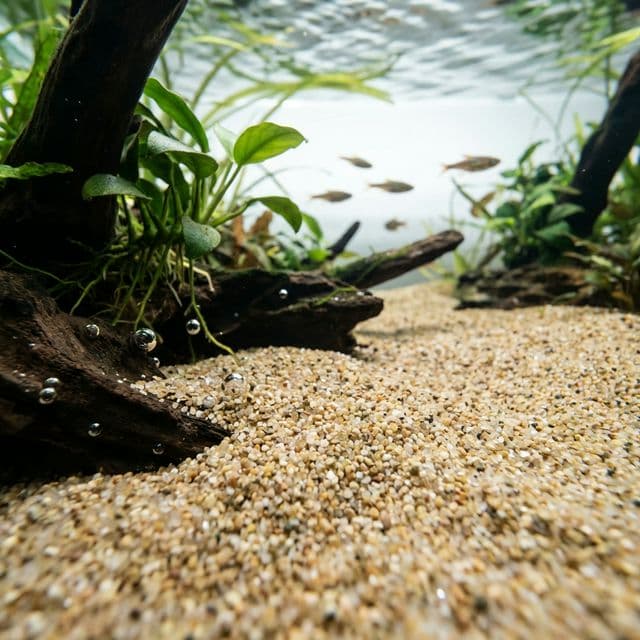
Using regular potting soil capped with sand. The cheapest and often most effective way to grow plants (The "Dirted Tank").

Organic Potting Soil
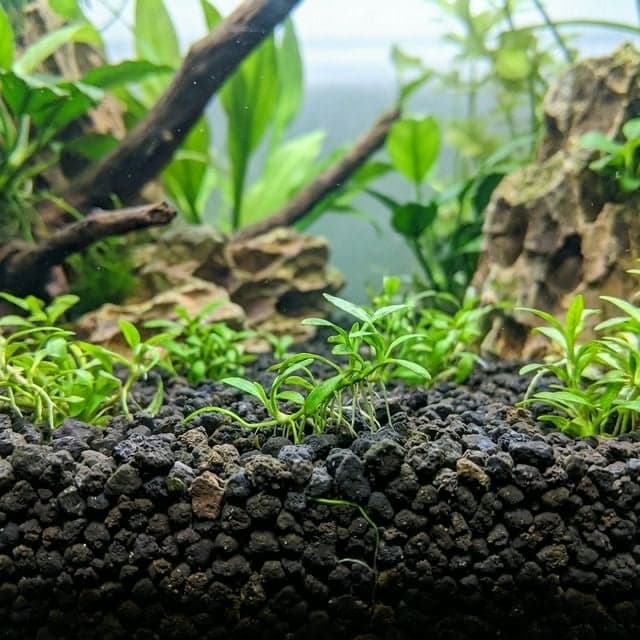
Organic potting soil is a versatile and natural substrate popular among aquascapers, especially those practicing the Walstad Method, which emphasizes low-tech, balanced ecosystems in aquariums. This substrate is typically composed of a rich blend of decomposed organic matter, peat moss, and other plant materials, which not only provide essential nutrients for aquatic plants but also promote a healthy microbial environment. The natural, earthy tones of organic potting soil add a visually appealing, organic element to aquascapes, enhancing the aesthetic qualities of environments ranging from lush forests to vibrant riverbeds.
What makes organic potting soil particularly attractive in the aquarium hobby is its ability to support robust plant growth without the need for extensive fertilization. As plants thrive, they help to create a balanced ecosystem alongside fish and other aquatic organisms. Its popularity has surged in recent years, as hobbyists explore sustainability and desire to mimic natural habitats within their tanks. The soft texture and ability to retain moisture make it ideal for root development, allowing aquatic plants to flourish and contributing to the overall health of the aquarium.
Usage Guide
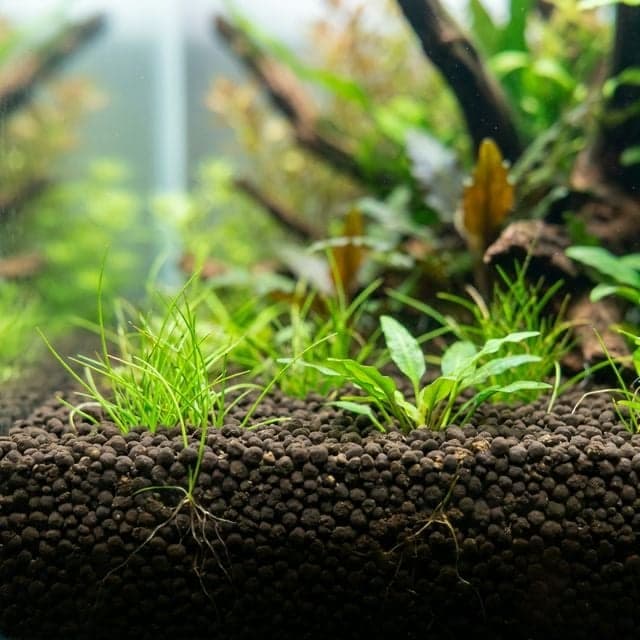
When using organic potting soil in an aquascape, it’s essential to layer it properly to create a functional and aesthetically pleasing layout. Typically, potting soil should form the bottom layer of the substrate. A suggested layering method would be to start with a 1-2 inch layer of organic potting soil at the base, which will serve as the main nutrient reservoir. It’s crucial to cap the potting soil with a fine layer of gravel or sand to prevent it from clouding the water and to minimize disturbance from fish and invertebrates. An ideal cap would be approximately 0.5 to 1 inch thick.
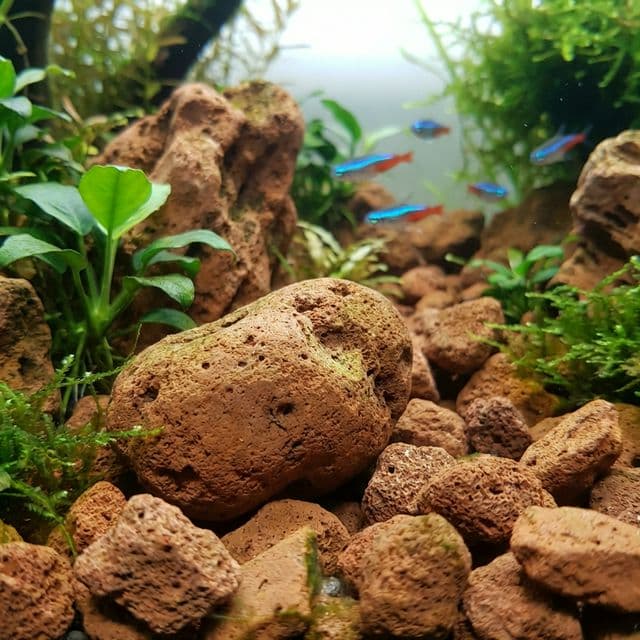
Stacking techniques can also add depth and complexity to the aquascape. Utilize stones, driftwood, or other hardscape materials to create elevations and focal points. When paired with larger stones or hardscape materials, organic potting soil provides a lovely contrast, allowing plants to grow around and through the hardscape. Combining potting soil with other substrates can enhance drainage and aeration. Always ensure that the heavier materials, like stones, are securely placed to prevent shifting as the soil settles when submerged.
Cleaning & Preparation
Preparing organic potting soil before use in your aquarium is crucial to remove any contaminants and ensure optimal conditions for aquatic life. Follow these steps to clean and prepare the substrate:
-
Initial Screening: Sift through the potting soil to remove any large pieces of wood, fertilizer balls, or other unwanted debris. This will help ensure a more uniform substrate.
-
Rinsing: Place the potting soil in a large bucket or container and rinse it thoroughly with water to remove any dust or lighter materials that could cloud your aquarium water. Rinse until the runoff is relatively clear.
-
Boiling (If Needed): If you wish to sterilize the soil further, you can boil small batches for about 10-15 minutes to kill off any harmful pathogens. However, be cautious not to compromise the nutrients.
-
Optional Acid Washing: This step is not typically necessary for organic potting soil, but if there is concern about potential contaminants, a weak solution of diluted vinegar (1:10 vinegar to water) can be used. Swirl the mixture gently and rinse thoroughly afterward.
-
Soaking: Finally, soak the cleaned potting soil in dechlorinated water for 24-48 hours. This not only helps to stabilize its nutrient content but also ensures that no excess fertilizers are leached into your aquarium when the soil is first added.
Impact on Water Chemistry
Organic potting soil is not inert; it can leach several compounds into the aquarium water, including tannins, which are a natural byproduct of decomposed organic matter and contribute color to the water. While this is generally harmless, it may impact the aesthetics of your aquarium. Additionally, organic potting soil can influence water parameters, causing fluctuations in pH, general hardness (GH), and carbonate hardness (KH).
Typically, the initial pH of organic potting soil unbuffered can range between 6.0 and 7.2 but may drop over time due to organic decomposition, lowering pH levels. While most freshwater plants thrive in these conditions, regular water testing is essential to ensure that pH levels remain stable for your aquatic life. Similarly, organic potting soil can release small amounts of calcium and magnesium, which may slightly elevate GH and KH in the short term. This gradual release creates a favorable environment for plant growth without resorting to frequent fertilization.
Aquascaping Styles
Organic potting soil is most suitable for aquascaping styles that emphasize lush, natural plant growth and complex ecosystems. It excels in designs inspired by the Nature Aquarium style, where the focus is on creating harmonious and biodiverse environments mimicking natural habitats. The nutrient-rich properties of potting soil make it ideal for densely planted layouts, allowing aquarists to use a wide range of aquatic plants with varying light and nutrient needs.
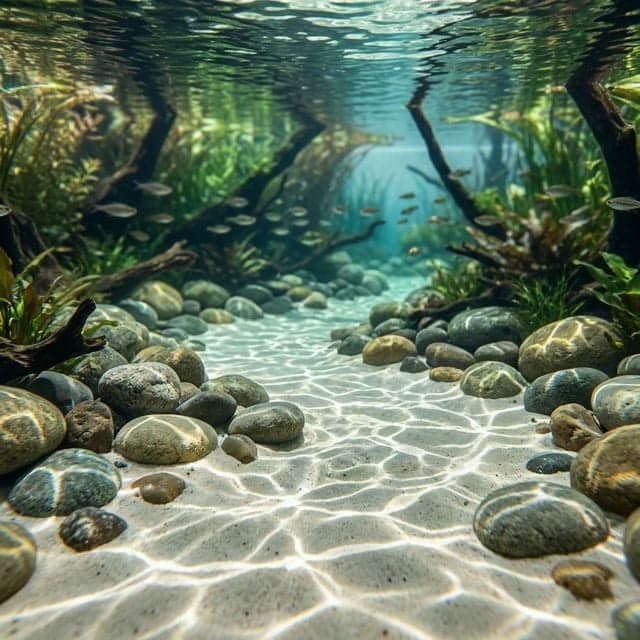
Additionally, it works well with Biotope aquascapes that aim to replicate specific habitats, such as riverbanks or wetlands, where organic materials are prevalent. It can also complement the Iwagumi style, especially when combined with aesthetically chosen stones, harnessing the potting soil’s ability to support the required plant life to enhance the overall design. Overall, organic potting soil represents a sustainable selection for aquascapers looking to create thriving underwater ecosystems while maintaining visual appeal.