Cosmetic Sand: The Bright Contrast
Cosmetic sand adds negative space and contrast to aquascapes. Learn how to maintain it and use it effectively in your layouts.
Cosmetic Sand
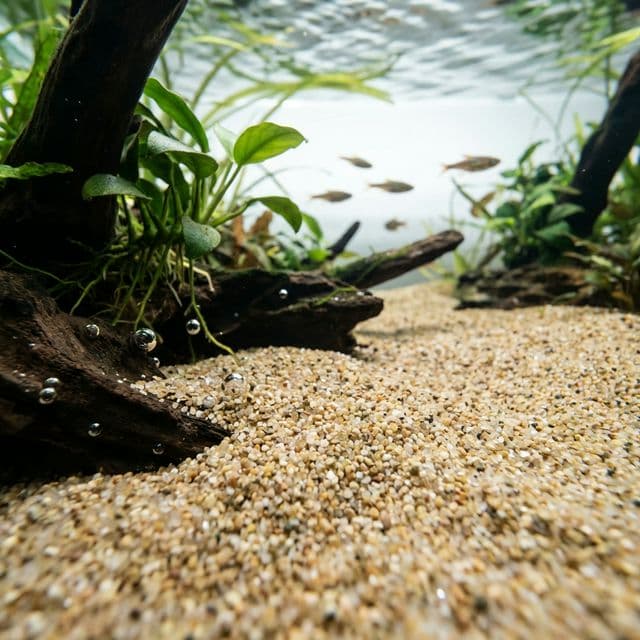
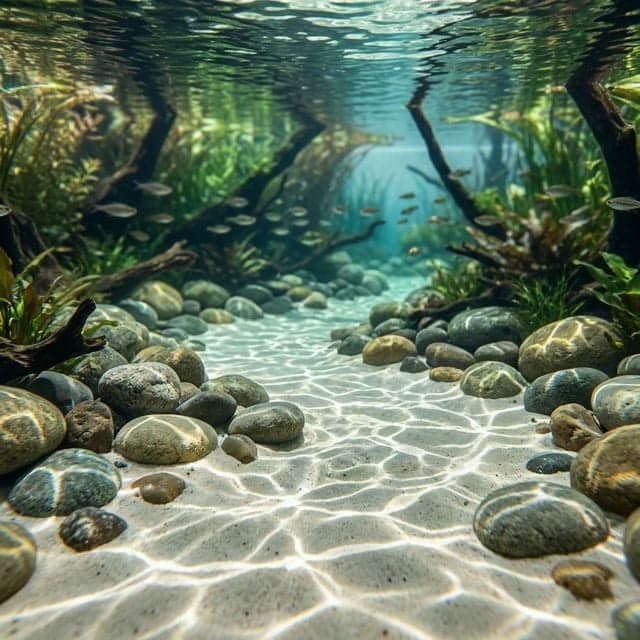
Cosmetic sand, often celebrated for its vibrant hues and fine texture, is a preferred choice for aquarists looking to create visually stunning underwater landscapes. Characterized by its bright and often iridescent colors, this material can range from pure white to deep black, and includes variations in between, making it a versatile option for many aquascaping designs. Its fine grains allow for seamless integration into the overall layout while providing a striking backdrop that elevates the visual appeal of plants and decorations. As a popular choice among hobbyists, cosmetic sand has gained acclaim for its ability to enhance colors and textures in aquascapes, thereby creating depth and interest within the tank.
In addition to its aesthetic qualities, cosmetic sand is easy to work with and promotes a pleasing zen-like aesthetic in the aquarium environment. Because of its light-reflecting properties, it contrasts beautifully with darker rocks and aquatic plants, ensuring that each component of the landscape stands out vividly. The versatility of cosmetic sand makes it suitable for various themes, allowing aquarists to experiment with colors and textures to match their creative vision. This alluring look and adaptability to different styles have contributed to its widespread popularity within the aquatic gardening community.
Usage Guide
When incorporating cosmetic sand into your aquascape, careful placement and stacking can play a pivotal role in creating a visually balanced layout. Begin by filling your tank layer by layer, starting with a base of larger substrate materials such as gravel or clay at the bottom for stability. Then, add the cosmetic sand as your top layer, creating an even, smooth surface that highlights focal points like plants and driftwood. To create a natural gradient, it’s best to use a deeper layer of sand at the back and gently sloping down towards the front, helping to draw the eye throughout the tank.
In terms of stacking, consider pairing cosmetic sand with larger rocks or pieces of driftwood. These should be positioned strategically to create visual interest while allowing plants to thrive. When placing larger elements, ensure that they are anchored securely to prevent them from toppling over. This combination not only adds dimension but also allows you to play with the light and shadows created by the various textures. Additionally, grouping plants according to height and leaf shape in proximity to the sand will create a sense of harmony and balance, enhancing the overall aesthetic.
Cleaning & Preparation
To prepare cosmetic sand for use in your aquarium, follow these step-by-step instructions to ensure that it's safe and free of unwanted contaminants.
-
Rinsing: Start by rinsing the sand thoroughly under running water. Use a fine mesh bag or bucket to hold the sand, ensuring that the water runs clear. This step removes dust and fine particles that could cloud your aquarium water.
-
Boiling (Optional): If you want to eliminate any potential pathogens or pests, place the rinsed sand into a large pot of boiling water for approximately 10-15 minutes. This will sterilize the sand without altering its composition.
-
Scrubbing: After boiling, give the sand a good scrub with a soft brush while rinsing it again under flowing water. This further reduces any remaining impurities and ensures that the sand is of high quality.
-
Acid Washing (if applicable): Some brands of cosmetic sand may have coatings or other residues. For those, consider a mild vinegar solution rinse (1 part vinegar to 4 parts water), followed by thorough rinsing to remove any residues.
-
Soaking: Finally, soak the sand in clean water for at least 24 hours before adding it to your aquarium. This step helps to leach any remaining dust or residues while allowing you to check for quality.
After these preparation steps, your cosmetic sand should be ready for use, ensuring a clean and healthy environment for your aquatic life.
Impact on Water Chemistry
One of the critical considerations when choosing a substrate—especially cosmetic sand—is its impact on water chemistry. Cosmetic sand is generally considered an inert material, which means it does not leach tannins or significant amounts of minerals such as calcium or magnesium into the water. This quality makes it an ideal choice for aquarists aiming to maintain stable water parameters.
Regarding its effect on pH, general hardness (GH), and carbonate hardness (KH), cosmetic sand does not typically alter these values, providing an excellent medium for various freshwater environments. For aquarists focused on creating specific biotopes or breeding setups, understanding that this sand will not induce fluctuations makes it easier to maintain desired water conditions. However, it is always wise to monitor your water chemistry regularly, as other factors in the aquarium can influence these parameters.
Aquascaping Styles
Cosmetic sand is highly versatile and can complement a range of aquascaping styles, enhancing the aesthetic and functionality of the setup. Primarily, it suits styles such as Iwagumi, where simplicity and balance are key, ensuring the emphasis remains on the rocks and plants while providing an attractive backdrop. Nature Aquarium designs also benefit from cosmetic sand, as its bright appearance can mimic natural substrates found in nature, contributing to an organic feel.
For biotopes, cosmetic sand can effectively replicate sandy riverbeds or coastal regions, allowing hobbyists to create authentic environments for their specific aquatic species. Additionally, in more abstract styles, such as the Scape, cosmetic sand can provide sharp contrasts that highlight creatively arranged elements, making it a favored choice for aquascapers looking to push boundaries in their designs. Overall, its adaptability makes cosmetic sand a valuable substrate in any aquarist’s toolkit.