Aquasoil: The Plant Whisperer
Understand active aquasoil: the gold standard substrate for planted tanks. Learn about handling ammonia spikes and its pH buffering capabilities.
Aquasoil
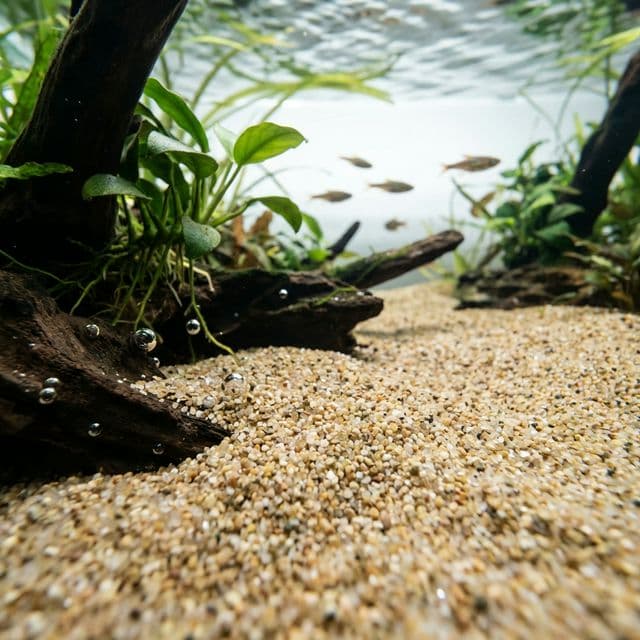
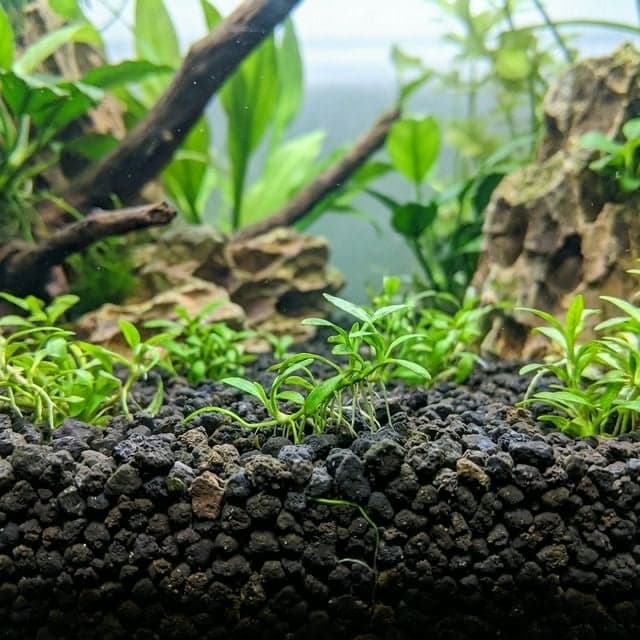
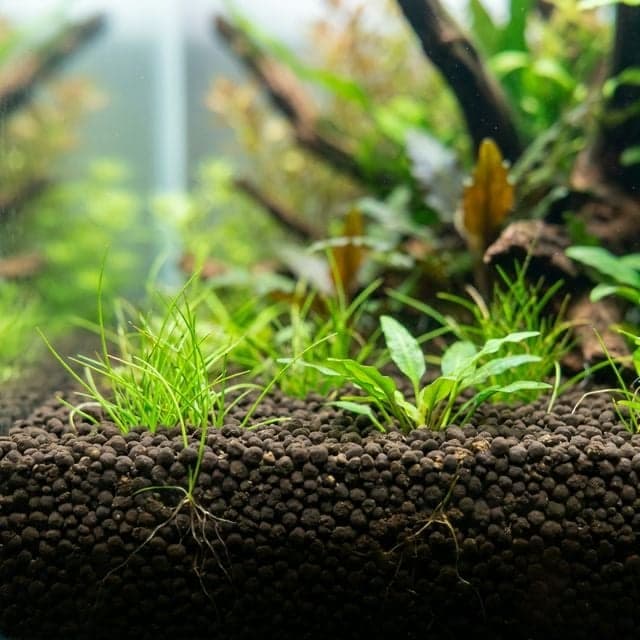
Aquasoil, often dubbed "The Plant Whisperer," is a specialized planting substrate that has garnered immense popularity among aquascapers for its rich nutritional profile and aesthetically pleasing appearance. Originating from Japan, this substrate is primarily composed of finely crushed clay and organic materials, designed specifically to enhance the growth of aquatic plants. Its dark brown to black color not only mimics natural substrate found in rivers and lakes, but also provides a striking contrast against brightly colored plants and fish, creating an eye-catching underwater landscape. The granules are typically small and porous, allowing for robust root development, which is crucial for healthy plant growth.
The appeal of Aquasoil lies not just in its visual qualities, but also in its functionality as a dynamic growing medium. It is known for retaining moisture while promoting good drainage, which helps prevent anaerobic conditions harmful to plant roots. Additionally, the substrate's ability to foster beneficial microorganisms contributes to a balanced ecosystem within the aquarium. Due to its proven effectiveness and versatility, Aquasoil has cemented itself as a favorite among both novice and experienced aquarists, making it a staple in the aquascaping community.
Usage Guide
Utilizing Aquasoil in an aquascape design requires thoughtful planning for optimal results. Begin by determining the height and slope of your substrate. It’s best to create a gradient, with the substrate being deeper (at least 2-3 inches) in the back of the aquarium and tapering down towards the front. This not only adds depth to your layout but also allows for planting taller species in the rear and smaller, foreground plants in the front. When layering, consider placing larger pieces of hardscape like rocks or driftwood first, followed by Aquasoil to create a more natural look as plants will grow around and cling to these features.
When pairing Aquasoil with other materials, such as sand or larger gravel, aim to create a seamless transition. This can be achieved by interspersing these materials carefully or creating borders with larger stones. A common technique is to place a thin layer of sand on top of the Aquasoil for aesthetic appeal, which also encourages smaller plants to thrive. Remember to also consider plant placement—group species with similar light and nutrient requirements together for the best growth results.
Cleaning & Preparation
Preparing Aquasoil for use in your aquarium is essential to ensure a healthy environment for your plants. Here’s a step-by-step guide on how to clean and prepare it:
-
Rinse: Begin by placing the Aquasoil in a clean bucket or container. Rinse it thoroughly under running water to remove any excess dust, dirt, or fine particles. This prevents cloudiness in your aquarium once it is filled with water.
-
Soak: After rinsing, let the Aquasoil soak in fresh water for at least 12-24 hours. Soaking allows the granules to expand and saturate, which can help reduce cloudiness when you first fill your aquarium.
-
Scrub (if necessary): If you notice any persistent particles or sediment after soaking, gently scrub with a soft brush. Avoid aggressive scrubbing, as this can break down the granules.
-
Check for acidity: Though most commercial Aquasoil does not require extensive acid washing, it's good practice to test the substrate with a pH kit to ensure it won’t contribute unwanted tannins or alter the water chemistry significantly.
-
Final rinse: After soaking, do a final rinse to clear away any loose particles. Your Aquasoil is now ready for use in your aquascape!
Impact on Water Chemistry
One of the standout features of Aquasoil is its active role in influencing water chemistry, making it particularly beneficial for planted aquariums. Unlike inert substrates, Aquasoil is known to leach beneficial nutrients, including tannins, calcium, and magnesium, which can enhance plant growth. Initial water chemistry may reveal slightly lower pH levels due to the organic content, typically resulting in a pH around 6.5-7.0. Depending on the specific type and brand of Aquasoil, it may also affect the general hardness (GH) and carbonate hardness (KH), leading to an increase in GH while having a neutral impact on KH over time.
The initial setup phase often sees a spike in ammonium levels during the cycling process; therefore, water changes may be necessary. Keep an eye on the water parameters, especially during the first few weeks as the substrate stabilizes. It’s advisable to maintain GH levels around 4-8 dGH for optimal plant health, and monitoring pH and KH will enable you to create a harmonious environment tailored to the specific species of plants and fish in your aquarium.
Aquascaping Styles
Aquasoil is incredibly versatile and can effectively support a range of aquascaping styles. Notably, it excels in the following designs:
-
Iwagumi: This style emphasizes simplicity and balance, using a limited selection of plants and hardscape. Aquasoil provides an ideal base for this minimalist approach, allowing for well-structured rock placements and vibrant plant growth.
-
Nature Aquarium: In this popular style, Aquasoil's organic composition offers the nutrients necessary for lush, diverse plant growth, while its restorative qualities promote a thriving ecosystem, crucial for replicating natural aquatic habitats.
-
Biotope Aquascapes: Perfect for recreating specific ecosystems, Aquasoil can be tailored to match the needs of regional flora by offering the necessary minerals and nutrients that support native plants, making it a fantastic option for enthusiasts aiming for authenticity.
-
Scape Aquascapes: Experimenting with various combinations of plant species and hardscape materials, Aquasoil's adaptability makes it an exceptional choice for those who wish to innovate and explore aesthetically diverse layouts without compromising plant health.
By utilizing Aquasoil in these styles, aquascapers can achieve lush, vibrant setups that mimic natural environments, ensuring that both plants and aquatic life thrive harmoniously.