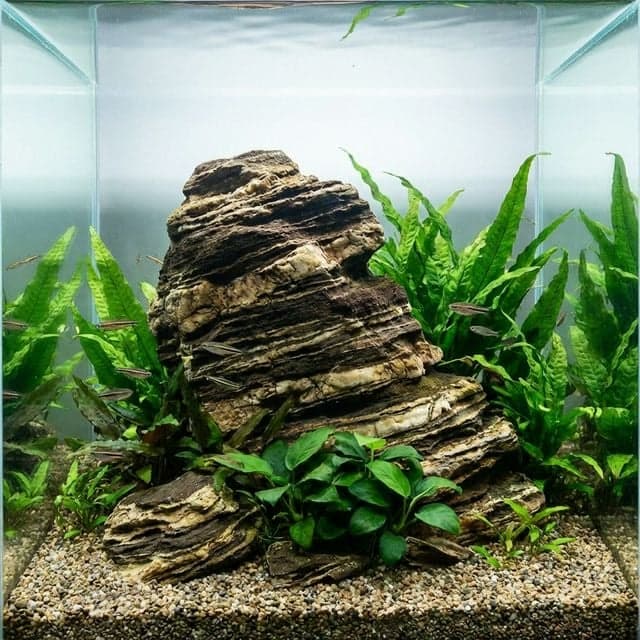
Slate: The Flat Classic
A metamorphic rock known for being flat, dark, and mostly inert. Ideal for creating caves, steps, and retaining walls.

Slate
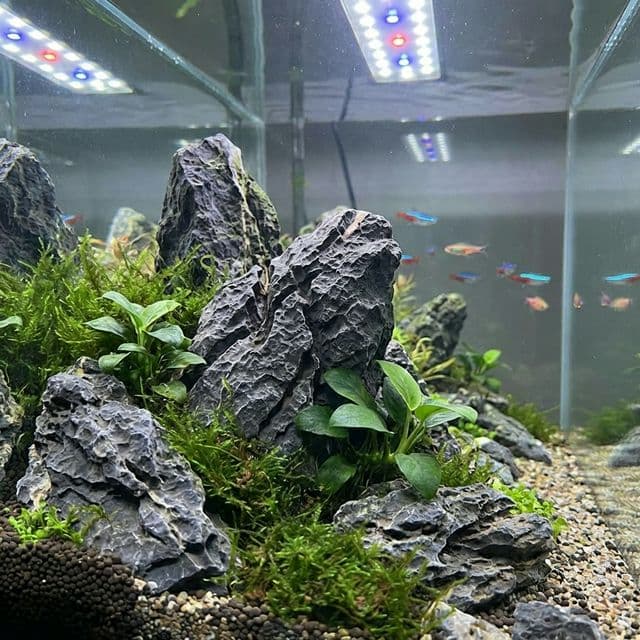
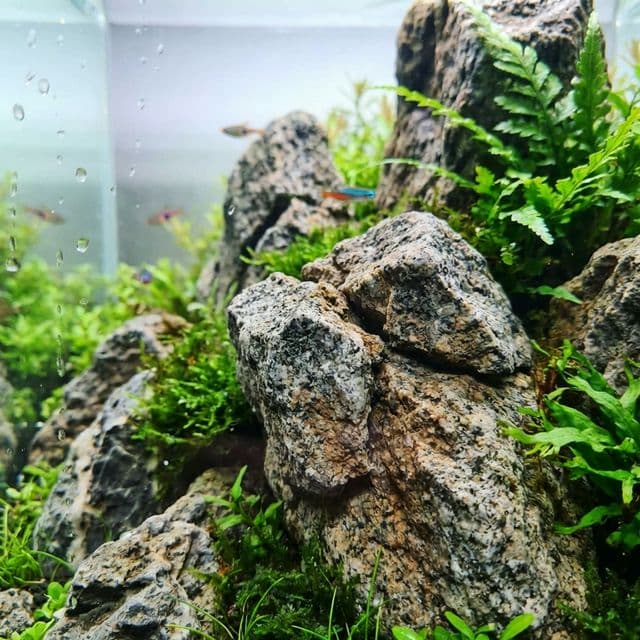
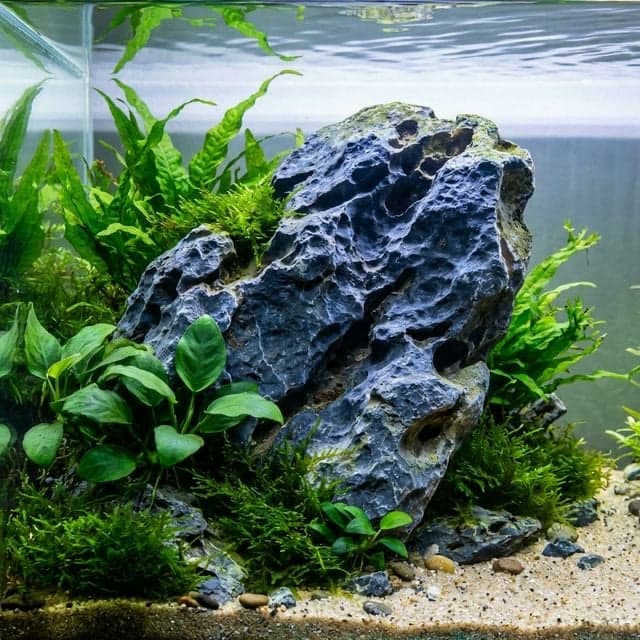
Slate, a metamorphic rock characterized by its fine-grained texture and layered appearance, is a favored choice among aquascapers for creating visually stunning aquarium layouts. This material comes in a variety of earthy tones, such as deep grays, rich greens, and even muted purples, making it a versatile option that complements both natural and artificial elements in an aquarium. The flat, rugged surfaces of slate provide a sense of depth and texture, creating striking visual contrast against the vibrant colors of aquatic plants and fish. Its natural fissures and lines mimic geological formations found in freshwater habitats, further enhancing its aesthetic appeal.
In the aquascaping community, slate has achieved a reputation as a "flat classic" due to its perfect blend of functionality and beauty. Its weight allows it to anchor firmly in substrate, minimizing the risk of destabilization. Additionally, slate's angular shapes lend themselves well to stacking and layering, enabling aquascapers to build dynamic structures that draw the eye. As a distinctive yet understated option, slate is popular not just for its visual qualities but also for its practicality in creating habitats that support various aquatic life.
Usage Guide
When incorporating slate into your aquarium layout, consider using it as a foundational element or as a focal point. A common approach is to position slate pieces vertically to mimic natural rock formations, aiding in the verticality of the scape. Start by laying down a proper substrate base, then carefully place larger slate slabs or pieces at various angles to create a sense of depth. Use smaller pieces to fill gaps or provide support for lighter materials, ensuring stability throughout the design.
For stacking tips, it is often effective to layer slate in a staggered manner, allowing for natural voids in between. This design not only creates visual interest but also provides hiding spots for shy fish and invertebrates. Pair slate with other hardscaping materials such as driftwood or river stones to achieve a more diverse and complex environment. The contrast between the smooth wood and the rugged slate invites exploration from both aquarists and aquatic life.
Cleaning & Preparation
Proper preparation of slate before it is added to the aquarium is essential for maintaining water quality and ensuring the longevity of the scape. Here’s a step-by-step guide:
-
Rinse: Begin by rinsing the slate pieces thoroughly under warm water to remove any dust or dirt.
-
Scrubbing: Use a soft-bristle brush to scrub the surface of each piece to eliminate any lingering contaminants. Avoid using soaps or chemicals, as these can leach into the aquarium water.
-
Boiling (optional but recommended): For further sterilization, boil the slate in water for about 15-20 minutes. This process helps eliminate any microorganisms that could affect the tank's ecosystem.
-
Acid Washing (if necessary): If you suspect your slate might contain any residues from mining or man-made pollutants, a mild vinegar solution (1 part vinegar to 4 parts water) may be used to soak the slate for 30 minutes. Rinse again thoroughly afterward.
-
Soaking: Finally, soak the slate in fresh water for an additional 24 hours to allow any remaining residues to leach out before introducing it to your aquarium.
Impact on Water Chemistry
One of the most important aspects of hardscaping materials is their impact on water chemistry. Slate is generally considered an inert material, meaning it does not leach tannins, calcium, or magnesium into the water. As a result, slate will not significantly alter the pH, general hardness (GH), or carbonate hardness (KH) of the aquarium. This neutrality makes slate an excellent choice for both sensitive aquatic species and beginners, as it allows for greater control over water parameters. Exceptionally, while slate's inert properties are beneficial for maintaining stable conditions, it does not contribute any essential minerals to the water chemistry, thus necessitating the use of supplements to ensure that plants and fish receive the nutrients they need.
Aquascaping Styles
Slate excels in several aquascaping styles, particularly in those that prioritize natural aesthetics and geometric design. It is particularly well-suited for:
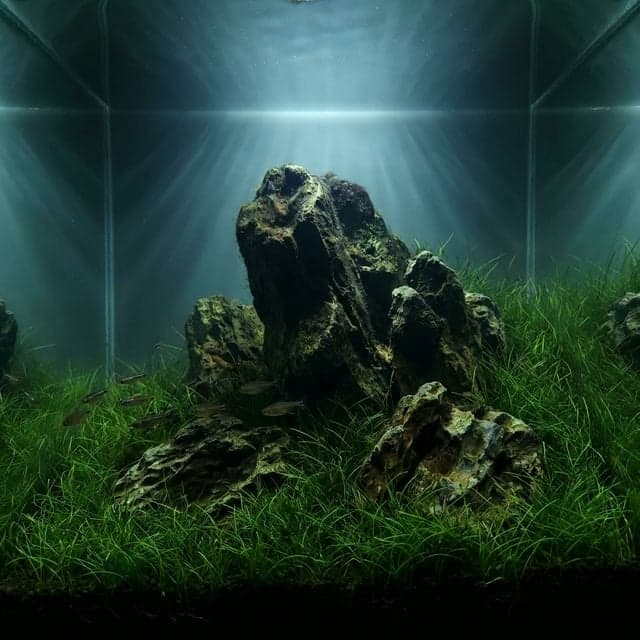
- Iwagumi: The flat surfaces and angular shapes of slate make it an excellent candidate for creating the central stone formations typical of the Iwagumi style, enhancing the overall composition with its earthy hues.
- Nature Aquarium: As an integral part of the Nature Aquarium style, slate can be used to simulate the textures and shapes found in natural habitats, providing a lifelike environment for both fish and plants.
- Biotope: For hobbyists looking to replicate specific ecosystems, slate can mimic substrate conditions found in rivers and streams, creating authentic habitats for local species.
- Scape Design: In more avant-garde and artistic arrangements, slate pieces can be stacked and arranged in unconventional ways to form striking focal points and unique visual narratives.
Each of these styles benefits from the versatile characteristics and visual appeal of slate, making it a staple in the aquascaping toolkit.