Spider Wood: The Branchy Favorite
A complete guide to Spider Wood (Azalea Root). Perfect for detailed nature aquariums, moss trees, and creating intricate depth.
Spider Wood
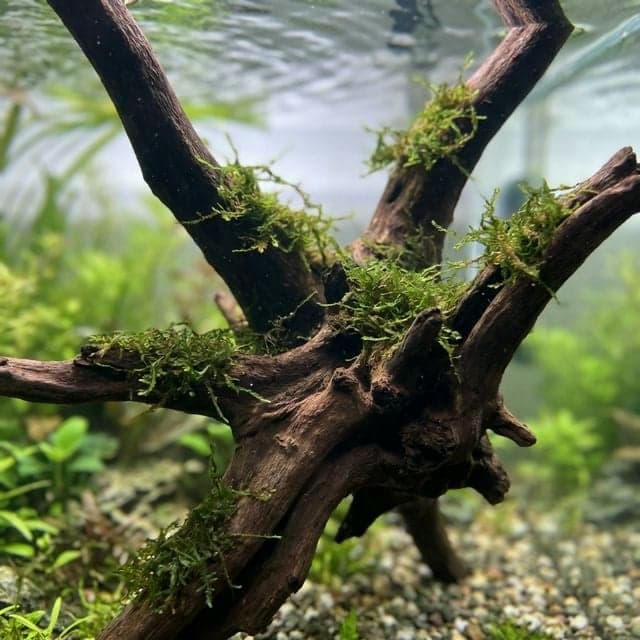
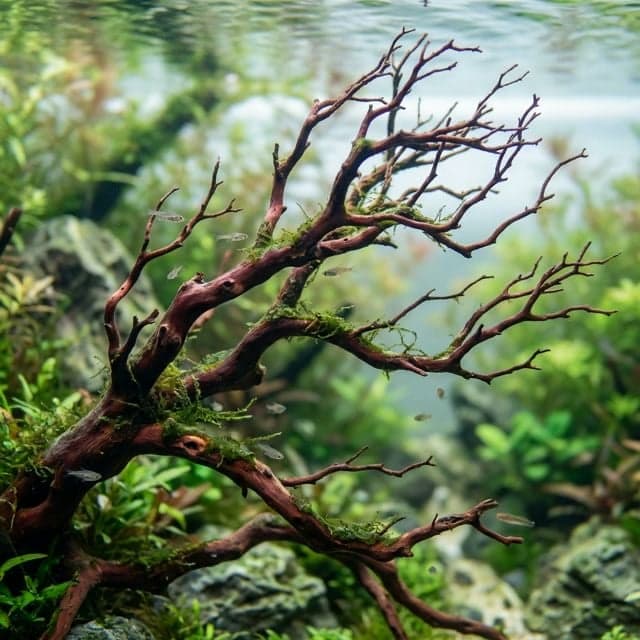
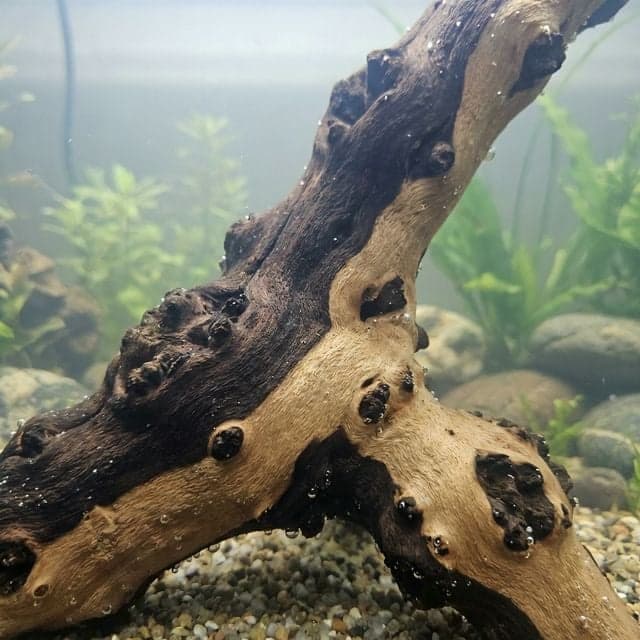
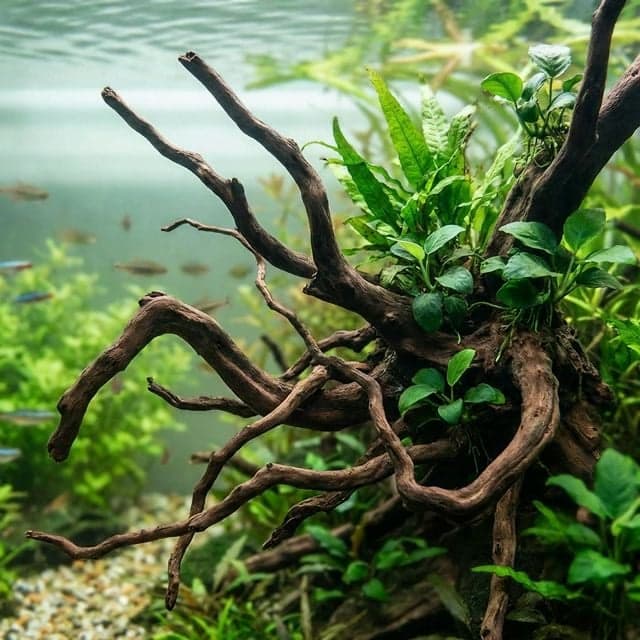
Spider wood, also known scientifically as Millettia pinnata, is gaining a reputation as a favorite among aquarium hobbyists for its striking, artistic appearance reminiscent of twisted branches and gnarled roots. This unique hardscape material is characterized by its intricate, organic shapes, which resemble the skeletal structure of tree limbs, creating a visually stunning backdrop in any aquatic setup. The natural dark brown to reddish hues of spider wood not only provide a beautiful contrast against lush green aquatic plants but also create abundant hiding spots for fish and invertebrates, enhancing the overall aesthetic appeal of the tank.
The popularity of spider wood in the aquascaping community can be attributed to both its aesthetic qualities and versatility. It can serve as the focal point of a design or act as a subtle supporting element alongside other hardscape materials. Its branchy, irregular shapes allow for a variety of placement options that can cater to different aquascaping styles, while its relatively lightweight nature makes it easy to work with. As aquarists seek to create more natural, biotope-like environments, spider wood has become an essential component, allowing for the replication of the underwater worlds found in nature.
Usage Guide
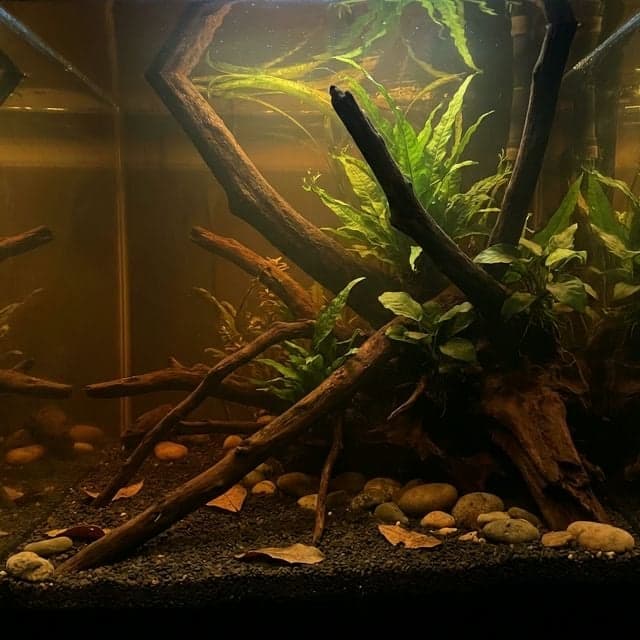
Incorporating spider wood into your aquarium layout requires thoughtful consideration of both aesthetics and functionality. When designing your aquascape, start by considering the height and width of the wood; taller pieces can be used to create a focal point, while shorter or more horizontal branches can provide structure along the substrate. Placement is key; arrange the wood in a way that allows for open swimming space while also ensuring it complements the flow of the tank. To enhance depth, consider layering multiple pieces of spider wood, varying their size and orientation to create a natural, flowing look reminiscent of underwater landscapes.
Stacking tips include offsetting branches to avoid linearity and ensuring stability. You can achieve more dynamic results by employing the 'rule of thirds' — position the largest piece slightly off-center, allowing smaller pieces to flank it. Pair spider wood with other materials such as rocks for added texture or various types of substrate to help ground the composition. Coating the bottom of your aquarium with nutrient-rich substrate will also promote plant growth, vital for creating an integrated hardscape and softscape.
Cleaning & Preparation
To prepare spider wood for your aquarium, it is imperative to follow a meticulous cleaning and conditioning process to ensure the health and safety of your aquatic inhabitants. Here’s a step-by-step guide on how to clean and prepare it properly:
-
Initial Cleaning: Begin by rinsing the spider wood under clean water to remove any loose debris, dust, or dirt from its surface. Use a soft brush or cloth to gently scrub away any stubborn particles.
-
Boiling (Optional): For a thorough clean, bring a large pot of water to a boil and submerge the spider wood for 1-2 hours. Boiling not only helps to sterilize the wood but also makes it more pliable for shaping if necessary.
-
Scrubbing: After boiling, take the wood out and let it cool. Using the soft brush once again, scrub the wood to ensure that any remaining contaminants are removed. If you notice any stubborn residues or discoloration, further scrubbing may be necessary.
-
Soaking: Once cleaned, soak the spider wood in a bucket of clean water for a minimum of 24 hours. This soaking process will help gauge any leaching of tannins, which can affect water clarity. It is not uncommon for spider wood to release tannins that impart a tea-like color to the water, which some hobbyists appreciate for its aesthetic.
-
Acid Washing (If Required): Although not typically necessary for spider wood, if you notice any mold or excessive organic matter remaining, you can use a diluted vinegar solution for acid washing followed by thorough rinsing and soaking.
Impact on Water Chemistry
Spider wood is known to leach tannins into the water, which can have significant implications for aquarium water chemistry. Unlike many other hardscape materials, spider wood is not entirely inert. The release of tannins can lead to a softer, more acidic pH, typically lowering the pH range from about 6.0 to 7.2, depending on the wood's preparation and the overall conditions of the aquarium. Similarly, the general hardness (GH and KH) may also be influenced, with GH potentially decreasing due to the mobilization of some minerals as the wood ages in the aquarium environment.
While the leaching of tannins can create a more natural aesthetic that mimics the browner waters found in certain biotopes, it's important to monitor these changes closely. Frequent water testing will help ensure that the conditions remain suitable for sensitive species. For those who prefer crystal-clear water, regular water changes and activated carbon filtration can help mitigate excessive tannin levels. However, for many aquarists, the benefits of a soft, fertile water environment often outweigh the need for clarity.
Aquascaping Styles
Spider wood is a versatile hardscape material that can be effectively utilized across various aquascaping styles. Its natural branching structures make it particularly suited for the Nature Aquarium style, where organic shapes are emphasized to mimic real-world ecosystems. The intricate textures of spider wood also complement Iwagumi layouts, providing a contrast to the geometric simplicity of rocks and gravel while creating depth and interest.
Additionally, spider wood is a great choice for Biotope aquariums, especially those replicating blackwater river habitats found in regions like the Amazon. Its ability to leach tannins aligns well with the natural conditions of these biotopes. Moreover, the unique formations of spider wood can serve as an excellent structure within Dutch-style aquascapes, offering a dynamic framework for lush plant growth. Regardless of the chosen style, spider wood adds visual richness and authenticity to any aquascape, making it a cherished favorite among aquarists.