Bogwood
Bogwood is a natural hardscape material used in biotope and aquascaping setups.

Bogwood
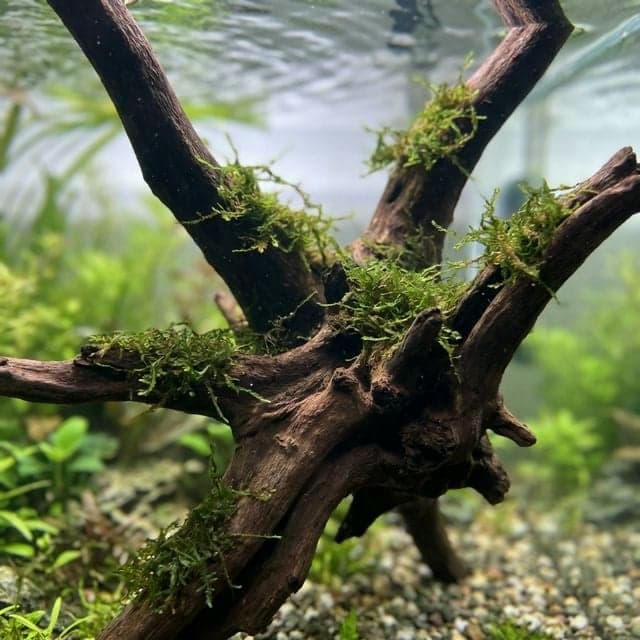
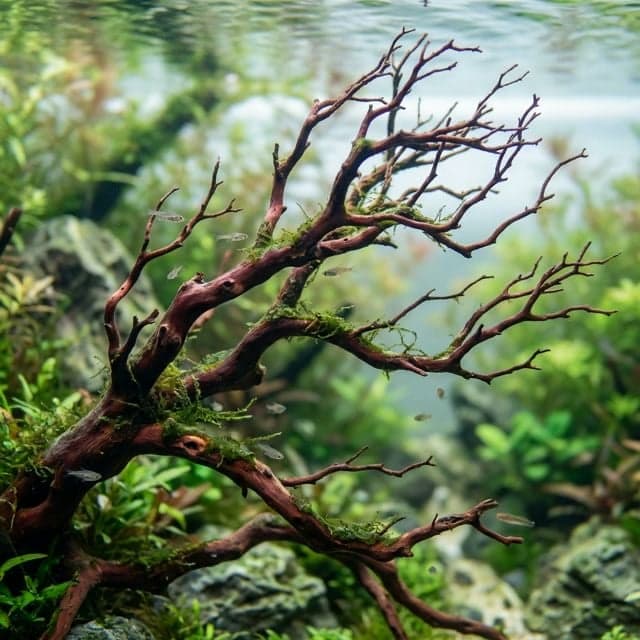
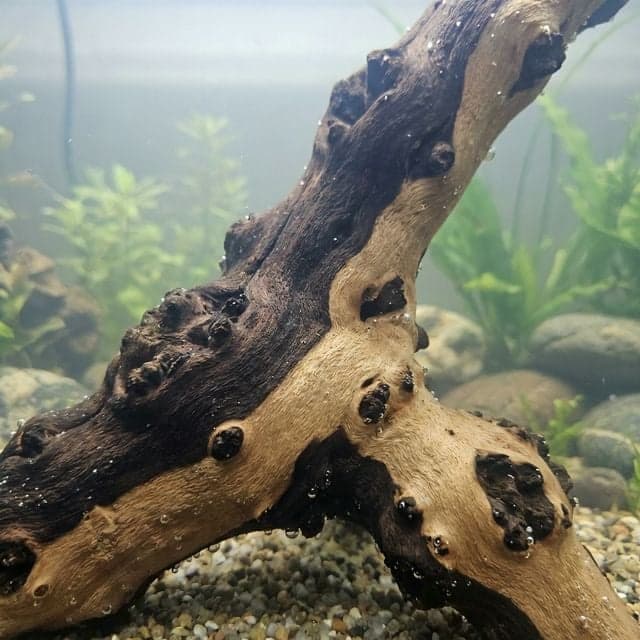
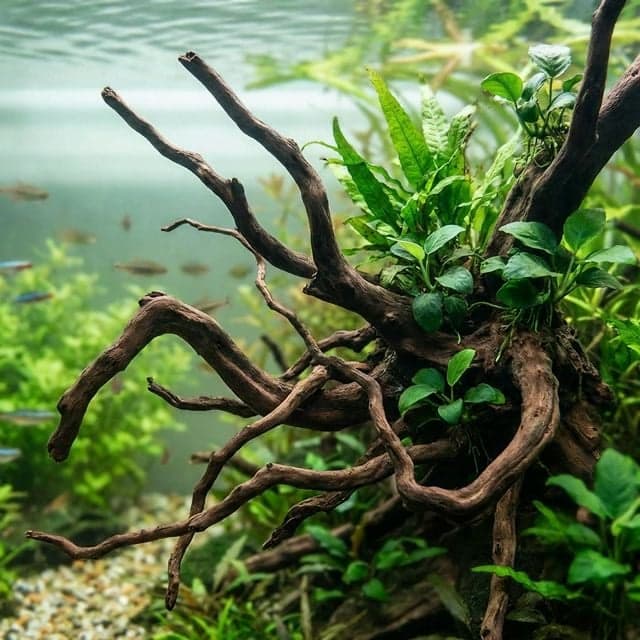
Bogwood, often referred to as "driftwood," is a type of submerged wood that has been weathered and aged by water, leading to a unique appearance suitable for aquascaping. This material is typically sourced from riverbeds or swamps and is characterized by its gnarled forms, rich textures, and dark hues. The aesthetic qualities of bogwood make it particularly appealing in the aquascaping hobby; its earthy tones and intricate shapes can create a natural and organic backdrop in aquariums. Moreover, bogwood provides a focal point around which additional aquascaping elements can be organized, enhancing the overall visual appeal of the aquarium.
In recent years, bogwood has gained immense popularity among aquarists and aquascapers, not only due to its stunning appearance but also for its functional benefits. It serves as a habitat for beneficial microorganisms and can supplement the daily diets of fish and invertebrates that graze on biofilm growth. In addition, the tannins released by bogwood can contribute to a more natural environment that mimics the fish’s native habitats, making it an essential material for both aesthetic and ecological purposes.
Usage Guide
When incorporating bogwood into an aquascape, placement is crucial to achieve a balanced look. Begin by selecting larger pieces of bogwood as the central or focal point of your layout; these can be arranged vertically for height or horizontally to create a natural base. Stacking smaller pieces on or around the main piece can add depth and complexity to the design. Aim for a sense of asymmetry; natural environments rarely show symmetrical arrangements.
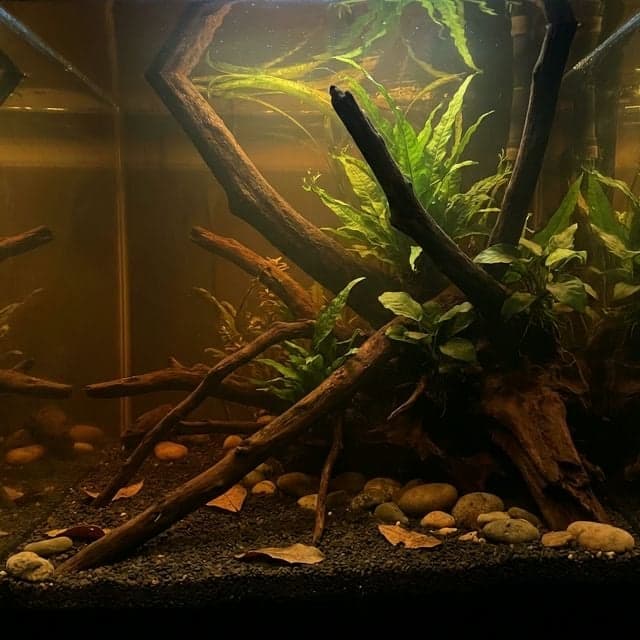
Consider pairing bogwood with other hardscape materials such as rocks or gravel to create contrast in texture and color. For instance, combining bogwood with smooth river stones can complement its rugged appearance while allowing for creative layering. When arranging multiple materials, ensure that each element has space to be appreciated without overwhelming the design. Remember to think about the swimming paths for your fish; provide open spaces around and under the wood to facilitate movement throughout the tank.
Cleaning & Preparation
Preparing bogwood for your aquarium is crucial in ensuring water quality and the health of aquatic life. Follow these steps to clean and prepare your bogwood:
-
Initial Rinse: Begin by rinsing the bogwood thoroughly in fresh water to remove any debris or loose particles. Use a soft brush to scrub off any visible dirt or contaminants.
-
Boiling: Boil the bogwood in a large pot of water for about 1-2 hours. This not only helps in sterilizing the wood by killing potential pathogens but also expedites the leaching of tannins.
-
Scrubbing: After boiling, let the wood cool and scrub it once more to remove any remaining organic material or dirt.
-
Acid Washing (if necessary): If the wood appears to have heavy mineral deposits, an acid wash may be necessary. Mix a solution of water and aquarium-safe acid (like vinegar in a 1:1 ratio) and soak the wood for about 30 minutes before rinsing thoroughly.
-
Soaking: Place the cleaned bogwood in a separate bucket filled with fresh water and soak for a few days to allow any remaining tannins to leach out. This will help minimize discoloration in your aquarium's water.
-
Final Inspection: After soaking, check the bogwood for any remaining residue, and rinse again before placing it in your aquarium.
Impact on Water Chemistry
Bogwood is known for binding with tannins and subtly influencing water chemistry. It is not inert; rather, it can leach tannins into the water, contributing to a brown tint that mimics the natural habitats of many fish species. The leaching of tannins can slightly lower the pH, often resulting in a more acidic environment (typically around 6.0-7.5 pH). Bogwood may also affect general hardness (GH) and carbonate hardness (KH) levels, although the impacts are usually minimal. Regular monitoring of these parameters is essential, particularly in biotope or specialized aquascapes, to ensure the health of sensitive aquatic life.
While tannins can promote a beneficial environment for certain species and help in reducing stress, they may be unwelcome in specific setups, such as planted aquariums aiming for clarity. Hence, it’s advisable to perform water tests after introducing bogwood to quantify its effects on water chemistry.
Aquascaping Styles
Bogwood is highly versatile and complements various aquascaping styles. It is particularly well-suited for the Nature Aquarium style, which emphasizes the natural arrangement of materials, creating a more dynamic and organic look. As for the Iwagumi style, while it typically favors stones, small pieces of bogwood can be strategically used to bring warmth and enhance the visual interest without detracting from the minimalist philosophy.
Additionally, bogwood is an excellent choice for creating biotope aquariums, where replicating specific environments is critical to the success of the aquarium. It can evoke the submerged landscapes found in Southeast Asian rivers, making it a popular choice for those aiming to create a realistic habitat for freshwater species. Overall, bogwood proves to be a beneficial and aesthetic addition to various aquascaping endeavors, inviting creativity and innovation in tank design.