Leaf litter
Leaf litter is a natural hardscape material used in biotope and aquascaping setups.
Leaf litter
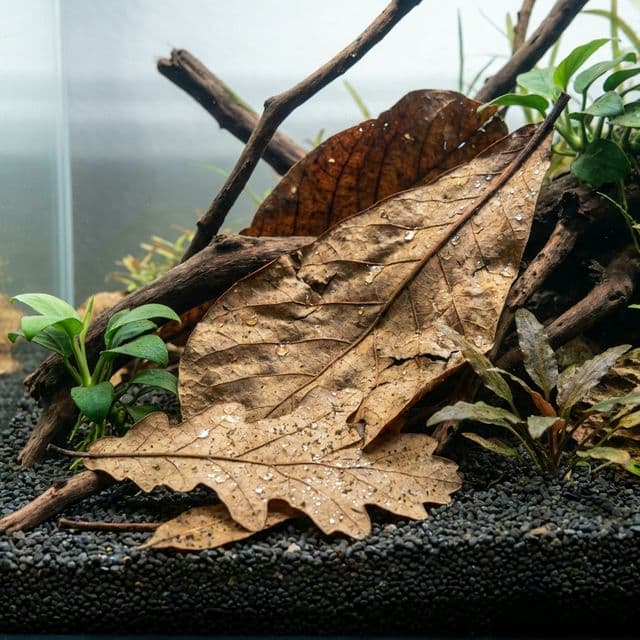
Leaf litter is an essential component of many aquascapes, playing both aesthetic and functional roles in aquarium design. It consists of decomposed leaves and organic matter collected from various terrestrial plants, typically found in tropical forest environments. The appealing brown hues and soft textures of leaf litter create a natural, organic look, emulating the forest floor, which enhances the visual appeal of an aquascape. This organic substrate is not only popular among hobbyists for its beauty but also for its ecological benefits: it provides shelter for aquatic animals, especially shrimp and small fish, while promoting the growth of biofilm, which serves as a food source for various aquatic organisms.
The aesthetic qualities of leaf litter contribute to the layered look of a well-designed aquarium. As it decomposes, it introduces a range of colors and textures that can soften stark edges of hardscapes, such as rocks and wood, creating a more integrated appearance. The trend of utilizing leaf litter has gained immense popularity among aquascaping enthusiasts, especially those focused on recreating biotope environments, as it closely mimics natural habitats. Its versatility allows it to be used in a variety of styles, appealing to both novice and advanced aquascapers alike.
Usage Guide
When incorporating leaf litter into your aquascape, strategic placement is essential for achieving a natural look. Start by layering leaf litter across the substrate, especially in areas where you want to create a forest floor effect. You can opt for a sparse application to ensure visibility of the substrate beneath, or a more densely packed approach to provide cover and food for inhabitants. Layer the leaves to create depth; overlapping them will simulate the natural multi-layered appearance found in the wild.
For increased aesthetic appeal and functionality, consider stacking leaf litter along the base of larger hardscape elements, like driftwood or stones. This not only enhances the visual texture but also provides hiding spots for shrimp and fry. Pair leaf litter with other natural materials—such as fine gravel, small pebbles, or sand—to transition seamlessly from the substrate to the main hardscape. Additionally, combining leaf litter with moss or other aquatic plants can produce attractive contrast while encouraging beneficial biofilm growth, further enriching the aquarium environment.
Cleaning & Preparation
Preparing leaf litter for aquarium use is critical to ensure that it does not introduce unwanted contaminants. Start by rinsing the leaf litter thoroughly under running water to remove any debris, dirt, or insects. This will help clear off any surface contaminants. Next, you may choose to boil the leaves for approximately 10-15 minutes. This process not only further cleans the leaves but also helps to soften them, making them more appealing and effective in the aquascape.
After boiling, allow the leaves to cool before scrubbing them with a soft brush to remove any remaining particles. If your leaf litter carries a strong odor or you're concerned about potential pathogens, you can perform an acid wash using a mild vinegar solution (1:10 ratio of vinegar to water) for about 5-10 minutes. Rinse thoroughly afterward to ensure all vinegar residue is removed. Finally, soak the leaves in clean water for 24 hours prior to introduction into the aquarium to help them sink. This soaking period will also release some of the tannins, which can affect water color.
Impact on Water Chemistry
Leaf litter is known for leaching tannins into the water, which can have a significant impact on the aquarium’s water chemistry. These tannins not only influence the visual aesthetics by tinting the water a lovely amber shade, creating a more natural look, but they can also slightly lower pH levels, leading to a more acidic environment. Generally, the introduction of leaf litter can lead to a slight decrease in GH (General Hardness) and KH (Carbonate Hardness) over time, as the organic matter breaks down.
While the exact impact of leaf litter on water parameters can vary based on the type of leaves used and the size of the aquarium, it is advisable for hobbyists to monitor pH, GH, and KH regularly. This is particularly important for sensitive species that could be adversely affected by changes in water chemistry. In general, leaf litter is considered a beneficial addition for those keeping soft-water species, as the tannins are known to be beneficial for many fish and invertebrates, promoting health and providing a natural habitat mimicry.
Aquascaping Styles
Leaf litter lends itself beautifully to several aquascaping styles, particularly those emphasizing natural, organic layouts. It is a fundamental component in nature aquariums, providing that forest floor look that enhances the biotype replication for many tropical species. Additionally, leaf litter fits well into Iwagumi and Scape styles, where contrasts between hardscape elements and organic materials create dynamic visual interest without overwhelming the primary focus of rocks or plants.
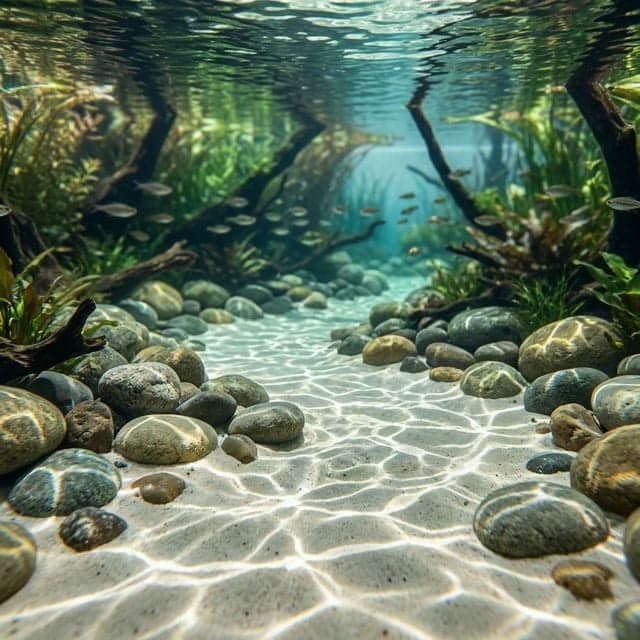
Biotope aquascapes greatly benefit from the inclusion of leaf litter, as it helps accurately simulate the natural ecosystems found in various habitats. Using native species of leaves can also enhance the authenticity of the biotope. Whether you’re setting up a serene riverbed or a bustling forest stream scene, incorporating leaf litter effectively enriches the design while ensuring a balanced environmental ecosystem for your aquatic inhabitants.