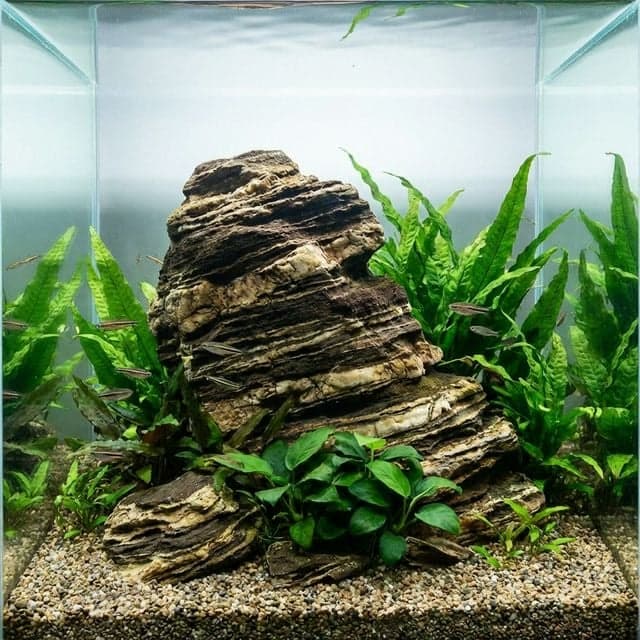
Petrified Wood: Ancient Fossils
Actual wood turned into stone over millions of years. Offers the texture of bark with the weight and permanence of rock.
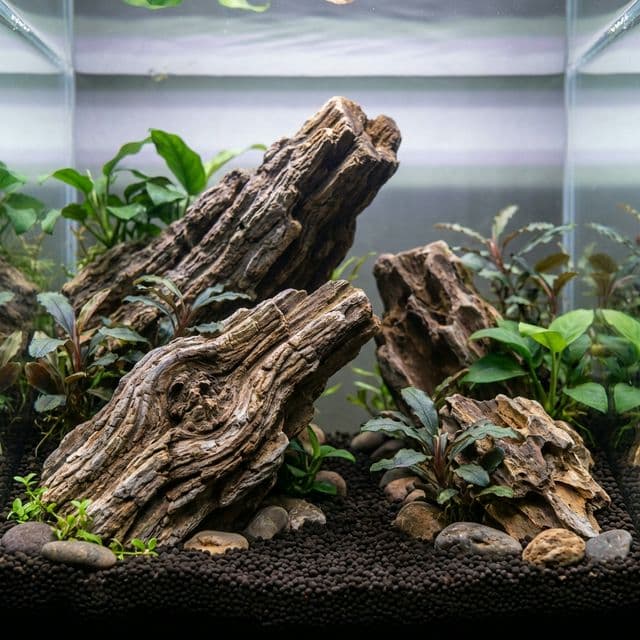
Petrified Wood
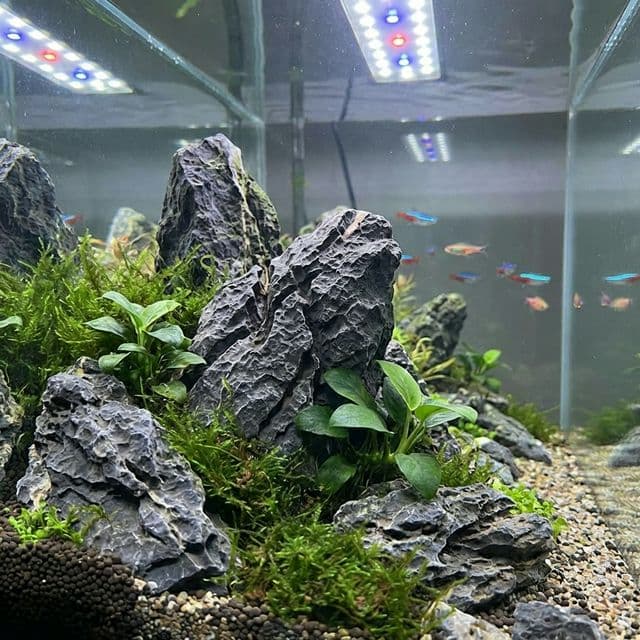
Petrified wood is a fascinating material formed over millions of years from ancient trees that have undergone a remarkable fossilization process, where organic plant matter is replaced by minerals such as silica, calcite, or pyrite. This transformation preserves the original structure of the wood while imparting unique geological characteristics. Its rich history and natural forms make petrified wood an ideal choice for aquascapers looking to add a touch of nature to their underwater creations. The intricate patterns and textures of petrified wood create a stunning focal point in aquariums, evoking a sense of ancient beauty and timelessness.
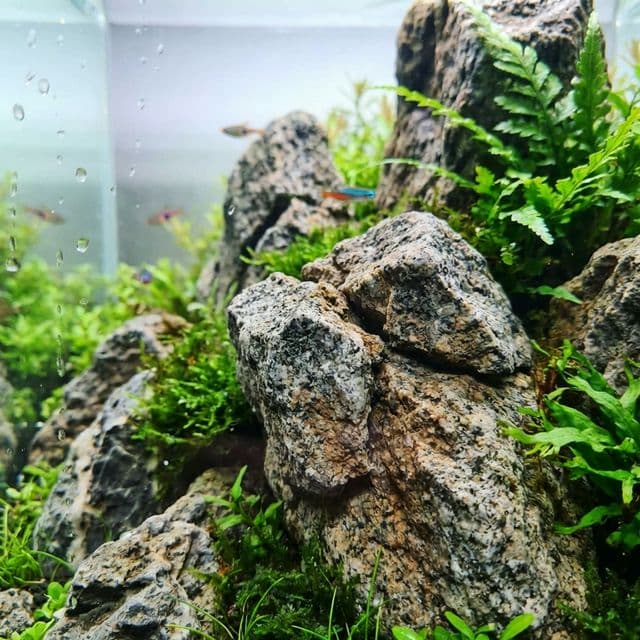
In the aquascaping hobby, petrified wood is celebrated not only for its aesthetic appeal but also for its versatility. Its warm colors—ranging from browns and reds to rich blacks—complement various aquatic plants and fish species. The rough and jagged textures of the wood provide hiding spots and surfaces for beneficial biofilm growth, which is essential for the overall health of the aquarium ecosystem. Additionally, its long-lasting durability makes it a popular choice among enthusiasts who desire a permanent hardscape that requires minimal maintenance.
Usage Guide
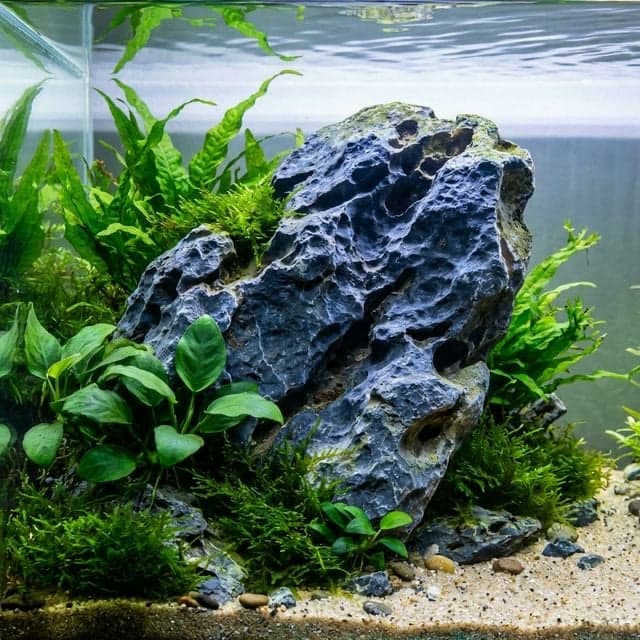
When incorporating petrified wood into an aquarium layout, consider the overall theme and desired visual impact. Start by determining the focal point of your design; petrified wood works wonderfully as a central feature or as a backdrop to plants. Use larger pieces as anchors, placing them strategically for balance and flow. To achieve a natural look, stack smaller pieces, positioning them at varied angles to create height and dimension. layering is a key technique to ensure the wood appears to be part of the terrestrial environment, resembling the look of fallen trees in a forest.
Pair petrified wood with other natural materials for a more dynamic aquascape. Its textures contrast beautifully with smooth stones, creating visual interest. Incorporate aquatic plants that thrive in these conditions, such as Anubias or Java Fern, which can be attached to the wood using fishing line or cotton thread. Employing a strategic approach to plant placement—ensuring they are slightly off-center or varying the heights—will enhance the organic feel of the layout. Maintaining an open area around the wood helps to create a sense of depth, making the aquarium more inviting for both the fish and the observer.
Cleaning & Preparation
Before placing petrified wood in your aquarium, it’s essential to clean and prepare the material adequately to eliminate any potential contaminants. Follow these steps to ensure it is ready for use:
-
Initial Rinse: Begin with a thorough rinse under warm running water, using a soft brush to remove loose dirt and debris. Avoid using harsh chemicals or soaps, as these can leave residues.
-
Boiling: To further eliminate any possible pathogens or dirt, boil the petrified wood for 15-30 minutes. This process not only sanitizes but also helps to loosen any residual organic material.
-
Scrubbing: After boiling, scrub the wood once more with a soft brush and water to ensure all remaining debris is removed. Focus on crevices where dirt may be trapped.
-
Acid Washing (if applicable): If you find that your petrified wood has any calcium deposits or mineral build-up, a gentle acid wash with a vinegar solution (1 part vinegar, 10 parts water) can help. Rinse thoroughly afterward with clean water to eliminate any acidic residues.
-
Soaking: Finally, soak the petrified wood in fresh water for 24-48 hours. This step allows any remaining contaminants or leachable materials to disperse before adding it to your aquarium.
Impact on Water Chemistry
One of the critical aspects of using petrified wood in aquascaping is understanding its impact on water chemistry. Petrified wood is generally inert, meaning it does not leach harmful compounds into the aquarium. This characteristic is advantageous for those maintaining delicate aquatic environments, as it simplifies water management. Unlike driftwood, which may leach tannins and affect water parameters, petrified wood is stable and will not significantly alter pH, general hardness (GH), or carbonate hardness (KH).
However, it’s essential to monitor your water parameters regularly. While petrified wood itself remains stable, it may contribute to higher mineral content in some cases, especially if sourced from mineral-rich regions. Therefore, for aquarists aiming for specific parameters, such as a pH of 6.5-7.5 and a GH below 10 dGH, regular testing is advised to ensure the overall water quality remains suitable for your chosen fish and plant species.
Aquascaping Styles
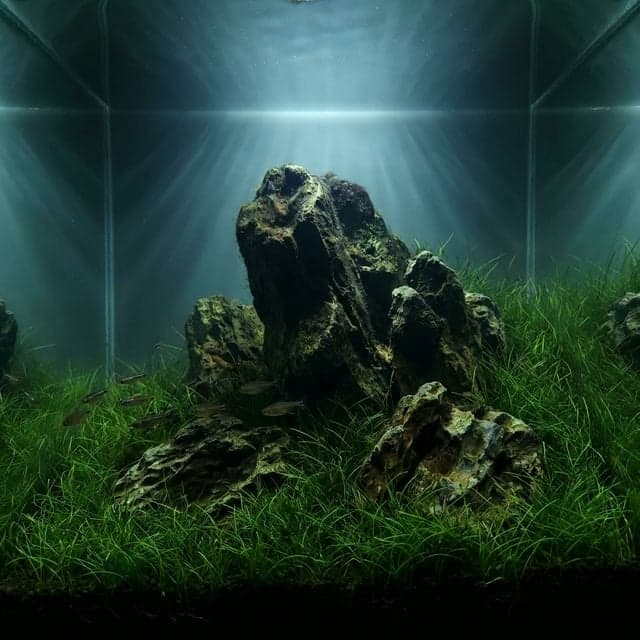
Petrified wood is incredibly versatile and can be integrated into various aquascaping styles. One of the most popular styles is Iwagumi, where the balance and simplicity of the layout emphasizes natural beauty while aligning with principles of Zen. By using petrified wood as a primary element, you can create a stunning center of interest and a sense of harmony.
This material also fits well within the Nature Aquarium style, where the goal is to mimic natural habitats. Petrified wood can represent driftwood found in rivers or lakes, providing both aesthetic appeal and functional benefits to aquatic life. For those interested in recreating biotope setups, petrified wood can symbolize various geographical regions, allowing hobbyists to design habitats that mirror the ecosystems found in nature.
Lastly, petrified wood plays a role in expressive scape designs, where creativity takes precedence. The unique textures and colors can serve as a canvas, inviting aquascapers to explore diverse plant pairings and layouts. Whether employed in minimalist or elaborate arrangements, petrified wood offers endless possibilities for enlivening your aquatic landscapes.