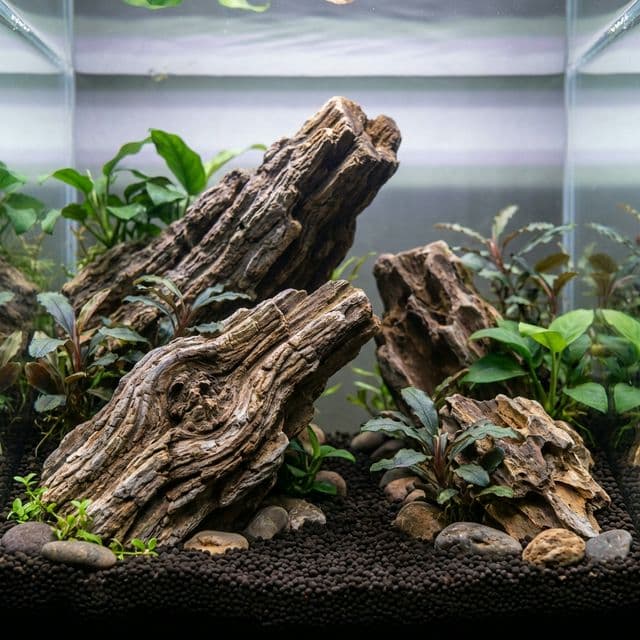
Granite rocks
Granite rocks is a natural hardscape material used in biotope and aquascaping setups.
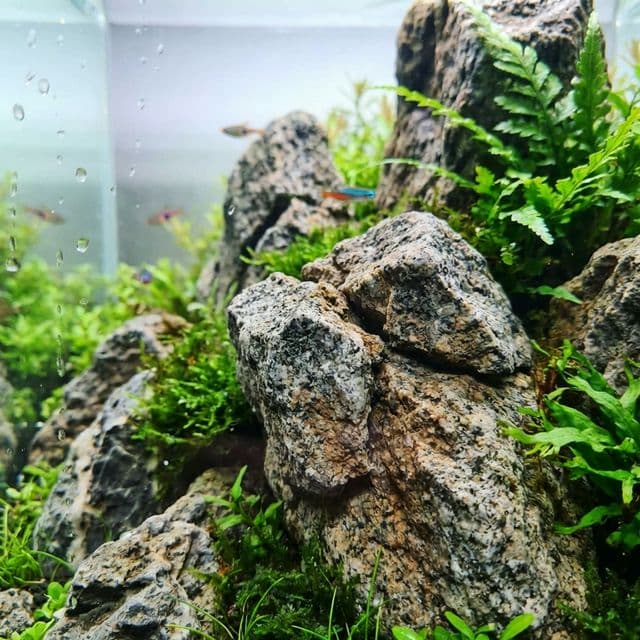
Granite rocks
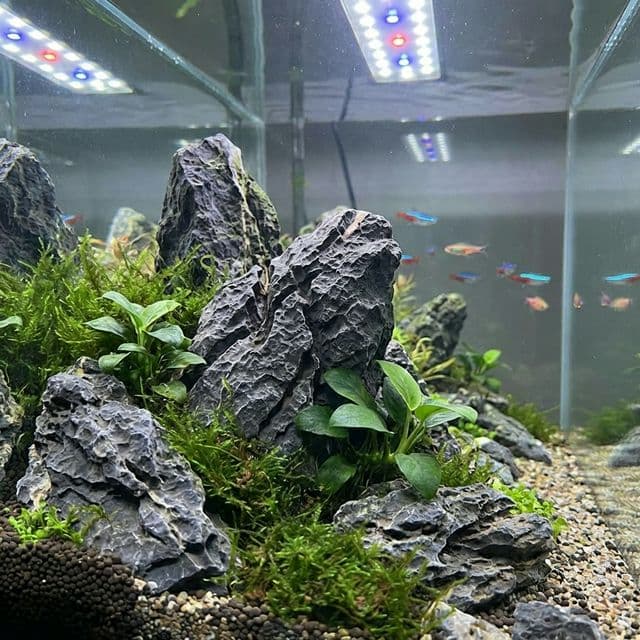
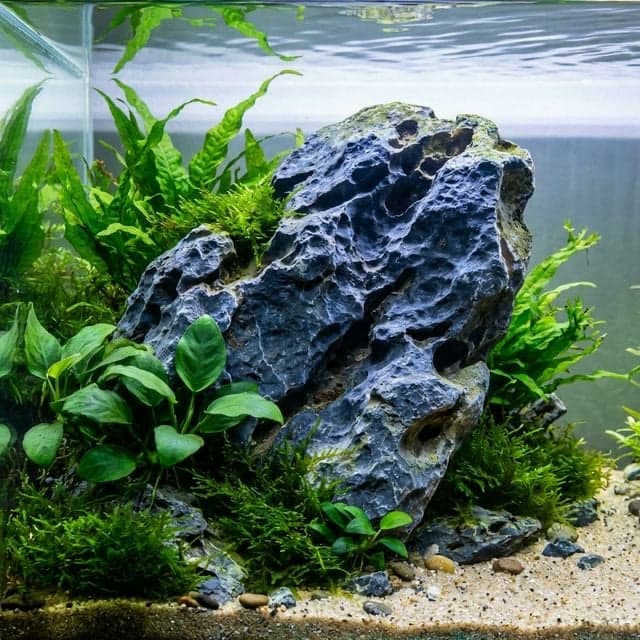
Granite rocks are a popular hardscape material in the aquascaping community, known for their impressive strength and aesthetic versatility. Composed primarily of quartz, feldspar, and mica, granite boasts a crystalline structure that gives it a unique sparkle and a varied palette of colors ranging from deep grey to rich reddish-brown. Due to these properties, granite adds a rugged yet sophisticated appearance to aquascapes, making it an ideal choice for those looking to create striking landscapes. Its durability also means it can withstand the pressures of both freshwater and saltwater environments without deteriorating, further enhancing its desirability among aquarists.
The popularity of granite in the hobby can be attributed not only to its visual appeal but also to its functionality. It can be easily incorporated into a variety of aquascaping techniques and styles, serving as a focal point or complementary piece. The rough textures and natural formations found in granite can create a dynamic habitat for aquatic life, including fish and invertebrates. Many aquarists appreciate how granite can contribute to the ecological stability of their tanks while providing a visually stunning backdrop. Overall, the enduring qualities of granite make it a staple in the art of aquascaping.
Usage Guide
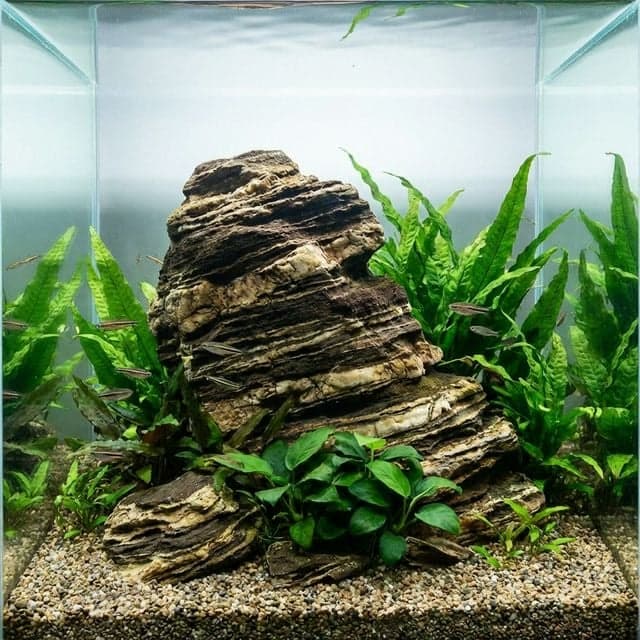
When using granite rocks in your aquascape, consider the overall layout and the role that these stones will play in creating depth and visual interest. Start by selecting a focal point rock that is larger and more visually striking than others, then strategically place it toward the back or one side of the aquarium. This technique helps to create a sense of perspective and scale. For a balanced appearance, arrange smaller granite pieces around the focal rock, ensuring that the transition between the larger and smaller stones appears naturally layered.
Stacking is key when using granite rocks; however, caution must be exercised to ensure stability. It’s advisable to create wider bases with the larger rocks before adding smaller ones on top. Placing some rocks slightly slanted can add an organic feel to the layout. Pair granite rocks with softer aquascaping materials, such as driftwood or plants, to juxtapose the rugged texture of granite against more delicate elements. Moss and carpet plants often thrive when placed around or on granite surfaces, providing an additional layer of complexity and color to your aquarium's design.
Cleaning & Preparation
Before introducing granite rocks into your aquarium, it's imperative to prepare them properly to ensure they are safe and clean. Follow these steps for effective preparation:
-
Initial Rinse: Begin by rinsing the granite rocks under warm water to remove any loose debris, dirt, or dust. This is an essential first step to avoid introducing contaminants into your aquarium.
-
Scrubbing: Use a stiff bristle brush to scrub any stubborn dirt or grime. Make sure to focus on crevices and any areas where algae or mold may be adhering.
-
Boiling (if needed): For added sterilization, you can boil the rocks for approximately 10-20 minutes. This step helps eliminate any potential pathogens and organisms that could harm your aquatic life.
-
Acid Washing (optional): If you suspect that your granite may have mineral deposits or other undesirable residues, consider an acid wash. Use a diluted solution of vinegar (50/50 with water) to scrub the surface. Rinse thoroughly afterward to remove all acid residue.
-
Soaking: Finally, soak the granite rocks in fresh water for at least 24 hours to allow any remaining residues to leach out. Change the water periodically during this time to ensure complete removal of any contaminants.
Once cleaned and prepared, your granite rocks are ready to be safely used in your aquascape.
Impact on Water Chemistry
Granite rocks are generally considered inert, meaning they do not leach significant contaminants into the water, such as tannins. However, it is essential to note that granite can contain trace amounts of minerals, such as calcium and magnesium, depending on its specific composition. This means that while most granite rocks will have minimal impact on most water chemistry parameters, there can be slight variations depending on the specific geological source.
As a result, granite has a negligible effect on pH, general hardness (GH), and carbonate hardness (KH) levels in your aquarium. Most granite varieties will maintain a stable pH, typically ranging from neutral to slightly alkaline (around 6.5 to 8.0). However, if you use a substantial amount of granite in your hardscape, it’s good practice to monitor your aquarium's water parameters periodically. This helps ensure that any minor changes that may occur do not negatively impact the health of your aquatic environment.
Aquascaping Styles
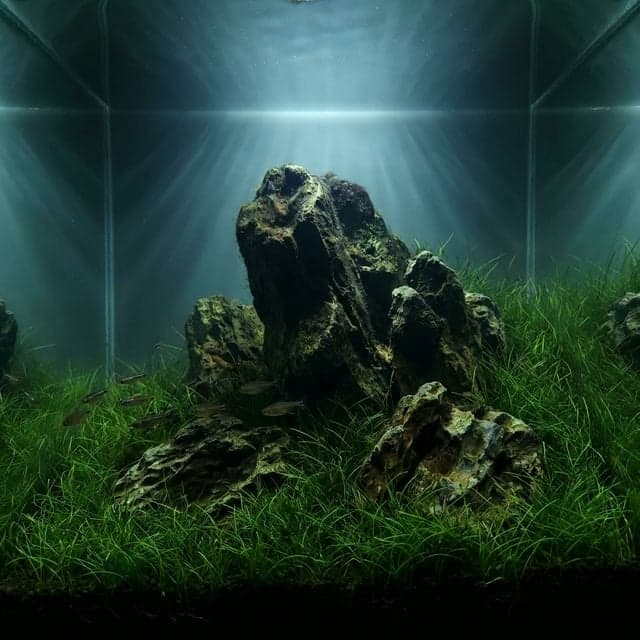
Granite rocks excel in various aquascaping styles thanks to their bold visuals and structural integrity. They are particularly suited for the Iwagumi style, where the careful placement of stones is essential to creating harmony and balance. Granite’s unique textures and colors can bring strength and character to minimalist designs, enhancing the overall aesthetic without overwhelming the scene.
Additionally, granite fits well within the Nature Aquarium style, as its organic look mimics natural river environments. The ability to create a layered effect using granite allows for creating depth in layouts that desire a blend of rock and plant life. Moreover, when aiming to replicate biotope environments or scapes inspired by mountainous terrains, granite rocks can be instrumental in achieving a more authentic representation. Overall, granite is a versatile material that can adapt to various aquascaping approaches, making it a fantastic choice for both novice and experienced aquarists.