Cholla Wood: The Shrimp Hotel
The dried skeleton of the Cholla cactus. Hollow, holey, and soft. The #1 wood choice for shrimp tanks.

Cholla Wood
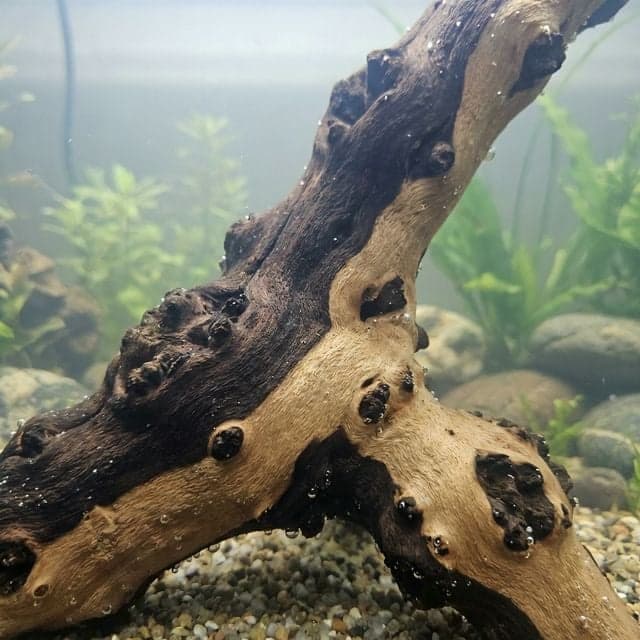
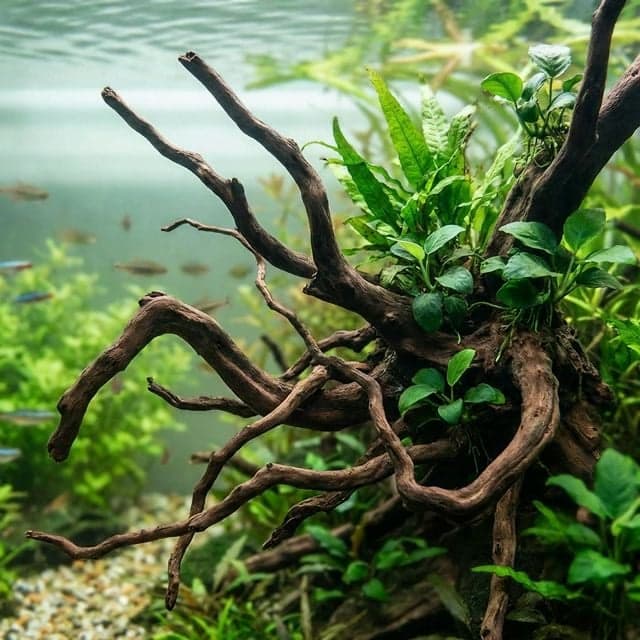
Cholla wood, derived from the dried skeletons of the Cholla cactus native to the southwestern United States, serves as both a unique aesthetic element and functional accessory in aquascaping. Renowned for its striking structure, its distinctive branching patterns and porous surface create an organic appearance that enhances the aquarium's natural biodiversity. The light color of Cholla wood contrasts beautifully against vibrant aquatic plants and colorful fish, making it a favored choice among aquarists looking to create visually appealing underwater landscapes. Because of its lightweight nature and attractive texture, Cholla wood not only captivates the eye but also serves as a habitat for shrimp and beneficial microorganisms.
This material has gained significant popularity in the aquarium hobby, particularly among shrimp keepers who refer to it affectionately as the "Shrimp Hotel." The numerous holes and crevices in Cholla wood provide the perfect refuge for shrimp, offering them a safe environment to hide, breed, and forage. As a bonus, it often encourages the growth of biofilm, a food source that shrimp love. Besides its functional uses, Cholla wood can serve as a focal point in an aquascape, blending seamlessly with other materials such as rocks, substrate, and plants to enhance the overall cohesion and depth of the underwater landscape.
Usage Guide
When incorporating Cholla wood into your aquascape, placement is key to achieving a dynamic, harmonious layout. Consider positioning larger pieces as central focal points or using smaller fragments to accentuate various sections of the aquarium. Stacking Cholla wood can create varying heights, establishing visual interest and depth in the tank. When arranging the wood, aim for an asymmetrical layout, as this tends to mimic nature more closely and keeps the viewer's eye engaged.
For best results, pair Cholla wood with other hardscape materials such as rocks and gravel to create contrast. Additionally, complement it with lush aquatic plants that provide texture and color, helping to soften the overall look while enhancing the habitat it offers for shrimp. When considering the orientation of the pieces, keep the water flow in mind; placing flat surfaces facing upwards can allow biofilm and algae to grow, providing nourishment for shrimp and other small inhabitants.
Cleaning & Preparation
Before adding Cholla wood to your aquarium, it is crucial to clean and prepare it properly to eliminate any contaminants. Follow these steps for effective preparation:
-
Scrubbing: Use a soft-bristle brush to clean the surface of the Cholla wood, ensuring you remove any dust or debris that may have settled on it.
-
Boiling: Bring a pot of water to a rolling boil and immerse the Cholla wood for 15-30 minutes. This step helps to sterilize the wood and can also soften it slightly, making it easier to sink in your aquarium.
-
Acid Washing (optional): If you want to further ensure the removal of any potential pollutants, you can use a diluted solution of vinegar (1 part vinegar to 4 parts water) to soak the Cholla wood for a few hours. Be sure to rinse it thoroughly afterward to remove the vinegar residue.
-
Soaking: After the above steps, soak the Cholla wood in fresh water for 24-48 hours to fully saturate and prepare it for aquarium use. Keep in mind that soaking also helps to release any residual tannins, which can tint the water when the wood is first introduced.
Impact on Water Chemistry
One of the critical considerations when using Cholla wood in an aquarium setup is its impact on water chemistry. While Cholla wood is generally considered inert, it can leach small amounts of tannins into the water, which can slightly lower the pH and alter the general hardness (GH and KH) levels over time. Typically, the tannins released can create a mellow, brown tint in the water, often appreciated in biotope setups as it resembles natural habitats.
While these tannins do not pose a threat to most aquatic life, they can influence water parameters. It is advisable to monitor your water conditions regularly, especially the pH, which may fluctuate to levels around 6.0 to 7.5, depending on your tank's existing hardness and other factors. If you prefer clearer water, you may consider including activated carbon in your setup to help mitigate the color imparted by the tannins.
Aquascaping Styles
Cholla wood is versatile and can complement various aquascaping styles, making it a valuable asset for aquarists. It works exceptionally well in Iwagumi layouts, where its natural forms can mimic rock formations. Cholla wood can add unique textures and subtle focal points without overpowering the simplicity often associated with this style.
In Nature Aquarium and Biotope setups, Cholla wood is an excellent choice as it integrates seamlessly into natural scenery reminiscent of waterways found in arid regions. Additionally, its organic look fits the narrative of recreating a slice of nature within an aquarium. Pairing it with contrasting plants like Hemianthus callitrichoides or moss species can enhance aquascaping designs, providing a visually stimulating experience for observers. With its practical benefits for shrimp health and appealing design characteristics, Cholla wood is truly a standout material in the aquarium hobby.