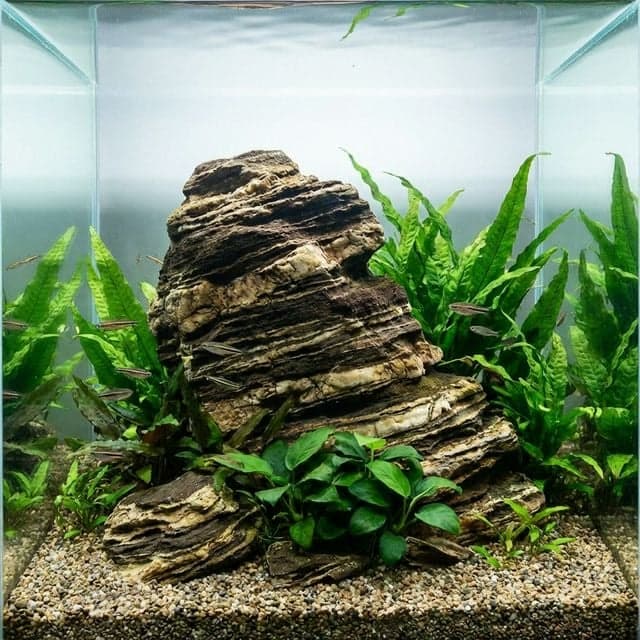
River Stone: The Smooth Rounded Pebble
Naturally tumbled, smooth stones found in riverbeds. Essential for biotope aquariums (Hillstream, Rio Xingu).

River Stone
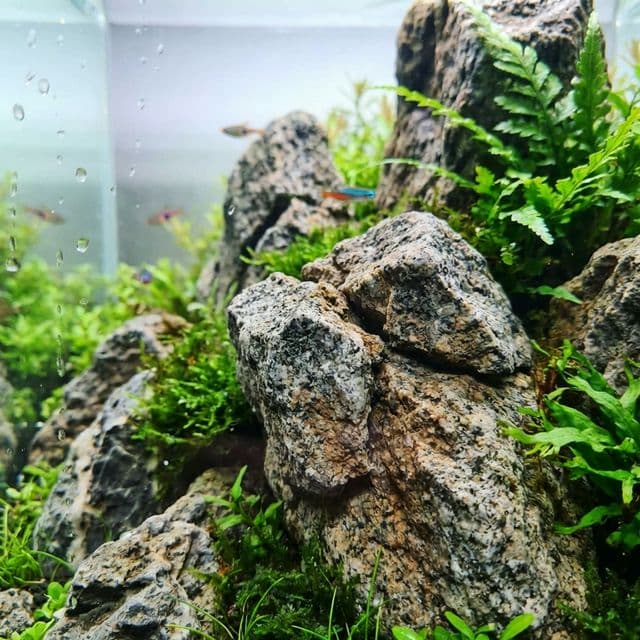
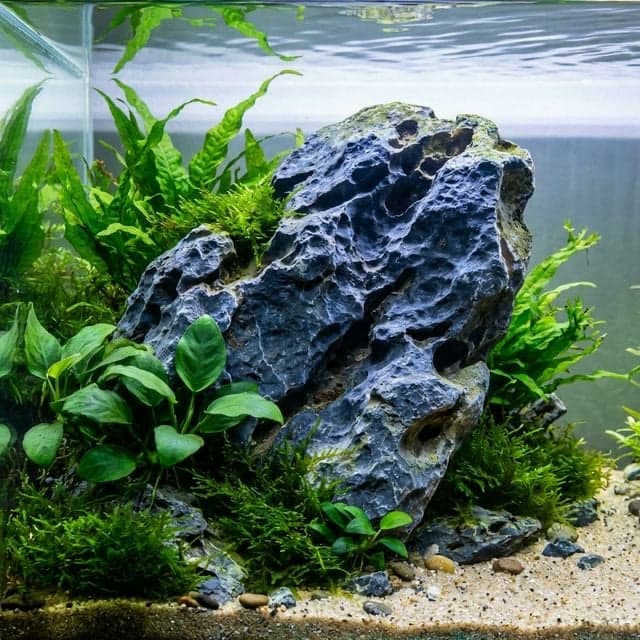
River stones, also commonly referred to as smooth rounded pebbles, are naturally occurring geological formations sculpted by the relentless flow of water over time. They are predominantly found in riverbeds, lakeshores, and coastal areas, where constant water movement smooths their edges and polishes their surfaces. This material is characterized by a tactile softness, often with subtle hues that range from earthy browns and grays to vibrant whites and even occasional pastels. The aesthetic appeal of river stones lies in their natural look, which can complement a variety of aquascaping themes—bringing a sense of tranquility to aquatic environments. Their organic, weathered textures provide a striking contrast to the vibrancy of aquatic plants and fauna, making them a favorite among hobbyists.
In the world of aquascaping, river stones have gained immense popularity due to their versatility and ease of integration into different setups. They can enhance the visual appeal of a tank while also serving functional purposes, such as providing hiding spots for fish and shrimp. Due to this aesthetic and practical appeal, river stones are frequently employed in both beginner and advanced aquascaping designs. Their natural allure makes them an ideal choice for creating harmonious and attractive environments that mimic aquatic ecosystems, and as such, they remain a staple in many aquarists' hardscape arsenals.
Usage Guide
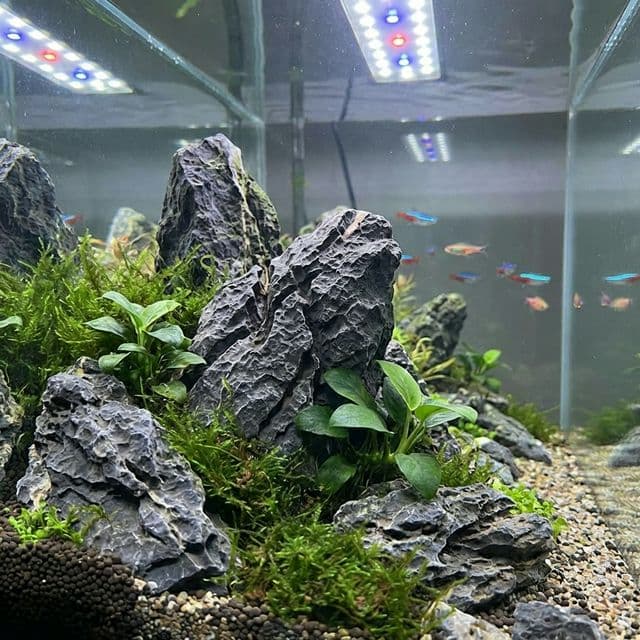
When using river stones in an aquascaping layout, strategic placement is essential to creating depth and visual interest. Begin by selecting a focal point where larger stones can be placed to create a 3D effect, mimicking a natural riverbank or rocky outcrop. Larger stones should be positioned at the back or side of the tank, tapering down to smaller pebbles towards the front. This layering technique creates perspective and encourages the eye to explore the entire aquarium.
Stacking river stones can add dimension and stability to your hardscape. When stacking, ensure that larger stones are securely placed at the base, and avoid overloading smaller pebbles on top, which can lead to instability. Pairing river stones with complementary materials such as driftwood or aquatic plants can enhance the natural look of the tank. For instance, encasing a piece of driftwood with river stones can simulate a root system along a riverbank, providing hiding places for aquatic inhabitants.
Cleaning & Preparation
Before incorporating river stones into your aquarium, it's essential to clean and prepare them thoroughly to ensure the health of your aquatic life. Follow these steps:
-
Rinse Thoroughly: Start by rinsing each pebble under warm running water to remove loose debris and dirt. Use a soft scrubbing brush to help eliminate any stubborn particles without damaging the stone's surface.
-
Boil for Sterilization: If you are concerned about potential bacteria or contaminants, you can boil the stones in a large pot of water for about 10-15 minutes. This will help to further disinfect them.
-
Scrubbing: After boiling and cooling, give the stones another scrub to ensure all residues are removed.
-
Acid Wash (if applicable): If the stones are particularly calciferous or you suspect they might leach unwanted elements, consider an acid wash using a diluted vinegar or hydrochloric acid solution. This step can be skipped if you are confident about the inert nature of your stones.
-
Soaking: Finally, soak the cleaned stones in fresh water for at least 24 hours to remove any remaining contaminants or potential leachates. Be sure to change the water every few hours during this soaking phase.
Impact on Water Chemistry
One of the significant advantages of river stones is their inert nature. Unlike some other hardscaping materials, river stones do not leach tannins, calcium, or magnesium into the water. This trait makes them an ideal choice for aquarists looking to maintain stable water parameters. As such, they have minimal impact on pH, general hardness (GH), and carbonate hardness (KH), allowing hobbyists to create a balanced environment suitable for sensitive aquatic species.
Since river stones do not alter the water chemistry, they can be seamlessly incorporated into tanks with soft, acidic, or hard water setups without introducing unwanted variables. However, it's always crucial to monitor your tank's water parameters regularly and perform routine water changes to ensure a healthy habitat for fish and plants.
Aquascaping Styles
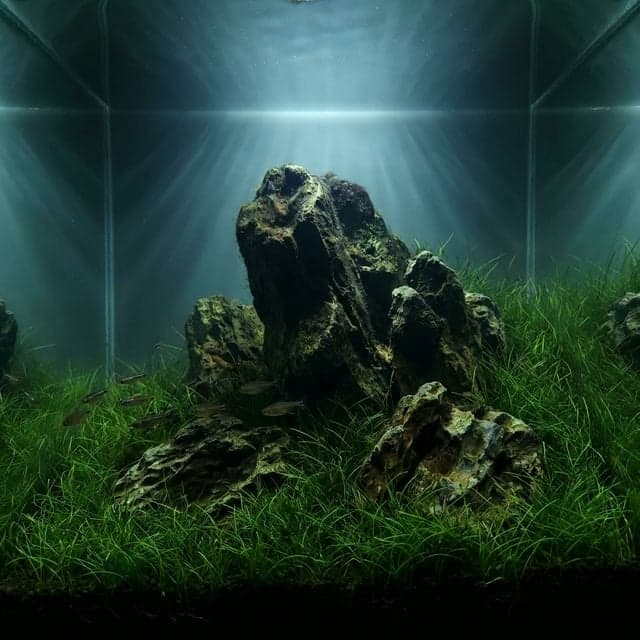
River stones are incredibly versatile and can be used effectively in various aquascaping styles. They pair beautifully with the Iwagumi style, where the balanced composition and natural aesthetics contribute to the harmonious look defined by carefully positioned stones and sparse plant life. In Nature Aquarium setups, river stones provide a sense of realism, replicating the appearance of aquatic ecosystems found in nature.
Additionally, river stones work well in Biotope aquascapes, especially when mimicking freshwater habitats where these stones naturally occur, such as tropical rivers or streams. Their organic forms and colors blend seamlessly with aquatic flora and fauna, making them a favorite for those pursuing naturalistic designs. Overall, river stones represent an excellent choice for hobbyists looking to enhance their aquascaping projects while promoting a healthy and balanced aquarium environment.