Elephant Skin Stone: The Textural Wonder
A guide to Elephant Skin Stone (Seegebirge). Learn why its weathered texture is perfect for creating aged, natural aquascapes.
Elephant Skin Stone
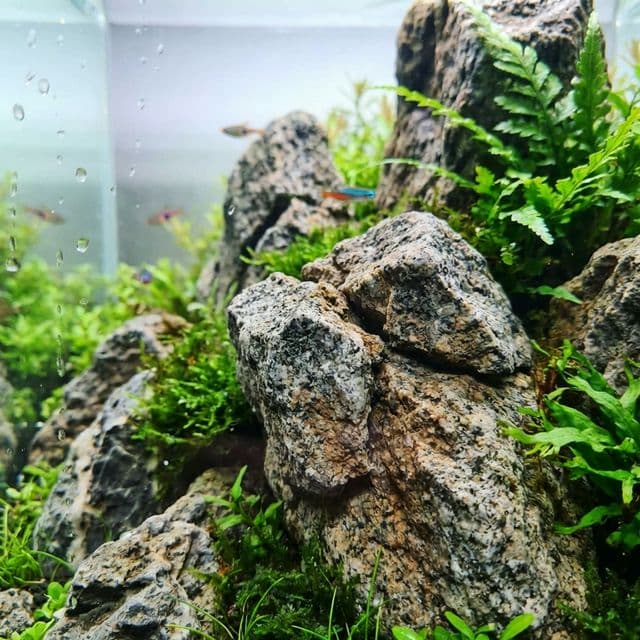
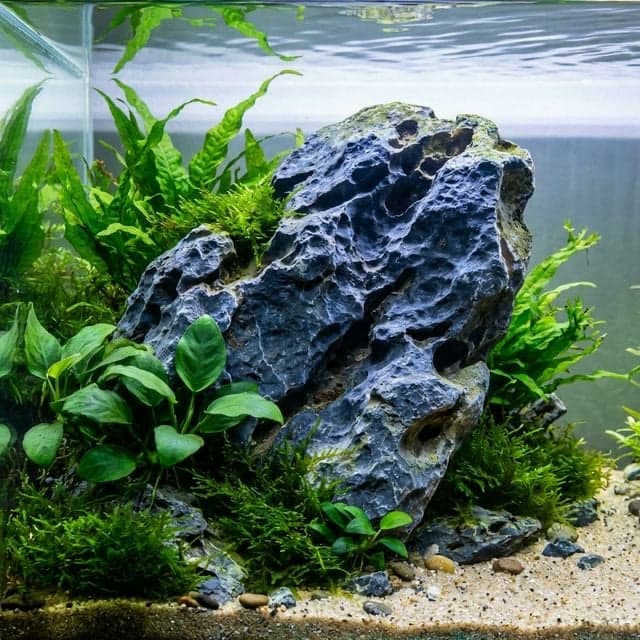
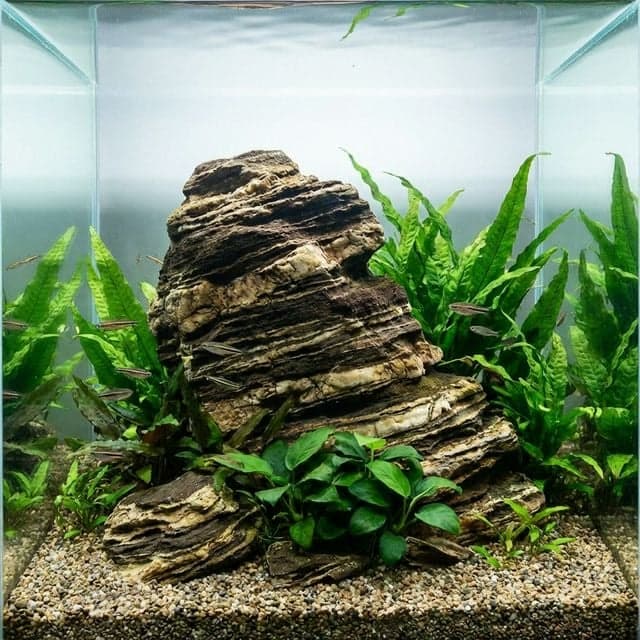
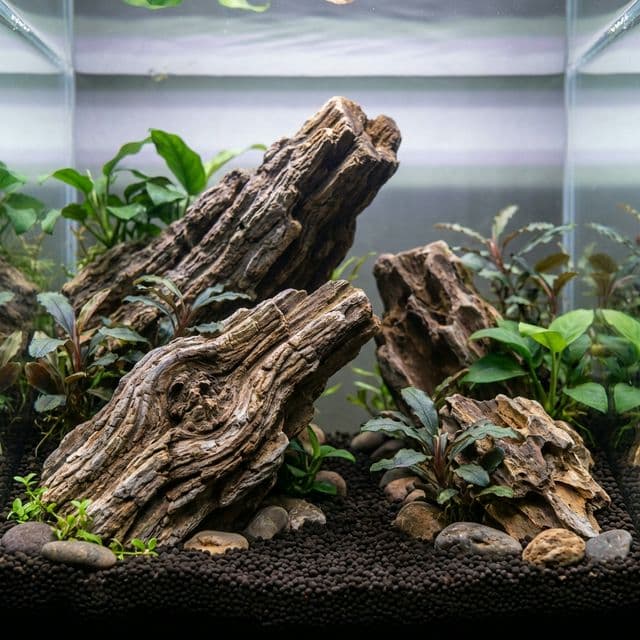
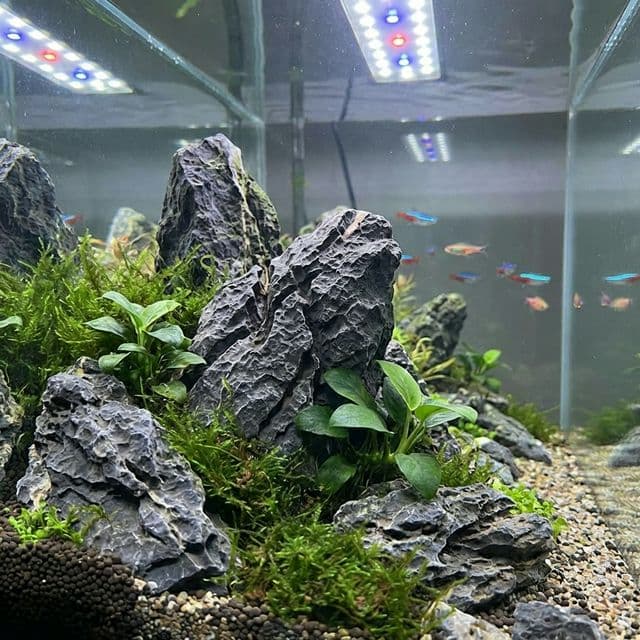
Elephant Skin Stone, known for its distinctive rough and bumpy texture resembling the skin of an elephant, is a relatively new entrant in the aquarium hardscape materials landscape. Its unique patterns and earthy tones—ranging from deep browns to grays—offer aquarists a versatile option for creating visually striking aquascapes. This stone is particularly appreciated for its ability to provide a rustic and organic feel, making it an ideal choice for a variety of aquatic layouts. The textured surface not only enhances the aesthetic appeal but also serves as a niche for beneficial bacteria, contributing to the overall health of the aquarium ecosystem.
The growing popularity of Elephant Skin Stone in the aquascaping hobby can be attributed to its striking visual impact and functional benefits. Hobbyists often favor this material to create dramatic focal points or to serve as a backdrop for a well-planned aquatic landscape. Its unique texture and coloration can contrast well with softer elements, such as aquatic plants, adding depth and complexity to the overall design. With more aquarists leaning towards natural and rustic styles, Elephant Skin Stone has firmly established itself as a favorite due to its versatility and ability to transform ordinary aquascapes into extraordinary underwater landscapes.
Usage Guide
When incorporating Elephant Skin Stone into an aquascape, thoughtful placement and stacking techniques are key to achieving a cohesive look. Due to its substantial size and weight, this stone works best as the foundational element of a layout. Start by placing the largest pieces at the back or center of the aquarium, creating height and visual interest while allowing smaller stones to be positioned around them. Employ a pyramidal stacking method to ensure stability; balance the stones carefully to avoid collapse, utilizing smaller pieces to fill gaps and create pathways or cliffs that guide the viewer's eye throughout the aquarium.
Pairing Elephant Skin Stone with other materials, such as driftwood or softer stones like Seiryu, can enhance the natural feel of the aquascape. The rugged texture of Elephant Skin Stone complements smoother surfaces, providing visual contrast. Furthermore, consider integrating live plants in close proximity to the stone. Ferns, mosses, or low-growing carpeting plants thrive around these textured surfaces, softening the overall appearance while encouraging biodiversity. Remember to maintain ample open spaces for fish to swim and plants to grow, ensuring a balanced and healthy environment.
Cleaning & Preparation
Preparing Elephant Skin Stone for use in your aquarium is essential for ensuring the health of your aquatic environment. Begin with a thorough rinse under cold water to remove any loose dirt and debris. Next, scrub the surface with a soft brush to eliminate stubborn particles. If the stone appears to have any unwanted residues, such as algae or dirt that clings to its crevices, consider a boiling method. Place the stones in a large pot of water, bringing it to a boil for about 15-20 minutes to sanitize them without damaging the stone.
For those wanting an extra layer of preparation, especially for stones sourced from less reputable suppliers, an acid wash could be beneficial. Prepare a solution of equal parts water and white vinegar to soak the stones for approximately 30 minutes. Follow this with a thorough rinse to remove any residual acid. Lastly, soak the cleaned stones in fresh water for at least 48 hours. This helps ensure that any potential leaching agents are flushed out, making the stones safe for your aquatic life.
Impact on Water Chemistry
One of the critical aspects to consider when using Elephant Skin Stone is its impact on water chemistry. Generally, Elephant Skin Stone is considered inert, meaning it does not significantly leach substances into the water. This quality is particularly attractive for hobbyists aiming to maintain stable water parameters. Unlike some other types of stone that may release calcium or magnesium, Elephant Skin Stone does not raise the hardness of water or alter its pH significantly.
Most users will find that Elephant Skin Stone maintains a stable environment with minimal impact on general hardness (GH) and carbonate hardness (KH). This makes it an excellent choice for aquariums housing sensitive fish species or specific plant types that thrive in stable conditions. Nevertheless, it is always advisable to monitor your water parameters regularly, especially in the initial setup phase, to ensure that everything remains within desired water quality ranges.
Aquascaping Styles
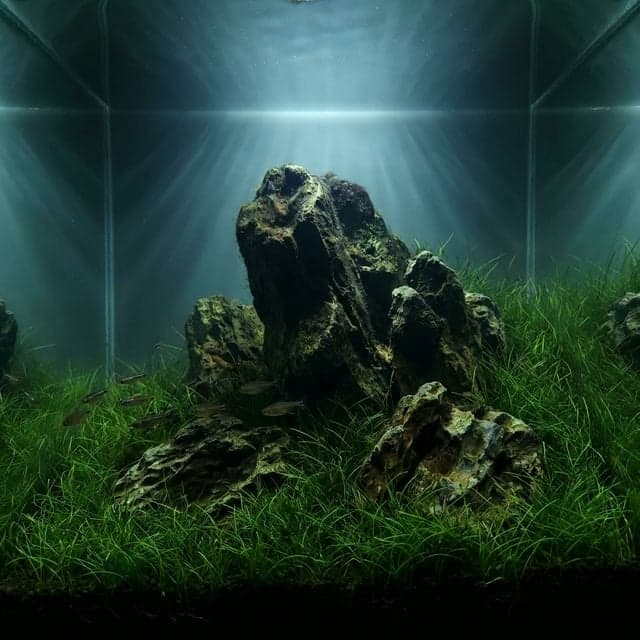
Elephant Skin Stone's distinctive aesthetic makes it suitable for various aquascaping styles, including Iwagumi, Nature Aquarium, and Biotope setups. In Iwagumi layouts, the unique textures of Elephant Skin Stone can mimic natural rocky outcrops, emphasizing simplicity and balance—two core principles of this style. The rugged appearance works beautifully with the minimalist philosophy behind Iwagumi aquascaping, allowing for effective plant placement without competing for attention.
For Nature Aquarium enthusiasts, the natural feel of Elephant Skin Stone pairs excellently with lush plant growth, providing a contrasting backdrop that highlights greenery. In biotope aquascaping, its organic look mimics natural habitats, making it an ideal candidate when recreating environments specific to particular geographical locations. Ultimately, whether you’re aiming for a serene Iwagumi setup or a vibrant Nature Aquarium, Elephant Skin Stone proves to be a remarkable element that adds depth, character, and a textural wonder to any aquascape.