Malaysian Driftwood: The Sinker
A dense, dark, heavy wood that sinks immediately. Releases beneficial tannins and is virtually rot-proof.
Malaysian Driftwood
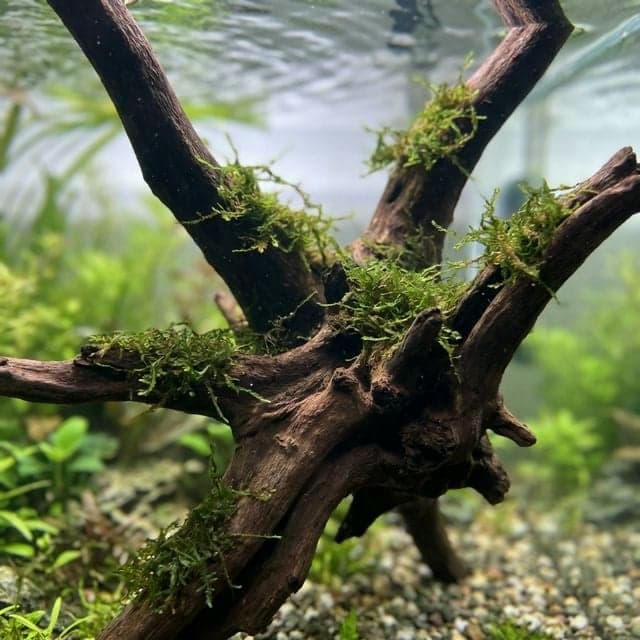
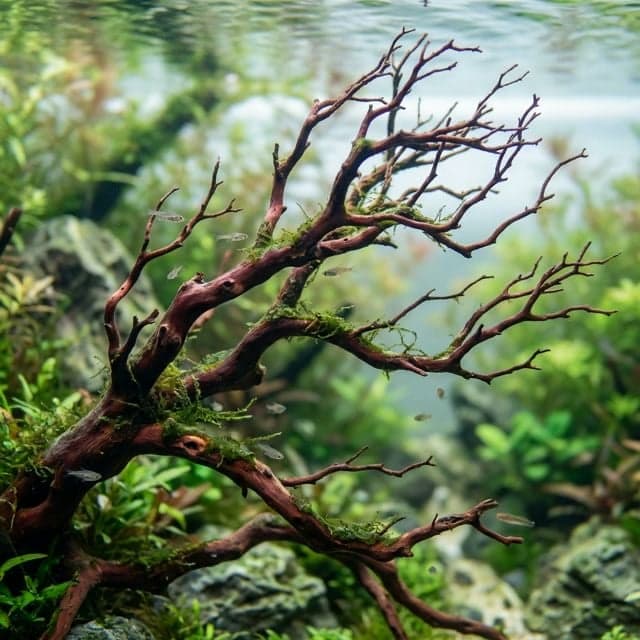
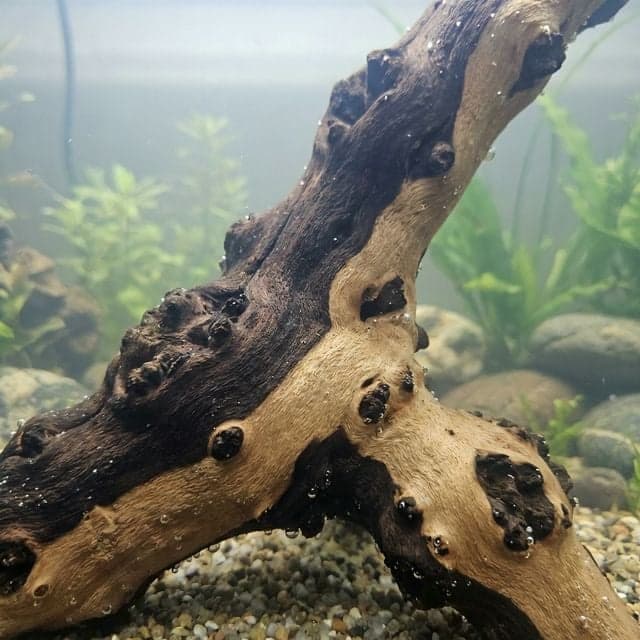
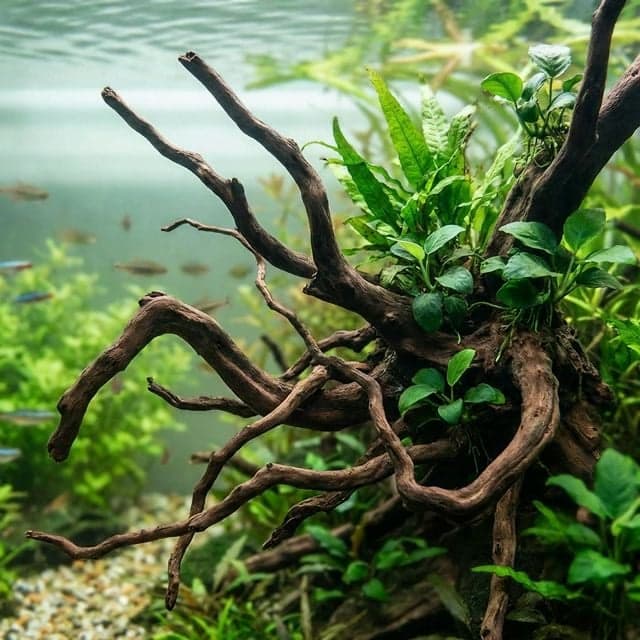
Malaysian Driftwood, often referred to as "The Sinker," is a type of hardwood known for its unique appearance and density, making it a sought-after material in the aquascaping community. Typically sourced from Malaysia, this driftwood has a rich, dark coloration with intricate grain patterns that can create stunning visual focal points in aquariums. Its naturally twisted and gnarled forms add an organic, rustic appeal, mimicking the natural habitats of tropical rivers and lakes, where many aquatic species thrive. As it sinks readily, it offers versatility as a foundational element in hardscape design, easily integrating with various substrates and plant life, enhancing the overall aesthetic of the aquarium.
The popularity of Malaysian Driftwood in the aquarium hobby is attributed not only to its beauty but also to its functionality. This material provides essential surfaces for beneficial bacteria to colonize, promoting a healthier aquatic environment. It is particularly favored by aquascapers seeking to create biotope-style tanks that reflect specific natural environments. The presence of Malaysian Driftwood can effectively complement aquatic plants and create habitats for fish and invertebrates, ultimately enhancing the overall biodiversity within the tank.
Usage Guide
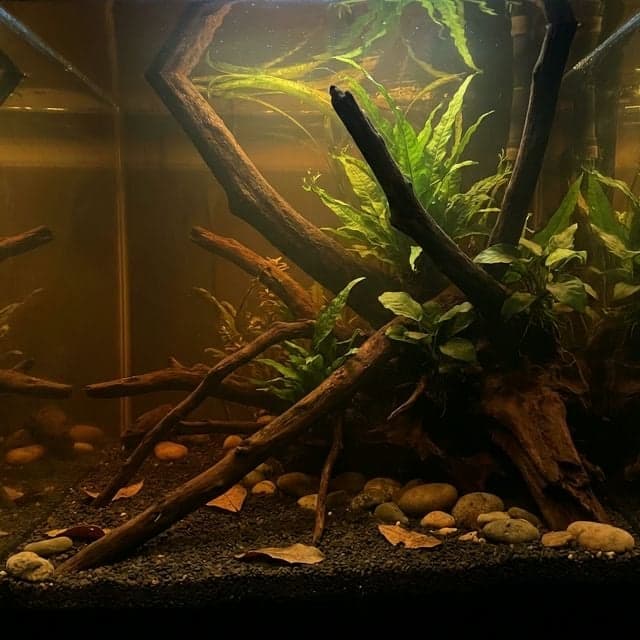
When incorporating Malaysian Driftwood into an aquascape, it is essential to consider its placement strategically. Due to its substantial weight and natural aesthetic, it should be positioned in a way that draws the eye without overwhelming the rest of the design. Placing larger pieces as a central focus while utilizing smaller twigs or branches around the layout can create a sense of depth and dimension. When stacking, it’s advisable to create three-dimensional shapes rather than flat designs, allowing for caves and open spaces for fish to explore.
Pairing Malaysian Driftwood with other hardscape materials, such as rocks and gravel, can enhance the natural look of the aquarium. Utilizing dark stones, like slate or basalt, can create a striking contrast against the lighter-toned driftwood. Additionally, it works beautifully with aquatic plants, particularly epiphytes like Anubias or Java Fern, which can be attached directly to the wood. The intricate structure of Malaysian Driftwood provides perfect anchoring points for these plants, allowing the aquascape to develop layers and textures over time.
Cleaning & Preparation
Proper cleaning and preparation of Malaysian Driftwood are essential before introducing it to your aquarium. Here are the step-by-step instructions:
-
Rinse Thoroughly: Begin by rinsing the driftwood under warm water to remove surface debris and dirt. Use a soft-bristle brush to scrub away stubborn remnants without damaging the wood.
-
Boil (if applicable): If the piece is particularly large or has visible contaminants, boiling it for 1-2 hours can help sanitize the wood. Ensure that the pot is large enough to fully submerge the driftwood. Watch for any fractures or splits during this process.
-
Scrubbing: After boiling, perform another round of scrubbing to remove any remaining impurities. Pay close attention to crevices where debris may hide.
-
Acid Washing (optional): For especially dirty or stained specimens, a diluted solution of bleach or vinegar can be used for acid washing. Ensure to dilute properly (1:10 ratio with water) and soak for no more than 10-15 minutes. Rinse thoroughly afterward to eliminate any chemical residues.
-
Soaking: Soak the driftwood in a separate container filled with fresh water for several days. This allows the wood to seep out any residual tannins and ensures it becomes waterlogged to facilitate sinking.
-
Final Rinse: After soaking, give the driftwood a final rinse to ensure it is clean and ready for placement in your aquarium.
Impact on Water Chemistry
Malaysian Driftwood is known to leach tannins into the water, which can have significant implications for water chemistry. While some aquarists appreciate the natural tan coloration it provides to the water, it can also affect pH levels. The leached tannins can slightly lower the pH, generally keeping it within a range of 6.0 to 7.0, depending on the quantity of driftwood used and the existing water chemistry. In terms of GH (General Hardness) and KH (Carbonate Hardness), Malaysian Driftwood is considered mostly inert but may cause slight fluctuations due to the release of organic compounds.
It is essential for aquarists to monitor water parameters closely when using Malaysian Driftwood, especially in sensitive environments hosting soft-water species. Regular testing of pH, GH, and KH will help ensure the health and stability of the aquarium ecosystem.
Aquascaping Styles
Malaysian Driftwood is incredibly versatile and complements a variety of aquascaping styles. It is particularly well-suited for:
- Iwagumi: The natural forms of Malaysian Driftwood can serve as a striking contrast to the minimalist stone placements typical of this style, adding an organic touch.
- Nature Aquarium: This approach benefits from the driftwood’s ability to mimic natural habitats, promoting a balanced ecosystem with rich biodiversity.
- Biotope: Ideal for replicating specific natural environments, especially Southeast Asian biotopes, Malaysian Driftwood provides a realistic structure for native fish and plant species.
- Scape: If your design is more artistic, the dynamic shapes and textures of the driftwood can anchor the overall theme, allowing for creative layouts.
By experimenting with Malaysian Driftwood, aquascapers can achieve highly aesthetic designs that celebrate the beauty of nature while promoting a healthy and thriving aquatic environment.