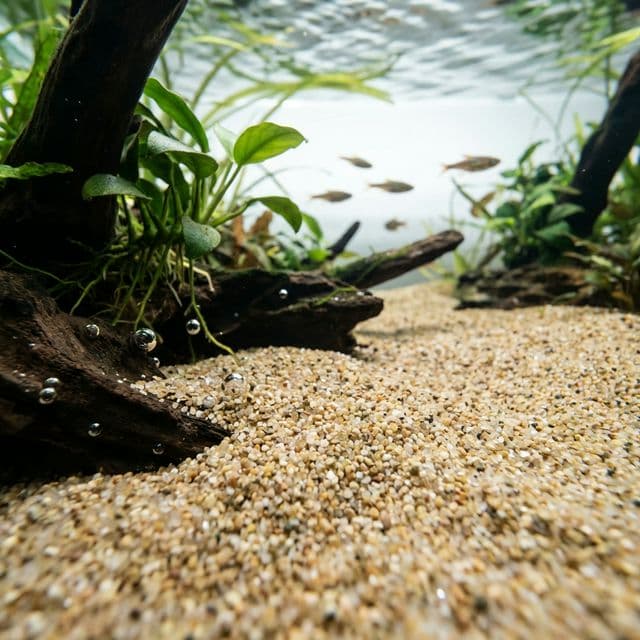
Gravel: The Reliable Classic
Before high-tech soils, there was gravel. Learn why this inert, reliable substrate is still a great choice for beginner and fish-focused tanks.
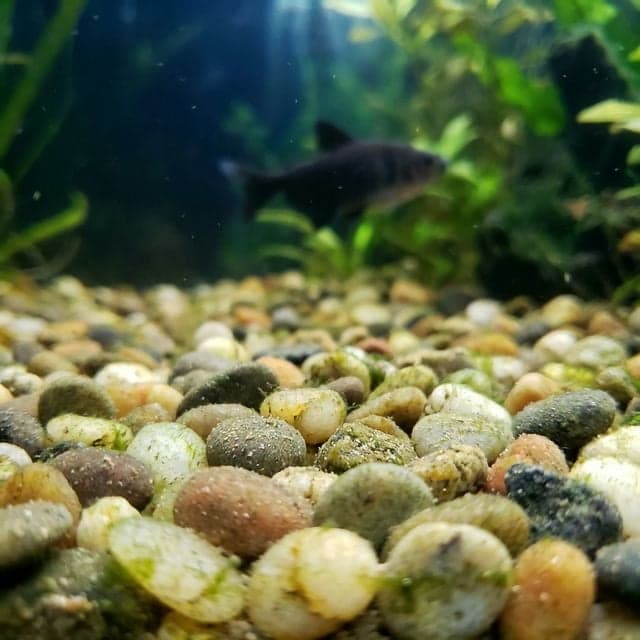
Gravel
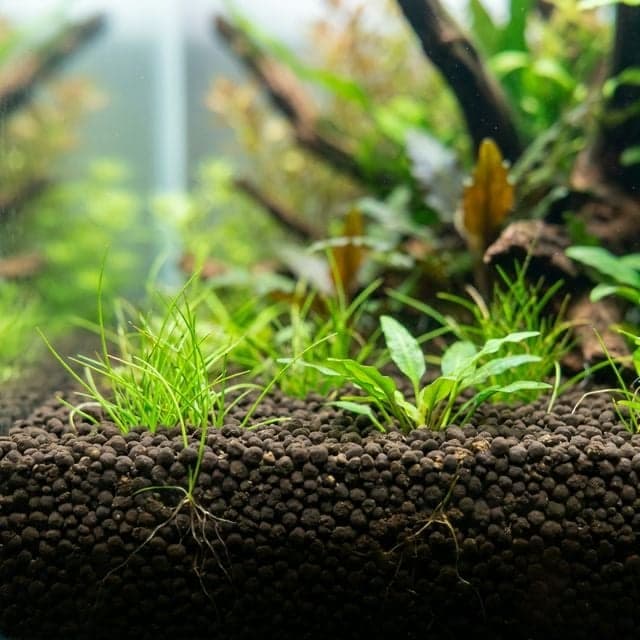
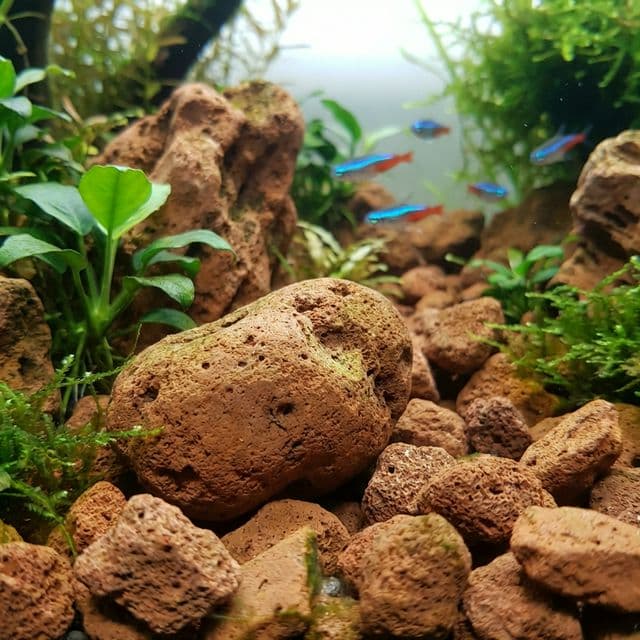
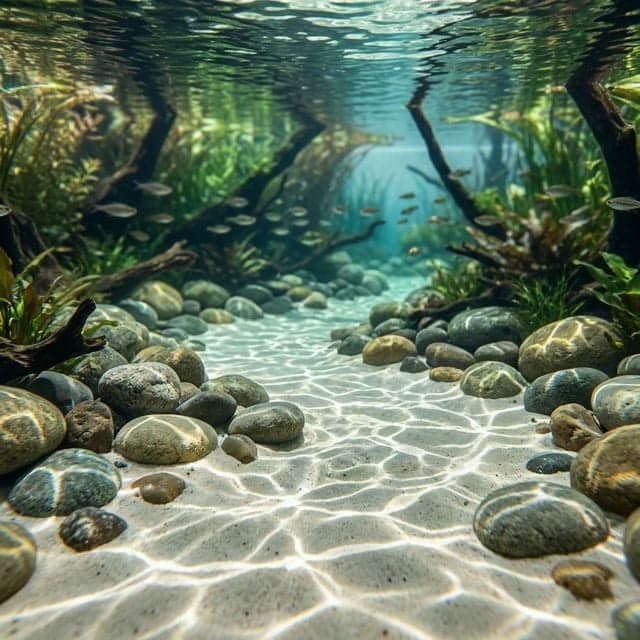
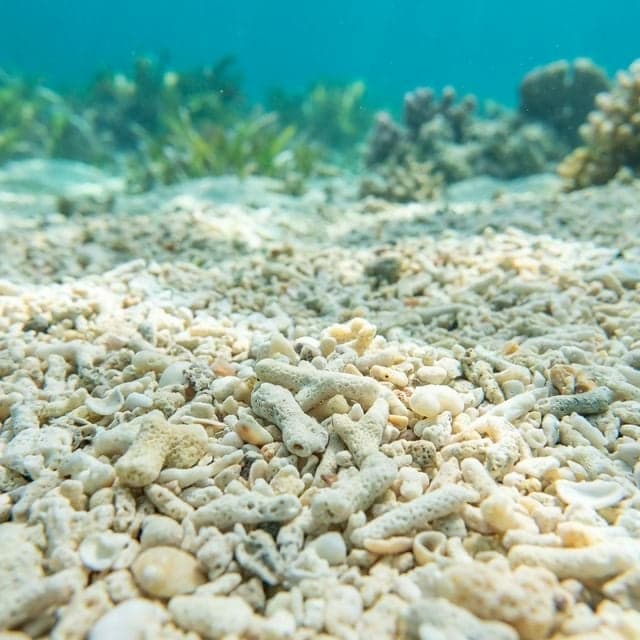
Gravel is a classic hardscape material widely celebrated in the aquarium hobby, known for its versatility and visual appeal. Composed of small, loose particles, it is typically made from natural stones, quartz, or other inorganic materials. Gravel is available in a variety of colors and sizes, allowing aquarists to create unique aquatic landscapes that complement their tank's theme. Its natural look simulates the riverbeds and lakes that most aquatic life is accustomed to, enhancing the overall aesthetic of both freshwater and marine aquariums. Its popularity can be attributed to its affordability, easy availability, and the myriad of styles it can help create within a tank.
The aesthetic qualities of gravel lend themselves to a range of designs, making it a favorite among both novice and experienced aquascapers. By selecting gravel of varying colors and textures, hobbyists can create layered effects and contrasts that highlight plants and decorations. Moreover, its natural distribution of particles allows for excellent water circulation and anchoring for plant roots, ensuring healthy growth. As a reliable classic, gravel remains a staple in the aquascaping community, proving that simplicity can often lead to stunning results.
Usage Guide
When integrating gravel into your aquascape, consider its placement carefully to maximize both aesthetic appeal and functionality. Start by layering gravel at the bottom of the aquarium, ideally creating a slope to mimic natural landscapes. Stacking gravel to create higher elevations can provide depth and dimension to your layout. Using larger gravel in the foreground and gradually transitioning to smaller-sized gravel towards the back can give a sense of perspective, making the aquarium appear larger.
Additionally, gravel can be effectively paired with other hardscape materials like driftwood and rocks. Place larger decorations first, then fill in the gaps with gravel to achieve a seamless look. For aquatic plants, consider incorporating plant substrates beneath the gravel in designated areas to facilitate rooting. Ensure that plants are strategically placed near the back or sides of the aquarium, where they can rise above the gravel for an engaging composition.
Cleaning & Preparation
Proper cleaning and preparation of gravel are essential steps before its introduction to your aquarium. Follow these steps for optimal results:
-
Rinse Thoroughly: Place the gravel in a large container or bucket, filling it with water. Use a garden hose or clean water source to rinse the gravel under running water, agitating it with your hands to remove dust and debris.
-
Scrubbing (if necessary): If you notice stubborn particles or obvious debris, use a soft brush to scrub the gravel gentle. This is particularly useful for larger pieces or decorative gravels.
-
Boiling (optional): For extra sterilization, consider boiling the gravel in water for 10-15 minutes. This can help eliminate any potential pathogens or unwanted microorganisms.
-
Acid Washing (if applicable): If the gravel is from a source that may contain calcium or mineral deposits, an acid wash may be necessary. Use diluted aquarium-safe acid according to manufacturer instructions, rinsing thoroughly afterward.
-
Soaking: After cleaning, soak the gravel in fresh water for a few hours before adding it to your aquarium. This allows any remaining particles to settle, ensuring clear water at the start.
Impact on Water Chemistry
Gravel is typically an inert substrate, meaning it does not significantly leach materials into the water that could alter the water chemistry. For most types of gravel, including quartz and silica, there is no release of tannins, calcium, or magnesium. Therefore, the impact on key water parameters such as pH, General Hardness (GH), and Carbonate Hardness (KH) is minimal.
However, some gravels—particularly those that are carbonate-based or contain limestone—can contribute to an increase in pH, and elevate GH and KH levels. This can create challenges for sensitive aquatic creatures that thrive in softer or more acidic conditions. It is essential for hobbyists to test their water regularly, especially when using a new quarry of gravel, to ensure it aligns with the needs of their aquatic ecosystem.
Aquascaping Styles
Gravel is suitable for a variety of aquascaping styles, making it a versatile choice for hobbyists. Its neutral, natural appearance pairs well with the elegant simplicity of the Iwagumi style, where minimalist rock placements are complemented by lush plant growth and subtle gravel hues. In Nature Aquarium designs, gravel can serve as the foundational layer to enhance plant placements and provide a realistic representation of aquatic habitats.
Additionally, gravel is fitting for Biotope aquascapes that replicate specific ecosystems, offering a genuine substrate for local flora and fauna. Its adaptability allows it to create stunning Scape designs as well, whether they focus on the lushness of densely planted tanks or the stark outlines of minimalist aquaria. Ultimately, gravel's reliability as a classic substrate makes it an ideal choice for various styles, providing both beauty and functionality in any aquarium setting.