Hakkai Stone: The Rare Gem
Discover the premium Hakkai Stone (Pa-Hai). A rare, river-worn stone from Japan valued for its unique pockmarked texture and inert chemistry.
Hakkai Stone
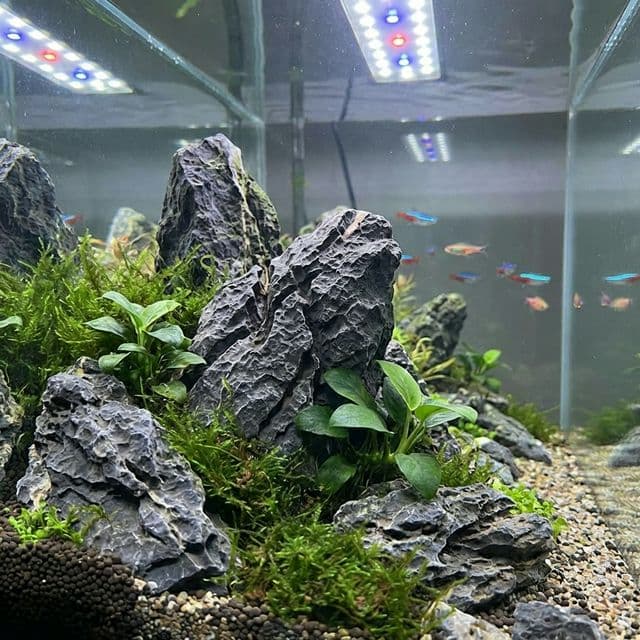
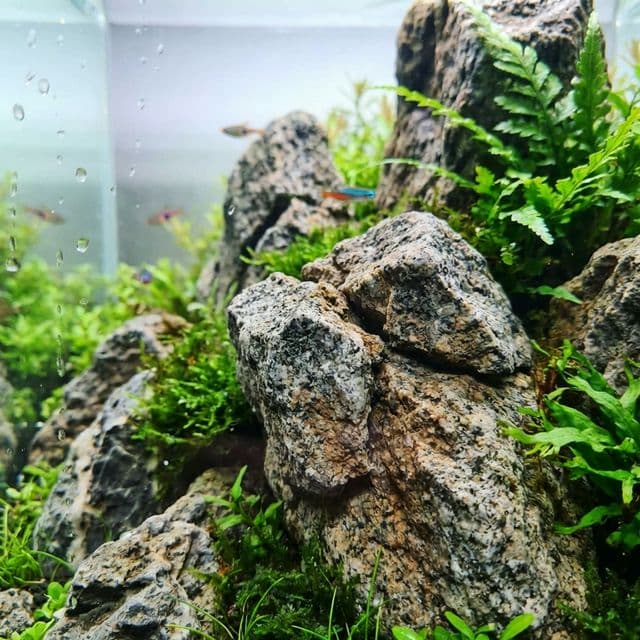
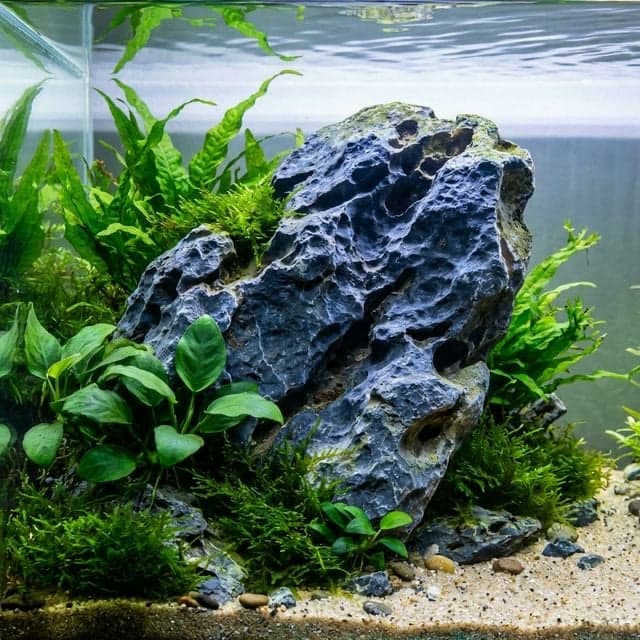
Hakkai Stone, often referred to as "the rare gem" of the aquascaping world, is a unique hardscape material that has gained significant popularity among aquarists and aquascapers alike. Originating from the volcanic regions of Japan, this stone exhibits a distinctive combination of textures and colors, ranging from deep grays to rich browns, with intricate patterns resembling ancient landscapes. Its geological formation contains intricate mineral compositions, which gives it a tough yet aesthetically pleasing exterior, making it an eye-catching centerpiece in any aquarium setup. The natural irregularities and angular shapes of Hakkai Stone contribute to its versatility, allowing it to seamlessly blend into various aquascaping styles.
The popularity of Hakkai Stone can also be attributed to its ability to create a sense of depth and connectivity within an aquarium layout. Its striking appearance not only adds to the visual interest but also provides a naturalistic habitat for aquatic life. Additionally, aquarists often favor Hakkai Stone for its ease of use and the opportunities it provides for creative expression within the aquatic environment. Whether used in minimalist designs or more elaborate compositions, this stone inspires the imagination, making it a sought-after material among hobbyists looking to create stunning, immersive underwater landscapes.
Usage Guide
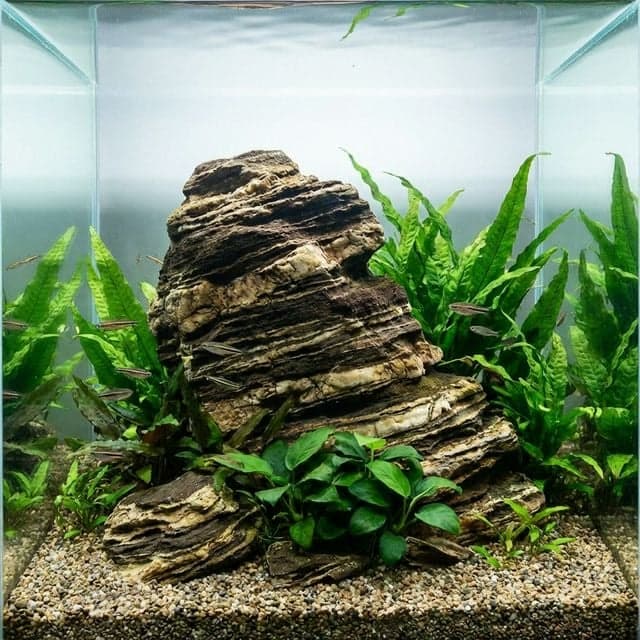
When utilizing Hakkai Stone in an aquascape, placement and arrangement are crucial for achieving a balanced and harmonious layout. It is recommended to start by selecting a focal point, which can be a particularly interesting piece of Hakkai Stone. Position this stone towards the back or one side of the aquarium to create depth, leading the eye through the scape. Stacking smaller pieces in a staggered formation can promote a natural appearance and enhance the overall aesthetic.
When stacking, consider the weight distribution to ensure stability. Avoid excessive overlap which can lead to instability; instead, create terraces or levels by placing larger rocks at the bottom and gradually layering smaller pieces on top. Pairing Hakkai Stone with other materials, such as driftwood or different types of stones, can enhance the visual complexity of your aquascape. Incorporating plants like mosses or small foreground plants can also help soften the hard lines of the Hakkai Stone and blend the hardscape with the aquatic environment, adding a touch of life and movement.
Cleaning & Preparation
To ensure Hakkai Stone is ready for use in your aquarium, a thorough cleaning and preparation process is essential. Follow these steps:
-
Initial Rinse: Start by rinsing the stones under warm water to remove any loose debris, dust, or dirt.
-
Boiling: Prepare a large pot of water and bring it to a rolling boil. Carefully immerse the Hakkai Stones in the boiling water for about 10-15 minutes, which will help eliminate any remaining contaminants and kill off potential harmful bacteria.
-
Scrubbing: After boiling, remove the stones and let them cool. Use a scrub brush or toothbrush to carefully scrub the surfaces, ensuring all residue and grime are removed.
-
Acid Washing (if necessary): If your stones have stubborn mineral deposits or if you want to ensure maximum cleanliness, a gentle acid wash may be performed using a solution of diluted vinegar (1 part vinegar to 3 parts water). Soak the stones for no more than 15-20 minutes, then rinse thoroughly to neutralize the acid.
-
Soaking: Finally, soak the stones in dechlorinated water for 24 hours. This process will help leach out any residual contaminants and prepare the stones for their new underwater environment.
Impact on Water Chemistry
One of the defining qualities of Hakkai Stone is its inert nature; it typically does not leach harmful substances into the water, making it a safe option for most aquarium setups. Unlike some other rock types that may release tannins or minerals into the water, Hakkai Stone largely maintains water parameters. However, it is important to monitor water chemistry when first introducing Hakkai Stone into an aquarium.
Due to its compositional stability, Hakkai Stone does not significantly impact pH, general hardness (GH), or carbonate hardness (KH). As a result, it is ideal for aquarists who aim to maintain a balanced aquatic environment with stable water parameters. That said, it is always prudent to conduct regular water tests to ensure compatibility with sensitive species or specific aquascaping goals.
Aquascaping Styles
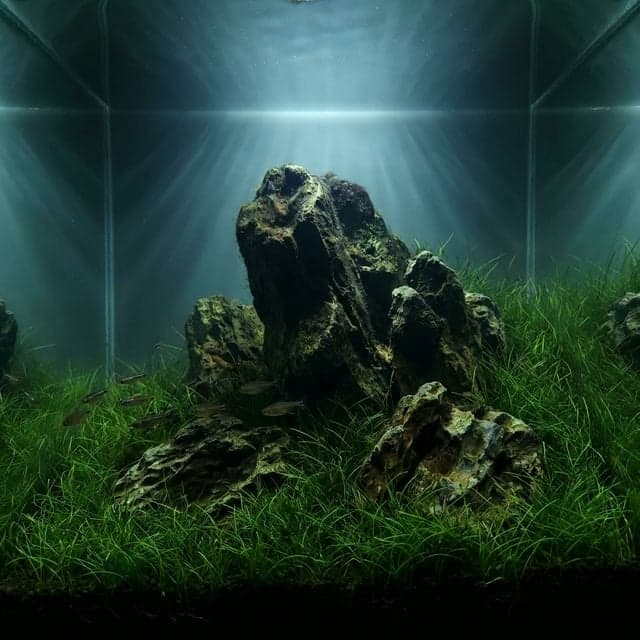
Hakkai Stone is highly versatile and complements various aquascaping styles effectively. It is particularly well-suited for Iwagumi designs, where stone arrangements play a central role in creating balance and harmony. Its natural texturing and gradation work beautifully in Nature Aquariums, providing a robust background design that highlights plant life.
Additionally, Hakkai Stone can be employed in biotope setups, representing rocky environments in freshwater ecosystems, thus promoting an authentic habitat for certain fish and flora species. The rugged beauty of Hakkai Stone also lends itself well to Scape styles, where a more traditional aesthetic emphasizes the beauty of natural landscapes. Incorporating Hakkai Stone can elevate any aquascape, making it a treasured element within the hobby.