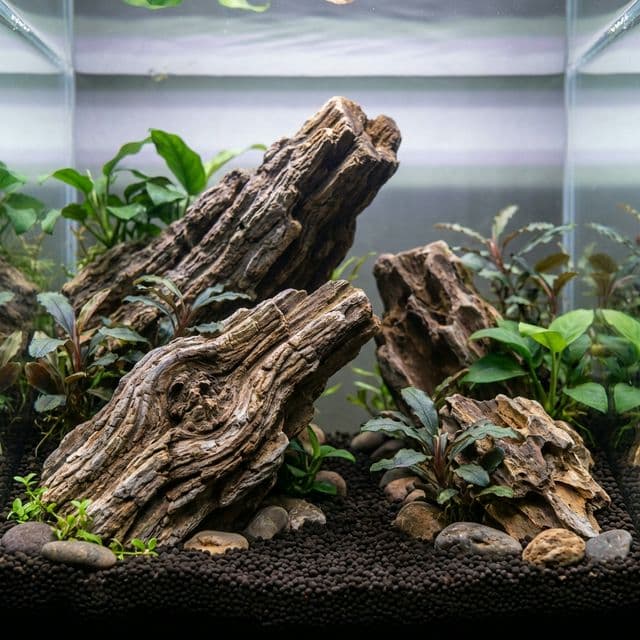
Pagoda Stone: The Layered Canyon
A sedimentary rock with distinct alternating layers of brown and orange clay. Resembles miniature canyons or pagodas.
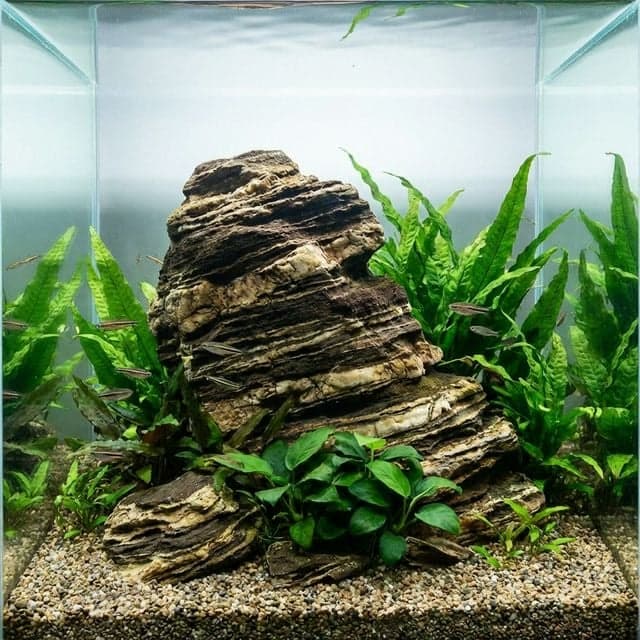
Pagoda Stone
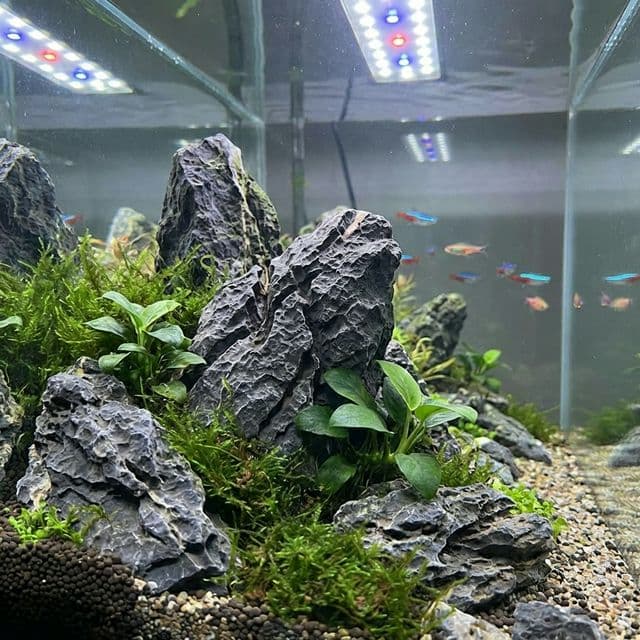
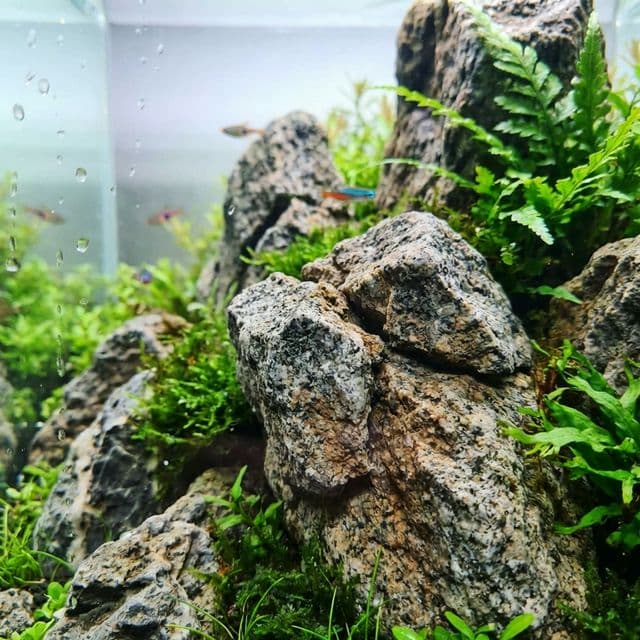
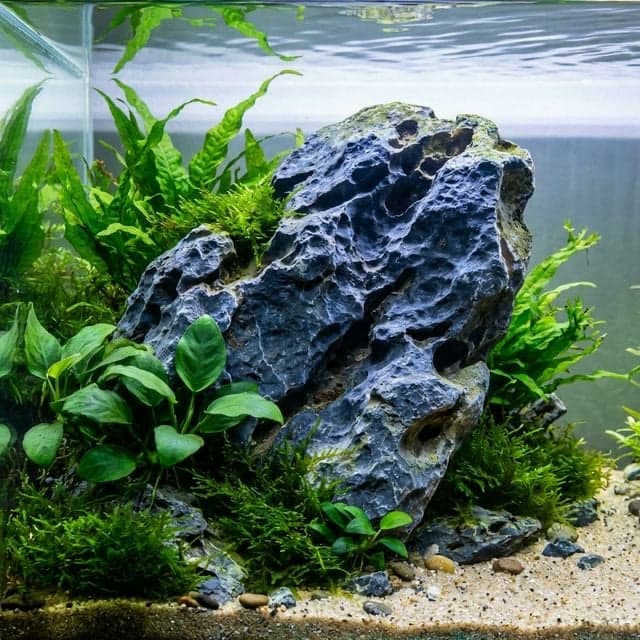
Pagoda Stone, often referred to as "The Layered Canyon," is a unique and visually captivating aquascaping material derived from sedimentary rock formations. Known for its distinctively layered appearance, Pagoda Stone showcases shades of gray, brown, and rust, reminiscent of natural canyons. It is characterized by its flat surfaces and sharp edges, which create stunning contrasts in underwater landscapes. The eye-catching formations and textures contribute to its popularity among aquascapers, as this stone effectively mimics natural environments, making it ideal for creating enchanting focal points in aquascapes. With its fascinating geological history, this type of stone adds an element of storytelling to a tank, enriching the overall aesthetic.
In the aquarium hobby, Pagoda Stone is increasingly favored for its versatility and naturalistic charm. Its unique fracture patterns offer endless possibilities for creative layouts, allowing aquascapers to create depth and dimension within their tanks. Additionally, the stone's compatibility with various freshwater habitats has led to its widespread use in both beginner and advanced aquascaping designs. Whether employed as a primary hardscape element or combined with other materials—such as driftwood or smaller stones—Pagoda Stone proves to be a favorite choice among enthusiasts aiming to craft visually compelling aquatic landscapes.
Usage Guide
When using Pagoda Stone in an aquascape layout, placement and stacking are crucial to achieving a balanced and aesthetically pleasing composition. Begin by arranging larger pieces of Pagoda Stone as the foundational elements of your design. This allows for stability and a rugged base that can withstand additional layering. When stacking stones, it is essential to consider the natural flow and direction of the stones. Align their flat surfaces upward to create various terraces or ledges that can house plants or highlight specific areas within the tank.
Pair Pagoda Stone with complementary materials such as driftwood or compatible smaller stones to create a harmonious look. The contrast of textures between different materials can add complexity and visual interest to the layout. Additionally, understory planting with mosses or low-growing plants can enhance the appeal of Pagoda Stone, as these plants accentuate its beauty while blending seamlessly into the aquascape. Aim for varied heights to maintain a sense of natural dynamism and encourage the eye to explore the entire layout.
Cleaning & Preparation
Before adding Pagoda Stone to an aquarium, proper cleaning and preparation are essential to ensure a safe environment for aquatic life. Follow these steps for optimal preparation:
-
Initial Rinse: Rinse the stones thoroughly under running water to remove any loose debris, dust, or dirt accumulated from handling and transportation.
-
Scrubbing: Using a soft-bristle brush, gently scrub the surfaces of the stone to eliminate stubborn dirt and grime. Focus on crevices or fissures where debris may be trapped.
-
Boiling (optional): If you wish to sterilize the stone further, boil it for 30 minutes. This step is especially useful in eliminating any potential pathogens or pests residing in the stone's porous surface.
-
Acid Washing (if applicable): While Pagoda Stone is generally inert, if there are concerns about mineral content, an acid wash can be performed. Use a diluted solution of vinegar and water (1:3 ratio) to lightly coat the stones, followed by a thorough rinse. Ensure you wear gloves and take precautions as needed.
-
Soaking: Finally, soak the cleaned stone in a bucket of fresh water for at least 24 hours. This helps any residual impurities to leach out and gives time to assess any potential affects on water parameters.
Impact on Water Chemistry
Pagoda Stone is primarily considered an inert material, which means that it does not leach harmful substances or significantly impact water chemistry. It generally does not release tannins or actively alter calcium, magnesium, or other hard minerals. As a result, using Pagoda Stone in an aquarium is unlikely to affect pH, general hardness (GH), or carbonate hardness (KH) significantly. However, it is prudent for aquascapers to monitor their water parameters regularly, especially after introducing new hardscape to ensure stability, especially in sensitive biotopes or with delicate aquatic species.
Aquascaping Styles
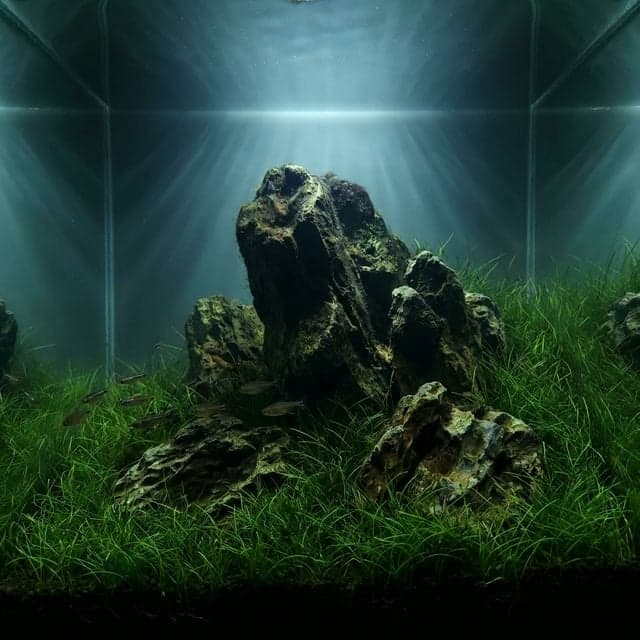
Pagoda Stone is a versatile hardscape material that lends itself well to several aquascaping styles. It is particularly compatible with the Iwagumi style, where the structure’s natural lines and forms can create a harmonious balance and focal point. The layered nature of Pagoda Stone also aligns beautifully with Nature Aquarium aesthetics, emphasizing the organic and asymmetrical beauty of natural landscapes. Additionally, it serves as an excellent choice for Biotope aquariums, where the stone can replicate specific geological formations found in natural habitats.
For those looking to create dramatic focal points or intricate aquascapes, Pagoda Stone can also enhance Scapes that rely on rugged rock formations as a main feature. Regardless of the chosen style, integrate Pagoda Stone thoughtfully to take advantage of its striking visual qualities while maintaining the overall ecological integrity of the aquarium environment.