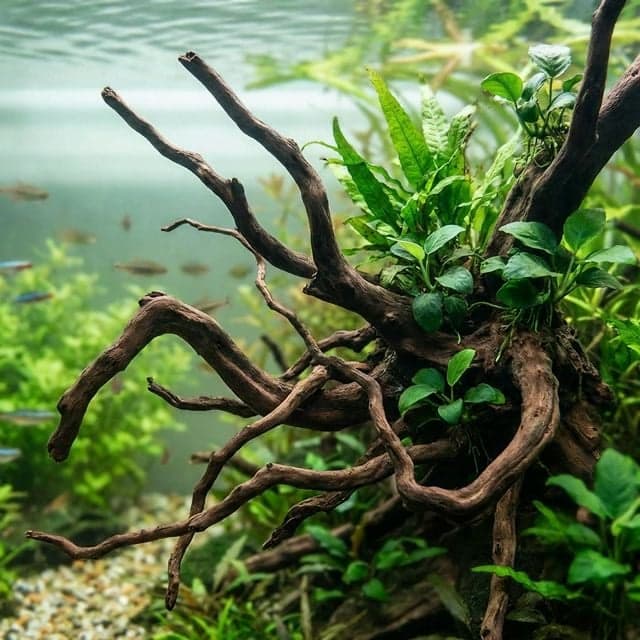
Manzanita Wood: The Elegant Hardwood
Discover Manzanita Wood, a premium hardwood from the USA known for its durability, elegant branching, and rot resistance.
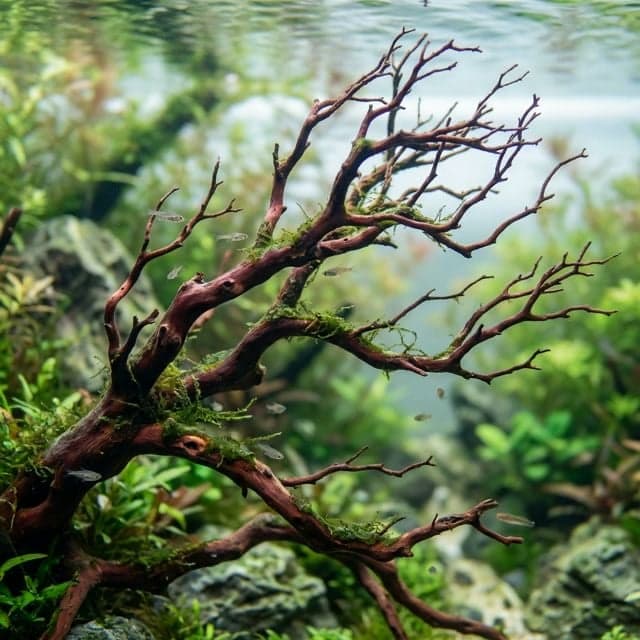
Manzanita Wood
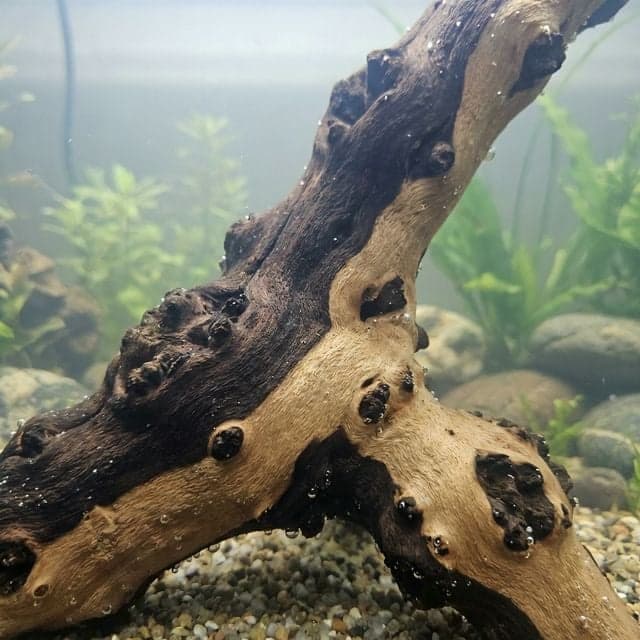
Manzanita wood, scientifically known as Arctostaphylos spp., is an enchanting hardwood that originates primarily from North America. Its distinct gnarled and twisted forms create a unique aesthetic that instantly elevates any aquascape project, making it a favorite among hobbyists and professionals alike. The wood boasts a rich, reddish-brown hue that develops depth and character over time, especially when submerged in water. Its smooth texture and intricate branching patterns not only mimic natural landscapes, but also serve as excellent anchor points for plants, making it a versatile choice for both beginner and advanced aquascapers.
The popularity of manzanita wood in the aquarium hobby can be attributed to its visual appeal and functional properties. Many aquarists appreciate how it stands out in contrast to lush green aquatic plants, creating a harmonious balance in an aquarium environment. Manzanita wood is also commended for its durability and resistance to decay, qualities that allow it to maintain its structural integrity for years without adversely affecting the ecosystem of the aquarium. Its ability to hold diverse aquatic flora also enhances biodiversity, drawing in fish and invertebrates looking for shelter.
Usage Guide
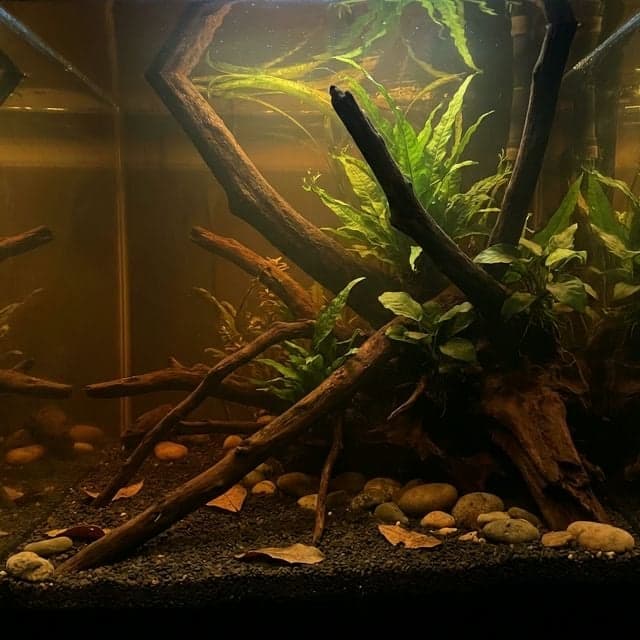
When incorporating manzanita wood into your aquascape layout, strategic placement is vital to creating a natural-looking design. Consider using larger pieces as the focal point, creating a sense of scale and depth. Place them at angles to avoid a rigid appearance, and stack them in a way that mimics the organic formations found in nature. You can use smaller branches to fill in gaps and add layers to the hardscape. Additionally, manzanita wood pairs beautifully with other materials such as rocks, sand, and mosses. Combining with rocks like dragon stone or slate can add contrast and create depth within the layout.
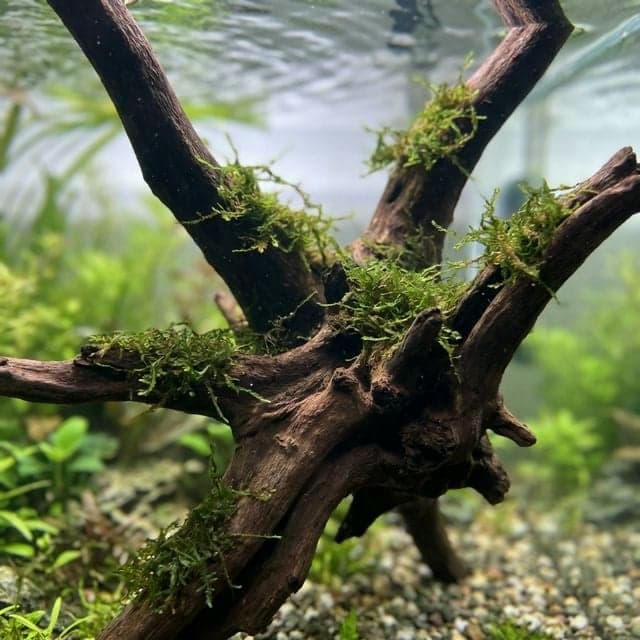
To maximize the impact of manzanita wood in your aquarium, think about the overall composition and flow of the landscape. Aim to create a 'pathway' through the design by placing smaller pieces parallel to the main structures. Utilize plant placement around the wood, ensuring that taller plants are positioned in the back and shorter ones in the front for visual interest. The combination of manzanita wood with low-growing mosses, like Java moss, can further enhance the aesthetic while providing habitat for fish and shrimp.
Cleaning & Preparation
Preparing manzanita wood for use in an aquarium is crucial to ensure a healthy environment for its inhabitants. Follow these steps for effective cleaning and preparation:
-
Initial Scrubbing: Begin by rinsing the manzanita wood under running water to remove any dirt, debris, and loose particles. Use a stiff brush to scrub the surface thoroughly, especially in crevices where dirt may accumulate.
-
Boiling (Optional): For additional sterilization and to help remove any lingering tannins, place the wood in a large pot of boiling water. Boil for at least 15-20 minutes. This step also helps the wood to sink better when placed in the aquarium.
-
Acid Washing (if applicable): If there are stubborn stains or residues, consider an acid wash using a diluted bleach solution. Mix 1 part bleach to 20 parts water, submerge the wood, and let it soak for a short duration (10-15 minutes), followed by thorough rinsing to remove any bleach residue.
-
Soaking: After the initial cleaning, soak the manzanita wood in a container of fresh water for at least 1–2 days. This extended soaking will help leach out any remaining tannins, preventing the water from turning an undesirable brown color in your aquarium. Change the water periodically during this process.
-
Final Rinse: After soaking, give the wood one final rinse to ensure all contaminants, tannins, and bleach are washed away before introducing it to your aquarium.
Impact on Water Chemistry
Understanding the impact of manzanita wood on water chemistry is essential for maintaining a balanced aquatic environment. Unlike some driftwood types, manzanita wood is primarily inert, meaning it does not leach significant minerals like calcium or magnesium into the water. However, one of the defining characteristics of manzanita wood is its tendency to release tannins when submerged. While commonly viewed as a nuisance due to the yellow-brown coloration of the water, tannins can have beneficial effects, including lowering pH levels and softening water.
The leaching of tannins can lead to a decrease in general hardness (GH) and carbonate hardness (KH), creating a more acidic environment that some fish and plants thrive in. This is particularly beneficial for biotopes replicating soft-water environments characteristic of South American river systems. For aquarists seeking specific water parameters, it is advisable to monitor pH levels regularly and perform water changes to maintain optimal conditions for the inhabitants.
Aquascaping Styles
Manzanita wood is exceptionally versatile and complements various aquascaping styles effectively. One of its standout applications is in Iwagumi layouts, where the natural form of the wood can be used to create a focal point while maintaining a serene, minimalist aesthetic. It also shines in Nature Aquariums, where its winding branches impart a sense of movement and natural beauty, harmonizing beautifully with lush aquatic plants.
Additionally, manzanita wood fits remarkably well in biotope aquariums, as its organic shapes can mimic riverbanks and submerged landscapes found in specific habitats. It can also be used creatively in scape designs, where diverse textures and heights can be achieved by stacking and layering. Whether you're looking to establish a newcomer-friendly tank or an intricate aquascape, incorporating manzanita wood can provide endless possibilities for captivating layouts.