Dragon Stone (Ohko Stone)
Detailed specification and application guide for Ohko Stone in freshwater aquariums.

Dragon Stone (Ohko Stone)
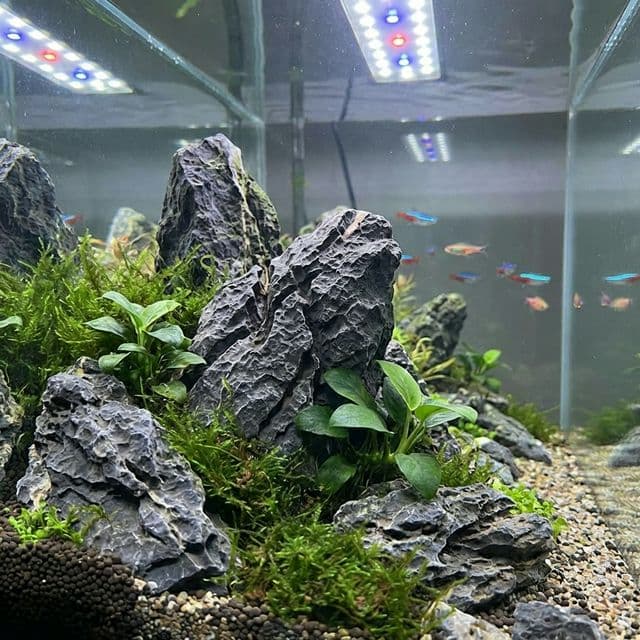
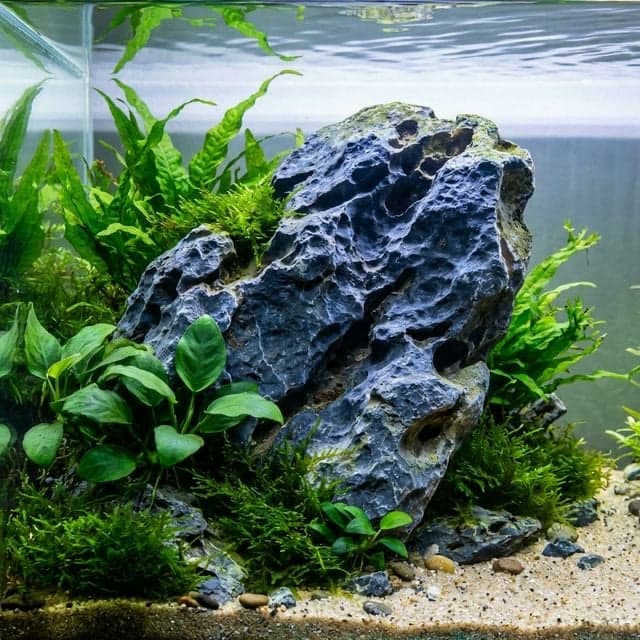
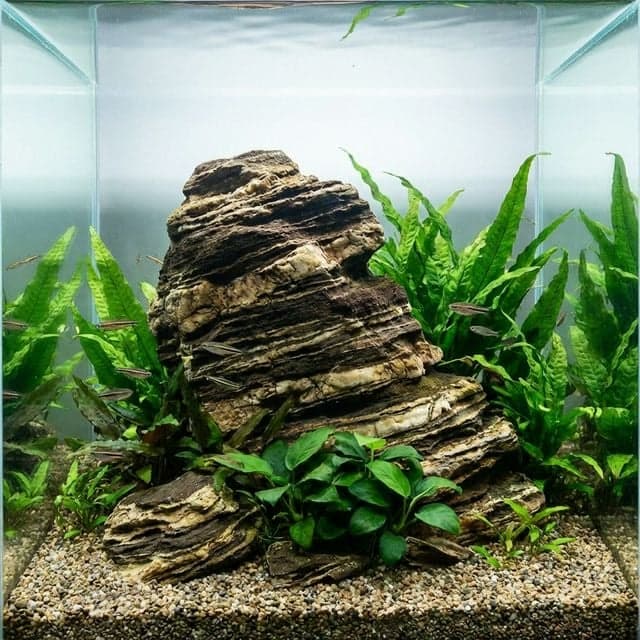
Dragon Stone, also known as Ohko Stone, is a popular choice among aquascapers due to its striking appearance and unique texture. It is a type of sedimentary rock that boasts an irregular shape and deeply grooved surfaces, giving it an organic and natural look when submerged in aquariums. The dark brown to gray tones often mimic the aesthetics found in mountainous river landscapes, making it an ideal choice for creating dynamic and visually appealing hardscapes. Its rugged form provides a fantastic contrast to lush green plants and vibrant aquatic fauna, adding depth and dimension to any aquascape.
In the aquarium hobby, Dragon Stone has gained immense popularity for its versatility and ability to integrate seamlessly into various aquatic environments. It is favored by both beginners and experienced aquascapers alike for its ease of use and aesthetic appeal. The stone's porous nature not only enhances its visual characteristics but also offers practical benefits, serving as a habitat for beneficial bacteria, thus aiding in biological filtration. As global awareness of aquascaping grows, Dragon Stone’s authentic look continues to inspire designs ranging from minimalistic to elaborate layouts.
Usage Guide
When using Dragon Stone in an aquascape, placement is vital for achieving a harmonious layout. Begin by selecting a focal point where the most significant piece of Dragon Stone will be displayed. The arrangement should inspire a sense of balance, often achieved by considering the rule of thirds, where the primary stone is placed off-center. Stack the stones in an aesthetically pleasing way, ensuring some are leaning or precariously balanced to create a natural look, imitating the process of erosion found in nature.
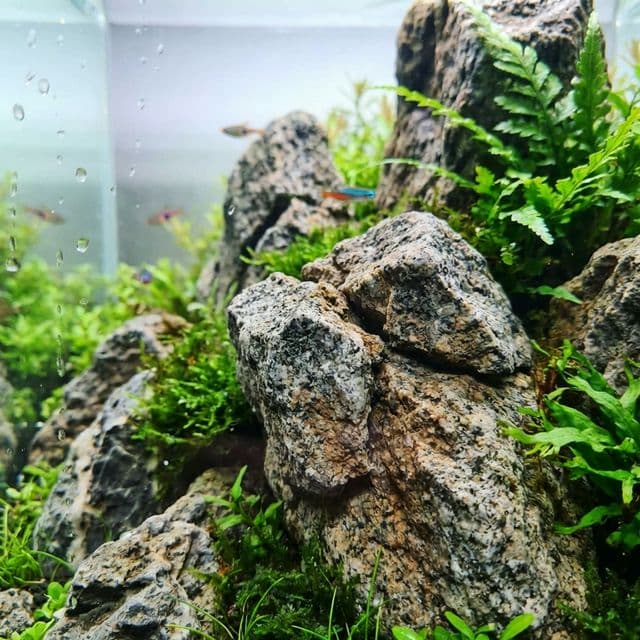
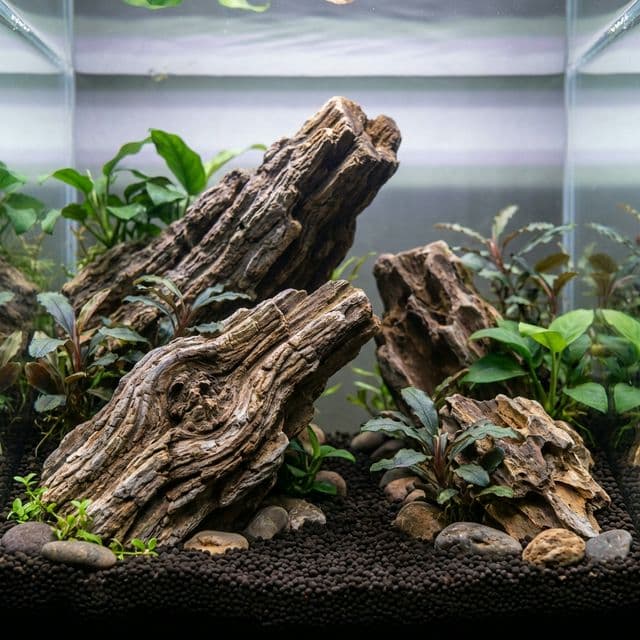
Pair Dragon Stone with complementary materials such as gravel, sand, or driftwood to enhance its visual appeal. Combining different textures will contribute depth to your scape. Live plants such as Anubias, mosses, or small crypts can also be effectively integrated around and between the stones for a vibrant and thriving environment. Ensure to leave enough space for plants to root, providing both the aesthetic look and the ecological needs of the aquarium.
Cleaning & Preparation
Properly preparing Dragon Stone before adding it to your aquarium is crucial for ensuring a healthy aquatic environment. Follow these steps:
- Rinse Thoroughly: Start by rinsing the Dragon Stone in warm water to remove any loose debris or dust.
- Scrubbing: Use a soft-bristle brush to scrub the surface gently, which will help remove stubborn dirt or residues. Avoid using soap or chemicals, as these can harm aquatic life.
- Boiling (Optional): For further sterilization, you may boil the stones in water for 10-15 minutes. This step helps eliminate any potential harmful organisms or pathogens.
- Acid Wash (If Necessary): In some cases, particularly if you suspect mineral deposits, you can perform an acid wash using a diluted vinegar solution. Soak the stones for a few minutes, ensuring you wear gloves and work in a ventilated area. Rinse thoroughly afterward.
- Soaking: Lastly, soak the Dragon Stone in water for 24 hours prior to placing it in your aquarium. This process allows trapped air to escape, making it more dense and helping it sink properly.
By following these preparation steps, you can ensure your Dragon Stone is ready for an optimal aquarium experience.
Impact on Water Chemistry
One of the standout features of Dragon Stone is its inert nature; it does not leach tannins or significantly affect water parameters. Unlike some other types of hardscape materials, Dragon Stone does not leach calcium or magnesium, which means it won’t alter pH levels in your aquarium. Generally, it has a neutral impact on general hardness (GH) and carbonate hardness (KH). Therefore, it is an excellent choice for aquarists who want to maintain stable water conditions, especially for sensitive species of fish and plants that thrive at specific pH levels.
Despite being inert, always monitor your water parameters following any introduction of new materials, as any sudden changes can stress aquatic life. Consistency in maintaining a stable environment is crucial within aquascaping, particularly for delicate ecosystems.
Aquascaping Styles
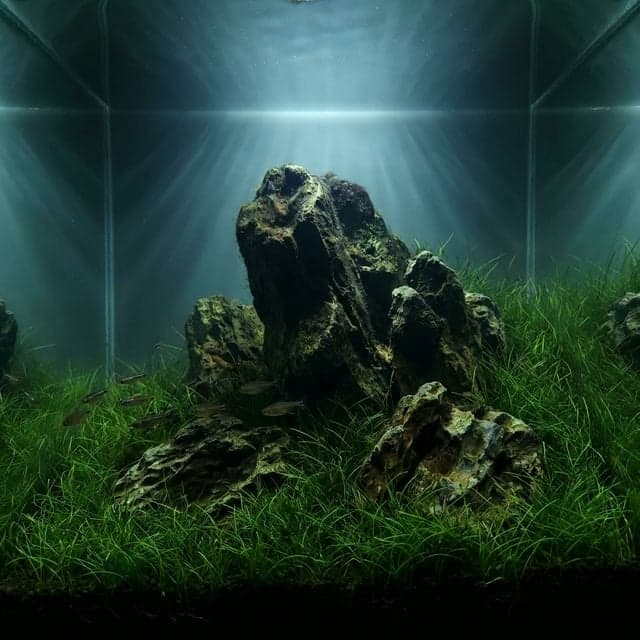
Dragon Stone is incredibly versatile and adapts well to various aquascaping styles. It is particularly well-suited for Iwagumi setups, where the strategic placement of stones plays a pivotal role in aesthetic design. The stone's irregular shapes and earthy tones can create stunning focal points in a minimalist layout, promoting simplicity and elegance.
Additionally, it can be effectively used in Nature Aquariums, Biotopes, or even fantasy-style scapes. When paired with lush plants and soft substrates, Dragon Stone adds a striking ruggedness that helps convey the idea of realistic underwater landscapes inspired by nature. Whichever style you choose, integrating Dragon Stone will enhance the overall depth and character of your aquarium.