Lava Rock: The Biological Powerhouse
Lava Rock is more than just a budget filler. Discover its biological filtration benefits, usage as a base layer, and how it contrasts in high-tech aquascapes.

Lava Rock
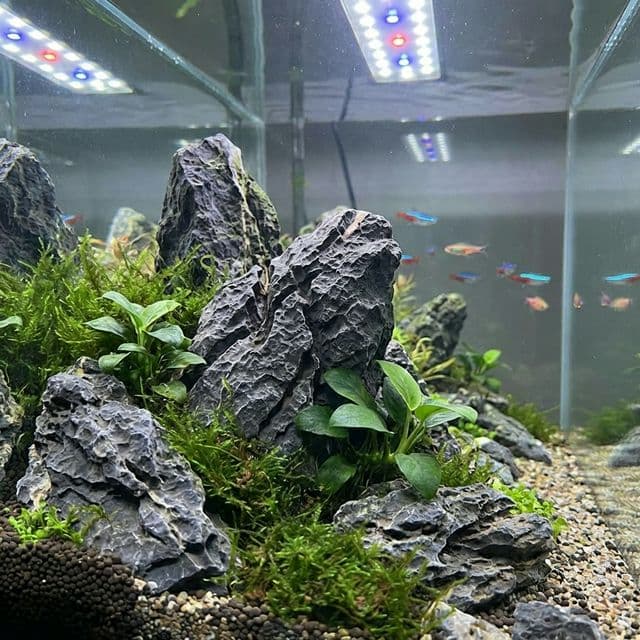
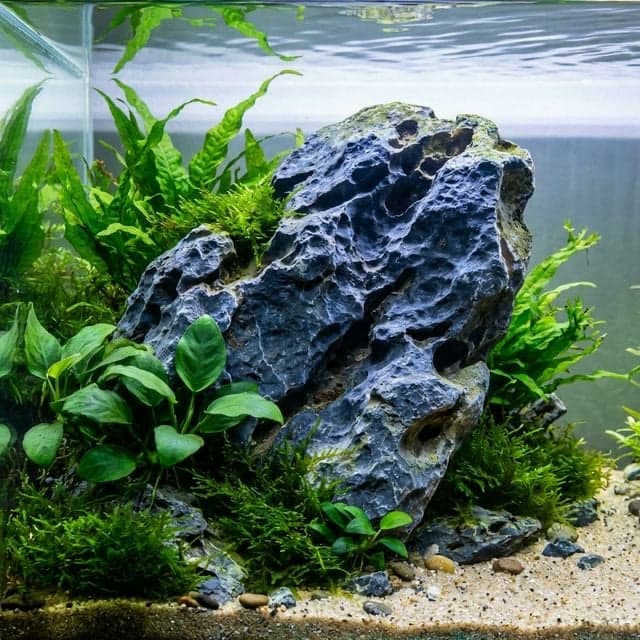
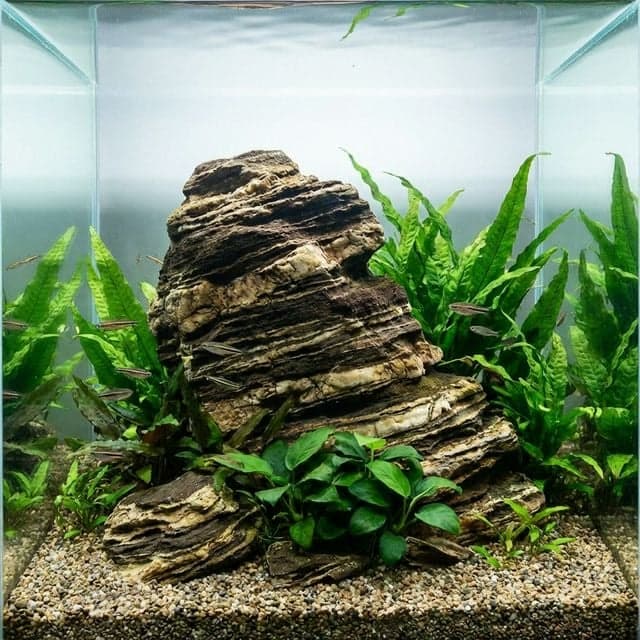
Lava rock, formed from the rapid cooling of molten lava, is a popular hardscape material in the aquascaping community due to its unique aesthetic qualities and biological benefits. This porous, lightweight material comes in various colors, predominantly dark gray to black, and features a rugged texture with an array of holes and crevices. Its volcanic origins offer a visually distinct appearance, enhancing the sense of realism in natural aquatic environments. Hobbyists often utilize lava rock for creating dramatic landscapes that resemble rocky shorelines or mountainous terrains, adding depth and variation to their aquascapes.
The popularity of lava rock in the aquarium hobby can be attributed to its multifunctional role. Not only does it serve as a striking centerpiece or backdrop in your tank design, but it also provides a substantial surface area for beneficial bacteria to colonize. This biological powerhouse aids in the establishment of a stable nitrogen cycle, ultimately contributing to improved water quality for your fish and plants. As aquarists become increasingly mindful of the ecological balance in their tanks, lava rock has solidified its place as an essential element in both freshwater and marine aquariums.
Usage Guide
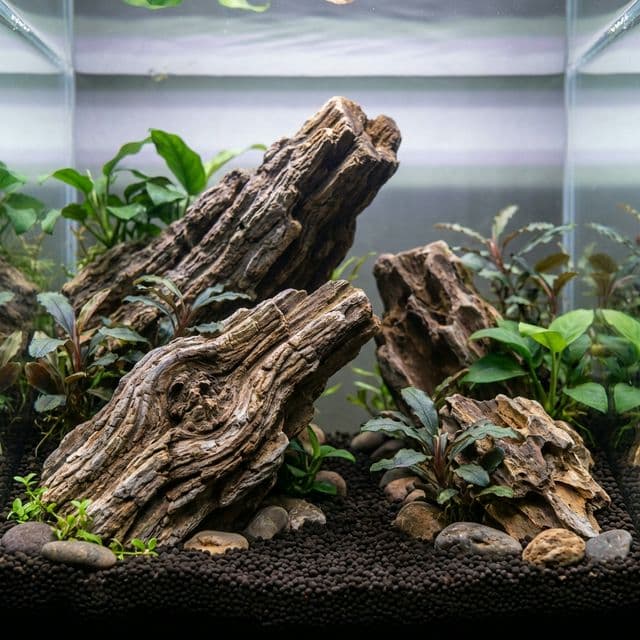
When incorporating lava rock into your aquascape, start by considering its placement and overall layout. Due to its rugged appearance, lava rock is best used as the foundation of your hardscape, serving as a natural-looking base for other materials like driftwood or smaller stones. You can create height and visual interest by stacking lava rocks carefully; however, be mindful of stability to prevent rocks from toppling over and disrupting your tank's ecosystem.
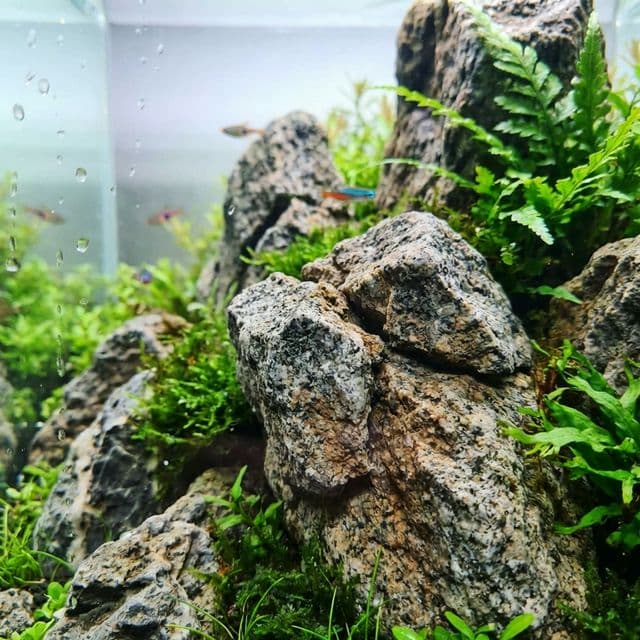
To optimize the aesthetic, think about creating a focal point or a cave-like structure using larger pieces of lava rock. Smaller rocks can be used to fill in gaps or to create a natural transition between different materials. Pair lava rock with softer elements, such as richly colored aquatic plants or smooth river stones, to enhance its rugged appearance. The contrast between the harsh texture of the lava rock and the gentle curvature of plants can produce a striking visual balance, elevating your aquascape to a new level.
Cleaning & Preparation
Preparing lava rock for use in your aquarium is crucial to ensure that it is free from debris and contaminants. Follow these steps to clean and prepare your lava rock effectively:
-
Rinse: Begin by rinsing the lava rocks thoroughly under running water to remove loose dust and dirt. Use a soft-bristled brush to scrub at any larger pieces of sediment stuck in the crevices.
-
Boiling: For a thorough sterilization, you can boil the lava rocks. Bring a large pot of water to a rolling boil, then carefully add the rocks. Boil them for about 10-15 minutes to kill any potential pathogens or unwanted organisms.
-
Acid Wash (if applicable): If you suspect that your lava rock might contain contaminants that boiling won't remove or if it's particularly dirty, consider performing an acid wash. Using a diluted solution of muriatic acid (hydrochloric acid), soak the rocks for a few minutes, ensuring proper safety measures are in place. After soaking, rinse thoroughly with water.
-
Soaking: Finally, soak the rocks in fresh water for 12-24 hours to ensure any residual contaminants or acidity are neutralized before placing them in your aquarium.
Impact on Water Chemistry
Lava rock is generally considered an inert material, meaning it does not leach significant amounts of contaminants into the aquarium water. However, it can slightly influence water chemistry under certain circumstances. Depending on the specific type of lava rock used, there may be minimal leaching of compounds such as calcium and magnesium, which can have an impact on your aquarium's hardness (GH and KH) but is typically negligible compared to other materials like limestone.
In most cases, lava rock will not significantly alter the pH of the water. However, because some varieties might release minor minerals, it's advisable to monitor the water parameters regularly, especially in sensitive setups such as those housing shrimp or other delicate species. A well-prepared lava rock will generally support stable water conditions, making it a popular choice among both beginners and seasoned aquarists.
Aquascaping Styles
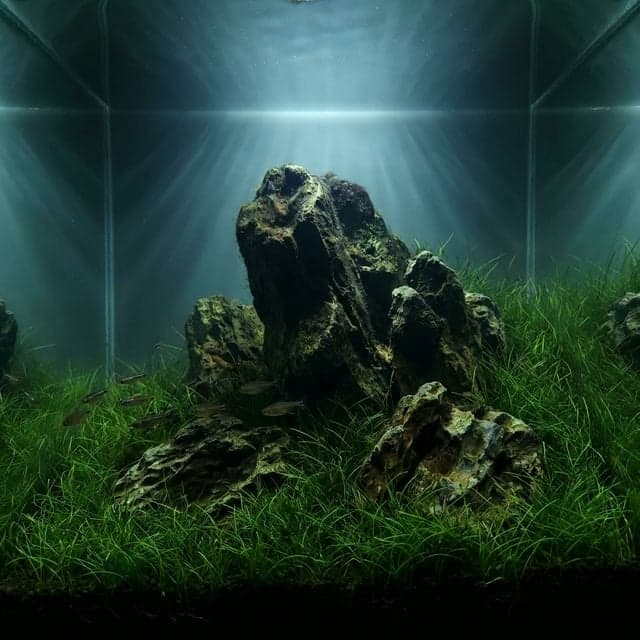
Lava rock is versatile and can be integrated into various aquascaping styles. It is particularly well-suited for styles like Iwagumi, where the emphasis on rock placement creates a harmonious and balanced layout. For Nature Aquariums, lava rock can mimic the natural environment by forming rugged terrains and providing hiding spots for fish and invertebrates.
Additionally, lava rock can effectively replicate the rocky substrates found in Biotope setups, offering authentic environments that support local fauna and flora. Its textured surface allows for the colonization of algae and beneficial bacteria, enhancing the natural aesthetic. Finally, in modern scaping, lava rock can be integrated into minimalist designs, where its bold, dark colors serve as a striking contrast against vibrant aquatic plants. Whether used as a primary hardscape element or a supportive structure, lava rock has proven its worth across various aquascaping styles.