Limestone rocks
Limestone rocks is a natural hardscape material used in biotope and aquascaping setups.

Limestone rocks
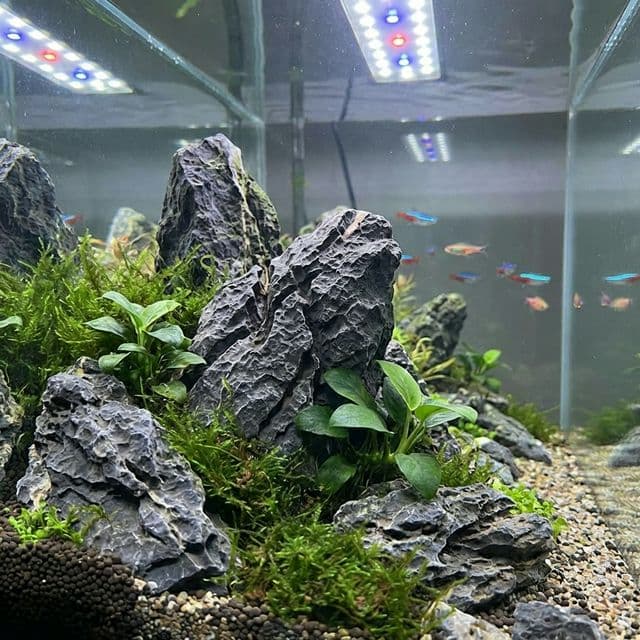
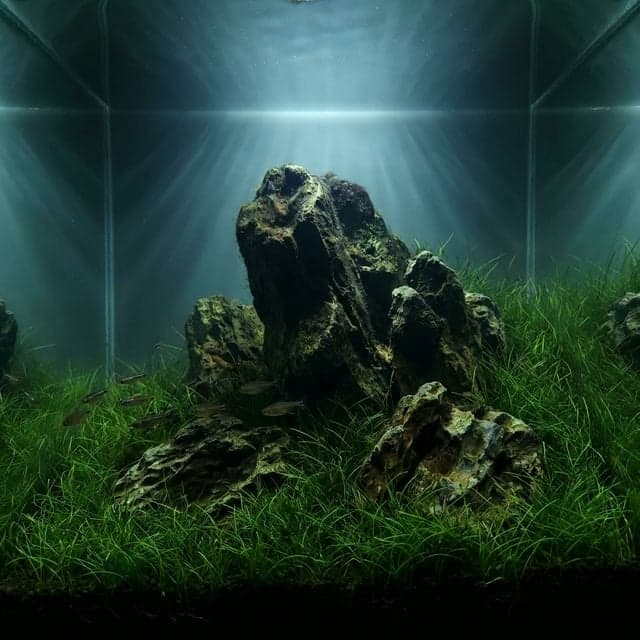
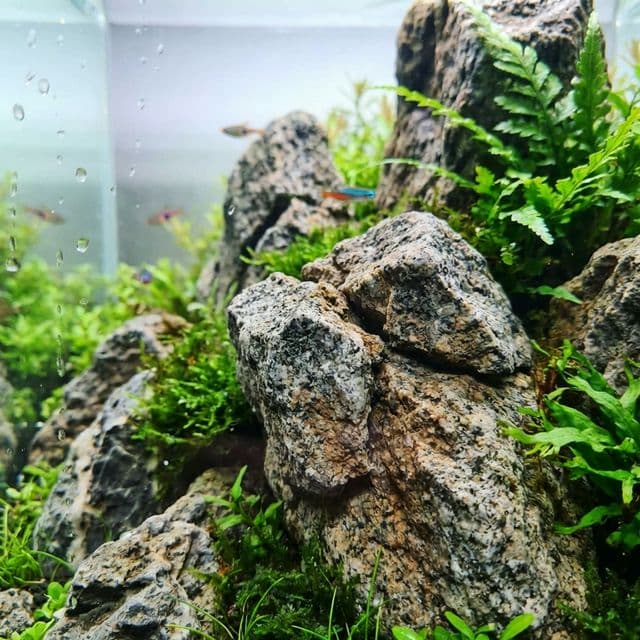
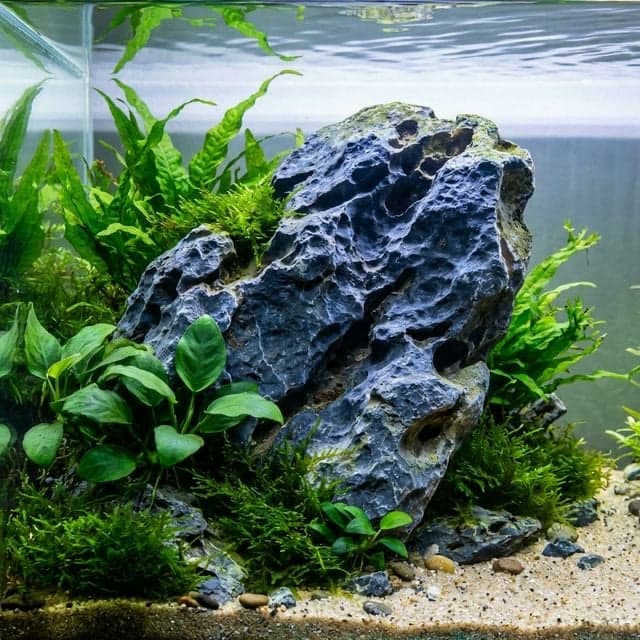
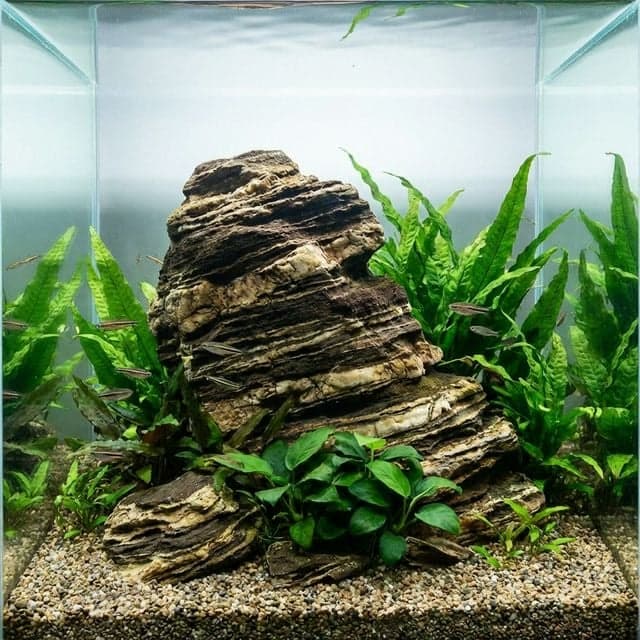
Limestone rocks are sedimentary formations primarily composed of calcium carbonate, known for their charming, rustic appearance and varied textures. These rocks can range in color from pale beige to darker grays, often featuring unique patterns and fossil imprints that contribute to their visual intrigue. In the aquascaping hobby, limestone is celebrated not only for its aesthetic qualities but also for its versatility, allowing hobbyists to create stunning natural landscapes within their aquaria. Its rugged surfaces can serve as the focal point in high-contrast aquascapes, while its natural colors can enhance the beauty of aquatic plants and fish.
The popularity of limestone rocks among aquascapers stems from their natural look and the fact that they are widely available in many regions. This accessibility, combined with their ability to adapt to various aquascaping styles, has made them a top choice for both beginners and seasoned hobbyists. Additionally, limestone's resilience against the effects of water flow and impact from larger tank inhabitants makes it a practical option for aquariums of different sizes and setups.
Usage Guide
When incorporating limestone rocks into your aquascaping layout, it's important to consider composition and placement carefully. Start by determining the focal point of your tank and build the hardscape around it. A general guideline is to use the "Rule of Thirds," placing larger pieces of limestone off-center to create a natural look. Stack smaller rocks around larger ones to form a cohesive and balanced arrangement, ensuring that they are secure, as stability is essential, especially if you plan to include live plants or fish that might disturb the layout.
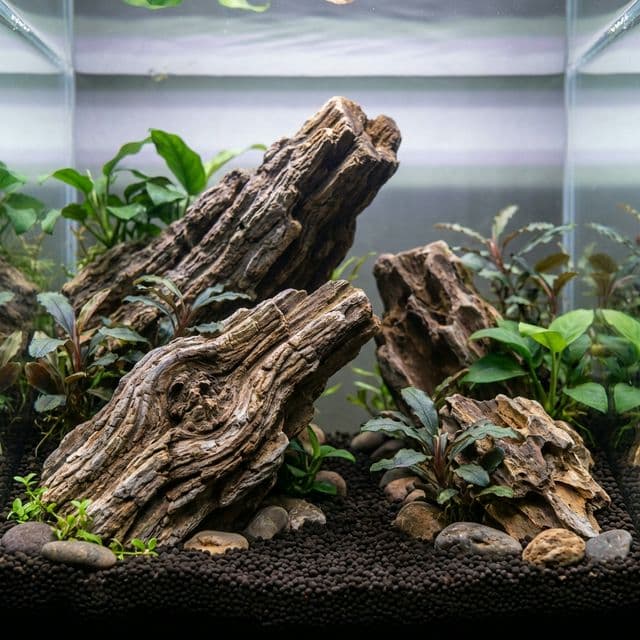
In order to create depth and avoid a flat appearance, vary the height and angles of the limestone pieces. Using a combination of different sizes and shapes can add interest without overcrowding the space. Pair limestone with softer materials such as driftwood or softer rock types like slate or granite to create contrast and enhance the visual appeal. Additionally, consider integrating aquatic plants with varying heights or colors to soften the hardscape. Plants such as Anubias or Java Fern can thrive in limestone-rich environments, providing a lush backdrop that complements the rugged texture of the stones.
Cleaning & Preparation
Cleaning and preparing limestone rocks before introducing them into your aquarium is crucial for maintaining water clarity and health. Follow these steps to ensure the rocks are clean and safe:
-
Rinse off debris: Start by rinsing the limestone thoroughly with tap water to remove loose dirt and debris. This initial rinse should help remove any surface contaminants.
-
Scrub with a brush: Using a stiff brush, scrub the surfaces of the rocks to eliminate stubborn dirt or algae. Avoid using chemical cleaners as they can be harmful to aquatic life.
-
Boiling (optional): Some hobbyists choose to boil limestone for 10-15 minutes to further disinfect and eliminate bacteria. While this may not be necessary, it can be beneficial for particularly dirty rocks.
-
Acid washing (if applicable): Be cautious with this step; if you suspect your limestone contains unwanted impurities, you can create a solution with distilled white vinegar and soak the rocks for a few minutes. Rinse thoroughly afterward to remove any residual acid.
-
Soaking: After cleaning, soak the limestone in fresh water for 24-48 hours. This process helps further remove any loose debris and allows the rocks to acclimatize to water conditions similar to those in your aquarium.
Impact on Water Chemistry
One of the most significant aspects of utilizing limestone rocks in aquascaping is their impact on water chemistry. Limestone contains calcium carbonate, which means it is not inert. Instead, it subtly leaches calcium and magnesium into the water, affecting essential parameters such as pH, general hardness (GH), and carbonate hardness (KH). Typically, limestone will increase the pH of aquarium water, often causing it to remain alkaline, which can be suitable for species such as cichlids that thrive in harder water.
As limestone leaches calcium, aquarium enthusiasts should monitor their water parameters closely, especially if keeping sensitive species. In general, you can expect an increase in GH and KH, which helps stabilize pH fluctuations. However, if you're aiming for a more acidic environment, it’s advisable to consider using alternative hardscape materials or incorporate elements that can counteract the alkalinity of limestone.
Aquascaping Styles
Limestone rocks lend themselves beautifully to a variety of aquascaping styles, notably Iwagumi, Nature Aquarium, and biotope scapes. In Iwagumi layouts, the contrasting textures and colors of limestone can effectively highlight simplicity and balance, fulfilling the style's requirement for minimalism and harmony. Nature Aquariums benefit from the rugged features of limestone, allowing for intricate, natural layouts that reflect real-world ecosystems.
For biotope setups, utilizing limestone can replicate specific environments, such as riverbeds in Southeast Asia or African lakes, where these rocks are prevalent in the local aquascape. The interplay of limestone with aquatic plants and fauna within these carefully curated habitats can create stunning biotopes that reflect the beauty of nature. Each of these styles can be elevated by the unique characteristics of limestone rocks, making them a favorite among aquascapers for achieving naturalistic and engaging designs.