Mopani Wood: The Heavyweight
Mopani Wood is a dense, two-toned African hardwood. Learn about its heavy tannin release and use in blackwater or low-tech setups.
Mopani Wood
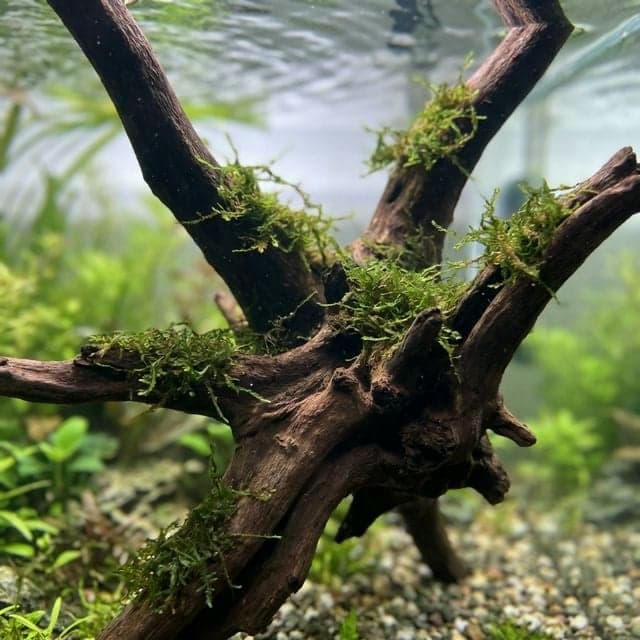
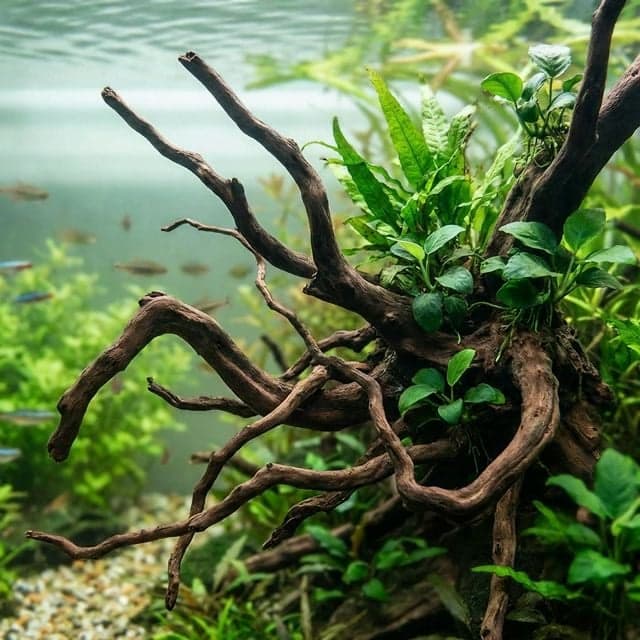
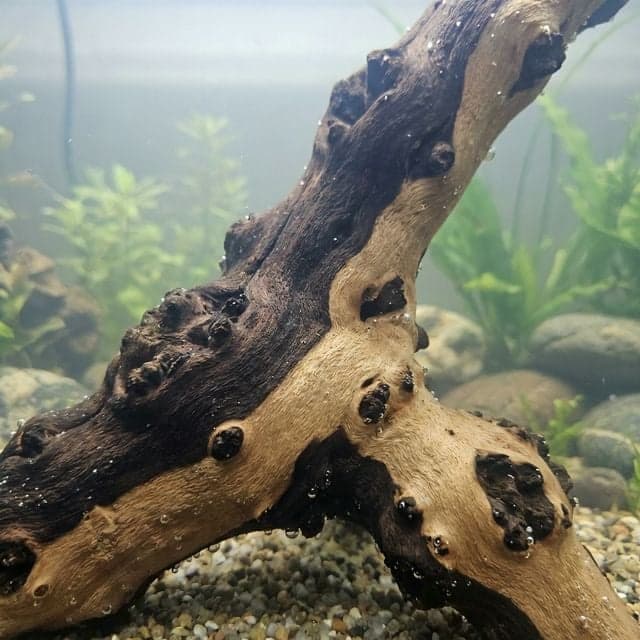
Mopani wood is a unique aquascaping material derived from the Mopani tree, native to Southern Africa. Known for its dense and heavy structure, this wood stands out due to its rich brown and dark hues, often interspersed with lighter, pale streaks. The visual appeal of Mopani wood lies in its intricate and twisted shapes, which can create striking focal points in any aquarium layout. As it ages, the wood develops a natural patina, enhancing its aesthetic qualities and adding an extra layer of depth to underwater environments. Its organic appearance is favored by aquascapers for its ability to create natural-looking habitats, making it a popular choice for both novice and experienced aquarists.
The popularity of Mopani wood in the aquarium hobby can be attributed to its durability and the versatility it offers when combined with various aquatic plants and substrates. Its weight allows it to remain securely in place once arranged, reducing the likelihood of shifts or topple during maintenance. Furthermore, the wood can provide essential hiding spots for fish and invertebrates, mimicking the natural environments they thrive in. As aquarists increasingly seek to replicate nature in their aquascapes, Mopani wood has become a staple material for creating stunning, biotope-inspired designs.
Usage Guide
When incorporating Mopani wood into your aquascape, placement is crucial for achieving a visually appealing layout. Start by considering the overall composition of the aquarium, ensuring that the wood complements both the foreground and background elements. Position larger pieces strategically to create movement and draw the eye towards different sections of the tank. Stacking multiple smaller pieces of Mopani wood can enhance depth and layer, allowing for unique exploration of space both above and beneath the water surface.
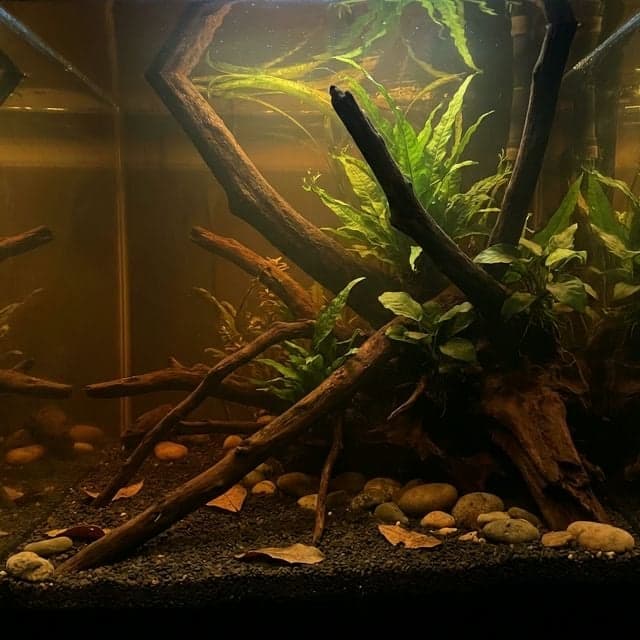
In addition to its striking visual impact, Mopani wood pairs well with a variety of other hardscape materials such as rocks, gravel, and driftwood. When combining different materials, aim for a balanced arrangement that maintains proportion and harmony throughout the tank. For example, using smooth river stones alongside Mopani wood can create a stunning contrast, while integrating fine substrate can help soften the hard edges of the wood and improve the overall aesthetic. Consider the size of the fish and plants you intend to keep, as this will inform your choices regarding spacing and the arrangement of your hardscape.
Cleaning & Preparation
Preparing Mopani wood for use in an aquarium is essential to ensure it is free of impurities and suitable for aquatic life. Here is a step-by-step guide on how to clean and prepare Mopani wood:
-
Scrubbing: Begin by scrubbing the wood with a stiff brush under warm running water. This will help remove surface dirt, debris, and any unwanted algae. Avoid using soap or chemicals, as these can be harmful to aquatic organisms.
-
Boiling: Boil the wood pieces in a large pot of water for 30 to 60 minutes. Boiling helps to disinfect the wood, removing any remaining bacteria or contaminants, while also aiding in the reduction of leaching tannins.
-
Acid Washing (optional): If you suspect the wood may contain unwanted residues, you can opt to perform an acid wash using a mixture of vinegar and water (1:1 ratio). Rinse thoroughly afterward to ensure no vinegar remains.
-
Soaking: After boiling, soak the Mopani wood in clean, dechlorinated water for several days to a week. Changing the water every couple of days will help reduce the amount of tannins released into your aquarium. Monitor the water clarity and the wood’s water-logging; over time it will begin to sink.
By following these steps, you’ll ensure the wood is clean, safe, and ready to enhance your aquascape.
Impact on Water Chemistry
Mopani wood is known for its ability to release tannins when first introduced into an aquarium. While it is not inert and can impact water chemistry, the leaching of tannins allows for the creation of soft, acidic water conditions, often favored by specific fish species and plant life. The presence of tannins can lower pH levels, typically resulting in a pH environment between 6.0 to 6.5, depending on other factors in the aquarium.
For general hardness (GH) and carbonate hardness (KH), Mopani wood can contribute to a slight increase in mineral content due to its origin and hardness. However, its overall impact is not as pronounced as softer wood types. It is important for aquarists to regularly test their water parameters using a reliable kit, especially during the initial period after introducing Mopani wood, to ensure that the conditions remain optimal for their aquatic inhabitants.
Aquascaping Styles
Mopani wood lends itself beautifully to various aquascaping styles, making it a versatile choice for hobbyists. It is particularly suited for Biotope aquascapes, where replicating specific natural habitats can be achieved through its organic look and feel. Its dense structure allows for impressive representations of riverine systems, hosting species that thrive in such conditions.
Additionally, Mopani wood can enhance the aesthetics of Nature Aquariums, where realistic landscapes are crafted using natural materials. Coupled with lush green plants, the wood adds contrast and texture, creating a breathtaking display. For Iwagumi styles, while not a traditional choice, it can offer a different dynamic when used sparingly as a contrasting element against stone formations. Ultimately, the choice of Mopani wood can elevate the visual storytelling in any aquascape, making it a beloved material among aquatic enthusiasts.