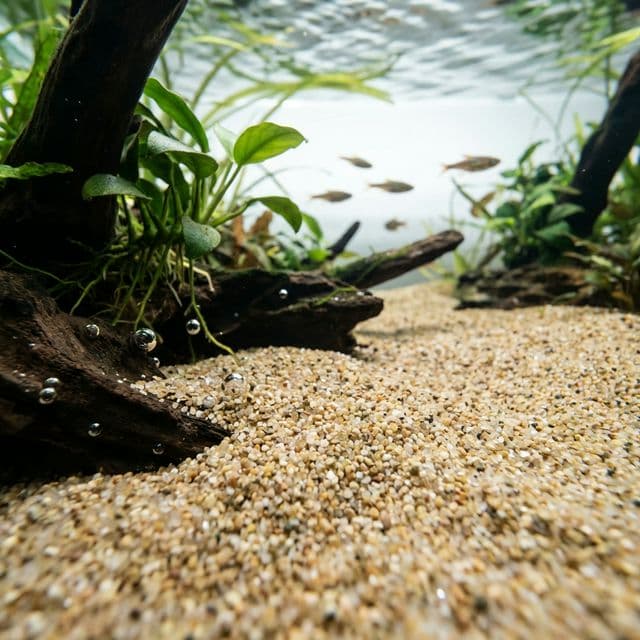
Peat moss substrate
Peat moss substrate is a natural hardscape material used in biotope and aquascaping setups.

Peat moss substrate
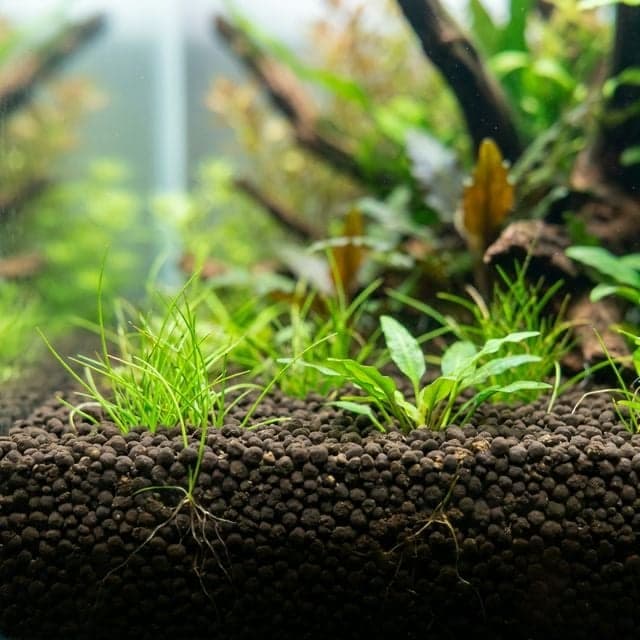
Peat moss substrate is an organic material derived from decomposed sphagnum moss, commonly found in wetland regions. It is gathered from peat bogs, where the anaerobic conditions promote a unique decay process that richens the moss with essential nutrients. Characterized by its dark brown to black color, peat moss provides a natural aesthetic that can enhance the beauty of aquatic landscapes. Its fibrous texture and earthy appearance make it an attractive option for aquascapers looking to create biotope-style tanks or softly themed nature aquariums. In addition to its visual appeal, peat moss is highly valued in the aquarium hobby for its moisture-holding capabilities and its role in promoting a lush, green environment.
The popularity of peat moss within the aquarium community stems from its multifunctional benefits. Not only does it serve as an excellent substrate for plant roots, promoting healthy growth, but it also supports various beneficial microorganisms that contribute to the stability of aquatic ecosystems. Its role in achieving a more acidic environment, which can be favorable for specific fish species and delicate plant life, makes it a favored choice among aquascapers focused on creating tailored habitats. As a versatile substrate, peat moss continues to gain traction among both novice and experienced hobbyists who seek to craft vibrant, life-filled aquascapes.
Usage Guide
When incorporating peat moss substrate into your aquarium layout, placement and layering are essential for achieving desired results. Start by creating a base layer of peat moss, typically about 1 to 2 inches deep, allowing ample room for nutrients while preventing it from compacting too closely. It is suggested to mix peat moss with other substrate materials, such as sandy gravel or clay-based soils, to provide structural support and enhance drainage. When stacking, avoid excessive height which may lead to destabilization. Instead, create gentle slopes or mounds for a natural look, ensuring that the peat does not exceed 3 inches in height in any one spot to maintain stability.
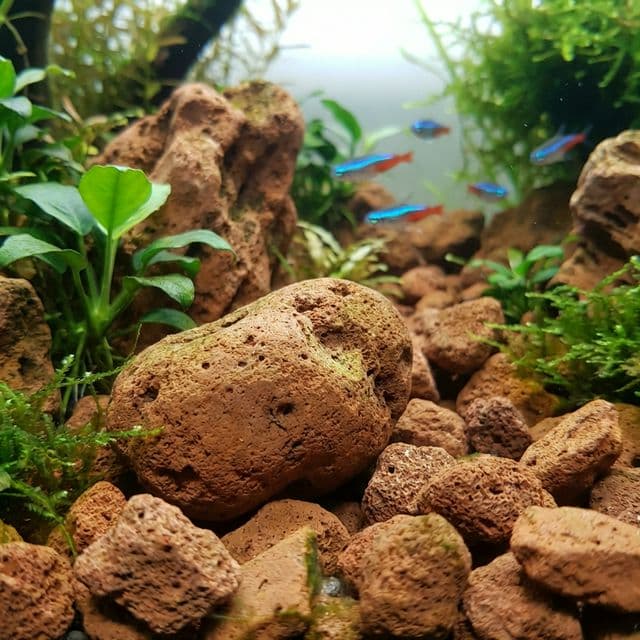
Pairing peat moss with other materials like stones, driftwood, or rocks can elevate the aesthetic quality of the aquascape. Choose hardscape materials with complementary colors and textures, and carefully arrange them to create visual harmonies with the peat structure. Gradually transition the substrate from darker peat moss to lighter materials, thus creating depth and focal points in your aquarium layout. Additionally, ensure to plant aquatic flora at varying heights and distances from hardscape elements, allowing for a dynamic growth environment while enhancing the overall composition.
Cleaning & Preparation
Preparing peat moss substrate before use is imperative to ensure a clean setup. Begin by thoroughly rinsing the peat moss under flowing water to remove any residual contaminants and dust. Use a soft brush or your hands to gently scrub the substrate as you rinse. Once rinsed, boiling the peat moss is a beneficial step for disinfecting and eliminating potential pathogens. Simply place the peat in a pot of boiling water for approximately 10-15 minutes, ensuring the water’s volume is sufficient to submerge the substrate. After boiling, let the peat moss cool and strain it to remove excess water.
If you desire a more chemically neutral effect, consider performing an acid wash, especially if you plan on using the substrate in a tank with sensitive fish or plants. Mix a solution of equal parts distilled water and white vinegar and soak the peat moss for a few hours. Once soaked, thoroughly rinse the substrate again to ensure all vinegar is removed. Following this, give the peat moss a thorough soaking in clean water for 24 hours; this will help it release any remaining tannins. After your cleaning and preparation process is complete, your peat moss substrate will be ready for use in your aquarium setup.
Impact on Water Chemistry
Peat moss substrate is known for its ability to influence water chemistry significantly. Unlike inert substrates, peat moss leaches tannins into the water, which can naturally tint the aquarium’s water a delicate, amber hue. This coloration often creates a more natural, calming environment, mimicking the conditions found in many fish’s natural habitats, especially those from blackwater regions. Importantly, peat moss has a tendency to lower pH levels, often resulting in a range between 5.5 to 6.5, depending on the volume used and the tank's overall conditions, making it an excellent choice for acid-loving species.
Along with impacting pH levels, peat moss can also affect general hardness (GH) and carbonate hardness (KH). It typically reduces KH, which is vital in providing a stable environment for delicate aquascapes, as lower KH can lead to fluctuations in pH levels. While GH can vary, it may increase slightly due to organic compounds released during the degradation process. It is essential to monitor these parameters closely, especially when introducing sensitive fish and plants, to ensure their health and well-being in a peat moss substrate layout.
Aquascaping Styles
Peat moss substrate is particularly well-suited for various aquascaping styles due to its ability to create rich, organic environments. The Nature Aquarium style thrives with the incorporation of peat moss, as it complements the aesthetics of lush vegetation and creates a harmonious balance between the hardscape and softscape. The earthy tone of peat moss, when paired with vibrant plants, can achieve a biodiverse ecosystem reminiscent of underwater landscapes in the wild.
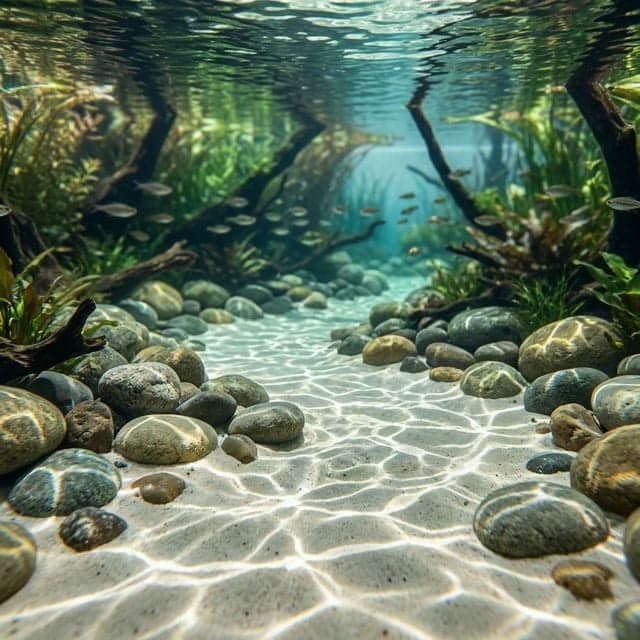
In addition to Nature Aquariums, peat moss is ideal for Biotope-themed aquascapes where replicating specific ecosystems is essential. Aquascapers looking to mimic Southeast Asian waters or blackwater environments can significantly benefit from peat moss due to its capacity to lower pH and add color to the water. Moreover, it works well in Iwagumi layouts, where its dense organic matter can provide an excellent foundation for rock placements. Ultimately, peat moss is a versatile substrate that can cater to multiple styles, allowing aquascapers to explore creative avenues while promoting healthy aquatic setups.