Sand and gravel mix
Sand and gravel mix is a natural hardscape material used in biotope and aquascaping setups.
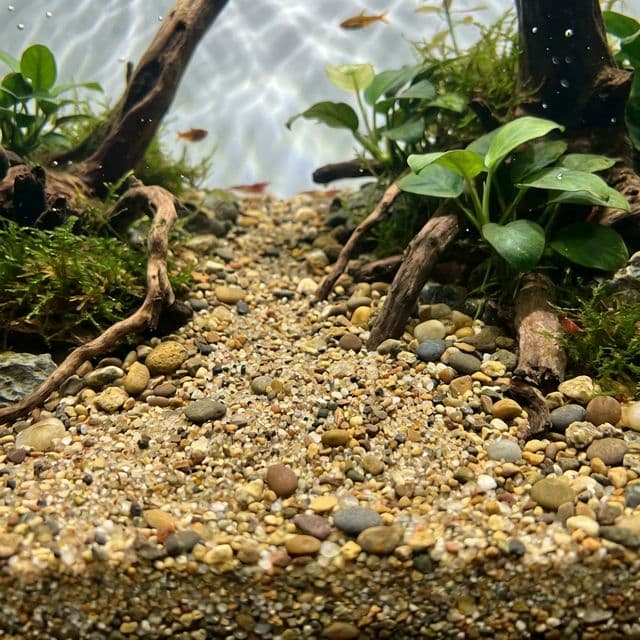
Sand and gravel mix
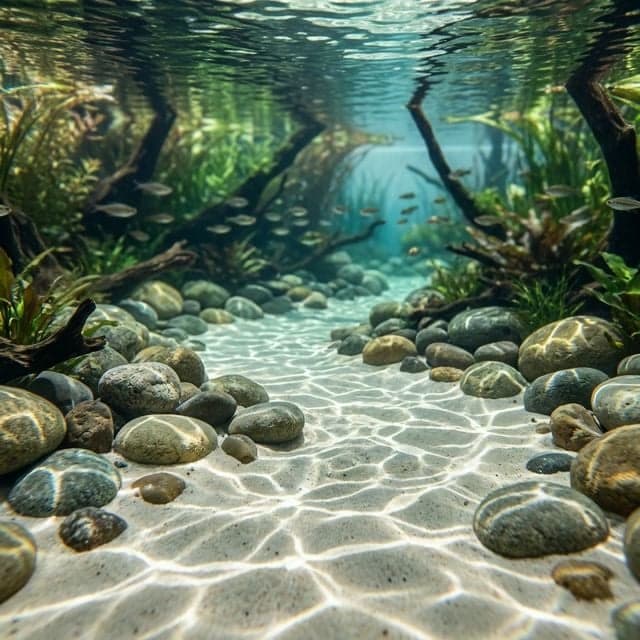
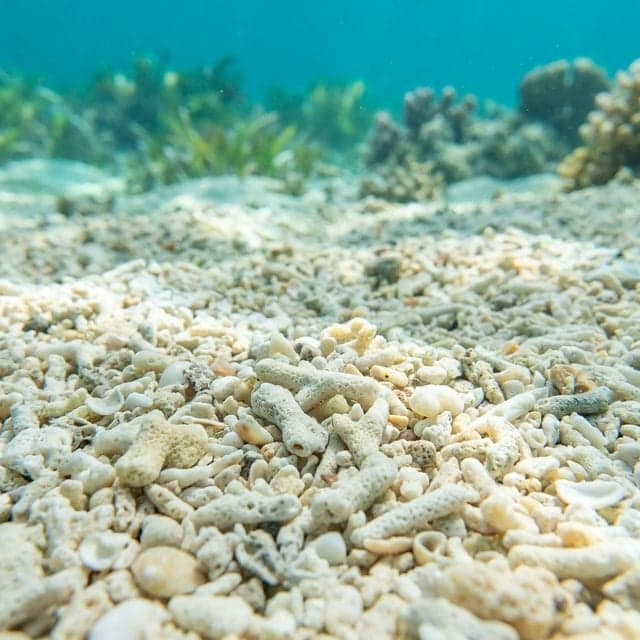
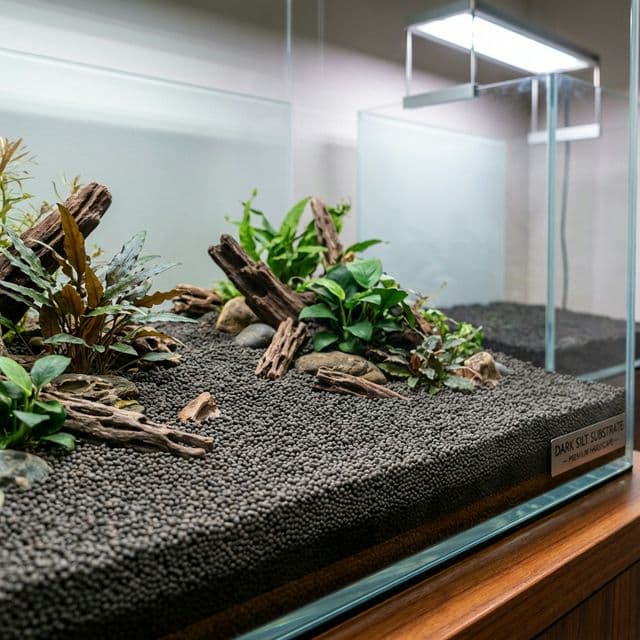
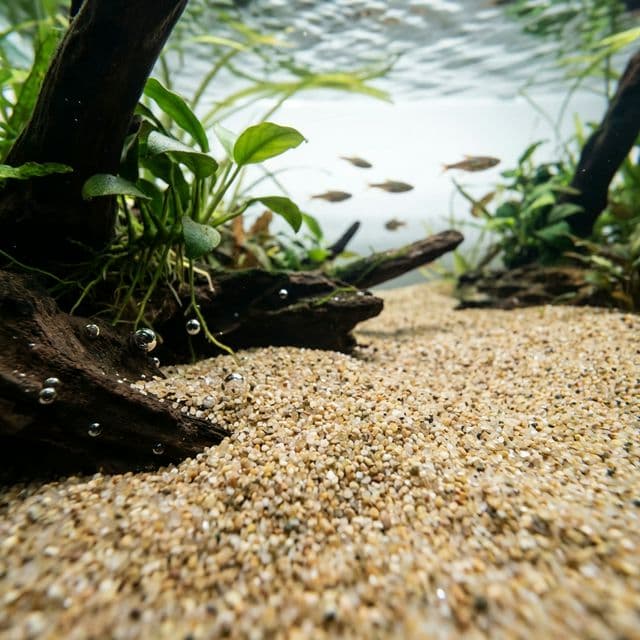
Sand and gravel mix is a versatile substrate material sought after by aquarium enthusiasts for its aesthetic appeal and functionality. This mix typically consists of fine sands combined with coarser gravel, creating a visually striking substrate that mimics natural riverbeds or ocean floors. The blend can range from light to dark hues, allowing aquarists to achieve a variety of visual effects, which can accentuate plant colors and highlight the beauty of fish swimming above it. Its natural texture and color variations contribute to the creation of dynamic aquascapes, making it a popular choice among both novice and experienced hobbyists.
The popularity of sand and gravel mix lies not only in its beauty but also in its practical attributes. The coarse gravel provides excellent drainage, essential for preventing anaerobic pockets that can lead to toxic gas buildup in planted tanks. Meanwhile, the finer sand portion offers a more natural environment for bottom-dwelling fish and organisms, promoting healthy microbial life that is vital for nutrient cycling. This substrate mix also allows for easy manipulation and layering, enabling aquarists to create intricate designs that can be easily modified as their vision evolves.
Usage Guide
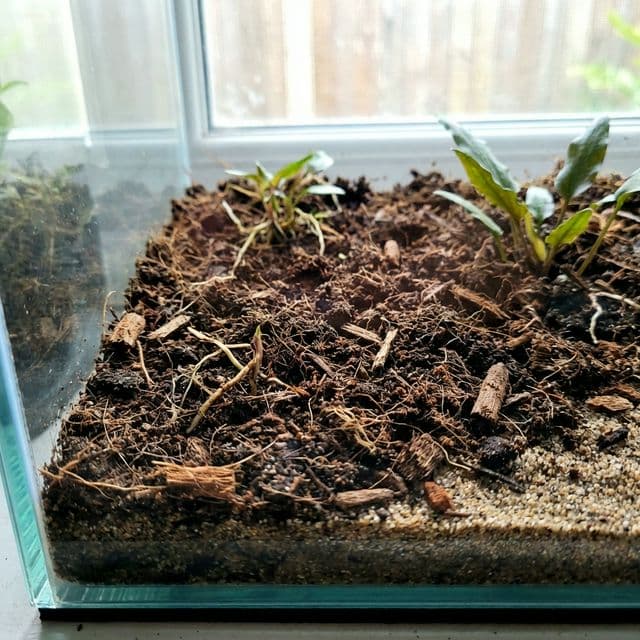
When using a sand and gravel mix in your aquascape, the first consideration is placement. Start by layering the gravel at the bottom of your aquarium, creating a base of about 1-2 inches. This will help ensure proper drainage while also providing a stable foundation for larger rocks and driftwood. After establishing the gravel layer, add a thin top layer of sand, approximately half an inch to one inch thick, depending on the overall aesthetic you wish to achieve. This layered approach not only enhances the visual appeal but also allows for beneficial bacteria to thrive in the gravel while creating a more suitable substrate for plant roots.
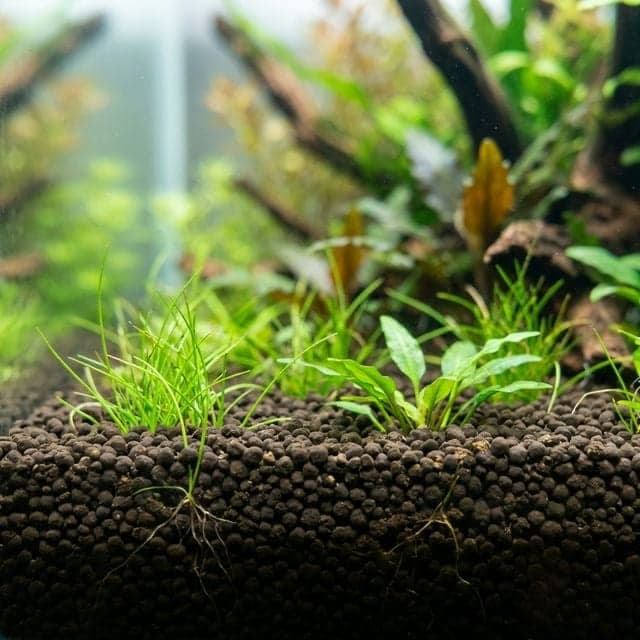
While stacking, it’s essential to ensure stability by using larger rocks or driftwood as anchor points within the gravel base. Place heavier pieces toward the bottom and gradate lighter materials towards the top. Consider incorporating plants that prefer sandy substrate in appropriate gaps; species such as Cryptocorynes or certain types of dwarf hairgrass can thrive when their roots are buried under the sand layer. Pair your sand and gravel mix with natural elements—like stones or driftwood—that provide structure and contrast the substrate’s texture. This balance is key to creating a harmonious aquascape that is both visually stunning and ecologically sound.
Cleaning & Preparation
Preparing sand and gravel mix is crucial for promoting a healthy aquarium environment. Start by rinsing the substrate thoroughly. Place the sand and gravel in a large bucket or container, then fill it with water. Use your hands to agitate the mixture lightly, allowing dust and debris to rise to the surface. Pour off the dirty water and repeat this process several times until the water remains clear. This step helps to eliminate unwanted particulates that could cloud your aquarium water.
If you want to ensure even greater cleanliness, consider boiling or scrubbing your substrate. Boil smaller amounts of the mix in a pot of water for 10-15 minutes to kill any potential pathogens. For larger quantities or those looking for a chemical cleanse, an acid wash can be beneficial. In this case, dilute a mixture of 1 part bleach to 10 parts water, soak the substrate for a few hours, and then rinse thoroughly until all traces of bleach are gone. Lastly, soaking the substrate in dechlorinated water for 24 hours can ensure any remaining contaminants are effectively neutralized.
Impact on Water Chemistry
Sand and gravel mix is typically an inert substrate, meaning it does not leach harmful substances like tannins, calcium, or magnesium into the water column. This characteristic is particularly important for maintaining stable water conditions, as it minimizes fluctuations in pH, General Hardness (GH), and Carbonate Hardness (KH). For most aquarium setups, especially in community tanks or planted aquascapes, an inert substrate helps maintain a balanced environment conducive to thriving aquatic life.
In general, the impact on water parameters will be negligible, with pH remaining stable unless influenced by other factors dominant within the aquarium, such as dissolved CO2 levels or the presence of reactive decorations. However, if you incorporate mineral-rich gravels or sands designed for specific biotopes, be mindful that these materials may slightly alter water chemistry. Therefore, regular monitoring of pH, GH, and KH is beneficial, especially in specialized aquariums.
Aquascaping Styles
Sand and gravel mix is ideal for several aquascaping styles, with a strong alignment towards Iwagumi, Nature Aquarium, and Biotope designs. The versatility of this substrate allows for natural, balanced layouts typically emphasized in Iwagumi compositions, as it provides a neutral backdrop that accentuates rocks and plants. In Nature Aquariums, the mix facilitates the growth of various aquatic plants and supports a healthy ecosystem for aquatic fauna, promoting both beauty and biodiversity.
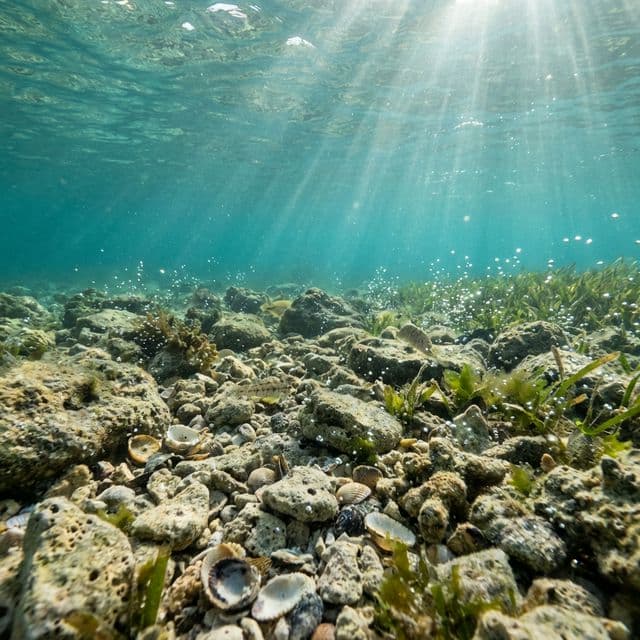
For those interested in Biotope aquariums, sand and gravel can imitate specific environments, such as riverbanks, lakeshores, or ocean floors, allowing for an authentic representation of aquatic habitats from around the world. Coupling this mix with appropriate flora and fauna from the chosen biotope can lead to a stunning and educational aquarium that truly reflects nature’s designs. Other styles, such as Scapescape and Dutch-style aquascapes, can also benefit from the textural contrast and organic feel of sand and gravel mix, making it a favorite substrate choice for diverse aquarium projects.