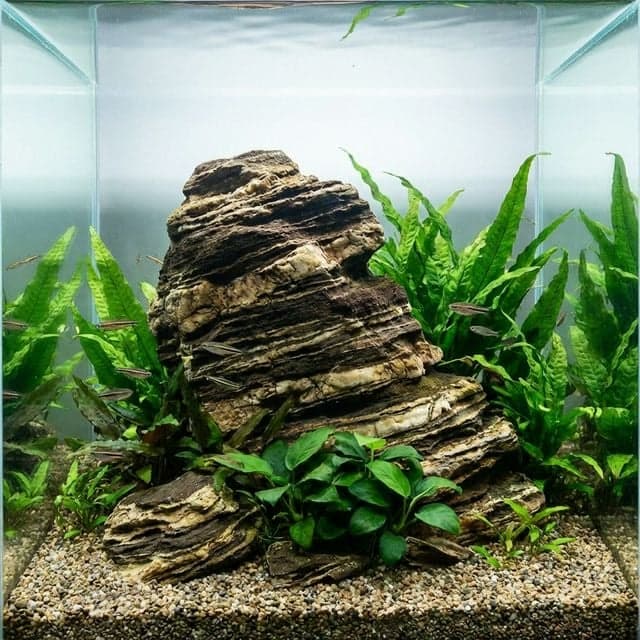
Seiryu Stone: The King of Aquascaping Rocks
The definitive guide to Seiryu Stone. Understand why this limestone rock is the top choice for Iwagumi layouts and how to manage its effect on water chemistry.
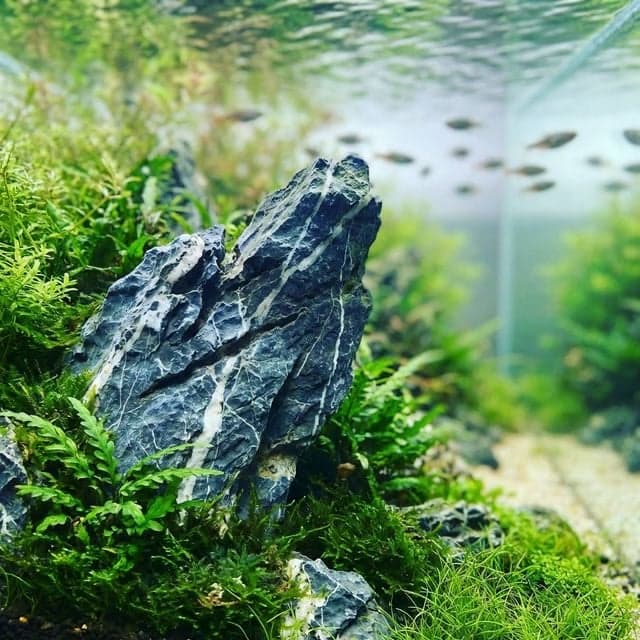
Seiryu Stone
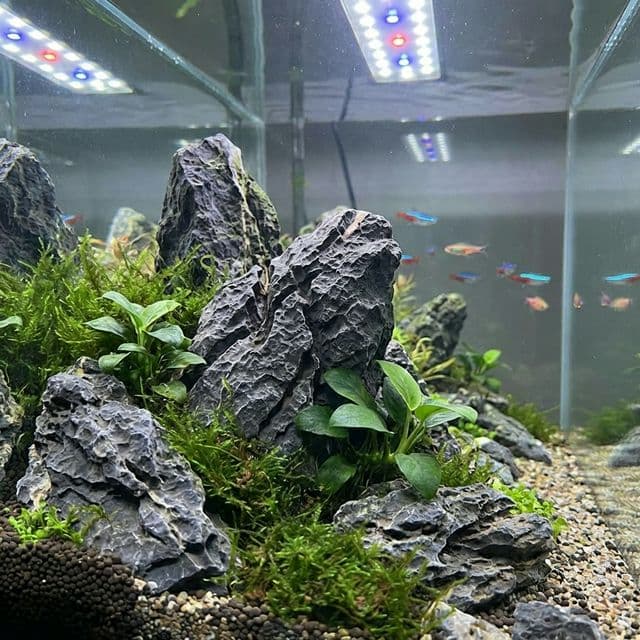
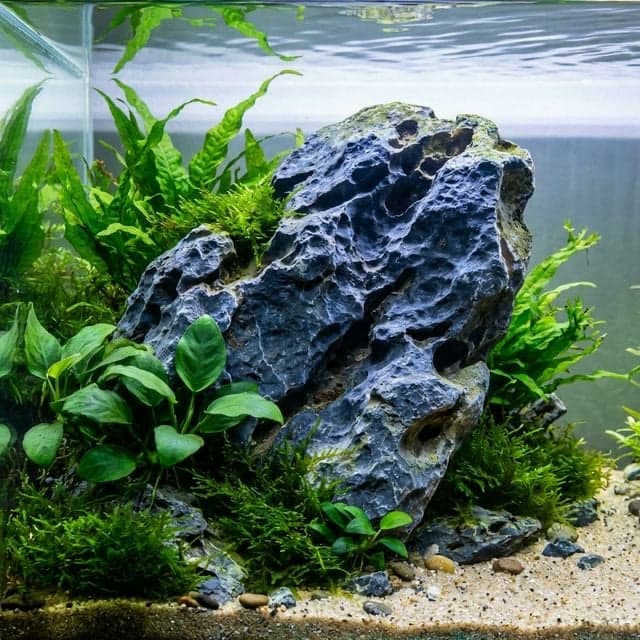
Seiryu stone, often referred to as the 'King of Aquascaping Rocks,' is a visually striking hardscape material native to Japan. Known for its captivating blue-grey coloration and distinctive angular shapes, Seiryu stone has become a favorite among aquascapers looking to create stunning underwater landscapes. Its rugged texture and sharp edges not only mimic the natural landscapes found in mountainous terrains but also provide a dynamic contrast when paired with lush aquatic plants. The stone has gained immense popularity in the aquascaping community due to its ability to evoke a sense of tranquility and sophistication in both freshwater and marine aquariums.
The aesthetic appeal of Seiryu stone is complemented by its versatility—it can seamlessly integrate into various types of aquascaping styles, making it suitable for minimalistic designs as well as more elaborate themes. What sets it apart from other stones used in aquascaping is its impressive ability to age gracefully over time, often resulting in a deeper, more nuanced appearance as algae and biofilm colonize its surfaces. The stone's dramatic presence can serve as a focal point or as part of a harmonious composition, enhancing the overall beauty of the aquarium while providing structural stability for plants and hardscape elements.
Usage Guide
When incorporating Seiryu stone into your aquascape, thoughtful placement is crucial to achieve a natural look. Start by selecting a few key pieces that vary in size and shape; larger stones can act as the backbone of your design, while smaller stones can fill in gaps and create depth. It's often beneficial to arrange the stones in a staggered formation, with taller pieces positioned toward the back or center of the aquarium for height variation. A rule of thumb is the "golden ratio" technique, where stones are placed in a way that creates a natural balance, avoiding symmetry as much as possible to mimic nature.
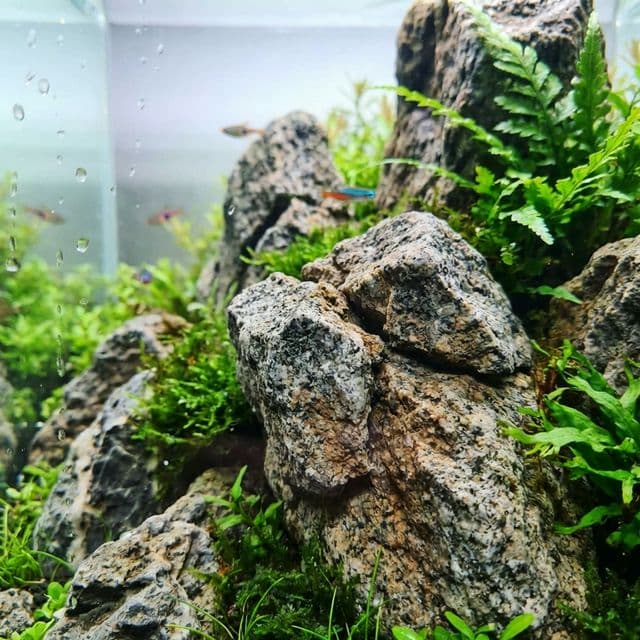
Stacking tips for Seiryu stone include ensuring stability by placing heavier stones at the bottom and using smaller pieces to fill voids and create interesting formations. Pairing Seiryu stone with other materials, such as driftwood or moss, can elevate your design. The contrast between the hard, angular shapes of the stones and the soft, flowing lines of aquatic plants or wood can create a visually appealing dynamic. Keep in mind that the overall composition should reflect the intended aquascaping style, enhancing both the aesthetic and functional aspects of the aquarium.
Cleaning & Preparation
Preparing Seiryu stone before adding it to your aquarium is essential to ensure a clean and safe environment for your aquatic life. Follow these steps for effective cleaning:
-
Initial Rinse: Start by rinsing each piece of Seiryu stone under running water to remove any surface dust, dirt, or debris. A stiff brush can help scrub off any stubborn particles lodged in the crevices.
-
Boiling: To further sanitize the stones, boil them in water for about 10-15 minutes. This process kills off any potential pathogens or contaminants present on the stone's surface.
-
Scrubbing: After boiling, remove the stones and scrub them again with a brush to eliminate any residue or film. Pay special attention to nooks and crannies where organic material may hide.
-
Acid Washing (Optional): If you desire to remove more challenging stains or mineral deposits, a mild acid wash using distilled white vinegar can be performed. Mix one part vinegar with four parts water, soak the stones for a few minutes, then scrub and rinse thoroughly.
-
Soaking: Finally, soak the stones in clean, dechlorinated water for at least 24 hours to ensure all residual substances, including any acidic traces from the cleaning process, are removed before introducing them to your aquarium.
Impact on Water Chemistry
One of the critical considerations when using Seiryu stone in aquascaping is its impact on water chemistry. Unlike some other natural stones, Seiryu stone is not entirely inert. It has been known to leach minerals like calcium and magnesium into the water column over time. As a result, aquarists may notice fluctuations in water parameters, particularly in pH, GH (General Hardness), and KH (Carbonate Hardness).
Typically, Seiryu stone can raise the pH of the water, making it more alkaline, which may be suitable for some freshwater species, particularly those from higher pH environments. In general, pH levels can rise to a range between 7.0 to 8.0 based on the concentration of the stone in the aquascape. Additionally, GH and KH may increase gradually, affecting the overall water quality, which should be monitored closely. Ultimately, while Seiryu stone can enhance the aesthetic appeal of your aquascape, it is vital to consider its effects on the biochemical environment, particularly for sensitive species.
Aquascaping Styles
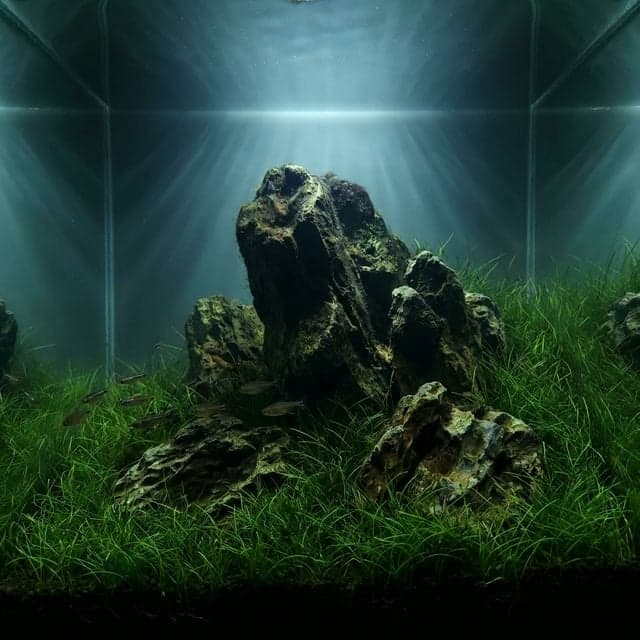
Seiryu stone is particularly well-suited for various aquascaping styles, primarily due to its unique textures and shapes. One of the most popular environments is the Iwagumi style, where rocks are the primary focus, and their arrangement conveys harmony and balance. The stone's natural angular formations allow fish and plant placements that underscore each element's organic qualities.
Additionally, Seiryu stone works effectively in Nature Aquariums, where the aim is to create a natural-looking aquatic landscape that mimics real-world ecosystems. Its soothing colors complement vibrant plant life while providing hiding spots and structure for fish. Moreover, for biotopes aiming to replicate specific ecosystems, Seiryu stone can mimic the rocky substrates often found in riverine or mountainous habitats. The versatility of Seiryu stone makes it a favorite among aquascapers, as it can be seamlessly integrated into various designs, each telling its own unique aquatic story.