Java Fern Care: Expert Tips on Planting & Myths
Discover expert tips for Java Fern care including planting, propagation, and debunking black spot myths to create a thriving aquarium environment.
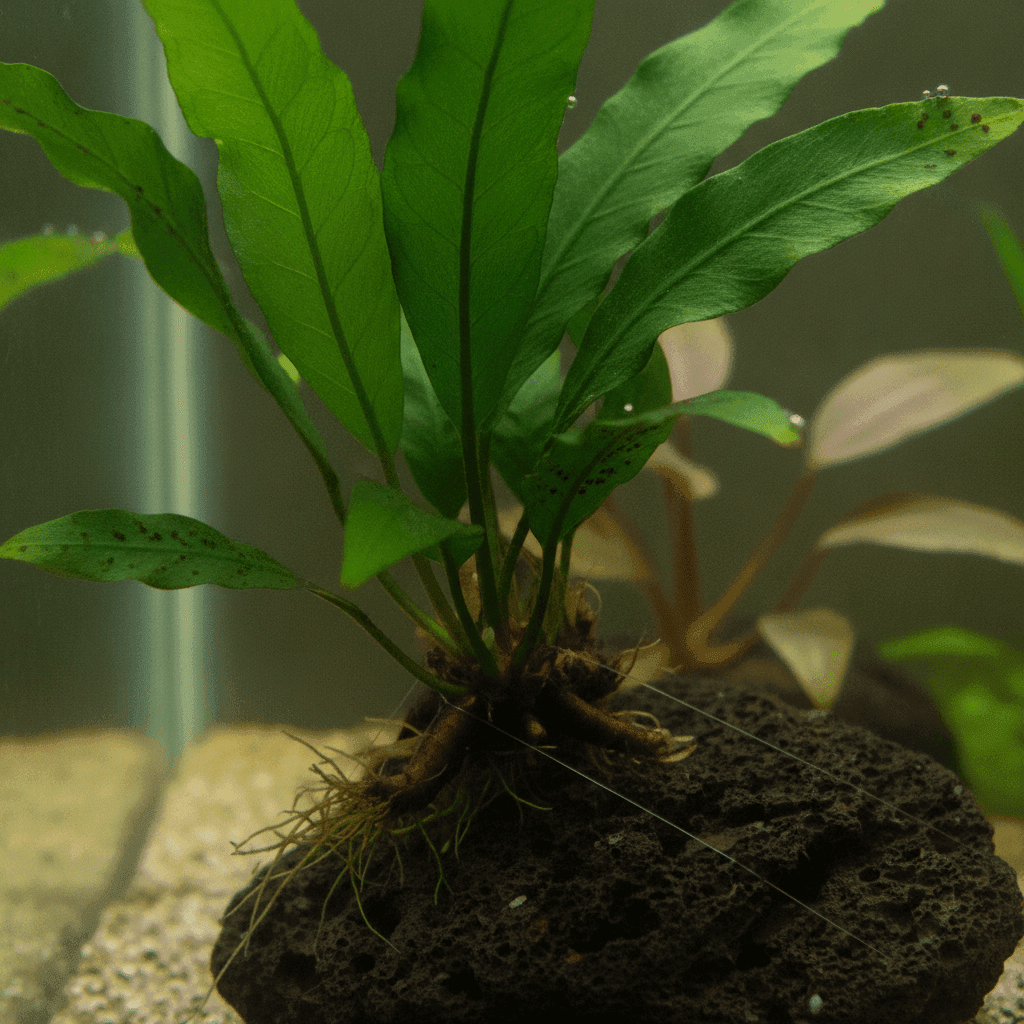
Java Fern Care Guide: Planting, Propagation, and Black Spot Myths
The Java Fern, known scientifically as Microsorum pteropus, is a favorite among aquarium enthusiasts for its resilience and visual appeal. It's an ideal choice for aquarium beginners, offering a simple entry into aquascaping while maintaining a beautiful, low-maintenance environment. This guide provides essential information on Java Fern care, covering everything from planting and propagation to debunking myths about black spots.
Understanding Java Fern Basics
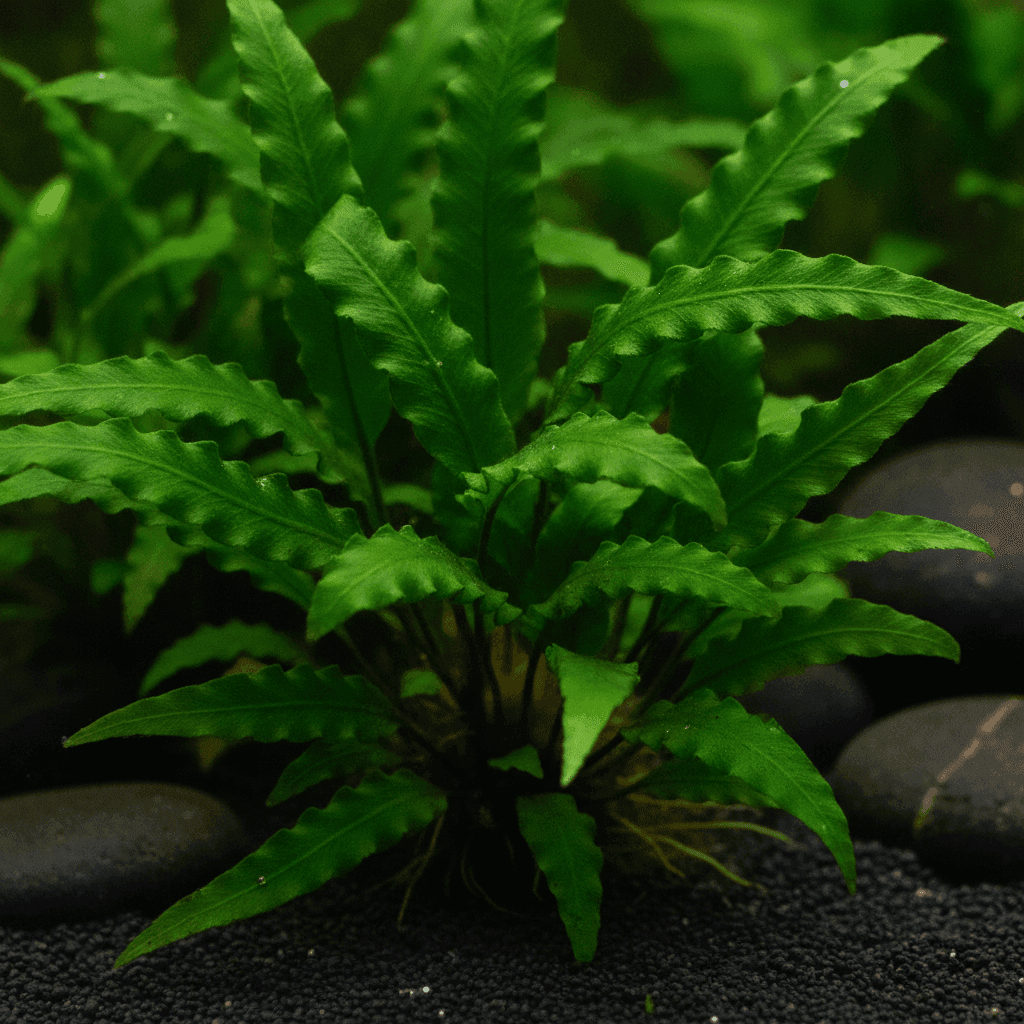
Java Ferns naturally flourish along the riverbanks and on submerged rocks in the humid climates of Southeast Asia. Their robust, bright green leaves and unique rhizome, from which roots and leaves sprout, add a lush appearance to any freshwater tank. Growing up to 13 inches tall, they offer both coverage and visual interest, making them perfect for aquascaping for beginners.
Choosing Java Ferns for your aquarium has many advantages. They help purify water by absorbing pollutants and excess nutrients, and their leaves offer excellent shelter for timid or juvenile fish. Their adaptability to various conditions makes them forgiving plants for newer aquarists.
How to Plant Java Fern Successfully
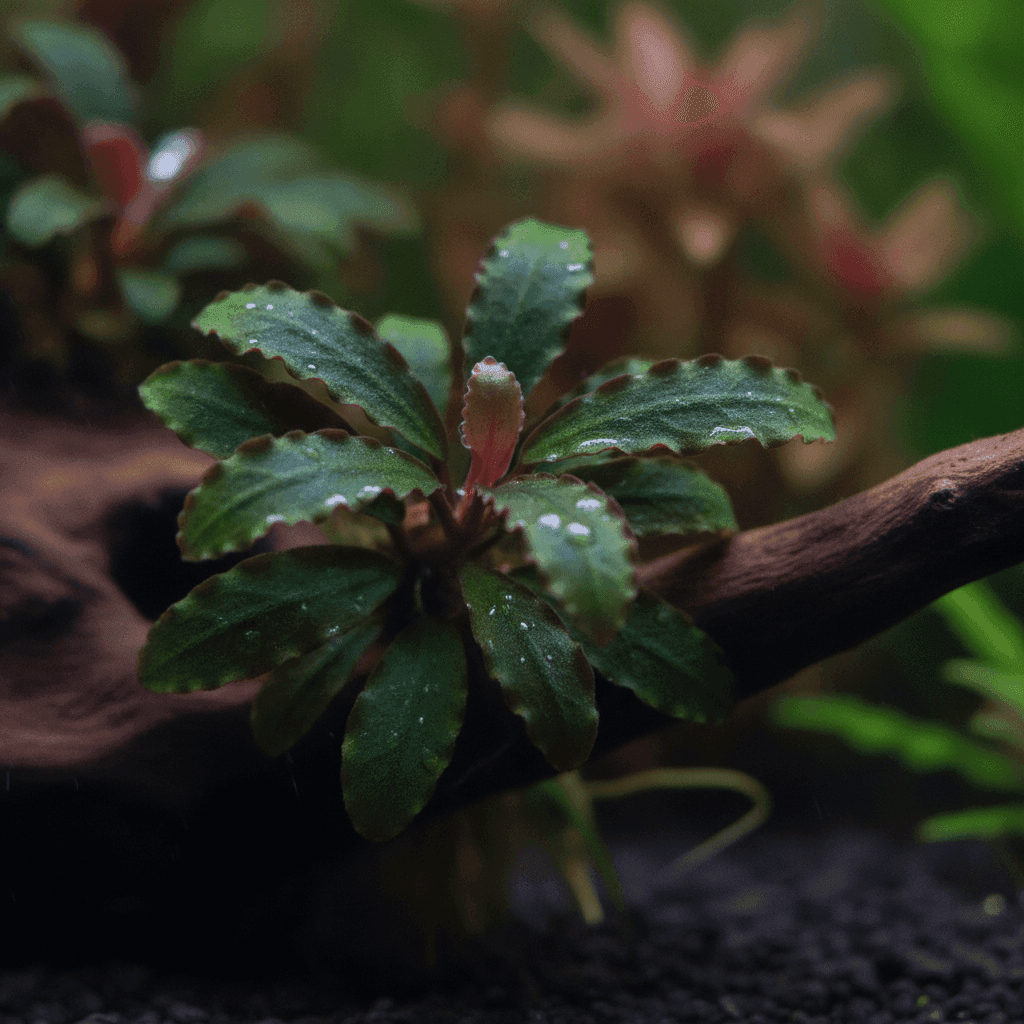
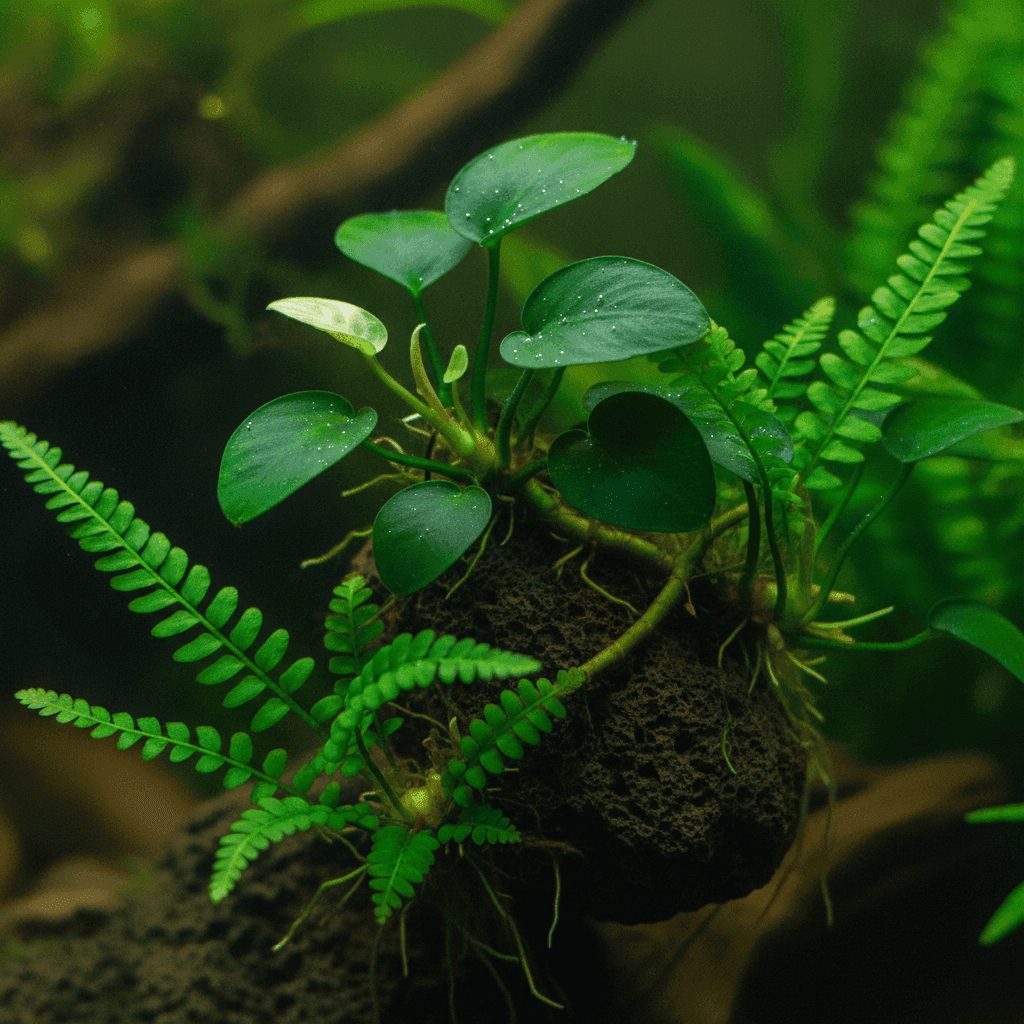
For a thriving Java Fern, proper planting is crucial. Start by rinsing the fern under running water to remove any debris or pests. Instead of using deep, muddy gravel (which isn't suitable for their shallow roots), use sand or gravel that allows for water flow and nutrient exchange. A popular method is attaching Java Ferns to driftwood or rocks, mimicking their natural growth pattern and avoiding the mistake of burying the rhizome. Secure them with fishing line, cotton thread, or super glue. As time goes by, the roots will naturally secure themselves to the surface.
Does Java Fern Need Special Conditions?
Java Ferns adapt easily to a range of tank conditions and do not demand much. They thrive in moderate to low lighting—excess light can encourage algae growth on their leaves (Planted Tank Lighting). Ideal water conditions include temperatures between 68-82°F and pH levels from 6.0 to 7.5. They do well both with and without CO2 supplementation.
Practical Steps for Propagating Java Fern
Java Fern propagation can be done by dividing the rhizome or encouraging plantlets to form. For rhizome division, find a mature segment with several leaves. Use a sharp knife or scissors to cut sections, ensuring each has one or two leaves, then attach these to driftwood or rocks in the tank. Alternatively, let nature take its course as plantlets form on the leaves. Wait until they have several leaves and roots before gently detaching and securing them onto a new surface.
Common Java Fern Issues and Solutions
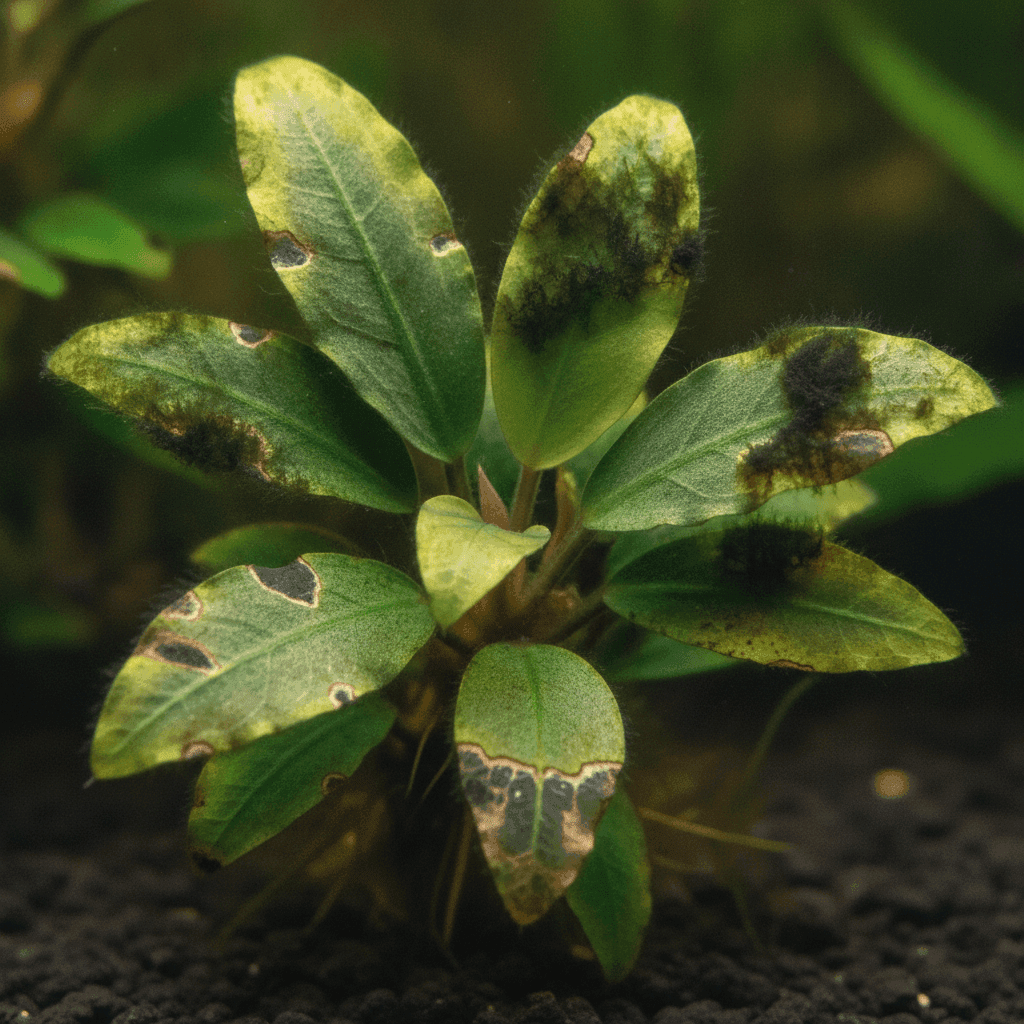
Although Java Ferns are tough, they can encounter problems occasionally. Black spots often concern hobbyists, but they're typically harmless and part of the normal propagation process where plantlets grow. Yellowing leaves might indicate poor lighting or nutrient shortages—consider a balanced aquatic plant fertilizer. Slow growth may be due to insufficient light, lack of nutrients, or overcrowding in the tank (Understanding and Preventing Aquarium Plant Melt).
Myth-Busting: The Truth About Black Spots on Java Fern
Many mistakenly think black spots are a problem for Java Ferns. These spots actually signify healthy propagation, marking potential sites for new plant growth. To manage black spots, ensure proper lighting and nutrients, remembering some spotting is normal and not harmful.
Avoiding Common Mistakes in Java Fern Care
A common mistake is burying the rhizome, which can lead to rot and poor plant health. Avoid overfeeding to prevent nutrient build-up and algae overgrowth, which can harm the plant (Battling Black Beard Algae). Manage lighting levels carefully, as too much light can stress the plant and stunt its growth.
Enhancing Your Aquarium with Java Fern
Java Ferns add depth and texture to aquariums. Ideal tank mates include tetras, bettas, and dwarf cichlids that enjoy the shelter Java Fern leaves provide. When aquascaping, use Java Ferns to create natural divisions or hidden nooks in your aquatic landscape for a visually appealing setup.
Nurture Java Fern Care and Maintenance
Proper Java Fern care involves correct planting, monitoring light and water conditions, and timely nutrient addition. By nurturing these plants, they thrive and contribute to a balanced aquarium ecosystem. Begin your Java Fern journey and enjoy the growth and beauty they bring to your aquascape (Plant Care Basics).
FAQ
What should I do if my Java Fern is turning brown?
Check your lighting and ensure your plant is getting adequate nutrients. Consider adding a quality fertilizer if needed.
Can Java Fern grow in low light?
Yes, Java Ferns are suited for low-light tanks, though growth might be slower. Ensure some exposure to light for optimal health.
Are black spots on Java Fern harmful?
Not at all. Black spots typically indicate new plantlets are developing and are part of natural processes.
How often should I trim Java Fern?
Trim your Java Fern when leaves yellow or become overgrown. This encourages new growth and keeps the plant healthy.
Can Java Fern survive without CO2 injection?
Java Ferns thrive without CO2 injection, perfect for low-tech setups and beginner hobbyists (Easy Aquarium Plants for Low-Tech Aquascapes).