Planted Tank Lighting: Boost Growth & Prevent Algae
Discover how to optimize planted tank lighting through PAR, photoperiods, and spectrum for thriving plants without algae issues.
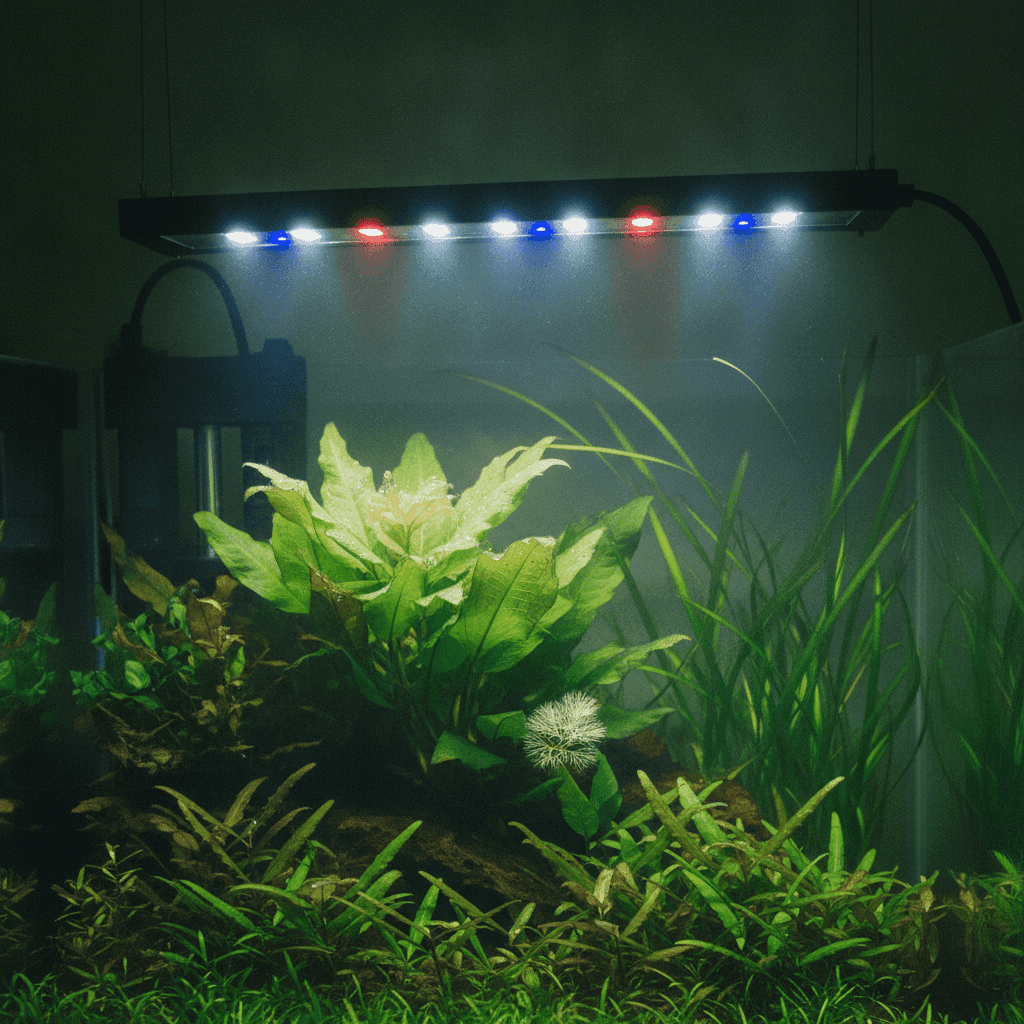
Lighting in a planted aquarium is crucial not only for showcasing its beauty but also as the main source of energy for plants. It powers photosynthesis, promoting lush, healthy growth. However, getting the lighting right involves understanding multiple factors. This guide covers Photosynthetically Active Radiation (PAR), photoperiods, the significance of light spectrum, and the art of balancing these elements to prevent algae problems. Mastering these aspects is essential for a thriving planted tank ecosystem.
Understanding Planted Tank Lighting
When we talk about lighting in a planted aquarium, we are referring to the light's intensity, duration, and quality—all of which are vital for plant photosynthesis. So, what does lighting actually do in a planted tank? It enables plants to convert light, carbon dioxide, and nutrients into energy, boosting growth and maintaining the aquarium's ecosystem.
Key Components of Planted Tank Lighting
What is PAR and Why is it Important?
Photosynthetically Active Radiation (PAR) covers the light wavelengths (400-700 nm) plants utilize during photosynthesis. Unlike lumens or watts, PAR measures light in terms plants can use for energy. A PAR meter can assess the actual light intensity reaching your plants, making it crucial for understanding the efficiency of photosynthesis and, consequently, plant health and growth.
The Role of Photoperiod in Aquarium Lighting
Photoperiod refers to the number of hours the aquarium lights are on each day. This mimics the natural day-night cycle, cueing plants to perform photosynthesis. For beginners, the suggested photoperiod is 8 to 10 hours daily. You may need to tweak this based on plant requirements and algae growth since too much light can lead to algae blooms.
Understanding Aquarium Light Spectrum
The light spectrum in an aquarium includes the range of wavelengths emitted by your lighting setup. Different wavelengths affect plant growth and color, with red and blue being most important for photosynthesis, and green contributing to overall plant health. While the ideal spectrum depends on plant types, generally it should be full-spectrum or balanced between red and blue. Choosing the right spectrum enhances your plants' health and the visual appeal of your tank.
Practical Steps to Set Up Planted Tank Lighting
Step 1: Determining the Right Lighting for Your Tank
Start by assessing your tank's specific needs, considering its size and the plant types. High-light plants might need powerful LED fixtures, while shade-loving plants may do well with softer fluorescent lights. Ensure your choice offers even light distribution catered to your plants' preferences.
Step 2: Setting the Correct Photoperiod
Setting an appropriate photoperiod involves determining how long and when the lights will be on. Start with an 8-hour cycle and adjust based on how your plants respond. Use timers to maintain consistency and prevent drastic changes that could stress plants.
Step 3: Balancing Light Spectrum
Choosing the right light spectrum is essential for photosynthesis and plant health. Opt for adjustable spectrum lights to match plant preferences and encourage vibrant growth and color.
Step 4: Monitoring and Adjusting Light Levels
Regularly check that your plants receive the right light intensity. Measure PAR levels with a PAR meter to ensure plants get enough energy. Adjust lighting gradually according to plant growth and algae levels.
Achieving the Right Balance: Lighting and Algae Control
Too much light often triggers algae blooms. To keep algae in check, tailor the intensity and duration of light to your plants' needs, avoiding excess light that encourages algae growth. Diligent tweaks and suitable photoperiod settings will help manage algae effectively.
Common Mistakes in Planted Tank Lighting
Mistakes can hinder plant growth and fuel algae problems. Common errors include choosing light fixtures that don't fit plant needs, neglecting spectrum importance, and setting a photoperiod that exacerbates algae. Avoid these by understanding your tank's specific requirements and making informed lighting choices.
Perfecting Planted Tank Lighting for Optimal Plant Growth
Excellence in lighting involves constant observation and adjustment. Regularly evaluate plant health and tweak lighting settings as necessary. Remember, lighting is just one part of the equation; CO2 and nutrient levels are also crucial. By balancing these factors, you can achieve a vibrant and robust underwater garden.
FAQ
What is the ideal photoperiod for a beginner’s planted tank?
An ideal photoperiod for beginners ranges between 8 and 10 hours. This duration provides enough energy for plants without overly encouraging algae. Be ready to adjust the time based on the plants' reactions and algae presence.
How does the light spectrum affect plant coloration and growth?
Varied spectrums influence plant processes differently. Red and blue lights are crucial for photosynthesis, and certain spectrums can enhance color and growth. Customizing the spectrum to your plants' needs fosters healthy and attractive aquascapes.
What tools can I use to measure the PAR in my tank?
PAR meters are essential for measuring light intensity in tanks. They provide accurate readings of usable light, ensuring plants have enough energy for photosynthesis. Investing in a reliable PAR meter benefits dedicated aquascapers.
Can I use regular LED lights for a planted tank?
Regular LEDs can light up your tank but may not offer the right spectrum or intensity for optimal plant growth. Aquarium-specific LEDs are engineered to deliver the correct spectrum balance for healthy photosynthesis.
How can I tell if my plants are getting too much or too little light?
Signs of too little light include yellowing leaves and slow growth, while too much light might cause algae blooms and leaf discoloration. Monitor plant health regularly and adjust lighting settings to address any issues.