Aletas plegadas: identificación y tratamiento
Aletas pegadas al cuerpo, menos actividad o el pez escondido: una señal general de estrés.
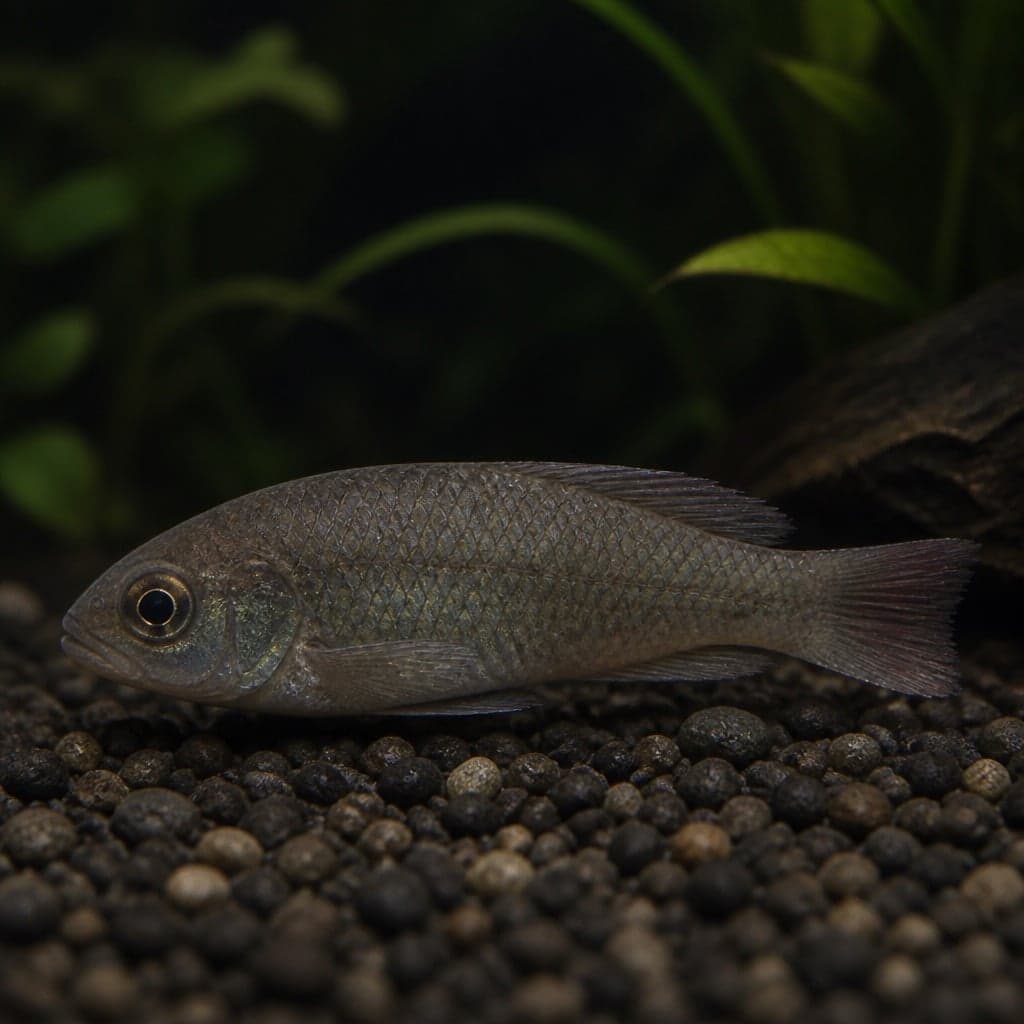
Aletas plegadas
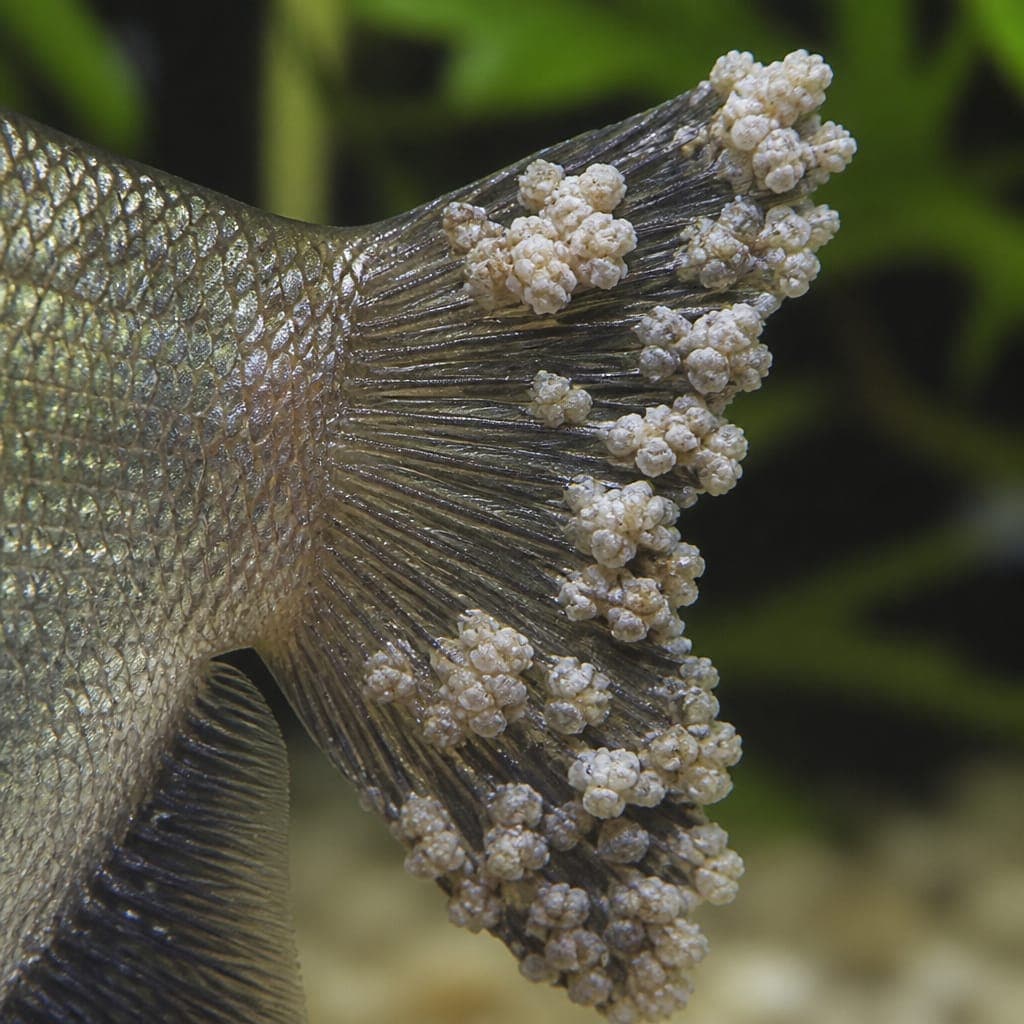
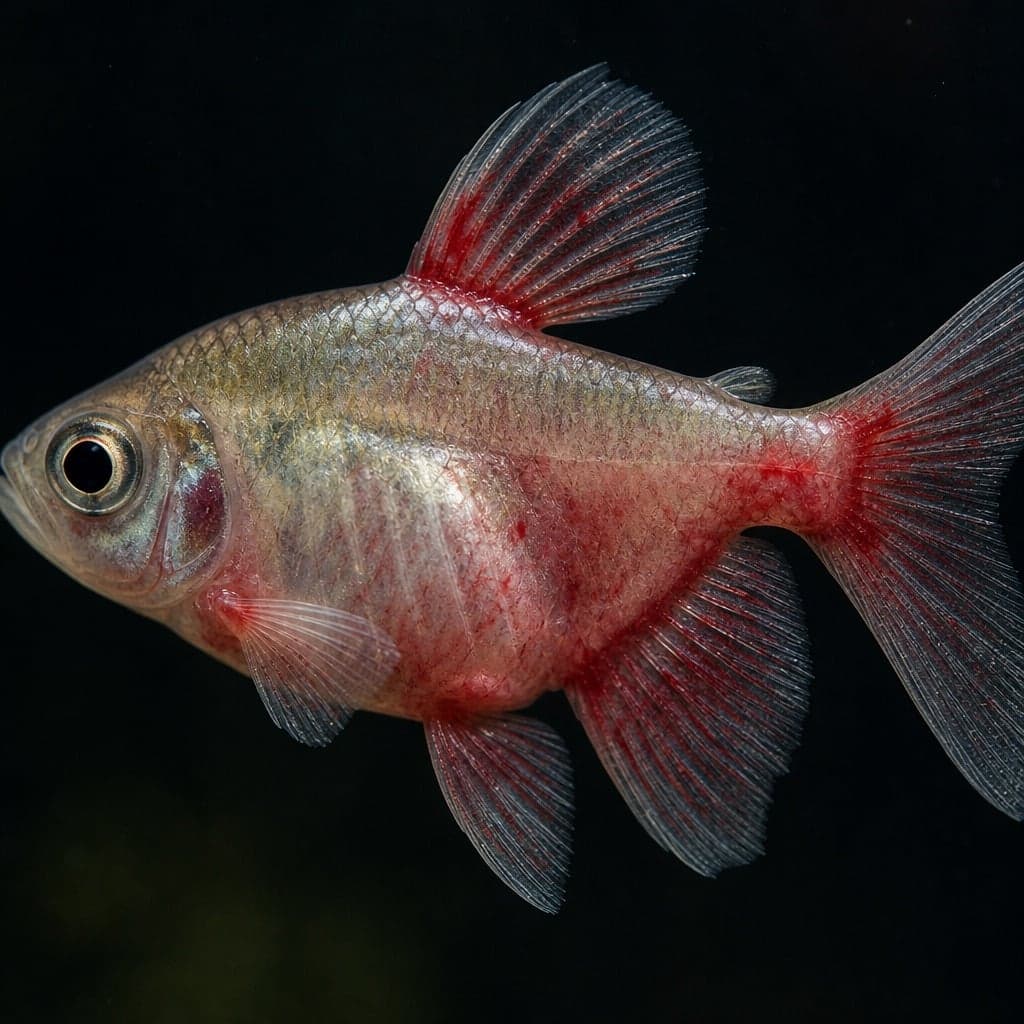
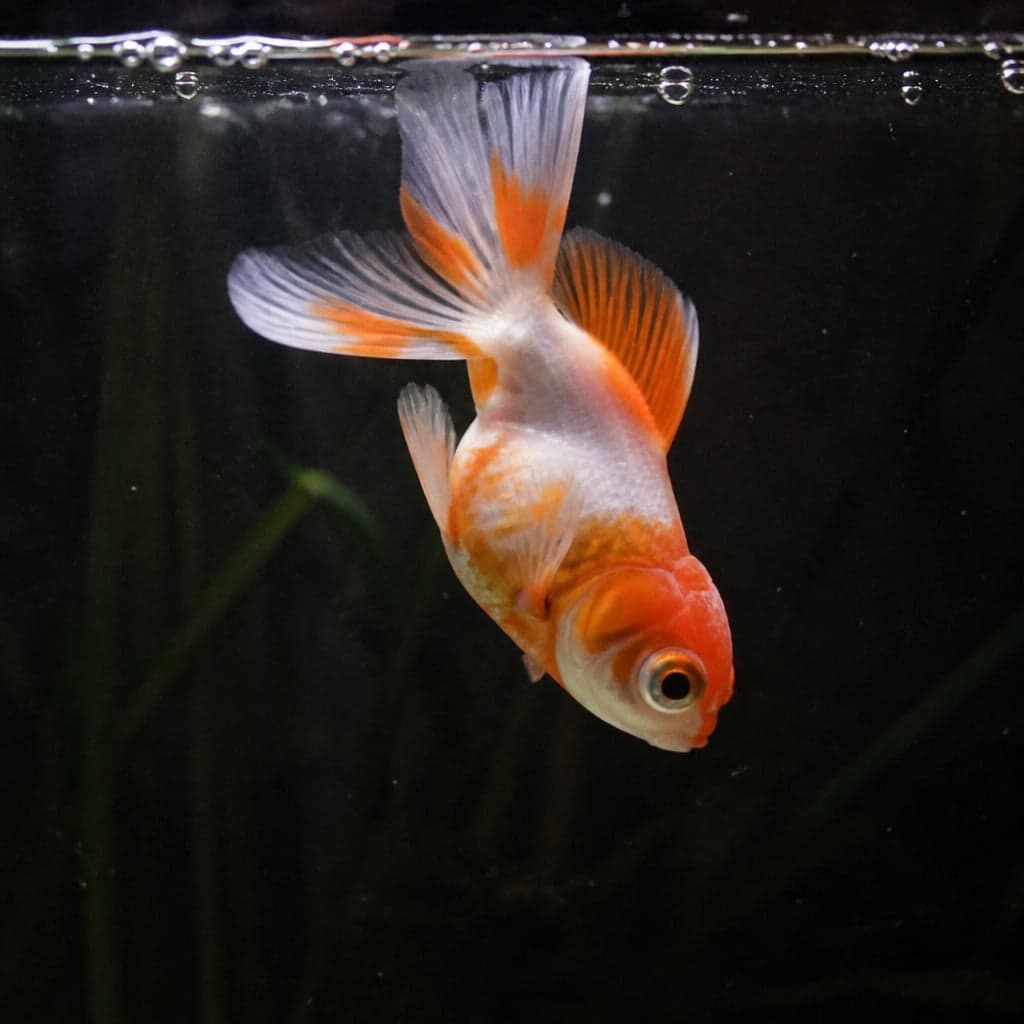
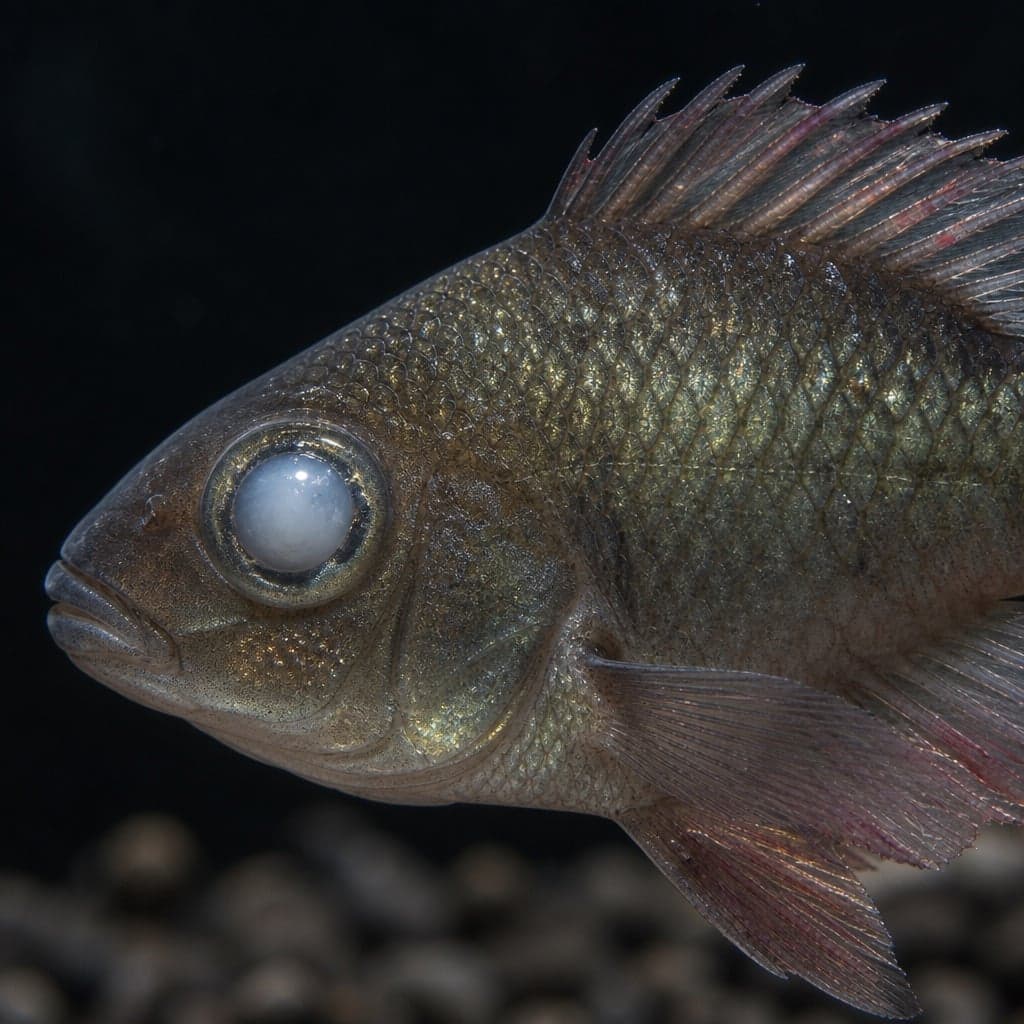
Aletas pegadas al cuerpo, menos actividad o el pez escondido: una señal general de estrés. Compara tu pez con la foto de referencia de arriba y revisa los parámetros registrados en el Rastreador de Acuarios antes de medicar.
¿Qué causa aletas plegadas?
- Presencia de amoníaco o nitrito: lo más urgente
- Temperatura fuera del rango de la especie
- pH muy lejos de la preferencia de la especie o vaivenes bruscos de pH
- Sobrepoblación, acoso o compañeros agresivos añadidos hace poco
- Choque por un cambio de agua reciente, medicación o decoración nueva
Qué comprobar antes de medicar
| Qué medir | Objetivo habitual | Qué indica una lectura fuera de rango |
|---|---|---|
| Amoníaco (NH₃/NH₄⁺) | 0 ppm | Cualquier valor por encima de cero significa que el filtro biológico no da abasto. Es tóxico para los peces mucho antes de llegar a un nivel que alimente a las algas. |
| Nitrito (NO₂⁻) | 0 ppm | Una lectura por encima de cero apunta a un filtro inmaduro o alterado: es habitual tras cambiar material filtrante, medicar o hacer una limpieza a fondo. |
| Nitrato (NO₃⁻) | 5–20 ppm plantado · menos de 10 ppm en arrecife | Un nitrato al alza indica que entran más residuos de los que exportan los cambios de agua y las plantas. Cerca de cero en un acuario plantado, las plantas pasan hambre y las algas ganan terreno. |
| Temperatura | dentro del rango de la especie, estable | El agua más caliente retiene menos oxígeno y acelera tanto el metabolismo como el crecimiento de patógenos. Los cambios bruscos estresan más que una cifra estable en cualquier extremo. |
| pH | estable, dentro del rango de tu especie | Importa más la estabilidad que la cifra. Un pH que deriva suele significar KH agotado o un vaivén de CO₂, más que un problema de pH en sí. |
| Población y compañeros | especies compatibles, grupos adecuados | Cardúmenes demasiado pequeños, exceso de machos o vecinos agresivos generan estrés crónico, que precede a buena parte de las enfermedades. |
| Cambios recientes | anota cualquier cosa de las últimas 2–3 semanas | Peces, plantas, material filtrante, iluminación o abonado nuevos son el detonante habitual. La causa suele preceder al síntoma en unos quince días. |
Toma estas lecturas primero. Buena parte de lo que parece enfermedad es un problema de calidad del agua, y medicar un acuario cuyo amoníaco sube trata el síntoma mientras la causa sigue actuando.
Pasos del tratamiento
- Analiza amoníaco, nitrito, nitrato y temperatura de inmediato
- Haz un cambio parcial de agua si hay amoníaco o nitrito detectable
- Revisa a los compañeros por agresividad y ofrece escondites
- Reduce la alimentación hasta que la calidad del agua se estabilice
- Evita medicar antes de corregir los parámetros del agua
Prevención
- Analiza amoníaco, nitrito y nitrato con regularidad, no solo cuando algo parece ir mal
- Mantén los parámetros estables: los vaivenes bruscos tras un cambio de agua grande causan más problemas que las lecturas que corrigen
- Evita la sobrepoblación; el hacinamiento sube los residuos y el estrés a la vez
- Da solo lo que se coma en unos minutos y retira el resto
Preguntas frecuentes
Aletas plegadas: ¿esto es contagioso para mis otros peces?
Da por expuesto todo el acuario hasta que sepas lo contrario. Incluso las causas no infecciosas suelen reflejar una condición que afecta a todo el acuario, así que los demás peces viven en aquello que lo provocó.
¿Con qué rapidez tengo que actuar?
Actúa en uno o dos días. La mayoría de las condiciones son mucho más fáciles de revertir pronto, y un pez que ha dejado de comer suele llevar enfermo más tiempo del que lo aparenta.
¿Trato en el acuario principal o en un acuario hospital?
Un acuario hospital aparte es preferible cuando el pez está lo bastante bien para moverlo: las dosis son más fáciles de controlar y muchos medicamentos dañan a invertebrados, plantas o al filtro biológico. Trata en el principal solo cuando esté afectado todo el acuario o cuando mover al pez añada más estrés del que quita el tratamiento.
Guías relacionadas
- Boqueo en la superficie — se confunde fácilmente con esto
- Puntos blancos (ich) — se confunde fácilmente con esto
- Todos los síntomas, uno al lado del otro — si no tienes claro qué estás viendo
- Protocolo de cuarentena — el origen de la mayoría de los brotes
- Cómo elegir un kit de análisis — para las lecturas anteriores