Hinchazón: identificación y tratamiento
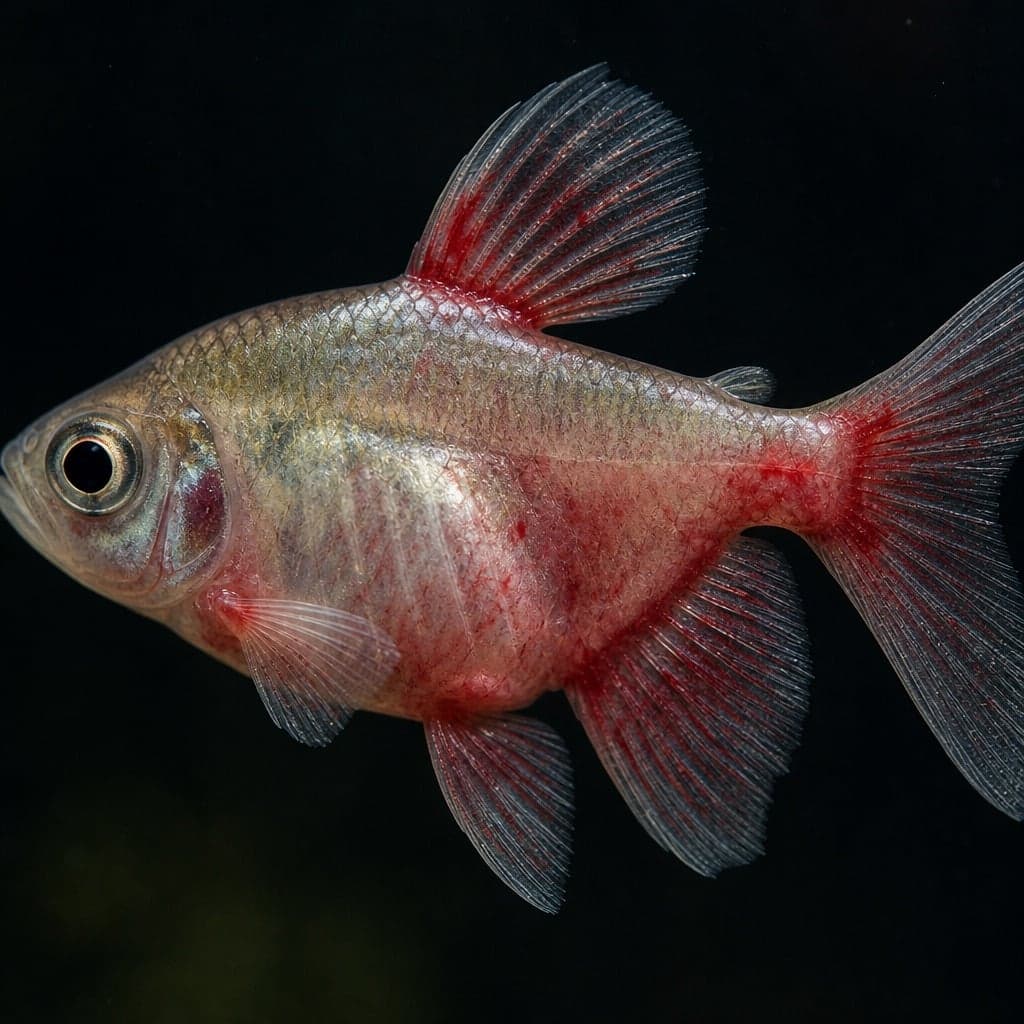
Abdomen hinchado o escamas erizadas (aspecto de piña): puede indicar hidropesía o fallo orgánico; actúa rápido.

Hinchazón
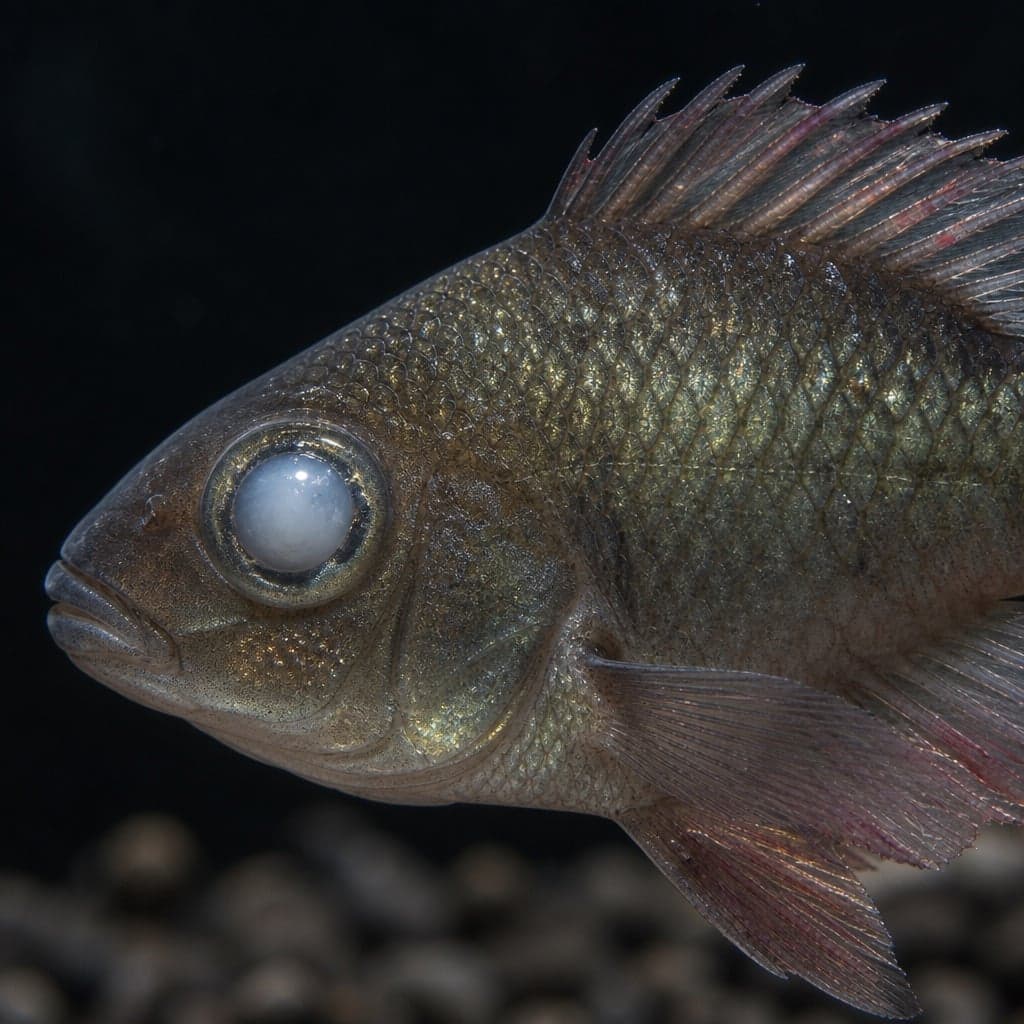
Abdomen hinchado o escamas erizadas (aspecto de piña): puede indicar hidropesía o fallo orgánico; actúa rápido. Compara tu pez con la foto de referencia de arriba y revisa los parámetros registrados en el Rastreador de Acuarios antes de medicar.
¿Qué causa hinchazón?
- Infección bacteriana interna (hidropesía): las escamas erizadas son un signo tardío
- Estreñimiento por alimentos secos o sobrealimentación
- Problemas renales o de vejiga natatoria por mala calidad del agua prolongada
- Retención de líquidos tras un daño orgánico
Qué comprobar antes de medicar
| Qué medir | Objetivo habitual | Qué indica una lectura fuera de rango |
|---|---|---|
| Amoníaco (NH₃/NH₄⁺) | 0 ppm | Cualquier valor por encima de cero significa que el filtro biológico no da abasto. Es tóxico para los peces mucho antes de llegar a un nivel que alimente a las algas. |
| Nitrito (NO₂⁻) | 0 ppm | Una lectura por encima de cero apunta a un filtro inmaduro o alterado: es habitual tras cambiar material filtrante, medicar o hacer una limpieza a fondo. |
| Nitrato (NO₃⁻) | 5–20 ppm plantado · menos de 10 ppm en arrecife | Un nitrato al alza indica que entran más residuos de los que exportan los cambios de agua y las plantas. Cerca de cero en un acuario plantado, las plantas pasan hambre y las algas ganan terreno. |
| Temperatura | dentro del rango de la especie, estable | El agua más caliente retiene menos oxígeno y acelera tanto el metabolismo como el crecimiento de patógenos. Los cambios bruscos estresan más que una cifra estable en cualquier extremo. |
| Cantidad y frecuencia de alimentación | consumido en 2–3 minutos, sin restos | La comida no consumida es la fuente oculta de nutrientes más habitual. Se descompone donde no se ve, en el sustrato y el material filtrante. |
| Cambios recientes | anota cualquier cosa de las últimas 2–3 semanas | Peces, plantas, material filtrante, iluminación o abonado nuevos son el detonante habitual. La causa suele preceder al síntoma en unos quince días. |
Toma estas lecturas primero. Buena parte de lo que parece enfermedad es un problema de calidad del agua, y medicar un acuario cuyo amoníaco sube trata el síntoma mientras la causa sigue actuando.
Pasos del tratamiento
- Analiza la calidad del agua y haz un cambio parcial inmediato
- Aísla al pez en un acuario hospital si es posible
- Retira la comida 24–48 horas si sospechas estreñimiento; ofrece guisante pelado a herbívoros/omnívoros solo si procede
- Las escamas erizadas suelen indicar infección interna avanzada: el pronóstico es reservado
- Consulta a un veterinario o a un especialista con experiencia antes de usar antibióticos
Prevención
- Analiza amoníaco, nitrito y nitrato con regularidad, no solo cuando algo parece ir mal
- Mantén los parámetros estables: los vaivenes bruscos tras un cambio de agua grande causan más problemas que las lecturas que corrigen
- Evita la sobrepoblación; el hacinamiento sube los residuos y el estrés a la vez
- Da solo lo que se coma en unos minutos y retira el resto
Preguntas frecuentes
Hinchazón: ¿esto es contagioso para mis otros peces?
En general no. La hidropesía es un síntoma de fallo orgánico más que una enfermedad en sí, aunque la infección de fondo puede extenderse en ocasiones.
¿Con qué rapidez tengo que actuar?
Rápido, aunque sé realista: cuando las escamas ya se erizan, el pronóstico es malo. Céntrate en las condiciones del acuario y en el bienestar del pez afectado.
¿Trato en el acuario principal o en un acuario hospital?
Un acuario hospital aparte es preferible cuando el pez está lo bastante bien para moverlo: las dosis son más fáciles de controlar y muchos medicamentos dañan a invertebrados, plantas o al filtro biológico. Trata en el principal solo cuando esté afectado todo el acuario o cuando mover al pez añada más estrés del que quita el tratamiento.
Guías relacionadas
- Ojo saltón (exoftalmia) — se confunde fácilmente con esto
- Delgadez o consunción — se confunde fácilmente con esto
- Todos los síntomas, uno al lado del otro — si no tienes claro qué estás viendo
- Protocolo de cuarentena — el origen de la mayoría de los brotes
- Cómo elegir un kit de análisis — para las lecturas anteriores