Bacterial Infections: Fin Rot, Dropsy & Pop-Eye
Identifying and treating bacterial infections: A detailed guide to Fin Rot, Dropsy, and Pop-Eye. Learn the critical difference between Gram-positive and Gram-negative treatments.

Bacterial Infections: The Silent Killers
Bacterial infections are among the most serious threats in an aquarium. They can be internal or external, chronic or acute. Bacteria like Aeromonas, Pseudomonas, and Vibrio are always present in the water but typically only infect fish that are stressed or injured. That sequence matters: most “sudden” bacterial disease is the visible end of weeks of ammonia stress, nipping damage, or a dirty filter — not a pathogen that appeared from nowhere.
Symptom to cause: when water fixes enough
Before you reach for antibiotics, test ammonia, nitrite, and nitrate, and look for the injury that opened the door. Mild fin rot that appears after a nitrate climb or a bullying episode often reverses with daily partial water changes, warmer-stable temperatures within the species range, and removing the aggressor. Pop-eye in a single eye after netting is frequently trauma; both eyes plus lethargy points toward systemic infection or chronically poor water. Dropsy with pineconing is late-stage organ failure — medication may still be tried in a hospital tank, but expectations should stay sober.
Treat with antibiotics when tissue is clearly advancing despite clean water, when multiple fish show the same bacterial pattern, or when internal signs (bloating, bloody streaks, refusal to eat) appear together. Fix water quality first or in parallel either way: medicating a tank that still reads ammonia above zero treats the symptom while the cause keeps working.
Common Bacterial Conditions
1. Fin Rot / Tail Rot
- Symptoms: Ragged, fraying, or disintegrating fins. The edges may be white, red, or black.
- Causes: Poor water quality (especially high nitrates), fin nipping, or physical damage.
- Treatment: fixing water quality is often enough for mild cases. For severe cases, use broad-spectrum antibiotics (e.g., Erythromycin, Tetracycline).
2. Dropsy (Bloat)
- Symptoms: The fish's body swells up with fluid, causing the scales to stick out like a pinecone.
- Causes: Internal bacterial infection causing kidney failure. Usually a sign of long-term stress or poor water.
- Treatment: Very difficult to cure. Isolate immediately. Epsom salt baths may help reduce swelling. Antibiotics like Kanamycin specifically targeting internal bacteria are required, but success rates are low once ''pineconing'' occurs.
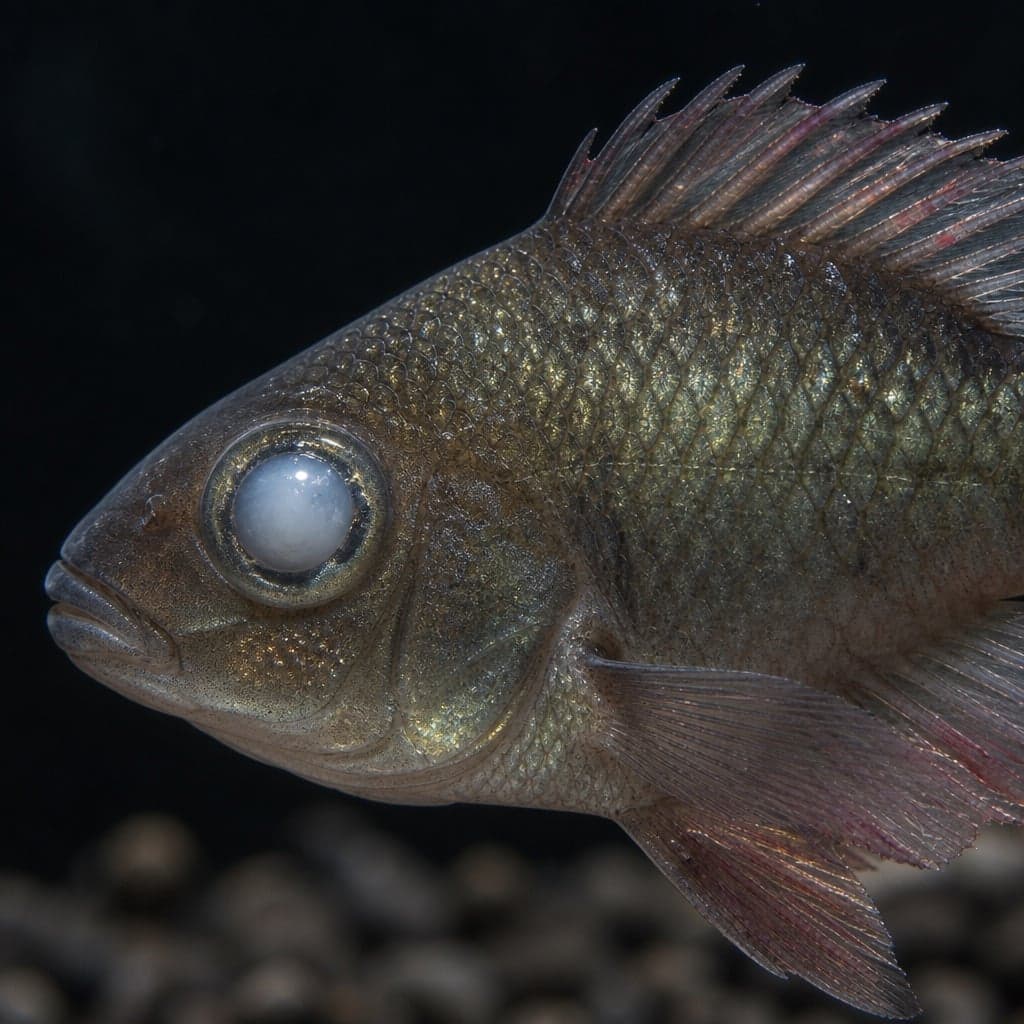
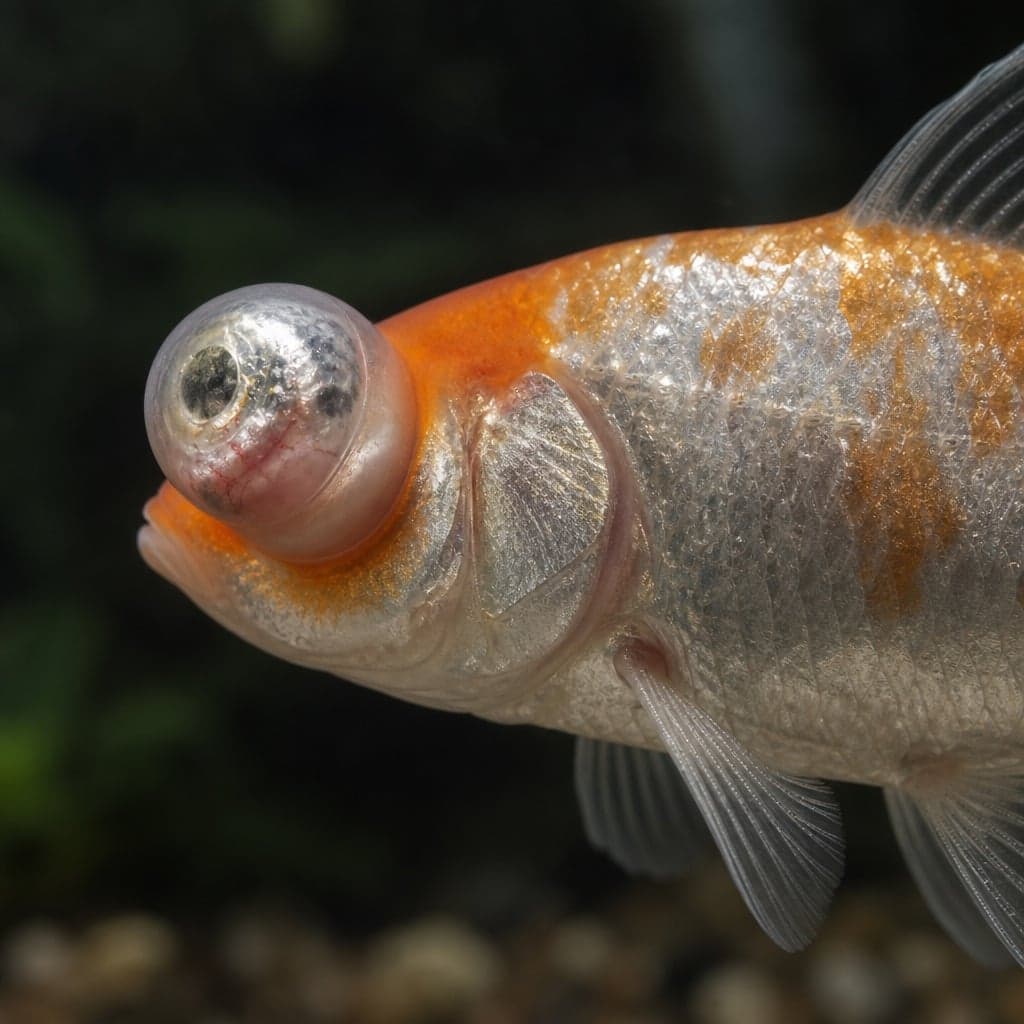
3. Pop-Eye (Exophthalmia)
- Symptoms: One or both eyes bulge outwards significantly.
- Causes: Physical injury (usually one eye) or systemic bacterial infection/poor water (usually both eyes).
- Treatment: Regular water changes and Epsom salt. If bacterial, use antibiotics (e.g., Maracyn).
4. Mouth Rot (Columnaris)
- Symptoms: White, moldy patches around the mouth; distinct from fungal infections (often flatter). Rapid tissue erosion.
- Treatment: This is highly contagious and fast-acting. Treat immediately with Gram-negative antibiotics (e.g., Kanamycin + Nitrofurazone).
General Treatment for Bacterial Infections
- Isolate: Move sick fish to a hospital tank to prevent spread and protect healthy fish from strong medications.
- Water Changes: Pristine water is the best medicine.
- Antibiotics: Use aquarium-safe antibiotics. Be aware that antibiotic regulations vary by country; some may require a vet prescription.
- Gram-Positive: Erythromycin (Maracyn)
- Gram-Negative: Minocycline (Maracyn 2), Kanamycin (Kanaplex)
- Natural Remedies: Products like Melafix (Tea Tree Oil) can help with very mild external infections but are ineffective against severe internal issues.
Prefer a hospital tank whenever the fish can be moved safely. Many antibiotics harm invertebrates, plants, or the biofilter in the display. Remove carbon and similar chemical media before dosing, follow the full course, and reseed or protect beneficial bacteria afterward if the display was treated. “Tea tree” remedies may comfort mild external cases; they do not replace antibiotics for columnaris-speed tissue loss or internal disease.
Prevention
The adage ''prevention is better than cure'' is truest for bacterial diseases.
- Zero Ammonia/Nitrite: Never let these toxic compounds spike.
- Low Nitrates: Keep nitrates below 20-40ppm via water changes.
- Varied Diet: Nutritional deficiencies weaken the immune system.
- UV Sterilizers: can help keep the bacterial count in the water column low.
Quarantine new fish for two to four weeks, keep stocking honest for the footprint, and use feeding time as a health check. A fish that hangs back from food is often unwell before visible lesions appear — that early window is when water corrections still work.